Hearing Loss Prevention Tips: Signs & How to Protect Ears
Hearing Loss Prevention Tips: Early Signs, Causes and Easy Ways to Protect Your Ears
Do you keep asking people to repeat themselves? Has the TV volume crept higher than it used to be? Many people in their 30s, 40s and 50s notice these changes and brush them off as “just getting older.” In reality, hearing loss can start much earlier than most people expect, and the habits you build today can protect your hearing for years.
At VR Speech and Hearing Clinic, we often meet patients who waited too long because they thought they were too young for a hearing problem. Here is what you should know about the early signs, the main causes and the practical steps that help prevent further damage.
Can You Get Hearing Loss at a Young Age?
Yes. Hearing loss is not limited to older adults. In the United States, nearly one in four people between the ages of 20 and 69 has some degree of hearing loss. The most common cause is regular exposure to loud sound.
Your ears also help with balance, so damage to the delicate inner ear structures can affect both hearing and steadiness. These problems can appear suddenly or build slowly over many years.
Why Loud Noise Is So Harmful
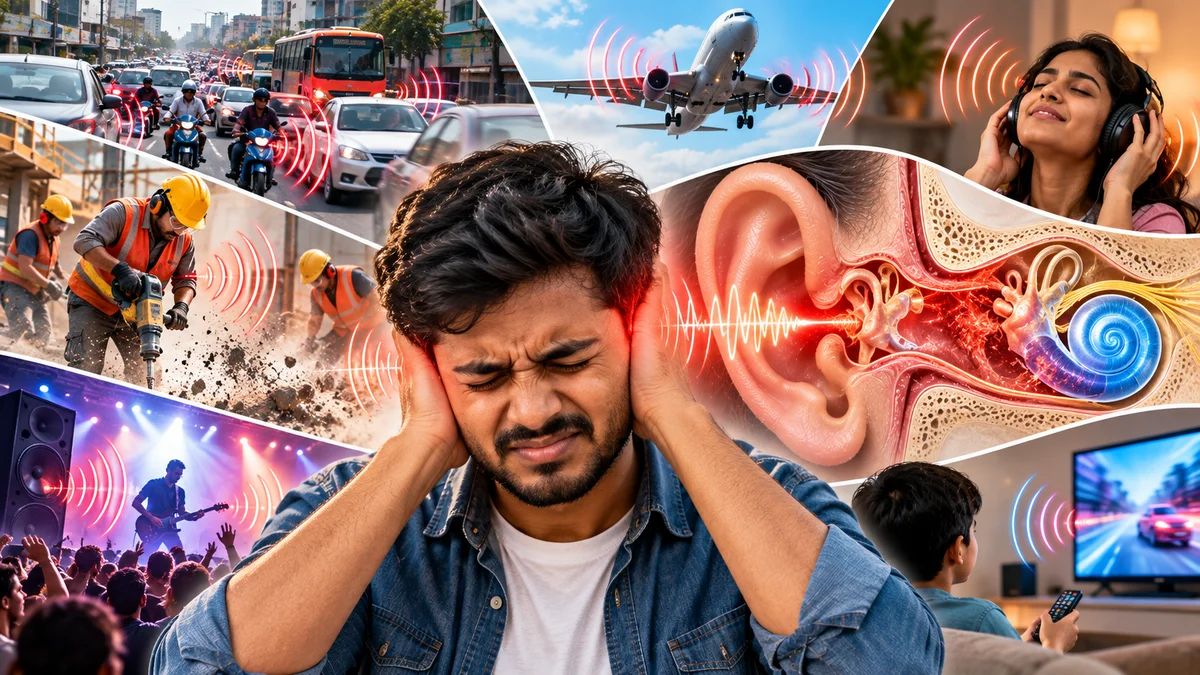
We live with sound all day: traffic, machines, music, conversations, aircraft and television. Most everyday sounds are not loud enough to hurt your ears. Some, however, are strong enough to cause lasting damage.
Loudness is measured in decibels. Sounds below about 70 decibels are generally safe for your ears. Above that level, the louder the sound, the greater the damage. Repeated exposure over months and years adds up, even if each individual sound does not seem painful.
A simple test for “too loud”: if you have to raise your voice to be heard by someone standing an arm’s length away, the noise around you is likely too loud for your ears.
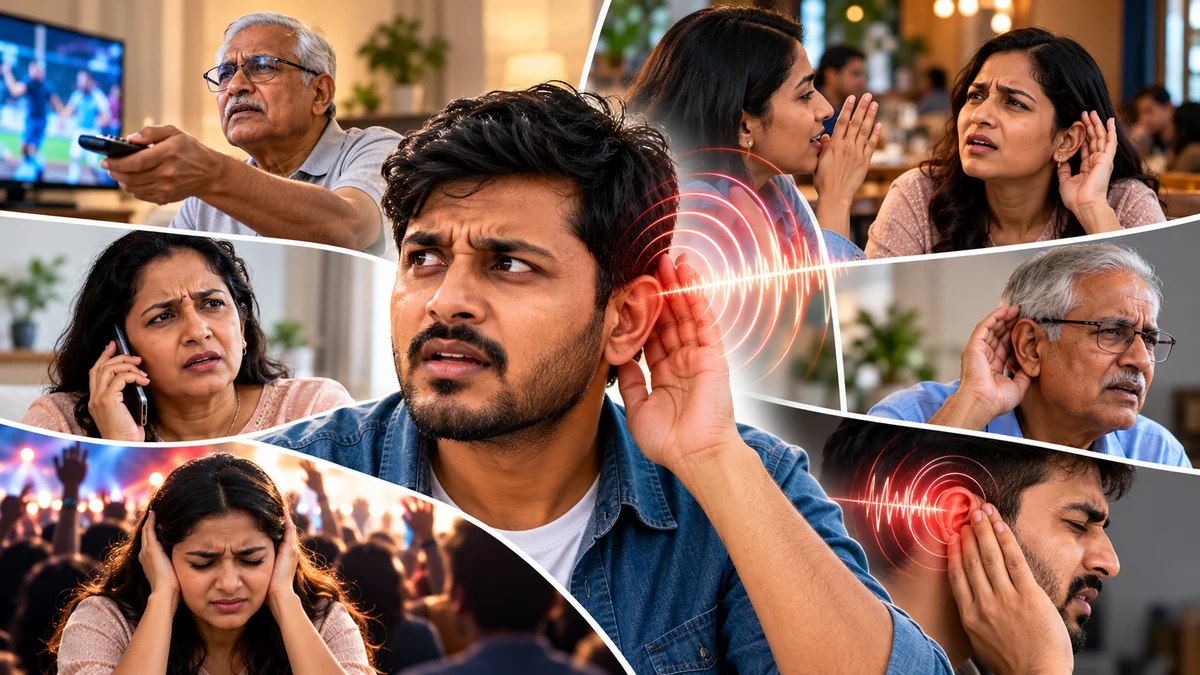
Early Signs of Hearing Loss
Hearing loss usually creeps in so slowly that people adapt without noticing. Watch for these warning signs:
Asking others to repeat themselves often
Turning up the TV or phone volume more than before
Struggling to follow conversations in restaurants or crowded places
Feeling that people mumble
Missing parts of phone calls
Ringing or buzzing in the ears after loud events
Noise-induced hearing loss usually cannot be reversed. The good news is that if you have noticed a change, you can act now to stop it from getting worse.
Step One: Get Your Hearing Tested
The first step is a professional hearing check. You may begin with your family doctor, who can refer you to a hearing specialist. Here is who you may meet:
Audiologist: A professional trained in hearing and balance care for all age groups. Audiologists perform hearing tests and plan treatment.
Hearing instrument specialist: Trained to identify hearing loss and fit hearing aids for adults.
ENT doctor (otolaryngologist): A medical doctor who treats ear conditions, including those that may need medicines or surgery.
What Happens During a Hearing Test?
A hearing test is simple and painless. It usually includes:
Ear examination: The specialist checks that your ear canals are healthy and not blocked by earwax.
Tone test: You wear headphones and signal each time you hear a beep at different pitches and volumes.
Speech test: You repeat words spoken at soft and comfortable levels, sometimes with background noise.
Personal plan: Based on your results, the specialist recommends a plan, which may include hearing aids or other support.
Practical Ways to Protect Your Hearing
You do not need to avoid every loud place. A few smart habits make a big difference:
Take listening breaks. Give your ears quiet time after long exposure to loud sound.
Use proper ear protection. Choose earplugs or earmuffs that fit well. Check the noise reduction rating, since a higher number means more protection, and wear them for the entire time you are exposed.
Double up when needed. For very loud jobs like power tools or lawn mowers, wearing earplugs under earmuffs gives extra protection.
Protect children’s ears. Use child-sized earmuffs for babies and young kids, and keep the volume low on headphones and personal devices.
Make your home quieter. Place pads under noisy appliances, avoid running several loud machines at once, add carpets or rugs to absorb sound, and seal gaps around windows and doors to cut outside traffic noise.
Keep personal audio in check. Lower the volume on earphones and headphones, especially in noisy places where you are tempted to turn it up.
How Often Should You Test Your Hearing?
As a general guide, adults should have a hearing test by age 60 and then every few years. If you already notice changes in your hearing, you may be advised to test once a year or whenever you notice a difference. Do not wait until age 60 if you have symptoms, because earlier testing gives you a baseline and a chance to protect what you have.
Take the First Step with VR Speech and Hearing Clinic
Hearing loss is easier to manage when it is found early. If you or a family member has trouble following conversations, needs the TV louder or feels ringing in the ears, book a hearing evaluation at VR Speech and Hearing Clinic. Our team will check your hearing, explain your results clearly and guide you toward the right solution.
FAQs
1. Am I too young to have hearing loss?
No. Hearing loss can affect people of any age. In the United States, nearly one in four adults aged 20 to 69 has some hearing loss, often from loud noise.
2. How do I know if I have hearing loss?
Common signs include asking people to repeat themselves, raising the TV volume, trouble hearing in noisy places and ringing in the ears. A hearing test is the only way to confirm it.
3. How loud is too loud for my ears?
Sounds above roughly 70 decibels can start to harm hearing, and the risk rises with louder sound and longer exposure. If you must shout to be heard by someone an arm’s length away, the noise is too loud.
4. Can noise-induced hearing loss be reversed?
Usually not. That is why early detection and protection matter. Once you notice a change, protecting your ears can prevent further loss.
5. Who should I see for a hearing test?
Start with your doctor or visit a hearing clinic directly. An audiologist can test your hearing, and an ENT doctor can treat medical or surgical ear problems if needed.
6. What does a hearing test involve?
The specialist examines your ears, then you listen to tones through headphones and repeat spoken words. The results are used to create a personal hearing plan.
7. How often should I get my hearing checked?
Have a test by age 60 and every few years after that. If you already have hearing loss or notice changes, yearly checks may be recommended.
8. What is the best way to protect my hearing at work or home?
Wear well-fitting earplugs or earmuffs around loud machines, take breaks from noise, keep headphone volume low and reduce household noise with rugs, pads and sealed windows.