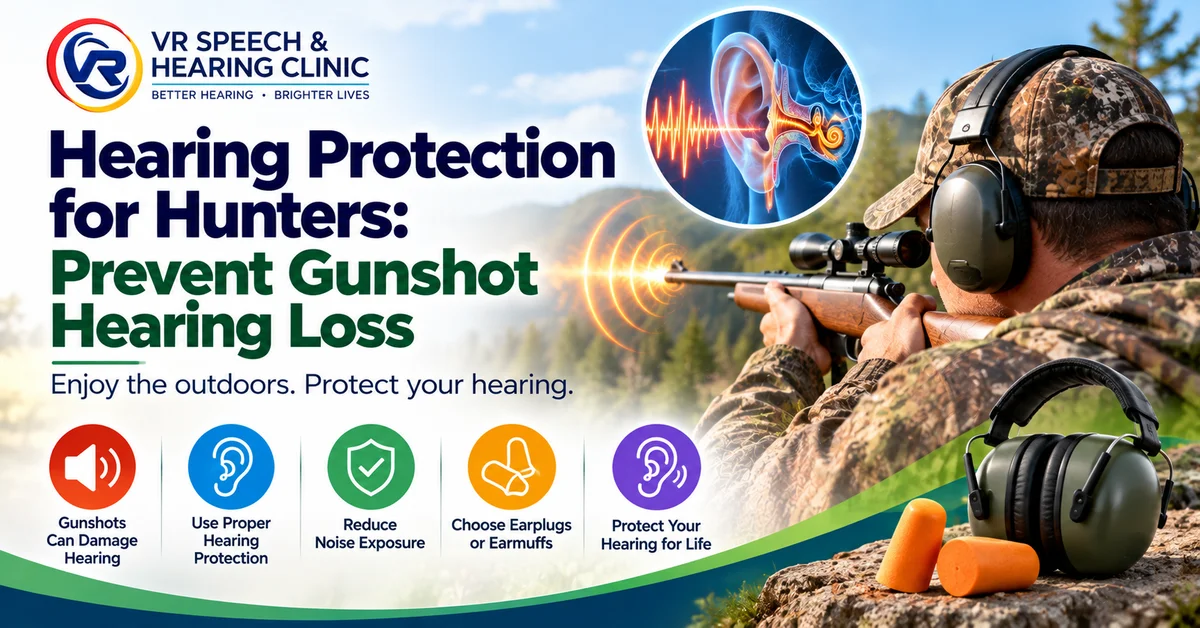
Hearing Protection for Hunters: Prevent Gunshot Hearing Loss
Hearing Protection for Hunters: How to Prevent Gunshot Hearing Loss
Hunting season brings long hours outdoors, but it also brings a risk many hunters ignore: permanent noise-induced hearing loss. Noise above 140 decibels can permanently damage the inner ear, and most firearms produce sound at or above that level. Normal conversation, by comparison, is only about 55 to 60 decibels. A single unprotected shot can be enough to cause harm.
What Gunshot Noise Does to Your Hearing
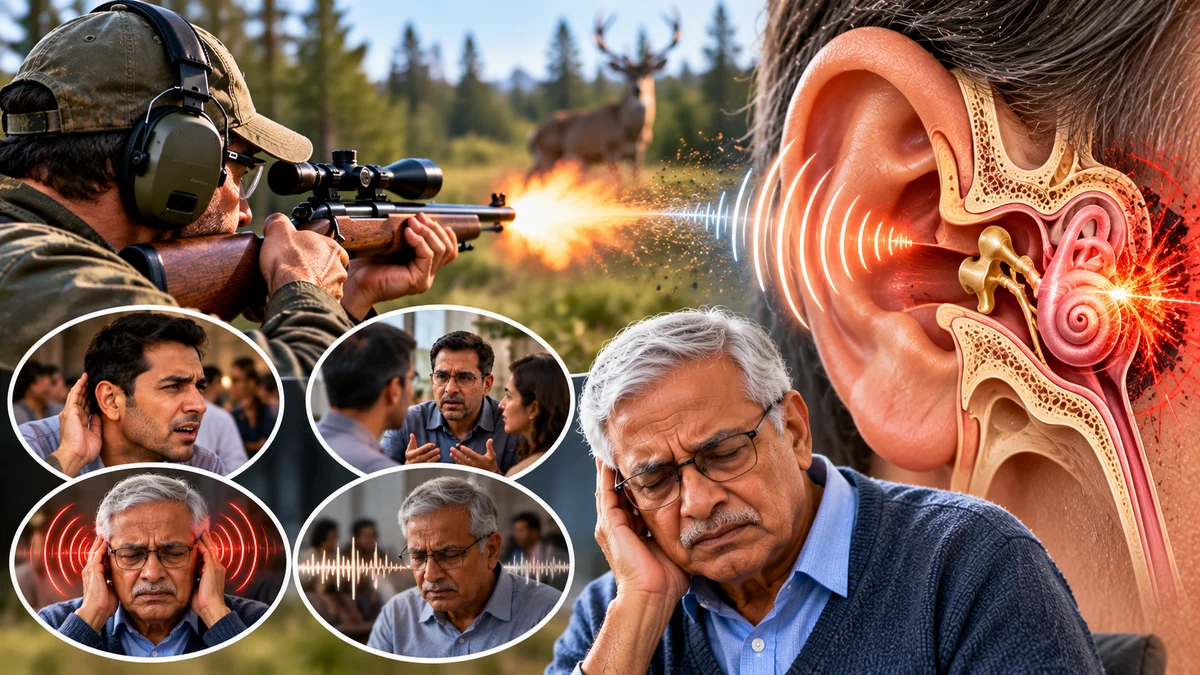
Loud noise damages the delicate hair cells in the inner ear, and these cells do not grow back. High-pitched sounds are usually affected first. Letters like “s,” “th” and “f” become harder to catch, so speech starts to sound muffled or mumbled, even though the voice is loud enough.
Early warning signs include:
Feeling that people around you are mumbling
Difficulty following conversations in groups or noisy places
Ringing, buzzing or hissing in the ears (tinnitus)
Sounds seeming dull or muffled after a day in the field
Tinnitus is often the first sign that your ears have been overexposed to noise. Do not ignore it.
Why Many Hunters Skip Hearing Protection
Many hunters head into the field without protection. The two most common complaints are that protection makes it hard to hear game and that it feels uncomfortable. Both problems can be solved with the right device and a proper fit.
Choosing the Right Hearing Protection Device
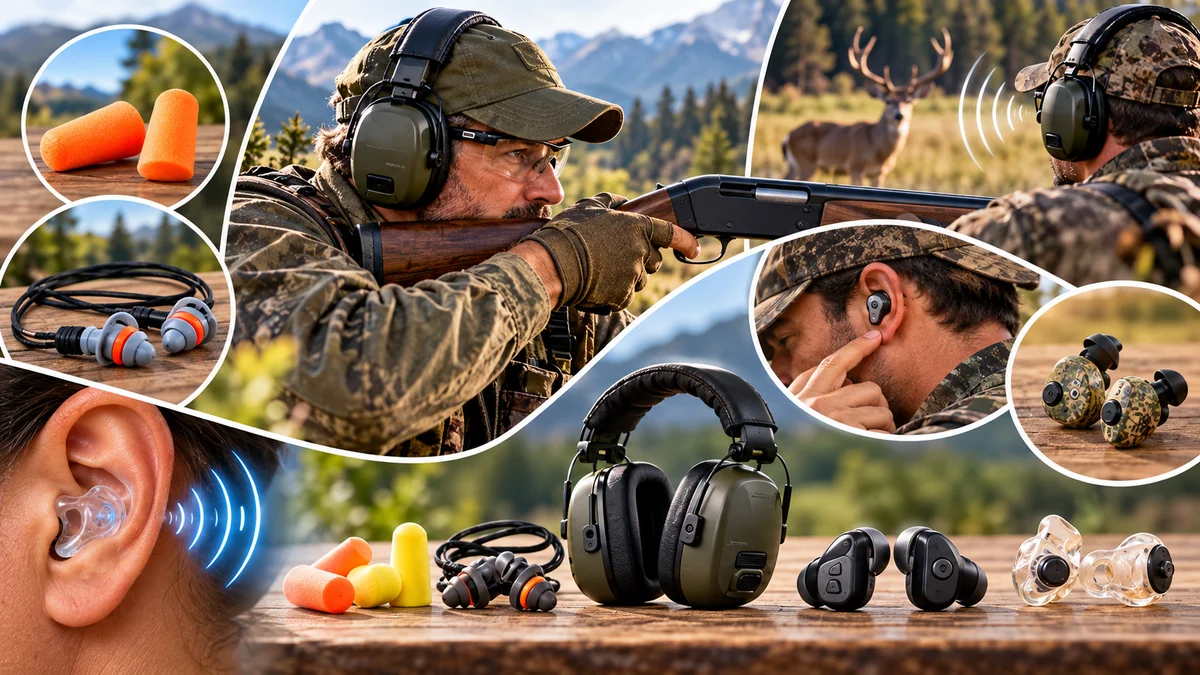
A hearing protection device (HPD) will only be used if it is comfortable, easy to put on and simple to clean. Here are the main options:
Earplugs. These range from basic disposable foam plugs to custom-made ear molds. Some have filters that let soft and moderate sounds through while cutting down sudden loud noise. Wearing them on a cord around your neck keeps them within reach.
Electronic earmuffs and in-ear devices. These amplify quiet sounds, such as footsteps, voices or animal movement, and shut off or reduce volume instantly when a gunshot occurs. They are available as earmuffs with an instant fit or as custom in-ear versions. You can talk and listen for game without taking them off.
Advanced programmable devices. Higher-end models can be tuned for specific sounds, such as a particular animal call, while still blocking harmful noise. They are useful for hunters who depend on hearing subtle sounds in the field.
A hearing professional can test your hearing and recommend better-quality options than most retail shops stock. Prices range from very affordable to very expensive, so think of good hearing protection as part of your hunting gear, like your clothing, equipment and ammunition.
Tips to Make Hearing Protection a Habit
Practice with it. Wear your protection during target practice or sighting so it becomes part of your routine, just like your aim.
Keep spare plugs handy. Carry disposable foam earplugs in your bag or pocket as a backup.
Double up. Wearing earmuffs over earplugs gives extra protection, especially for high-powered firearms.
Avoid echoing spaces. Shooting in enclosed areas where sound bounces and reverberates increases your noise exposure.
When to See a Hearing Specialist
If you notice ringing in your ears, muffled hearing or trouble understanding speech after hunting or shooting, get a hearing evaluation. Early testing can detect noise damage before it worsens and helps you choose protection that suits your hunting style, comfort and budget.
At VR Speech and Hearing Clinic, we provide hearing assessments and personalized guidance on hearing protection and hearing health. Protect your hearing now, because noise-induced hearing loss cannot be reversed.
FAQs
1. Can one gunshot damage your hearing permanently?
Yes. Firearms typically produce noise above 140 decibels, which is loud enough to cause permanent inner ear damage, even from a single unprotected shot.
2. Why do hunters get tinnitus?
Gunshot noise can injure the inner ear’s sensory hair cells, which can trigger ringing, buzzing or hissing sounds. Tinnitus often signals that your ears have been overexposed to loud noise.
3. What is the best hearing protection for hunters?
It depends on your needs. Foam or filtered earplugs are affordable and portable, while electronic earmuffs or custom in-ear devices let you hear soft sounds and block gunfire instantly. A hearing specialist can help you choose.
4. Can I still hear animals while wearing hearing protection?
Yes. Electronic hearing protection amplifies soft sounds and automatically reduces loud noise, so you can hear game and talk with others while staying protected.
5. Is it safe to wear earmuffs over earplugs?
Yes. Double protection is recommended, especially around high-powered firearms or in places where sound echoes.
6. Which sounds do people lose first with noise-induced hearing loss?
High-pitched sounds, such as the speech sounds “s,” “th” and “f,” are usually affected first. This is why people with early hearing loss feel others are mumbling.
7. Is hearing loss from gunfire reversible?
No. Damaged inner ear hair cells do not regenerate, so prevention is the best protection. A hearing evaluation can show how much damage has occurred and what support is available.
8. When should I get my hearing checked?
Get tested if you notice ringing in the ears, muffled sounds or trouble understanding speech after hunting or shooting. Regular hearing checks are also a good idea for anyone who is often exposed to loud noise.