How Hearing Aids Can Change Your Career: A Real Story of Hearing Loss
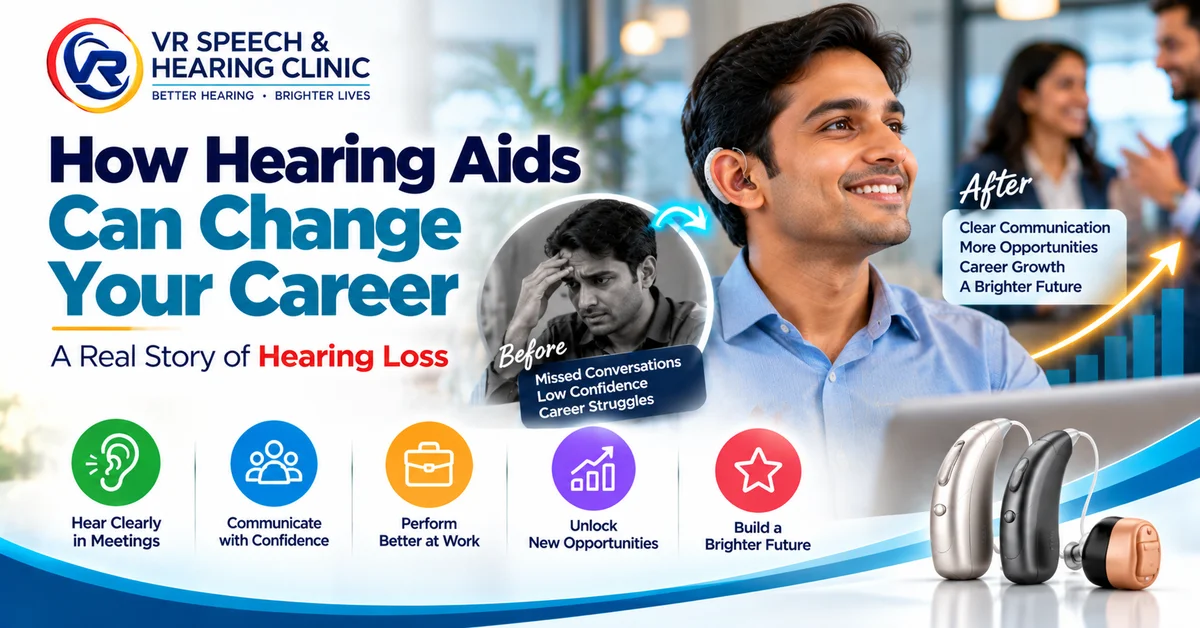
Imagine hearing a soft sound from the next room for the first time in years. For many people who start using hearing aids, this is a life-changing moment. Better hearing can also open doors at work, restore confidence and sometimes lead to a completely new career.
This article shares one inspiring example of how treating hearing loss early can protect your future.
Why hearing loss can quietly hold your career back
Hearing loss rarely shows up overnight. It builds slowly, and most people adjust without noticing. You may ask colleagues to repeat themselves, avoid group meetings or struggle on phone calls. Over time, these small struggles can affect your performance, your confidence and your chances of promotion.
For some jobs, a hearing test is also part of the medical screening. Untreated hearing loss can then become a real barrier to getting the job.
A real story: from construction worker to a brand-new career
This story comes from a published patient case in the Chhatrapati Sambhajinagar. He was not a patient of our clinic.
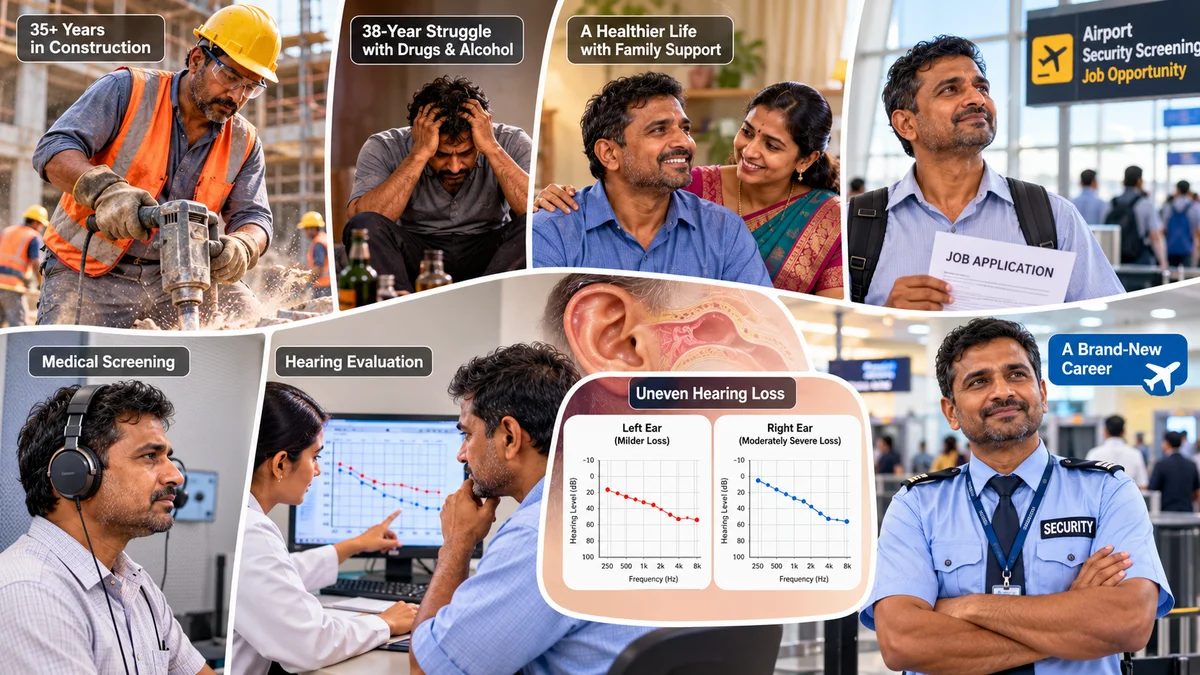
Ganesh, a 45-year-old, spent more than 35 years in construction. The work was hard on his body, and he wanted a change. He had once started an application for a security screening job at an airport but dropped it because the timing felt wrong. Meanwhile, he overcame a 38-year struggle with drugs and alcohol and built a more stable, healthier life with his wife.
When the family moved closer to relatives, Ganesh saw the same job opening again and decided to apply. During the medical screening, he learned that years of loud tools and machinery had damaged his hearing. If he failed the hearing test, his application would be rejected.
Ganesh did not give up. Within a week he had a full hearing evaluation with an audiologist. The tests showed an uneven loss: milder in the left ear and moderately severe in the right. Even the specialist could not say why one ear was affected more than the other.
How hearing aids helped
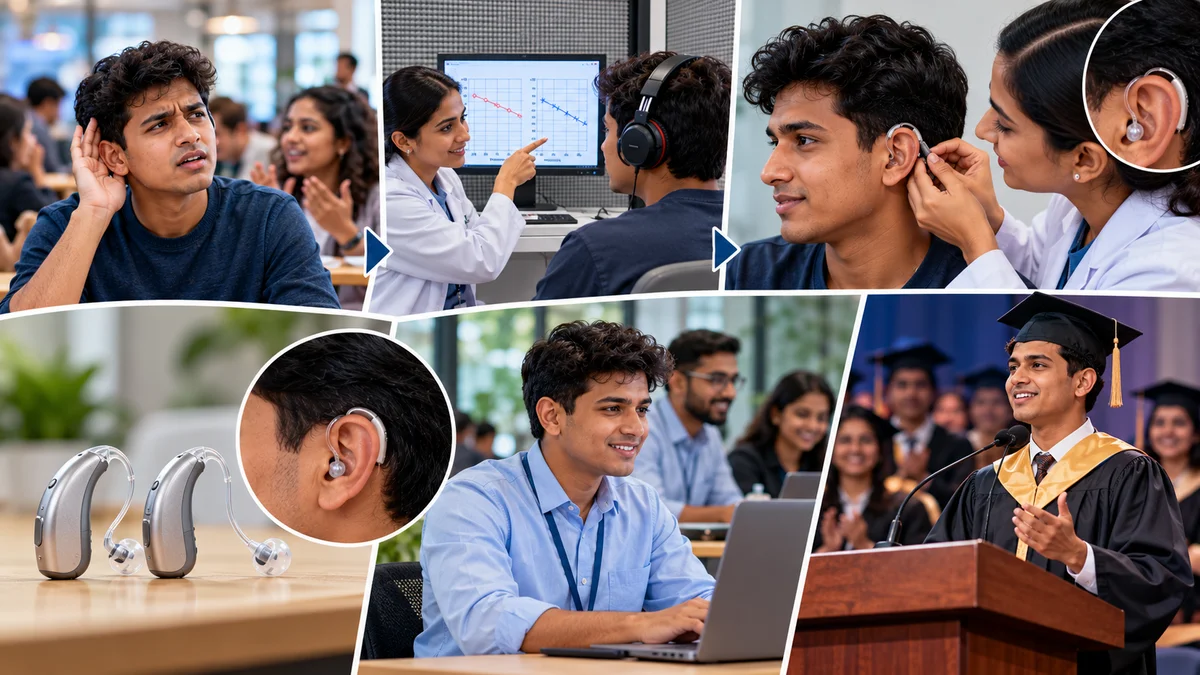
His audiologist recommended hearing aids. Modern digital hearing aids process incoming sound, make soft sounds easier to hear and limit the maximum volume so loud sounds do not become uncomfortable.
Ganesh was fitted with behind-the-ear hearing aids with a small dome that sits in the ear canal. This style is often comfortable for people who wear glasses. Both devices were the same model, but each was programmed differently to match the hearing loss in that ear. They were also chosen to help him hear clearly in noisy places, which mattered for his new workplace.
About two weeks after his first visit, he received his hearing aids. The paperwork and testing were completed, and he cleared the medical evaluation. He was hired and began training. By the end of the programme, he had been chosen to give the graduation speech.
Which jobs carry a higher risk of hearing loss?
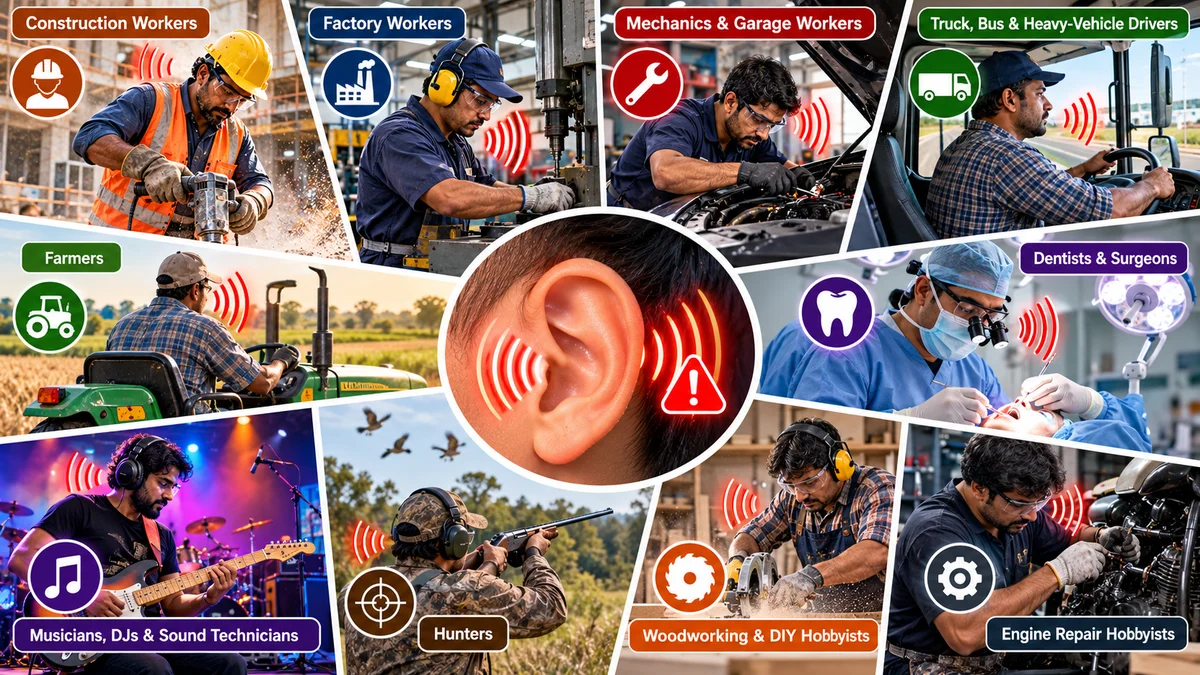
Loud sound at work adds up over the years. Higher-risk jobs include:
Construction and factory work
Mechanics and garage workers
Truck, bus and heavy-vehicle drivers
Farmers using tractors and machinery
Dentists and surgeons using drills and instruments
Musicians, DJs and sound technicians
Noisy hobbies such as woodworking, hunting and engine repair can add to the damage.

Signs you should get a hearing test
You often ask people to repeat themselves
Conversations in crowded places are hard to follow
You turn up the TV or phone volume more than others do
You struggle to understand phone calls
You hear sounds but cannot make out the words
You feel tired after long meetings or conversations
You have ringing in the ears
How to protect your hearing at work
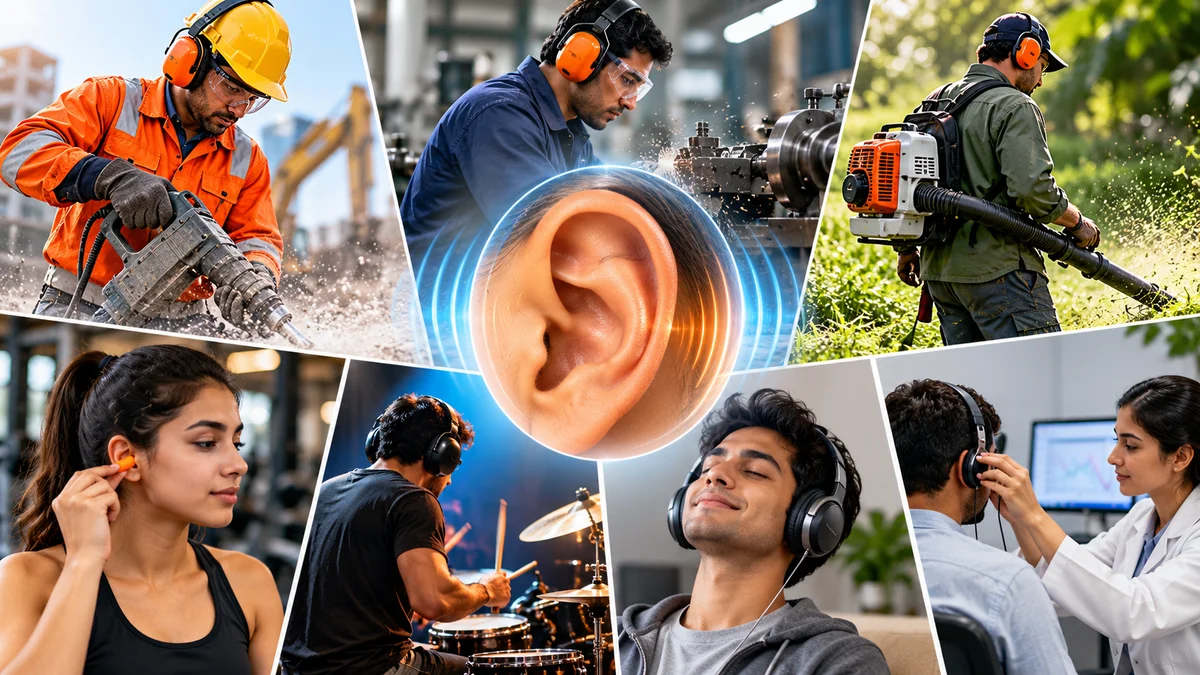
Use earplugs or earmuffs whenever your workplace provides or requires them
Wear hearing protection during loud hobbies
Give your ears quiet breaks after noisy hours
Keep headphone and earphone volume at a safe level
Get your hearing checked regularly, especially if you work around noise
Hearing damage adds up over a lifetime, so protecting your ears early makes a big difference later.
Why early testing matters
Ganesh story shows how fast things can change when hearing loss is found and treated. A proper hearing test shows the type and degree of loss in each ear. The right hearing aids, correctly programmed and fitted, can improve communication, safety and confidence at work and at home.
Get your hearing checked at VR Speech and Hearing Clinic
At VR Speech and Hearing Clinic, Vilas Rathod, BASLP, provides hearing assessment, guidance on choosing hearing aids, fitting and follow-up support. The aim is to match the solution to your hearing loss, your lifestyle and your work.
Do not wait for hearing loss to cost you an opportunity. Book your hearing test today and take the first step toward clearer hearing and a stronger career.
FAQs
1. Can hearing aids help me get or keep a job?
Yes. Hearing aids can improve how well you follow instructions, meetings and phone calls. They can also help you meet the hearing requirements for jobs that need a medical screening.
2. How do I know if I need a hearing test?
Common signs are asking people to repeat themselves, trouble in noisy places, turning the volume up high and difficulty on phone calls. If you notice any of these, book a test.
3. Can hearing loss be different in each ear?
Yes. Many people have a milder loss in one ear and a more severe loss in the other. A full hearing test checks each ear separately.
4. Will hearing aids make everything too loud?
No. Modern digital hearing aids make soft sounds easier to hear while limiting the maximum volume. They are programmed to suit your hearing loss.
5. Are behind-the-ear hearing aids good for people who wear glasses?
They are often comfortable for glasses wearers, but the best style depends on your hearing test results, lifestyle and comfort. Your audiologist can guide you.
6. Which jobs increase the risk of hearing loss?
Jobs with constant loud noise, such as construction, factory work, mechanics, driving, farming, dentistry, surgery and music, carry a higher risk.
7. How long does it take to get hearing aids after a hearing test?
It varies. Some people receive their hearing aids within a couple of weeks, depending on the device, programming and availability.
8. How can I protect my hearing at work?
Use earplugs or earmuffs around loud machinery, take quiet breaks, keep earphone volume safe and get regular hearing checks.