Slow down Age-Related Hearing Loss
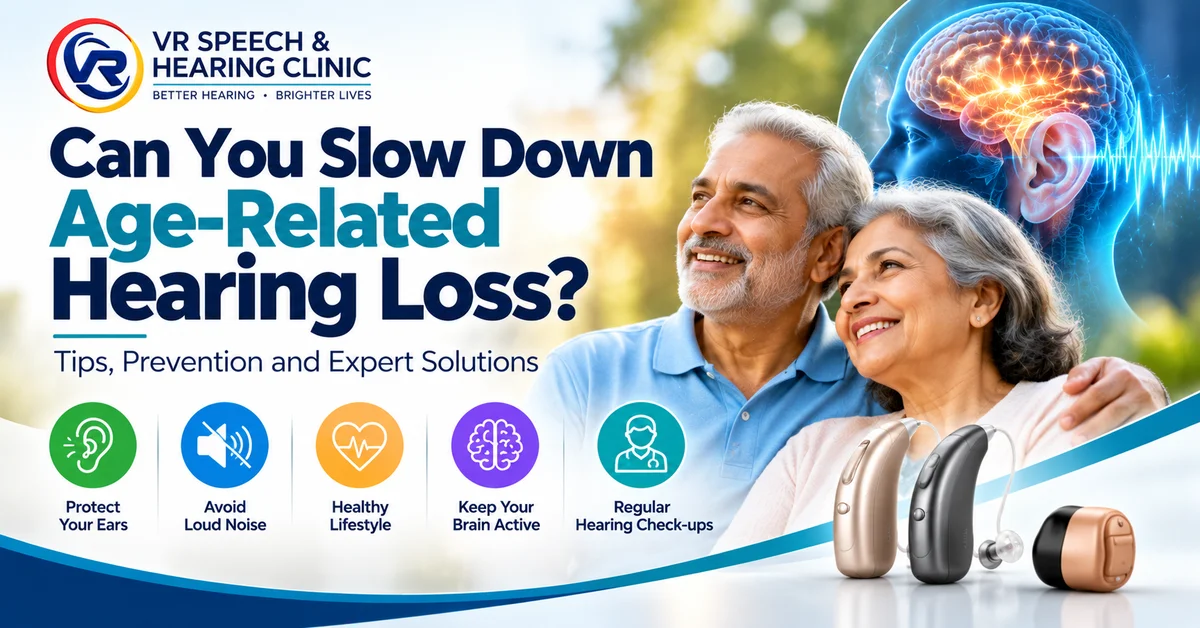
Can You Slow Down Age-Related Hearing Loss? Prevention, Testing and Treatment Tips
Do you keep nudging the TV volume higher? Do restaurant conversations sound like mumbling? These are common early signs of age-related hearing loss, and they are easy to dismiss. At VR Speech and Hearing Clinic, we see many people who waited years before checking their hearing. The good news is that you can protect the hearing you have today and get effective support if it has already changed.
What Is Age-Related Hearing Loss?
Age-related hearing loss, medically called presbycusis, is a gradual decline in hearing that develops over many years. It usually affects both ears equally. The delicate structures of the inner ear take in a lifetime of sound, illness, medication effects and general wear. Over time they respond less sharply, especially to high-pitched sounds and speech in noisy places.
How Common Is Hearing Loss?
It is more common than most people think. In the United States, roughly one in four adults between 55 and 64 has some degree of age-related hearing loss. The World Health Organization projects that hundreds of millions of people worldwide will be living with disabling hearing loss in the coming years. Hearing loss is a widespread health concern, not a rare one.

Can Age-Related Hearing Loss Be Prevented or Slowed?
Inner-ear damage cannot be cured or reversed. But much of the harm that adds up over a lifetime comes from avoidable noise exposure, and that is where you can make a difference. These habits help protect your hearing:
Keep volume under control. Sounds around 85 decibels, such as heavy traffic or a power tool, can damage hearing after long exposure. When using headphones or earbuds, keep the volume at a moderate level and take regular breaks.
Use the right hearing protection. Wear earplugs or earmuffs at concerts, in workshops, while mowing, and around machinery. Hunters and shooters should consider hearing protection made for their activity. It lowers harmful blasts while still letting you hear your surroundings.
Give your ears recovery time. After a loud event, spend some time in a quiet space. Constant noise with no breaks puts steady strain on the inner ear.
Look after your general health. Conditions like diabetes and high blood pressure, along with smoking, can affect circulation to the inner ear. Managing them supports your hearing too.
Treat ear problems early. Ear infections, wax build-up and sudden changes in hearing should be checked by a professional rather than ignored.
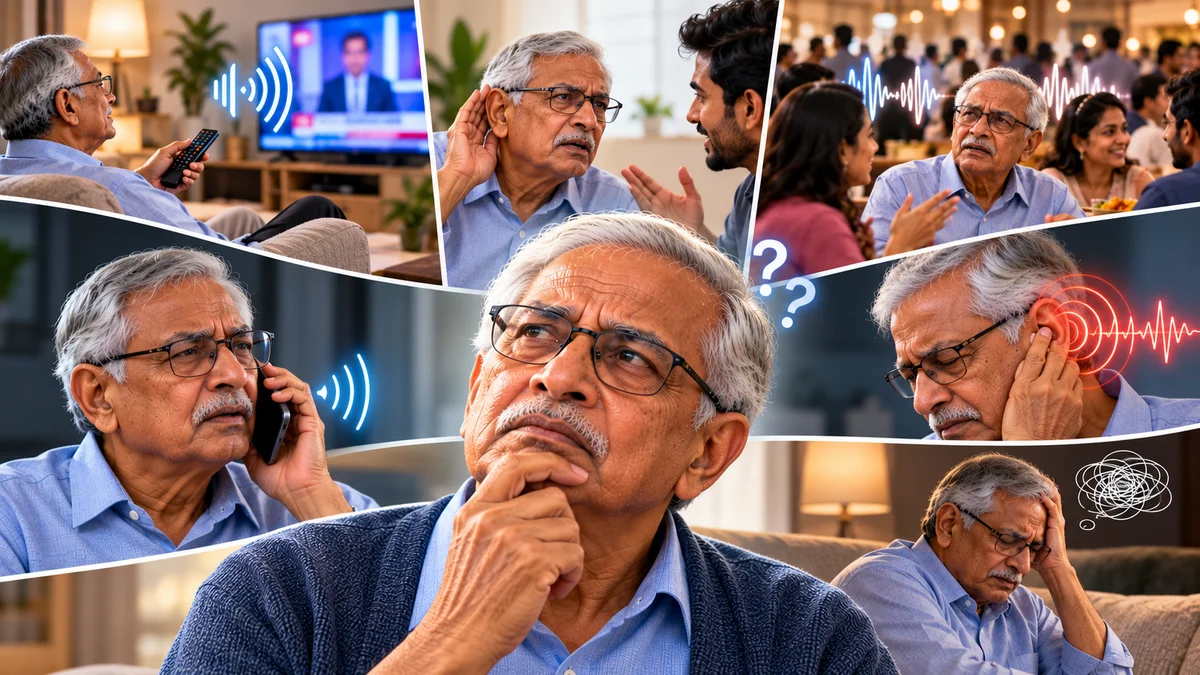
Signs You Should Get Your Hearing Checked
Asking people to repeat themselves often
Turning up the TV or phone volume
Struggling to follow conversations in crowds or restaurants
Feeling that people mumble
Ringing or buzzing in the ears (tinnitus)
Feeling tired or withdrawn after social events
What Happens During a Hearing Test?
A hearing test is simple, painless and informative. You wear headphones and respond, by pressing a button or raising your hand, each time you hear a tone. This shows the softest sounds you can detect at different pitches. Your audiologist may also run extra tests that check how well your middle ear and inner ear are working. These results show the type and degree of any hearing loss and guide the best next step.
Treatment Options for Hearing Loss
If testing shows hearing loss, you have good options. Modern hearing aids are discreet, comfortable and far more advanced than older models. Depending on your needs, your audiologist may also recommend assistive listening devices, communication strategies, counselling and regular follow-up care. Starting early usually makes it easier to adapt and keeps you connected to family, friends and the activities you enjoy.
Book a Hearing Test at VR Speech and Hearing Clinic
You do not need to wait for hearing trouble to become obvious. A baseline hearing test is a smart first step, especially if you are over 50, work around noise, or have noticed changes. Our team at VR Speech and Hearing Clinic will assess your hearing and explain your results in plain language. We will also build a plan that fits your lifestyle. Contact us today to schedule your appointment.
FAQs
1. What is age-related hearing loss?
It is a gradual, usually symmetrical loss of hearing that develops as people get older. The medical term is presbycusis. It often begins with difficulty hearing high-pitched sounds and understanding speech in noisy places.
2. At what age does hearing loss usually begin?
It varies from person to person. Changes often become noticeable from the 50s onward, but years of loud noise exposure, genetics and health conditions can bring them on earlier.
3. Can age-related hearing loss be reversed?
No. Damage to the inner ear’s sensory cells cannot be reversed. It can be managed well with hearing aids and other solutions, and further damage can be reduced by protecting your ears.
4. How can I protect my hearing as I get older?
Keep headphone volume moderate, wear earplugs or earmuffs around loud noise, take listening breaks, manage conditions like diabetes and high blood pressure, avoid smoking, and have your hearing tested regularly.
5. How often should I get a hearing test?
Adults over 50 should consider a hearing test every one to three years. Get tested sooner if you notice difficulty understanding speech, ringing in the ears, or a sudden change in hearing.
6. Is a hearing test painful?
No. It is quick, comfortable and non-invasive. You listen to sounds through headphones and respond when you hear them.
7. When should I see an audiologist?
See one if you often ask people to repeat themselves, turn up the TV, struggle in noisy settings, or hear ringing in your ears. Sudden hearing loss in one or both ears needs urgent attention.
8. Do hearing aids help with age-related hearing loss?
Yes. Properly fitted hearing aids improve speech clarity and make daily communication easier. They work best when you start early and get regular adjustments from a hearing professional.