Hearing Loss and Brain Health: Why Hearing Well Helps You Remember Well
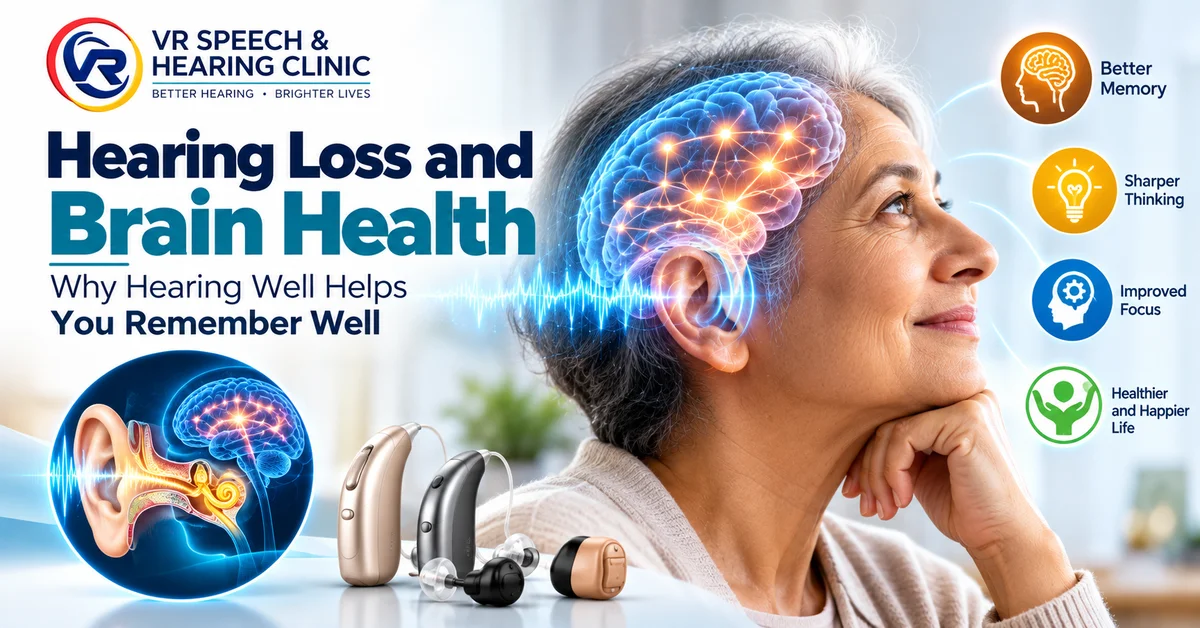
If your ears miss the words, your brain never gets the chance to store them. That simple idea sits at the heart of one of the most important health conversations of recent years: the connection between hearing loss and brain health.
Many people treat hearing loss as a minor part of getting older. In reality, how well you hear shapes how well you connect, how confident you feel and how actively your brain stays engaged. At VR Speech and Hearing Clinic, we see every day how treating hearing loss early can change the way people think, feel and live.
What Is the Link Between Hearing Loss and Brain Health?
Hearing does not happen in the ears alone. Your ears collect sound, but your brain does the real work of turning that sound into words, meaning and memories. When hearing declines, the signal reaching the brain becomes weaker and less clear, and the brain has to work harder to fill in the gaps.
Researchers have found that people with untreated hearing loss are more likely to experience faster memory decline and are at higher risk of dementia, including Alzheimer's disease. Large international reviews of dementia risk now list hearing loss among the risk factors that people can actually do something about. This is a link, not proof that hearing loss alone causes dementia, but it is strong enough that doctors and audiologists take it very seriously.

How Hearing Loss Can Affect Memory and Thinking
There are three main ways untreated hearing loss can affect the brain.
Missed information is never stored. You cannot remember a conversation, an instruction or a name if you never heard it clearly in the first place. Over time this can look like forgetfulness, even when the real problem is hearing.
The brain becomes overloaded. Straining to follow speech uses up mental energy that would normally go to memory and understanding. People often feel exhausted after long conversations, meetings or family gatherings.
The brain gets less stimulation. Sound keeps the pathways between the ear and the brain active. When those signals fade, the brain receives less daily exercise.

The Emotional Cost: Isolation, Anxiety and Low Mood
Hearing loss can quietly pull people away from the connections that keep life meaningful. When you cannot follow what others are saying, it is easy to feel left out, embarrassed or anxious. Many people start skipping family functions, avoiding phone calls, leaving social groups or giving up hobbies they once loved.
This withdrawal matters because social isolation is harmful to emotional well-being and to brain health. Regular conversation, laughter and shared activities keep the mind sharp. Hearing loss can take these away without anyone noticing, which is why early support is so important.

Early Signs of Hearing Loss You Should Not Ignore
Hearing loss usually develops slowly, so many people do not realise how much they are missing. Consider a hearing test if you notice any of these signs:
You often ask people to repeat themselves
Conversations in restaurants, markets or group settings feel confusing
Other people say you play the television or phone too loudly
Voices sound mumbled, especially women's and children's voices
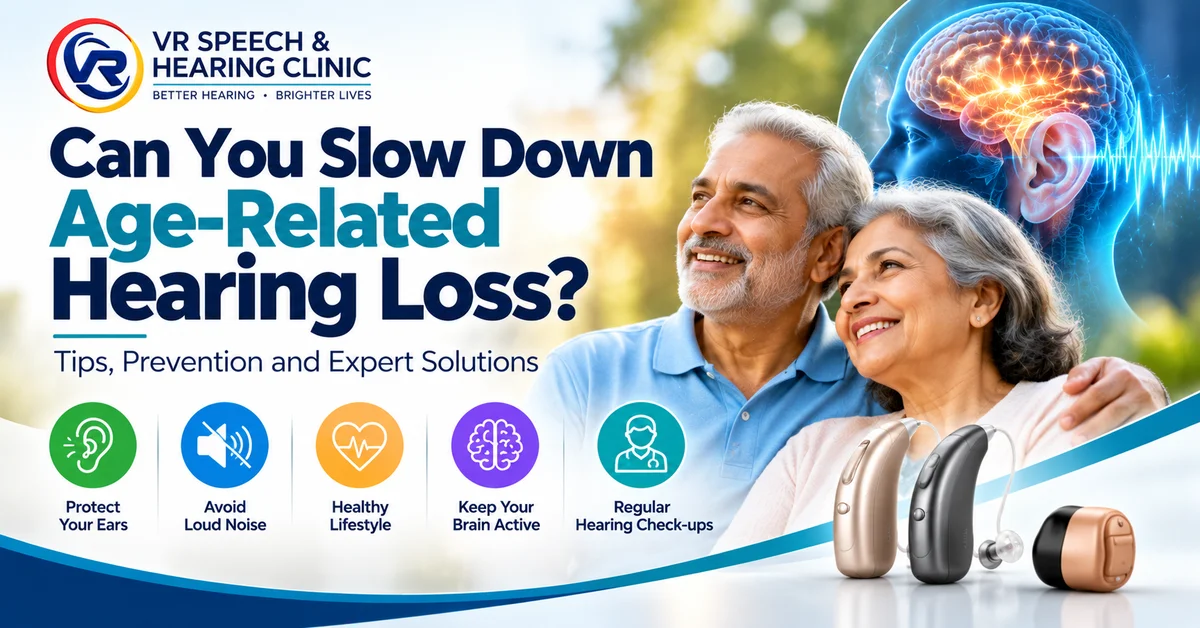
You struggle to follow phone calls
You feel tired or irritable after socialising
You hear ringing or buzzing in your ears
You have started avoiding social events
Why Hearing Aids Can Feel Strange at First
Because hearing loss develops gradually, the brain slowly gets used to a quieter, softer world. When hearing aids bring sound back, everyday noises can suddenly seem loud, sharp or even annoying. Footsteps, rustling paper and running water may feel startling.
This is completely normal. It does not mean the hearing aids are wrong or that they will not work for you. The brain simply needs time to relearn sounds it has not heard clearly for years. Wearing your hearing aids consistently, building up the hours gradually and attending follow-up fitting appointments helps most people adapt comfortably within a few weeks.
What the Research Says About Treating Hearing Loss
The encouraging news is that hearing loss is one of the more treatable risk factors for cognitive decline. Studies suggest that using hearing aids can help people stay more socially engaged, communicate more confidently and feel less isolated. A major clinical trial in older adults also found that hearing aids combined with hearing counselling slowed cognitive decline over three years in people at higher risk.
The earlier hearing loss is identified and managed, the more you protect your communication, your relationships and your brain.
Simple Ways to Protect Your Hearing and Brain Health
Get a baseline hearing test. Many specialists recommend one around age 50, or earlier if you have noise exposure, ear problems or a family history of hearing loss.
Treat hearing loss early. Do not wait until it feels severe. Early support gives the brain the best chance to adapt.
Stay socially active. Keep meeting friends, joining family events and taking part in activities that give you purpose.
Enjoy music you love. Familiar songs can trigger memories and keep the ear-to-brain pathway active.
Protect your ears from loud noise. Lower the volume on headphones and use ear protection around loud machinery or events.
Look after your overall health. Managing blood pressure and diabetes, staying physically active and sleeping well all support both hearing and brain health.
Why Choose VR Speech and Hearing Clinic
At VR Speech and Hearing Clinic, we believe good hearing is the foundation of confident communication and a healthy, connected life. Our team provides careful hearing evaluations, honest guidance and personalised hearing solutions, with support that continues long after your first appointment. Whether you are noticing the first signs of hearing difficulty or have been living with hearing loss for years, we will explain your results clearly and help you choose the right next step.
Do not wait for hearing loss to affect your memory, your mood or your relationships. Book a hearing test at VR Speech and Hearing Clinic today and take the first step toward clearer hearing and a healthier brain.
This article is for general information only and is not a substitute for professional medical advice. If you are worried about your hearing or memory, please consult a qualified audiologist or doctor.
Frequently Asked Questions
Can hearing loss cause memory loss?
Untreated hearing loss can make memory problems worse. When sounds are missed, the brain cannot store the information, and the extra effort of listening leaves less mental energy for remembering. Hearing loss is also linked to a higher risk of cognitive decline over time, which is why an early hearing test is worthwhile whenever memory concerns appear.
Does untreated hearing loss increase the risk of dementia?
Research shows an association between untreated hearing loss and a higher risk of dementia. It is considered a modifiable risk factor, meaning that treating it may help lower risk. However, not everyone with hearing loss will develop dementia, and the link does not prove that hearing loss is the sole cause.
Can hearing aids help protect brain health?
Hearing aids can help by restoring clearer sound, supporting conversation and keeping people socially active, all of which are good for the brain. Evidence suggests they may slow cognitive decline in older adults who are at higher risk. Results are best when hearing aids are fitted correctly and worn regularly.
What are the early signs of hearing loss?
Common early signs include asking people to repeat themselves, trouble following conversations in noisy places, turning the television volume up, difficulty on phone calls, ringing in the ears and avoiding social situations. If you notice any of these, it is a good time to book a hearing evaluation.
At what age should I get my hearing checked?
Many specialists suggest a baseline hearing test around age 50, followed by regular checks. You should be tested sooner if you notice changes in your hearing, work around loud noise, have ear problems or have a family history of hearing loss.
Why do hearing aids sound loud or strange at first?
The brain gets used to reduced sound as hearing declines slowly. When hearing aids restore sound, everyday noises can seem sharp or overwhelming at first. With regular use and follow-up adjustments, most people adapt within a few weeks.
How else can I protect my brain health?
Stay socially connected, exercise regularly, eat a balanced diet, sleep well, manage blood pressure and diabetes, protect your ears from loud noise and keep your mind active with reading, music or learning new skills.
How do I book a hearing test at VR Speech and Hearing Clinic?
You can contact VR Speech and Hearing Clinic by phone or visit the clinic to schedule an appointment. A hearing evaluation is painless, and our audiologist will explain your results and discuss the best options for you.