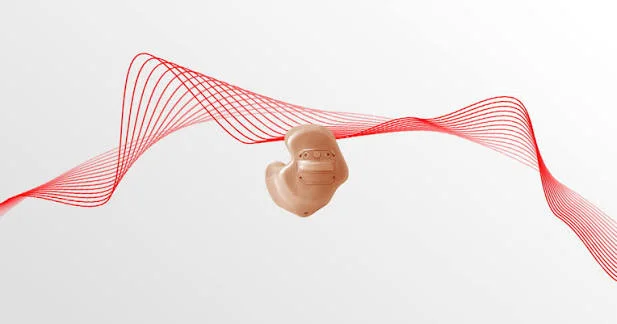
Hearing Aid Solutions: Your Complete Guide to Better Hearing
Hearing Aid Solutions: Your Complete Guide to Better Hearing
Hearing loss affects millions of people worldwide, impacting communication, relationships, and overall quality of life. Fortunately, modern hearing aid solutions have evolved dramatically, offering discreet, powerful, and highly personalized options for people of all ages. Whether you are experiencing mild hearing difficulty or significant hearing loss, understanding the available solutions can help you make an informed decision. At VR Speech and Hearing Clinic, we specialize in guiding patients through every step of this journey, from diagnosis to selecting and fitting the right device.

Understanding Hearing Loss and Why Early Action Matters
Hearing loss can develop gradually due to aging, prolonged noise exposure, infections, genetic factors, or underlying medical conditions. Many people delay seeking help because the changes happen slowly and are easy to dismiss. However, untreated hearing loss can lead to social isolation, cognitive decline, difficulty at work, and strained relationships. Early diagnosis and intervention with the right hearing aid solution can prevent these complications and significantly improve daily functioning. A comprehensive hearing evaluation is the first step toward identifying the type and degree of hearing loss, which then determines the most suitable treatment plan.
Types of Hearing Aid Solutions
Modern hearing aids come in a variety of styles, each designed to suit different lifestyles, degrees of hearing loss, and personal preferences.
Behind-the-Ear (BTE) Hearing Aids
These devices sit behind the ear and connect to an earmold or dome inside the ear canal. BTE hearing aids are suitable for all ages and degrees of hearing loss, from mild to profound. They are known for durability, powerful amplification, and ease of handling, making them a popular choice for children and older adults.Receiver-in-Canal (RIC) Hearing Aids
RIC devices are similar to BTE aids but have a smaller body with the speaker placed directly in the ear canal. This design offers a more natural sound quality and a discreet appearance, making it a favorite among first-time users.In-the-Ear (ITE) Hearing Aids
Custom-molded to fit the outer ear, ITE hearing aids are suitable for mild to severe hearing loss. They are easier to handle than smaller devices and often include additional features like volume control.In-the-Canal (ITC) and Completely-in-Canal (CIC) Hearing Aids
These are smaller, custom-fit devices that sit partially or completely inside the ear canal. They offer a nearly invisible solution for those concerned about visibility, though they may have limited features due to their compact size.Invisible-in-Canal (IIC) Hearing Aids
The smallest and most discreet option available, IIC hearing aids sit deep within the ear canal and are virtually undetectable. They are ideal for individuals with mild to moderate hearing loss who prioritize aesthetics.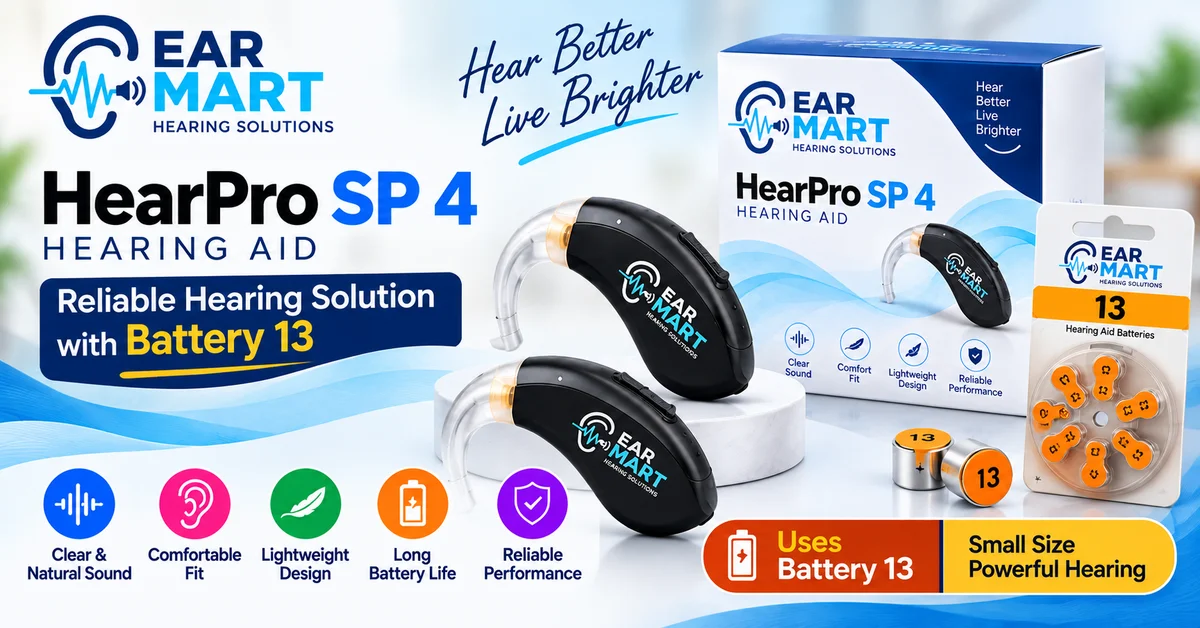
Advanced Hearing Aid Technology
Today's hearing aid solutions go far beyond simple sound amplification. Advanced digital technology has transformed these devices into smart, adaptive tools that enhance listening in every environment.
Noise Reduction and Speech Enhancement
Modern hearing aids use sophisticated algorithms to distinguish speech from background noise, making conversations clearer even in crowded or noisy settings such as restaurants or public gatherings.
Directional Microphones
These help users focus on sounds coming from a specific direction, such as a person speaking directly in front of them, while reducing distractions from other directions.
Bluetooth Connectivity
Many hearing aids now connect directly to smartphones, televisions, and other devices, allowing users to stream calls, music, and audio directly into their hearing aids for a seamless listening experience.
Rechargeable Batteries
Rechargeable hearing aids eliminate the hassle of frequently replacing tiny batteries, offering convenience and long-lasting power with a simple overnight charge.
Artificial Intelligence and Machine Learning
Some advanced models use AI to automatically adjust settings based on the listening environment, learning user preferences over time for a truly personalized experience.
Tinnitus Management Features
Many hearing aids now include built-in tinnitus masking or sound therapy features, providing relief for individuals who experience ringing or buzzing in their ears alongside hearing loss.
The Hearing Aid Fitting Process
Choosing the right hearing aid solution is not a one-size-fits-all process. It requires a thorough evaluation and a personalized approach.
Step One: Comprehensive Hearing Assessment
A detailed hearing test determines the type, degree, and configuration of hearing loss. This assessment forms the foundation for recommending appropriate devices.
Step Two: Lifestyle and Needs Consultation
Audiologists consider a patient's daily activities, work environment, social habits, and personal preferences to recommend a device that fits seamlessly into their life.
Step Three: Device Selection and Trial
Patients are guided through various hearing aid styles and technology levels, often with an opportunity to trial devices before making a final decision.
Step Four: Custom Fitting and Programming
Once selected, hearing aids are custom-fitted and programmed to match the individual's specific hearing profile, ensuring optimal sound clarity and comfort.
Step Five: Follow-Up Care and Adjustments
Hearing needs can change over time, so regular follow-up appointments are essential for fine-tuning the device and addressing any concerns that arise.
Benefits of Choosing the Right Hearing Aid Solution
Investing in the right hearing aid can transform daily life in numerous ways. Improved communication reduces misunderstandings and strengthens relationships with family, friends, and colleagues. Enhanced safety awareness allows individuals to hear important environmental sounds such as alarms, traffic, and doorbells. Better mental health outcomes are also common, as treated hearing loss is linked to reduced feelings of anxiety, depression, and social withdrawal. Additionally, cognitive protection is a growing area of research, with studies suggesting that treating hearing loss may help slow cognitive decline in older adults. Overall, professional support ensures that patients are not just given a device, but are guided through proper usage, maintenance, and long-term care.
Why Choose VR Speech and Hearing Clinic
At VR Speech and Hearing Clinic, we understand that every patient's hearing journey is unique. Our team of experienced audiologists uses state-of-the-art diagnostic tools to accurately assess hearing health and recommend solutions tailored to individual needs. We offer a wide range of hearing aid brands and technology levels, ensuring patients find a solution that fits both their hearing requirements and budget. Beyond the initial fitting, we provide ongoing support, including adjustments, cleaning, maintenance, and counseling, to ensure long-term satisfaction with the chosen device. Our patient-centered approach means we take the time to explain every option clearly, answer questions thoroughly, and support patients throughout their entire hearing care journey.
Tips for Adjusting to New Hearing Aids
Adjusting to hearing aids takes time and patience. Start by wearing the devices for short periods each day and gradually increase usage as comfort improves. Practice in quiet environments before moving to noisier settings, and be patient with your brain as it relearns how to process sounds it may not have heard clearly in years. Keep a log of situations where the hearing aids perform well or need adjustment, and share this information during follow-up visits with your audiologist. Regular cleaning and proper storage also extend the life of the device and maintain optimal performance.
Conclusion
Hearing aid solutions have advanced significantly, offering options that are more comfortable, discreet, and effective than ever before. Whether you are just beginning to notice changes in your hearing or have been managing hearing loss for years, professional guidance can make all the difference in finding the right solution. VR Speech and Hearing Clinic is committed to helping patients rediscover the joy of clear communication through personalized care, advanced technology, and ongoing support. Do not let hearing loss hold you back from fully engaging with the world around you. Schedule a comprehensive hearing evaluation today and take the first step toward better hearing and a better quality of life.
FAQs
Q1: How do I know if I need a hearing aid?
Common signs include frequently asking people to repeat themselves, difficulty understanding conversations in noisy environments, turning up the television volume louder than others prefer, and feeling exhausted after social interactions due to the effort of listening. A professional hearing assessment can confirm whether a hearing aid is needed.
Q2: How long does it take to adjust to wearing hearing aids?
Most people take anywhere from a few weeks to a few months to fully adjust to their new hearing aids. The brain needs time to relearn how to process sounds, so patience and consistent use are important during this period.
Q3: Can hearing aids completely restore normal hearing?
Hearing aids improve sound clarity and amplify sounds but do not restore hearing to its original, natural state. They significantly enhance communication ability and quality of life, though the experience differs from typical hearing.
Q4: How often should hearing aids be replaced?
Hearing aids typically last between three to seven years, depending on usage, maintenance, and technological advancements. Regular check-ups help determine when an upgrade or replacement may be necessary.
Q5: Are hearing aids suitable for children?
Yes, hearing aids are safe and effective for children with hearing loss. Pediatric hearing aids are specifically designed to accommodate growth and development, and early intervention is crucial for speech and language development.
Q6: Will insurance cover the cost of hearing aids?
Coverage varies depending on the insurance provider and plan. It is best to check with your insurance company and consult with the clinic's billing team to understand available coverage options and payment plans.