What is a Hearing Aid? Meaning, Types, and How It Helps You Hear Better
Hearing is one of the most important senses that connects us to the world around us. From conversations with loved ones to the sounds of nature, hearing plays a vital role in everyday life. However, millions of people across the world experience hearing loss due to age, noise exposure, infections, or genetic conditions. For such individuals, a hearing aid becomes a life-changing device. But what exactly is the meaning of a hearing aid, and how does it work? This article explains everything you need to know about hearing aids, their types, functions, and benefits.
Understanding the Meaning of a Hearing Aid
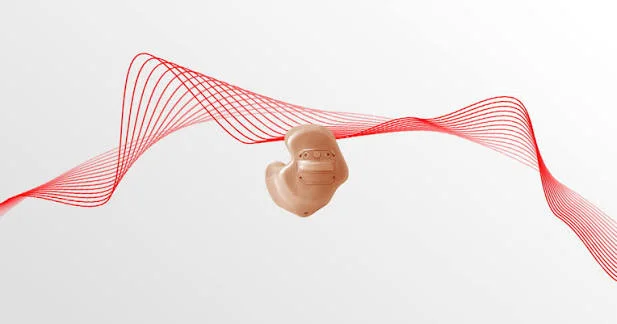
A hearing aid is a small electronic device designed to improve hearing for people who have partial or mild-to-severe hearing loss. It works by amplifying sound so that a person can hear more clearly, especially in situations involving speech and background noise. Unlike normal sound amplifiers, hearing aids are specially calibrated based on an individual’s hearing test results, ensuring that the amplification matches their specific hearing needs.
In simple terms, a hearing aid does not restore hearing to a completely normal level; instead, it enhances the sounds that a person’s ears struggle to detect, making communication easier and more effective. Hearing aids are commonly recommended by audiologists after a detailed hearing assessment, and they are customized according to the severity and type of hearing loss.
How Does a Hearing Aid Work?
Although hearing aids come in different designs and technologies, most of them function using three basic components: a microphone, an amplifier, and a speaker (also known as a receiver).
Microphone: This component picks up sound from the environment and converts it into digital signals.
Amplifier: The amplifier processes these digital signals, increasing their strength based on the user’s hearing loss pattern.
Speaker/Receiver: The amplified sound is then sent to the ear through the speaker, allowing the user to hear more clearly.
Modern hearing aids also come with advanced features such as noise reduction, feedback cancellation, directional microphones, and even Bluetooth connectivity, allowing users to connect their devices directly to smartphones, televisions, and other gadgets.
Different Types of Hearing Aids
Hearing aids are available in various styles to suit different lifestyles, hearing loss levels, and comfort preferences. Some of the most common types include:
Behind-The-Ear (BTE) Hearing Aids
These are worn behind the ear with a tube connecting to an earpiece inside the ear canal. BTE hearing aids are suitable for people with mild to profound hearing loss and are known for their durability and power.In-The-Ear (ITE) Hearing Aids
These are custom-made to fit inside the outer ear. They are easy to handle and are appropriate for mild to severe hearing loss.In-The-Canal (ITC) and Completely-In-Canal (CIC) Hearing Aids
These are smaller and less visible, fitting partly or entirely inside the ear canal. They are popular among users who prefer a more discreet solution.Receiver-In-Canal (RIC) Hearing Aids
Similar to BTE devices but with the speaker placed inside the ear canal, offering a more natural sound experience.Digital and Programmable Hearing Aids
These modern hearing aids use digital signal processing to provide clearer sound quality, reduce background noise, and allow customization based on different listening environments.
Who Needs a Hearing Aid?
Hearing aids are recommended for individuals experiencing:
Difficulty understanding conversations, especially in noisy environments
Frequently asking others to repeat themselves
Turning up the volume of the television or radio louder than others prefer
Ringing sensations in the ears (tinnitus)
Age-related hearing decline
Hearing loss due to prolonged noise exposure
Hearing issues caused by ear infections or genetic conditions
If you notice any of these symptoms, it is important to consult a professional audiologist for a proper hearing evaluation.
Benefits of Using a Hearing Aid
Wearing a hearing aid offers numerous benefits beyond just improved hearing. Some of the key advantages include:
Better Communication
Hearing aids help individuals participate more confidently in conversations, reducing misunderstandings and communication gaps.Improved Relationships
Better hearing enhances personal and professional relationships by allowing individuals to engage more effectively with family, friends, and colleagues.Enhanced Safety
Hearing aids help users become more aware of their surroundings, including alarms, vehicle sounds, and other important environmental cues.Boosted Confidence
People with hearing aids often experience increased self-esteem, as they no longer struggle to follow conversations or feel left out socially.Better Mental Health
Untreated hearing loss has been linked to isolation, anxiety, and even cognitive decline. Hearing aids help reduce these risks by keeping individuals socially and mentally active.Improved Work Performance
Clear hearing significantly boosts performance and communication in professional environments, leading to better productivity and confidence at work.
Why Choosing the Right Hearing Aid Clinic Matters
Selecting the right hearing aid is not just about picking a device off the shelf—it requires expert guidance, accurate hearing assessments, and proper fitting. This is where a trusted clinic becomes essential.
VR Speech and Hearing Clinic is known for providing comprehensive hearing care services, including detailed hearing evaluations, speech therapy, and personalized hearing aid fittings. With experienced audiologists and modern diagnostic tools, the clinic ensures that each patient receives a hearing solution tailored to their specific needs. Whether you are dealing with mild hearing difficulties or severe hearing loss, consulting professionals at a dedicated clinic like VR Speech and Hearing Clinic can make a significant difference in improving your quality of life.
Choosing an experienced clinic also ensures proper aftercare, including regular maintenance, adjustments, and guidance on how to use your hearing aid effectively for long-term benefits.
Tips for Adjusting to a New Hearing Aid
If you are new to using a hearing aid, here are a few tips to help you adjust:
Start by wearing it for a few hours a day and gradually increase usage.
Practice listening in different environments, such as quiet rooms and busy streets.
Be patient, as it may take a few weeks to fully adapt to the new sounds.
Keep the device clean and store it properly when not in use.
Schedule regular follow-up visits with your audiologist for adjustments.
Conclusion
Understanding the true meaning of a hearing aid goes beyond just knowing it as a sound amplifying device. It represents a bridge to better communication, improved relationships, enhanced safety, and overall better quality of life for individuals experiencing hearing loss. With advancements in technology, hearing aids today are more effective, discreet, and comfortable than ever before.
If you or a loved one is experiencing hearing difficulties, don’t wait to seek help. Visiting a reputable clinic such as VR Speech and Hearing Clinic can guide you through the process of hearing assessment, device selection, and long-term hearing care, ensuring you regain the joy of clear and confident hearing.
FAQs
Q1: What is the basic meaning of a hearing aid?
A hearing aid is an electronic device worn in or behind the ear that amplifies sound to help individuals with hearing loss communicate and hear more clearly.
Q2: Can a hearing aid completely restore normal hearing?
No, a hearing aid does not restore hearing to a fully normal level. Instead, it enhances sounds to make hearing and communication easier for people with hearing loss.
Q3: How do I know if I need a hearing aid?
If you frequently struggle to understand conversations, ask people to repeat themselves, or need higher volume on your TV, it is advisable to get a hearing test done by a professional audiologist.
Q4: How long does it take to adjust to a new hearing aid?
Most people take a few weeks to fully adjust to a new hearing aid as their brain gets used to processing amplified sounds again.
Q5: Are hearing aids suitable for all types of hearing loss?
Hearing aids are effective for mild to severe hearing loss. However, for profound hearing loss, other solutions like cochlear implants may be recommended by a specialist.
Q6: Why should I visit a professional clinic for a hearing aid?
A professional clinic like VR Speech and Hearing Clinic ensures accurate hearing assessments, correct device selection, and proper fitting, leading to better long-term results.