Hearing Aid Solutions: A Complete Guide
Introduction
Hearing is one of the most valuable senses we have, connecting us to conversations, music, laughter, and the everyday sounds that make life meaningful. Yet millions of people experience some degree of hearing loss, often without realizing how much it affects their daily communication and quality of life. At VR Speech and Hearing Clinic, we understand that hearing loss is not just a medical condition, it is a life experience that touches relationships, careers, and confidence. That is why our team is dedicated to providing comprehensive hearing aid solutions tailored to each individual's unique needs.
This guide explores everything you need to know about hearing aids, from understanding hearing loss to choosing the right device and maintaining it for long term success.
Understanding Hearing Loss
Hearing loss can occur at any age and for many reasons, including aging, prolonged noise exposure, infections, genetics, or underlying medical conditions. It is generally categorized into three types:
Conductive hearing loss occurs when sound cannot pass efficiently through the outer or middle ear, often due to blockages, fluid, or structural issues.
Sensorineural hearing loss involves damage to the inner ear or auditory nerve and is the most common permanent form of hearing loss, frequently associated with aging or noise exposure.
Mixed hearing loss is a combination of both conductive and sensorineural issues.
Recognizing early signs, such as frequently asking others to repeat themselves, turning up the television volume, or struggling to follow conversations in noisy environments, is essential. Early diagnosis through a professional hearing evaluation can prevent further complications and improve treatment outcomes significantly.
Why Choose Hearing Aids
Hearing aids are small electronic devices designed to amplify and clarify sound, making it easier for individuals with hearing loss to engage in conversations and enjoy their surroundings. Modern hearing aids do far more than simply make sounds louder. They are equipped with intelligent technology that filters background noise, enhances speech clarity, and adapts automatically to different listening environments.
Choosing the right hearing aid can dramatically improve communication, mental well being, and social engagement. Untreated hearing loss has been linked to isolation, cognitive decline, and reduced confidence, which makes timely intervention extremely important.
Types of Hearing Aid Solutions
There is no one size fits all approach to hearing aids. At VR Speech and Hearing Clinic, we offer a wide range of solutions to match different lifestyles, hearing loss levels, and budgets.
Behind the Ear (BTE) Hearing Aids
These devices sit comfortably behind the ear and are connected to an earpiece inside the ear canal. They are suitable for mild to profound hearing loss and are known for their durability and powerful amplification.
In the Ear (ITE) Hearing Aids
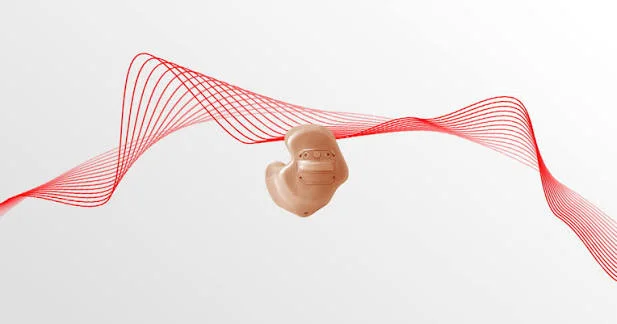
Custom molded to fit directly inside the outer ear, these devices are discreet and easy to handle, making them a popular choice for adults with mild to severe hearing loss.
In the Canal (ITC) and Completely in Canal (CIC) Hearing Aids
These are smaller, nearly invisible options that fit deep within the ear canal, ideal for those seeking a more cosmetically discreet solution.
Receiver in Canal (RIC) Hearing Aids
Combining comfort and performance, RIC devices are lightweight and offer natural sound quality, often preferred by first time users.
Digital and Smart Hearing Aids
Equipped with Bluetooth connectivity, noise cancellation, and rechargeable batteries, these advanced devices can sync with smartphones, allowing users to stream calls, music, and adjust settings through mobile apps.
The Hearing Aid Fitting Process
Selecting the right hearing aid involves more than picking a device off a shelf. At VR Speech and Hearing Clinic, our process is thorough and personalized:
Comprehensive Hearing Assessment
Our certified audiologists conduct detailed hearing tests to determine the type and degree of hearing loss.
Personalized Consultation
We discuss lifestyle needs, listening environments, and personal preferences to recommend the most suitable hearing aid style and technology level.
Custom Fitting
For custom devices, precise ear impressions are taken to ensure maximum comfort and acoustic performance.
Programming and Calibration
Hearing aids are digitally programmed based on the individual's specific hearing profile, ensuring optimal sound clarity.
Follow Up Care
Adjustment periods are common, and our team provides ongoing support, fine tuning devices as needed for the best possible outcome.
Advanced Features to Look For
Modern hearing aid technology has evolved significantly, offering features that enhance everyday listening experiences. Some of the most valuable features include:
Noise reduction technology that minimizes background distractions in busy environments.
Directional microphones that focus on speech coming from in front of the listener.
Rechargeable batteries that eliminate the hassle of frequent battery replacements.
Bluetooth streaming for hands free calls and direct audio from smartphones and televisions.
Tinnitus masking features that provide relief for individuals experiencing ringing in the ears.
Automatic environment detection that adjusts settings based on surroundings, such as quiet rooms, restaurants, or outdoor spaces.
Caring for Your Hearing Aids
Proper maintenance ensures hearing aids function effectively and last longer. Simple daily habits can make a significant difference:
Clean devices regularly using a soft, dry cloth to remove earwax and debris.
Store hearing aids in a dry, safe case when not in use.
Avoid exposure to moisture, extreme heat, or direct sunlight.
Replace batteries or charge devices as recommended by your audiologist.
Schedule regular checkups to ensure the device is calibrated correctly as hearing needs may change over time.
Why Choose VR Speech and Hearing Clinic
VR Speech and Hearing Clinic is committed to providing compassionate, evidence based hearing care. Our team of experienced audiologists and speech therapists takes a holistic approach, ensuring that every patient receives a solution tailored to their specific hearing profile and lifestyle. We combine advanced diagnostic tools with a wide selection of hearing aid brands and models, ensuring that patients of all ages, from children to seniors, receive the highest standard of care.
Our clinic also emphasizes ongoing support, offering follow up consultations, device adjustments, and speech therapy services for individuals who need additional communication support alongside their hearing aids.
Conclusion
Hearing loss does not have to limit your ability to connect with the world around you. With the right hearing aid solution and expert guidance, individuals can regain clarity, confidence, and connection in their everyday lives. At VR Speech and Hearing Clinic, we are dedicated to helping you find the perfect hearing aid solution through personalized assessments, advanced technology, and continuous support.
If you or a loved one is experiencing signs of hearing loss, do not wait to seek help. Early intervention leads to better outcomes and a significantly improved quality of life.
Frequently Asked Questions
1. How do I know if I need a hearing aid?
Common signs include difficulty understanding conversations, frequently increasing volume on devices, and struggling to hear in noisy environments. A professional hearing test can confirm the need for a hearing aid.
2. Are hearing aids suitable for all types of hearing loss?
Most hearing aids can address mild to severe hearing loss, though the right type depends on individual test results and lifestyle needs.
3. How long does it take to adjust to a new hearing aid?
Adjustment periods vary, typically ranging from a few days to several weeks, as the brain relearns how to process amplified sounds.
4. Can children use hearing aids?
Yes, hearing aids are safe and effective for children and are often customized to accommodate growth and developmental needs.
5. How often should hearing aids be replaced?
On average, hearing aids last between three to seven years, depending on technology, usage, and maintenance.
6. Do hearing aids restore hearing completely?
Hearing aids do not cure hearing loss but significantly improve sound clarity and communication ability.