Ear Machine for Hearing Loss – Best Hearing Aids Guide
Hearing loss is one of the most common health concerns affecting people of all ages, from young children to senior citizens. Whether it happens due to aging, prolonged noise exposure, infections, or genetic factors, the impact on daily communication and quality of life can be significant. Fortunately, modern technology has made it possible to manage hearing loss effectively through an ear machine for hearing, commonly known as a hearing aid. At VR Speech and Hearing Clinic, we help patients understand their hearing needs and choose the right device to restore clarity, confidence, and connection with the world around them.
In this guide, we will explain what an ear machine for hearing is, how it works, the different types available, their benefits, and how to choose the best one suited to your lifestyle and budget.

What Is an Ear Machine for Hearing?
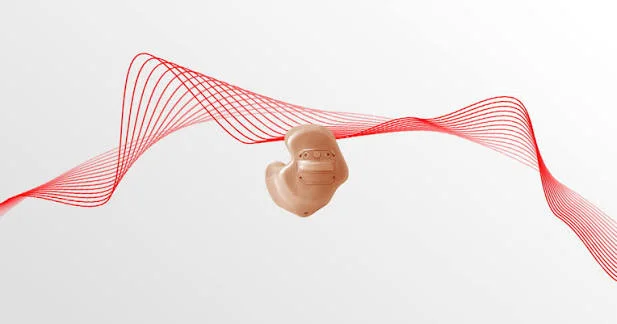
An ear machine for hearing, or hearing aid, is a small electronic device worn in or behind the ear that amplifies sound to help people with hearing loss communicate more easily. These devices capture sound through a microphone, process it using a digital chip, and deliver amplified sound directly into the ear canal through a speaker. Modern ear machines are compact, discreet, and equipped with advanced features such as noise reduction, feedback cancellation, and even Bluetooth connectivity for phone calls and streaming.
Unlike older analog devices, today’s digital hearing aids are customized based on an individual’s specific hearing profile, ensuring natural and clear sound quality rather than simply making everything louder.
How Does a Hearing Aid Work?
Every ear machine for hearing works on a simple three-step principle:
Sound Reception: A built-in microphone picks up sound from the environment.
Sound Processing: A tiny computer chip analyzes and adjusts the sound based on the user’s hearing loss pattern, filtering out background noise and enhancing speech clarity.
Sound Delivery: A receiver or speaker sends the processed sound into the ear, allowing the user to hear more clearly and naturally.
This process happens in real time, allowing users to have normal conversations, watch television, and engage in social settings without straining to hear.
Types of Ear Machines for Hearing
Choosing the right hearing aid depends on the type and severity of hearing loss, lifestyle needs, and personal preference. Here are the most common types available:
1. Behind-the-Ear (BTE)
This type sits behind the ear and connects to an earmold inside the ear canal through a thin tube. BTE devices are suitable for all age groups and levels of hearing loss, from mild to profound. They are durable, easy to handle, and often preferred for children due to their flexibility for growth adjustments.
2. In-the-Ear (ITE)
These custom-made devices fit directly inside the outer ear. They are easy to insert and remove, offering a good balance between visibility and functionality, and are typically used for mild to severe hearing loss.
3. In-the-Canal (ITC) and Completely-in-Canal (CIC)
These are smaller devices that fit partly or entirely inside the ear canal, making them nearly invisible. They are best suited for mild to moderate hearing loss and are popular among users who prefer a discreet look.
4. Receiver-in-Canal (RIC) and Receiver-in-the-Ear (RITE)
These modern designs place the speaker directly in the ear canal while the main body sits behind the ear, connected by a thin wire. They offer a natural sound experience and are lightweight and comfortable for long-term use.
5. Digital Programmable Hearing Aids
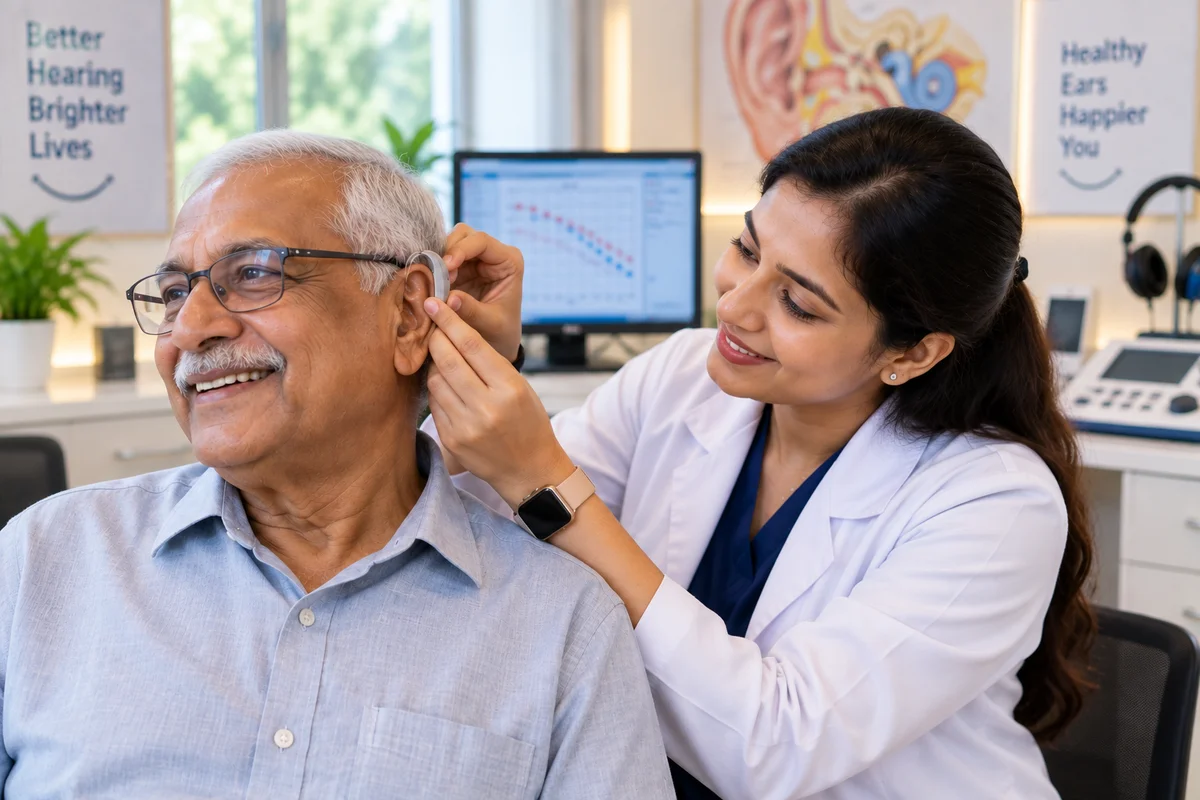
These advanced ear machines allow audiologists to fine-tune settings using computer software, ensuring precise sound calibration according to the user’s hearing test results. Many models also include rechargeable batteries, app connectivity, and noise-adaptive technology.
Signs You May Need a Hearing Aid
Many people delay getting a hearing evaluation because hearing loss often develops gradually. Common signs include:
Frequently asking others to repeat themselves
Difficulty understanding conversations in noisy places
Turning up the television or phone volume louder than usual
Feeling like people are mumbling
Struggling to hear on phone calls
Withdrawing from social situations due to communication difficulty
If you notice any of these signs, it is advisable to consult a qualified audiologist for a complete hearing assessment.
Benefits of Using an Ear Machine for Hearing
Wearing a properly fitted hearing aid can significantly improve quality of life. Some key benefits include:
Improved Communication: Clearer understanding of speech, even in group settings or noisy environments.
Better Relationships: Reduces frustration and misunderstandings with family, friends, and colleagues.
Enhanced Safety: Helps in hearing alarms, vehicles, and warning sounds, reducing accident risks.
Cognitive Health: Untreated hearing loss has been linked to memory issues and cognitive decline; timely intervention supports brain health.
Increased Confidence: Encourages active participation in social and professional environments.
Emotional Well-being: Reduces feelings of isolation, anxiety, and depression often associated with hearing difficulties.
How to Choose the Right Ear Machine for Hearing
Selecting the ideal hearing aid involves more than picking a device off the shelf. Consider the following factors:
Degree of Hearing Loss: A proper audiometric test determines whether your hearing loss is mild, moderate, severe, or profound.
Lifestyle Needs: Active individuals may benefit from devices with noise cancellation and Bluetooth streaming, while others may prioritize simplicity and battery life.
Comfort and Fit: The device should sit comfortably without causing irritation, especially for all-day wear.
Budget: Hearing aids range from basic analog models to advanced digital devices; a professional can help match your budget with suitable features.
Aftercare Support: Choose a clinic that offers fitting adjustments, maintenance, and follow-up care.
Cost of Ear Machines for Hearing
The price of hearing aids varies widely based on technology level, brand, and features. Basic models are more affordable, while premium digital devices with rechargeable batteries, smartphone integration, and AI-based noise filtering cost more. It’s important to consult with a certified audiologist rather than purchasing a device without a professional assessment, as an incorrectly fitted hearing aid may not provide the desired improvement and could potentially cause discomfort.
Caring for Your Hearing Aid
To ensure long-term performance, proper maintenance is essential:
Clean the device daily with a soft, dry cloth
Keep it away from moisture and extreme heat
Store in a dry, protective case when not in use
Replace batteries or charge regularly as recommended
Schedule periodic check-ups with your audiologist for recalibration
Why Choose VR Speech and Hearing Clinic
At VR Speech and Hearing Clinic, we understand that every individual’s hearing needs are unique. Our team of experienced audiologists conducts comprehensive hearing evaluations, recommends suitable ear machines for hearing, and provides ongoing support for fitting, programming, and maintenance. We are committed to helping our patients rediscover the joy of clear hearing through personalized care and advanced technology.
If you or a loved one is experiencing hearing difficulties, don’t wait. Early intervention leads to better outcomes and a significantly improved quality of life.
Conclusion
An ear machine for hearing is more than just a device; it’s a gateway to better communication, stronger relationships, and improved mental well-being. With various types available today, from nearly invisible in-canal models to advanced digital hearing aids, there is a suitable solution for every degree of hearing loss and lifestyle. Consulting with a trusted clinic ensures you receive the right guidance, accurate fitting, and long-term support for healthy hearing.
Frequently Asked Questions (FAQs)
Q1: What is an ear machine for hearing called medically?
It is medically referred to as a hearing aid, an electronic device designed to amplify sound for individuals with hearing loss.
Q2: At what age can a person start using a hearing aid?
Hearing aids can be used at any age, including infants and young children, provided a proper diagnosis confirms hearing loss.
Q3: How long does a hearing aid last?
With proper care, a hearing aid typically lasts between five to seven years before requiring replacement or upgrade.
Q4: Can hearing aids restore hearing completely?
Hearing aids do not cure hearing loss but significantly improve the ability to hear and understand sounds and speech.
Q5: Is it necessary to wear hearing aids in both ears?
In cases of hearing loss in both ears, wearing two hearing aids provides better sound balance, direction, and clarity compared to using just one.
Q6: How do I know which hearing aid is right for me?
A comprehensive hearing test conducted by a certified audiologist helps determine the most suitable type and model based on your specific hearing loss and lifestyle.
Q7: Do hearing aids work in noisy environments?
Yes, modern digital hearing aids include noise reduction and directional microphone technology to improve speech clarity even in noisy settings.