Rechargeable Hearing Aids with Long Battery Life
Rechargeable Hearing Aids with Long Battery Life: A Complete Guide
If you wear hearing aids, you know the frustration of a dead battery at the wrong moment. Tiny disposable batteries run out in the middle of a family dinner, a phone call, or a morning walk, and replacing them is fiddly, especially for people with limited dexterity or poor eyesight. This is why rechargeable hearing aids with long battery life have become one of the most popular choices at VR Speech and Hearing Clinic.
This guide explains how rechargeable hearing aids work, how long they really last, what features to compare, and how to decide whether they suit your lifestyle and hearing needs.
What Are Rechargeable Hearing Aids?
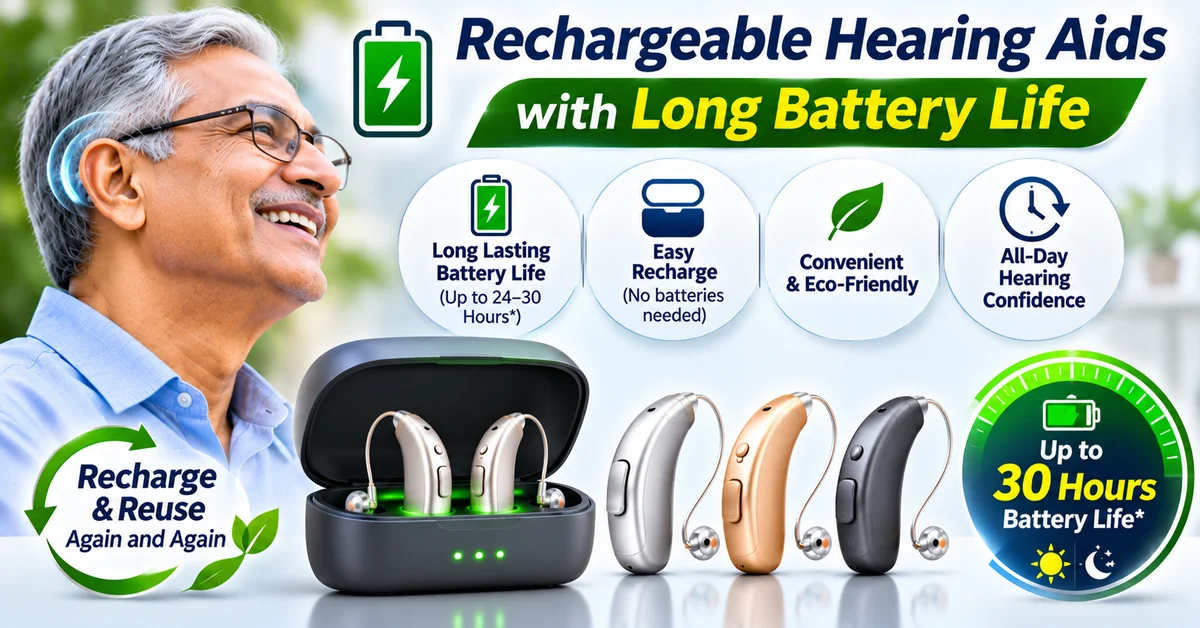
Rechargeable hearing aids use a built-in or removable battery that you charge overnight, much like a smartphone or wireless earbuds. Instead of buying and changing tiny zinc-air batteries every few days, you place the devices in a small charging case at bedtime and wear them fully powered the next day.
Most modern rechargeable models use one of two battery types:
Lithium-ion batteries are sealed inside the device. They offer high energy capacity, fast charging, and consistent power throughout the day. These are the most common option in premium and mid-range devices.
Silver-zinc batteries are removable rechargeable cells. They can be swapped out when they wear down, and some can even be replaced with regular disposable batteries in an emergency.
Your audiologist can explain which system suits your hearing aid style and daily routine.
How Long Do Rechargeable Hearing Aids Last on One Charge?
Battery life depends on the model, your hearing loss, and how you use the devices. Many rechargeable hearing aids provide around 16 to 30 hours on a single full charge. That comfortably covers a full day of wear for most people, including the evening.
Several factors affect how long a charge lasts:
Wireless streaming: Streaming calls, music, or TV audio drains the battery faster than regular listening.
Hearing loss level: Stronger amplification for more severe loss uses more power.
Noise management features: Advanced processing, directional microphones, and noise reduction use extra energy.
Tinnitus masking: Running sound therapy features throughout the day can shorten battery life.
Device age: Like any rechargeable battery, capacity gradually declines over the years.
If you are a heavy streamer or have a long active day, ask about models designed for extended battery performance.
How Long Does the Battery Itself Last Over Time?
Beyond daily battery life, there is the question of how many years the battery will last before it needs service. Lithium-ion batteries in hearing aids are generally designed to last several years, often around four to six years with normal use, though results vary by brand and care. Because they are sealed, replacement is typically handled by the clinic or manufacturer.
Silver-zinc batteries tend to need replacement more often, but you can usually swap them yourself.
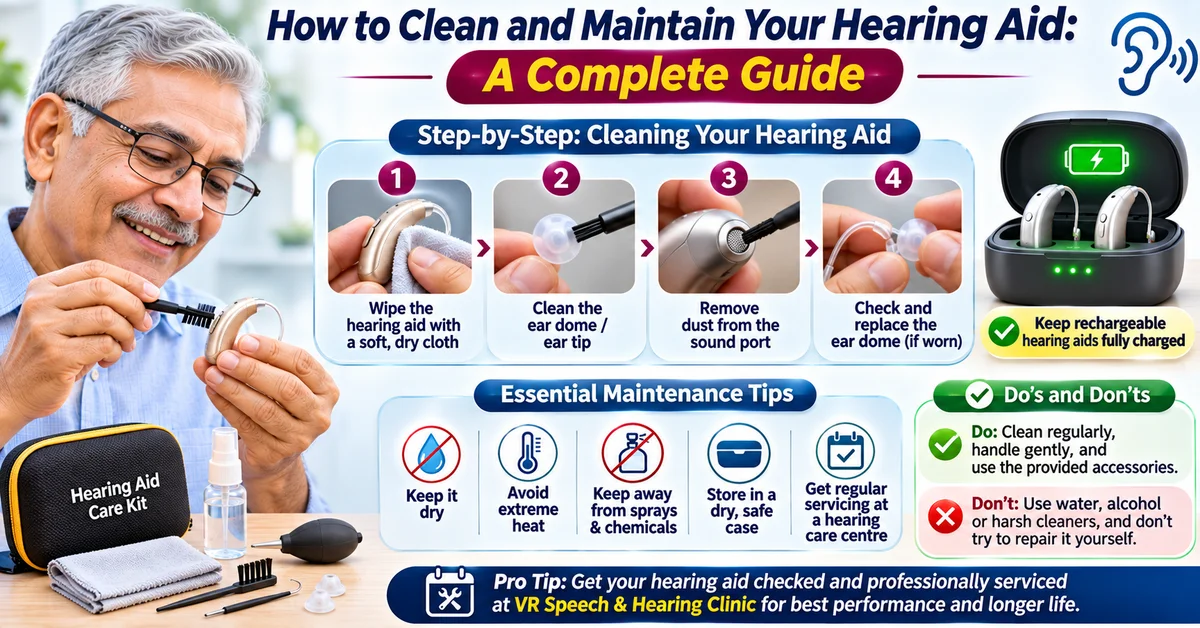
Proper care helps either type last longer. Charging nightly, keeping devices dry, avoiding extreme heat, and using the original charger all protect battery health.
Benefits of Rechargeable Hearing Aids
1. Convenience and Simplicity
Dropping your hearing aids into a charger each night is easier than handling tiny batteries. There are no packets to carry, no small parts to drop, and no guessing when a battery will die.
2. Easier for Seniors and Those with Dexterity Issues
For people with arthritis, tremors, or vision problems, changing small batteries can be difficult. Rechargeable devices remove that challenge and make hearing aid ownership far more comfortable.
3. Lower Long-Term Cost and Less Waste
Disposable batteries add up. A regular wearer can go through well over a hundred batteries a year. Rechargeable systems reduce that ongoing spending and cut down on battery waste, which is better for the environment.
4. Reliable All-Day Power
Modern rechargeable hearing aids are built to deliver steady power from morning to night, so you are less likely to experience sudden sound drop-off.
5. Better Moisture Resistance
Because rechargeable devices have no battery door, many are sealed more tightly, offering improved protection against dust, sweat, and moisture.
6. Portable Charging Options
Many charging cases hold extra power themselves, so you can recharge on the go, during travel, or when you do not have access to a wall socket.
Are There Any Drawbacks?
An honest comparison is important. Rechargeable hearing aids do have a few considerations:
You must remember to charge them every night.
During a power cut or long trip, you need access to a charger or a charged portable case.
Sealed lithium-ion batteries cannot be swapped by the wearer.
The upfront price can be slightly higher than basic battery-operated models.
For most people, the convenience far outweighs these points, but your audiologist can help you weigh them against your lifestyle.
Features to Look For in Long-Life Rechargeable Hearing Aids
When comparing rechargeable hearing aids, look beyond battery life alone. The best choice balances power, sound quality, and comfort.
Fast charging: Some models give several hours of use after a short charge, which helps if you forget to charge overnight.
Charging case with backup power: A portable case can provide multiple full charges away from home.
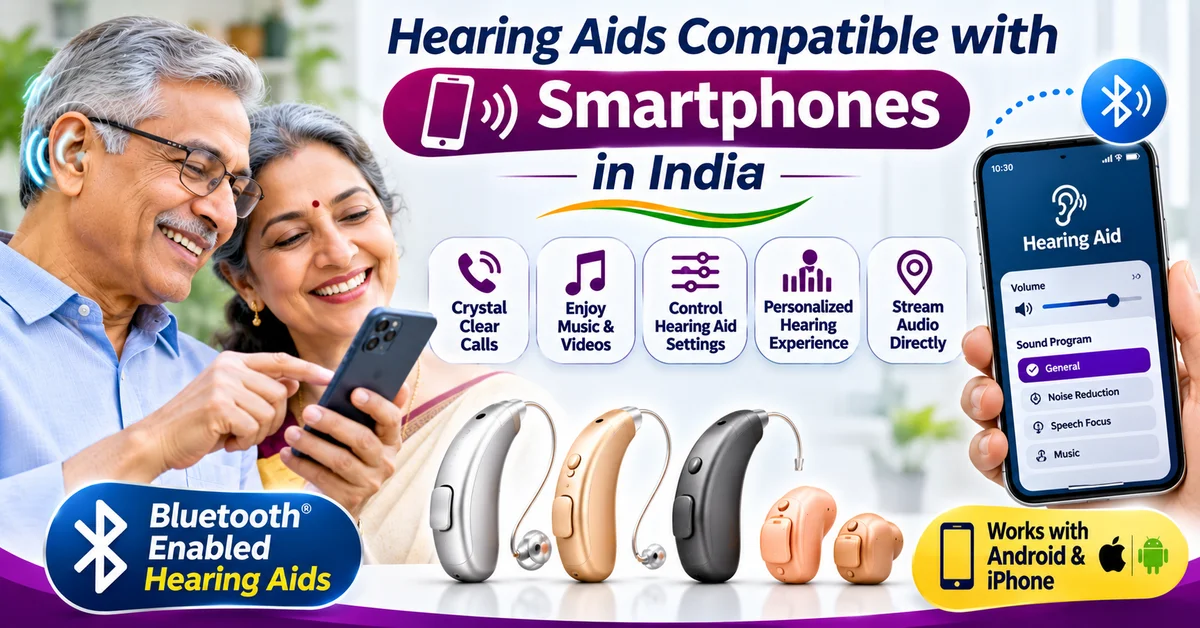
Bluetooth connectivity: Direct streaming from smartphones, TVs, and tablets improves daily life, so check how it affects battery runtime.
Noise reduction and speech clarity: Good processing helps you follow conversations in restaurants, markets, and busy public places.
Water and dust resistance: An IP rating shows how well the device handles sweat, humidity, and dust.
Size and style: Rechargeable options exist in behind-the-ear, receiver-in-canal, and some in-the-ear designs, so you can choose comfort and discretion.
Tinnitus support: If you experience ringing in the ears, select a model with built-in sound therapy options.
Warranty and service: Check what the warranty covers for the battery and the device.
Who Are Rechargeable Hearing Aids Best For?
Rechargeable hearing aids suit a wide range of people, including:
Seniors who want simple daily handling
Busy professionals who rely on clear phone and video calls
People with arthritis or reduced finger strength
Active users who want worry-free all-day wear
Environmentally conscious users who prefer less battery waste
First-time hearing aid wearers who want an easy start
That said, certain situations may favor traditional batteries, such as very frequent travel to areas with limited electricity or a need for the lowest-cost option. A professional assessment is the best way to decide.
Tips to Get the Longest Battery Life
A few simple habits help you get more from your devices:
Charge them every night, even if they are not fully drained.
Keep the charging contacts clean and dry.
Turn the devices off or place them in the charger when not in use.
Avoid leaving them in hot cars or direct sunlight.
Limit unnecessary streaming when you need to stretch the battery.
Use only the charger supplied or recommended for your model.
Attend regular check-ups so your audiologist can inspect performance and battery condition.
Why Choose VR Speech and Hearing Clinic?
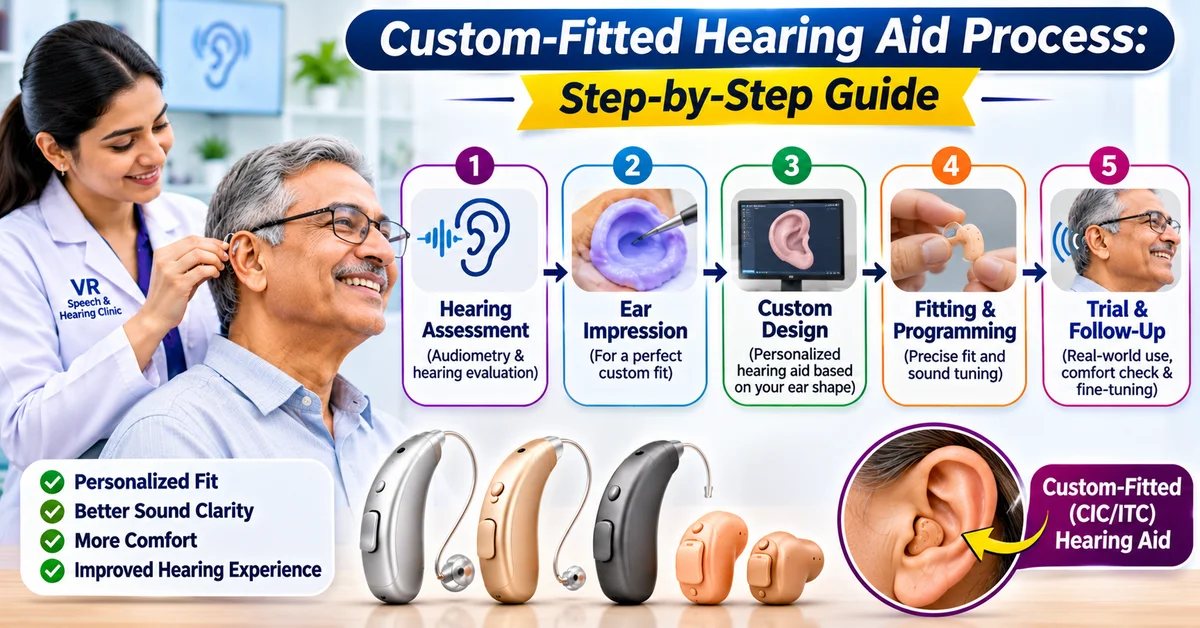
Choosing hearing aids is not just about specifications. The right device depends on your hearing test results, listening environments, lifestyle, and comfort. At VR Speech and Hearing Clinic, the focus is on personalized care from the first hearing evaluation to long-term follow-up.
Here is what you can expect:
Comprehensive hearing assessment to understand your exact type and degree of hearing loss
Honest guidance on rechargeable and battery-operated options, with no pressure
Trial and fitting support so you can experience the sound in real-world settings
Fine-tuning and programming matched to your hearing profile and daily routine
Counseling on battery care and charging habits so your devices perform reliably
Ongoing follow-up and maintenance to keep your hearing aids working well for years
Our goal is to help you hear clearly, comfortably, and confidently, with technology that fits easily into your life.
Final Thoughts
Rechargeable hearing aids with long battery life offer a smarter, simpler way to stay connected to the people and sounds you love. With all-day power, easy overnight charging, and fewer small parts to manage, they remove many of the everyday frustrations of traditional hearing aids.
The best way to find the right model is to start with a professional hearing evaluation. If you are ready to explore rechargeable options, book an appointment with VR Speech and Hearing Clinic and take the first step toward better hearing.
Frequently Asked Questions (FAQs)
1. How long do rechargeable hearing aids last on a single charge?
Most rechargeable hearing aids last roughly 16 to 30 hours per full charge, depending on the model, streaming use, and your level of hearing loss.
2. How many years do rechargeable hearing aid batteries last?
Lithium-ion batteries commonly last around four to six years with proper care, while removable silver-zinc batteries usually need replacing sooner.
3. Can I use rechargeable hearing aids if the power goes out?
Yes, if you have a charged portable charging case or a power bank. Some models also allow limited use after a short fast charge.
4. Are rechargeable hearing aids better than battery-operated ones?
They are more convenient and often more cost-effective over time, especially for seniors. Battery-operated models may suit people who travel to areas with limited power access.
5. Do rechargeable hearing aids cost more?
They can cost slightly more upfront, but you save money by not buying disposable batteries regularly.
6. Can rechargeable hearing aids be used for severe hearing loss?
Many rechargeable models support mild to severe hearing loss. A hearing evaluation will confirm the right power level for you.
7. How long does it take to charge hearing aids?
Most take around three to four hours for a full charge, and many offer fast-charge options that deliver several hours of use in a short time.
8. How do I make my hearing aid battery last longer?
Charge nightly, keep contacts clean, avoid heat and moisture, and reduce heavy streaming when you need extra runtime.