Hearing Aids for Ringing in the Ears: How They Work and Who Benefits
Hearing Aids for Ringing in the Ears: How They Work and Who Benefits
A constant buzz, hiss, or ringing in your ears can make quiet rooms feel unbearable and nights feel endless. If you are searching for hearing aids for ringing in the ears, you are not alone. Tinnitus affects millions of people worldwide, and a large share of them also have some degree of hearing loss. The encouraging news is that modern hearing aids can bring real, noticeable relief. At VR Speech and Hearing Clinic, we help people manage tinnitus every day. This guide explains what causes ringing in the ears, how hearing aids help, which features matter most, and what to expect from treatment.
What Is Ringing in the Ears?
Ringing in the ears, medically called tinnitus, is the perception of sound when no outside sound is present. People describe it as ringing, buzzing, humming, clicking, or whooshing. It may be constant or occasional, soft or loud, and it can affect one ear or both. Tinnitus is a symptom, not a disease. Common triggers include age-related hearing loss, long exposure to loud noise, earwax blockage, ear infections, certain medicines, and stress. In most cases, tinnitus is linked to damage or changes in the hearing system. When the inner ear sends weaker signals to the brain, the brain may turn up its own sensitivity and create phantom sound. That is why treating the underlying hearing loss is often a key step in tinnitus relief.
Can Hearing Aids Help With Ringing in the Ears?
Yes, for many people they can. Hearing aids are not a cure for tinnitus, but they are one of the most effective and practical tools for managing it, especially when hearing loss is present. Research and clinical experience show that a significant number of hearing aid users notice their tinnitus becomes less noticeable or less bothersome once they start wearing devices consistently. For some, the ringing fades into the background during the day. For others, it becomes easier to ignore because the brain finally receives the sounds it has been missing. The level of relief varies from person to person, which is why a proper evaluation matters before choosing any device.
How Hearing Aids Reduce Tinnitus Symptoms
Hearing aids help ringing in the ears in several ways, often at the same time.
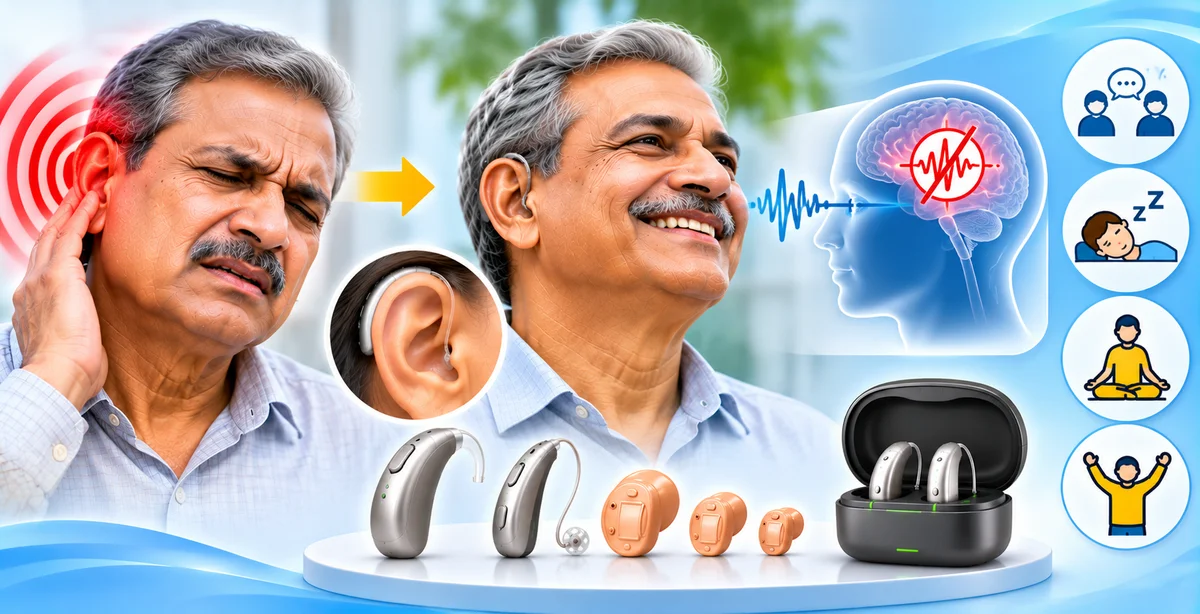
Restoring everyday sound. When hearing loss makes the world quieter, tinnitus becomes louder by comparison. Hearing aids amplify speech, footsteps, traffic, and household noise, which gives the brain natural sound to focus on and reduces the contrast with the ringing.
Sound masking. Many modern hearing aids include built-in tinnitus sound options, such as soft white noise, ocean waves, or gentle tones. These sounds partly cover the ringing and make it less intrusive, especially in quiet rooms and at bedtime.
Retraining the brain. Over time, steady sound exposure supports habituation, a process in which the brain learns to treat tinnitus as unimportant background noise. This is the principle behind tinnitus retraining therapy.
Easier communication, less stress. Struggling to hear conversations creates tension, and stress is known to make tinnitus feel worse. Clearer hearing lowers listening effort, improves confidence, and can break the stress and tinnitus cycle.
Features to Look for in Hearing Aids for Tinnitus
Not every hearing aid is designed with tinnitus in mind. When comparing hearing aids for tinnitus, ask your audiologist about these features:
Built-in tinnitus therapy sounds. Look for devices with adjustable sound generators that can be tuned to your preferred tone, volume, and pattern.
Fully customizable programming. Your audiologist should be able to match amplification to your exact hearing test results, since the pitch of your tinnitus often matches the pitch you struggle to hear.
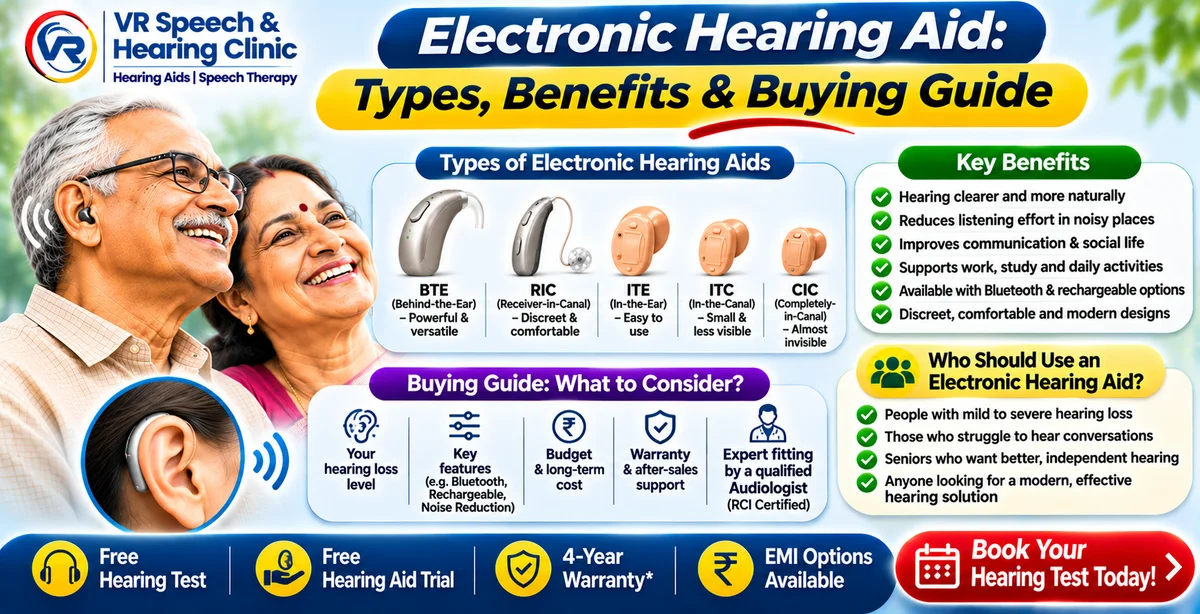
Open-fit or receiver-in-canal designs. These styles keep the ear canal comfortable and natural, which many people with tinnitus find more pleasant.
Bluetooth streaming. Streaming music, podcasts, or relaxation audio directly to your hearing aids gives you flexible sound therapy options anywhere.
Smartphone app control. Apps let you change sound programs and volume discreetly throughout the day.
Rechargeable batteries. Reliable, easy daily charging helps you wear your devices consistently, and consistent use is essential for results.
Who Is a Good Candidate for Tinnitus Hearing Aids?
You may be a good candidate if you have tinnitus along with even a mild hearing loss. This includes people who ask others to repeat themselves, turn the television up high, or find noisy restaurants difficult. Even if you believe your hearing is fine, a full hearing test can reveal high-frequency loss that you have not noticed. Hearing aids are less likely to help when tinnitus occurs with completely normal hearing, although sound therapy devices and counseling can still provide meaningful relief. A thorough assessment is the only reliable way to know which path suits you.
Beyond Hearing Aids: A Complete Tinnitus Management Plan
The best results usually come from combining hearing aids with other supportive strategies. Tinnitus counseling helps you understand your condition and reduces fear around it. Cognitive behavioral therapy can ease the anxiety, frustration, and sleep problems that often come with persistent ringing. Sound therapy, such as a bedside sound machine or a pillow speaker, offers relief at night. Simple lifestyle habits also matter: limit caffeine and alcohol if they worsen your symptoms, protect your ears from loud noise, manage stress through breathing or gentle exercise, and keep a consistent sleep routine. Think of hearing aids as the foundation of your plan, with these tools building on top.
When Ringing in the Ears Needs Urgent Attention
Most tinnitus is not dangerous, but some patterns need prompt medical care. See a doctor or ear specialist right away if your ringing appears suddenly in one ear, comes with sudden hearing loss, dizziness, or facial weakness, or beats in time with your pulse. These signs can point to conditions that need medical treatment, and early action gives the best outcome. A good audiologist will screen for these warning signs and refer you to a physician whenever needed.
Why Choose VR Speech and Hearing Clinic for Tinnitus Care
Choosing the right hearing aids for ringing in the ears is about more than picking a device. It requires a careful hearing test, an honest conversation about your symptoms, and precise programming. At VR Speech and Hearing Clinic, our team takes time to understand how tinnitus affects your sleep, work, and relationships. We recommend technology that fits your hearing profile, lifestyle, and budget, and we support you with follow-up visits, fine-tuning, and counseling so your devices keep working for you. Our goal is simple: help you hear better, feel calmer, and get your quiet back.
Take the First Step Toward Relief
Living with constant ringing is exhausting, but you do not have to face it alone. Hearing aids for ringing in the ears can ease the sound, improve your hearing, and help you return to the activities you enjoy. Early treatment often leads to easier adjustment, so do not wait for the ringing to become a daily burden. Book a hearing and tinnitus assessment at VR Speech and Hearing Clinic today. Our specialists will test your hearing, explain your options in plain language, and build a personalized plan that fits your needs. Relief may be closer than you think, and it can start with one simple appointment.
FAQs
1. Can hearing aids stop ringing in the ears completely?
Hearing aids are not a cure for tinnitus, but they can make it much less noticeable. Some people find the ringing nearly disappears while they wear their devices, while others experience partial relief. Results depend on your type of hearing loss, your tinnitus, and how well the devices are programmed.
2. Which type of hearing aid is best for tinnitus?
There is no single best style. Receiver-in-canal and open-fit models with built-in tinnitus sound therapy are popular choices. The right option depends on your hearing test results, lifestyle, and comfort, so an audiologist should guide the decision.
3. How long does it take to notice relief from tinnitus with hearing aids?
Some people feel relief within days, simply because everyday sounds return. For long-term habituation, it can take several weeks to a few months of regular daily use. Consistency is the most important factor.
4. Can I use hearing aids for tinnitus if my hearing is normal?
Hearing aids are mainly recommended when some hearing loss is present. If your hearing is normal, sound therapy devices, counseling, and relaxation strategies may be better suited to your needs.
5. Can hearing aids make tinnitus worse?
Properly fitted hearing aids rarely worsen tinnitus. Devices that are poorly programmed or set too loud can cause discomfort, so follow-up visits and fine-tuning are important. If your tinnitus feels worse after fitting, contact your audiologist for an adjustment.
6. Are hearing aids for ringing in the ears expensive?
Prices vary by technology level, features, and style. Many cost-effective options include tinnitus sound therapy. A clinic can explain the choices at different budgets and help you choose a device that suits your needs.