Why Children Need Regular Hearing Monitoring
Why Children Need Regular Hearing Monitoring
Hearing is one of the most important senses a child develops, yet it is often the most overlooked when it comes to routine health checkups. Parents are quick to schedule dental visits, eye exams, and pediatric checkups, but hearing screenings frequently fall to the bottom of the priority list. This oversight can have long-lasting consequences, because hearing plays a foundational role in speech development, language acquisition, social skills, and academic success. At VR Speech and Hearing Clinic, we see firsthand how early detection of hearing issues can change the entire trajectory of a child's development. This article explores why regular hearing monitoring is essential for children, what warning signs parents should watch for, and how proactive care can prevent long-term setbacks.
The Link Between Hearing and Early Development
During the first few years of life, a child's brain is rapidly wiring itself to process sound, language, and speech. This critical window of development means that even a mild or temporary hearing loss can interfere with how a child learns to talk, understand instructions, and interact with others. Children absorb language by listening to the people around them, and if their hearing is compromised, even slightly, they may miss subtle sounds, mispronounce words, or fall behind their peers in vocabulary growth.
Unlike adults, children often cannot articulate that something is wrong with their hearing. They may not realize that what they are experiencing is different from normal hearing, since they have nothing to compare it to. This is precisely why regular, professional hearing monitoring becomes so important. Parents and caregivers may not notice subtle hearing loss until it has already begun to affect speech patterns, behavior, or academic performance.
Common Causes of Hearing Loss in Children
Hearing loss in children can stem from a variety of causes, some congenital and some acquired during early childhood. Understanding these causes helps parents recognize the importance of ongoing monitoring rather than a single newborn screening.
Congenital factors include genetic conditions, complications during pregnancy or birth, and premature birth. Some children are born with structural differences in the ear that affect how sound is processed, while others may have inherited conditions that lead to progressive hearing loss over time.
Acquired causes are equally significant and can occur well after birth. Frequent ear infections, particularly recurrent middle ear infections known as otitis media, are among the leading causes of temporary and sometimes permanent hearing loss in young children. Fluid buildup behind the eardrum can dull sound perception for weeks or months at a time, even without obvious symptoms of pain or illness.
Exposure to loud noises, whether from toys, headphones, concerts, or environmental sources, can also damage delicate structures within the ear. Additionally, certain childhood illnesses, high fevers, and even some medications have been linked to hearing changes. Because these causes can emerge at any point during childhood, a single hearing test at birth is not enough to guarantee healthy hearing throughout a child's growth.
Signs Parents Should Never Ignore
Many hearing issues in children develop gradually, which makes them easy to miss without professional evaluation. However, there are behavioral and developmental signs that may indicate a hearing concern requiring attention.
Parents should pay attention if a child does not respond consistently to their name being called, seems to need the television or tablet volume turned up unusually high, or frequently asks people to repeat themselves. Delayed speech development, unclear pronunciation, or a noticeable gap between a child's vocabulary and that of their peers can also be red flags. In social settings, a child with undiagnosed hearing loss might appear inattentive, easily frustrated, or withdrawn, which is sometimes mistaken for a behavioral or attention issue rather than a hearing problem.
Academic struggles can also point back to hearing difficulties. A child who has trouble following classroom instructions, seems distracted during group activities, or performs inconsistently on tests despite understanding the material at home may be struggling to hear clearly in a noisy classroom environment. Recognizing these signs early and consulting a specialist at a clinic such as VR Speech and Hearing Clinic can prevent months or years of unnecessary struggle.
Why a One-Time Hearing Test Isn't Enough
Many parents assume that because their child passed a newborn hearing screening, their hearing is permanently confirmed to be healthy. While newborn screenings are valuable for catching congenital hearing loss early, they cannot predict or detect issues that develop later in childhood. Hearing can change due to illness, injury, chronic ear infections, or gradual noise exposure, meaning a child who had normal hearing at birth could develop hearing difficulties by age three, seven, or even during the teenage years.
This is why hearing specialists recommend periodic monitoring throughout childhood, not just a single test at birth or during a school screening. Regular evaluations allow audiologists to track subtle changes over time, catch progressive conditions before they worsen, and adjust interventions as a child grows. Just as vision can change gradually and require updated prescriptions, hearing ability can shift in ways that are only detectable through consistent professional assessment.
The Impact of Untreated Hearing Loss
When hearing loss goes undetected or unaddressed, the consequences extend far beyond simply missing sounds. Speech and language delays are among the most immediate effects, as children rely on clear auditory input to learn how words are formed and used. Over time, these delays can affect reading and writing skills, since phonemic awareness, the ability to recognize and manipulate sounds in language, is closely tied to early hearing experiences.
Socially, children with unaddressed hearing difficulties may struggle to keep up with conversations, follow group play, or understand humor and tone, which can lead to isolation or lowered self-esteem. Academically, undiagnosed hearing loss is sometimes mistaken for learning disabilities or attention disorders, leading to inappropriate interventions that do not address the root cause. The earlier a hearing issue is identified, the more effectively it can be managed, whether through medical treatment, hearing aids, speech therapy, or classroom accommodations.
How Often Should Children's Hearing Be Checked?
While every child's needs are different, hearing specialists generally recommend a structured schedule of monitoring. Newborns should undergo an initial hearing screening within the first month of life. Infants and toddlers who pass this screening should still have their hearing checked during regular pediatric visits, as recurrent ear infections are common in this age group.
As children enter preschool and early elementary school, periodic hearing evaluations become especially important because this is when speech and language skills are rapidly developing and academic demands increase. School-age children should ideally have their hearing checked at least once during early elementary years and again if any concerns arise, such as frequent colds, ear infections, or noticeable changes in responsiveness. Children with a family history of hearing loss, those who have had chronic ear infections, or those exposed to loud environments may need more frequent monitoring, sometimes annually, as recommended by an audiologist.
The Role of Professional Hearing Clinics
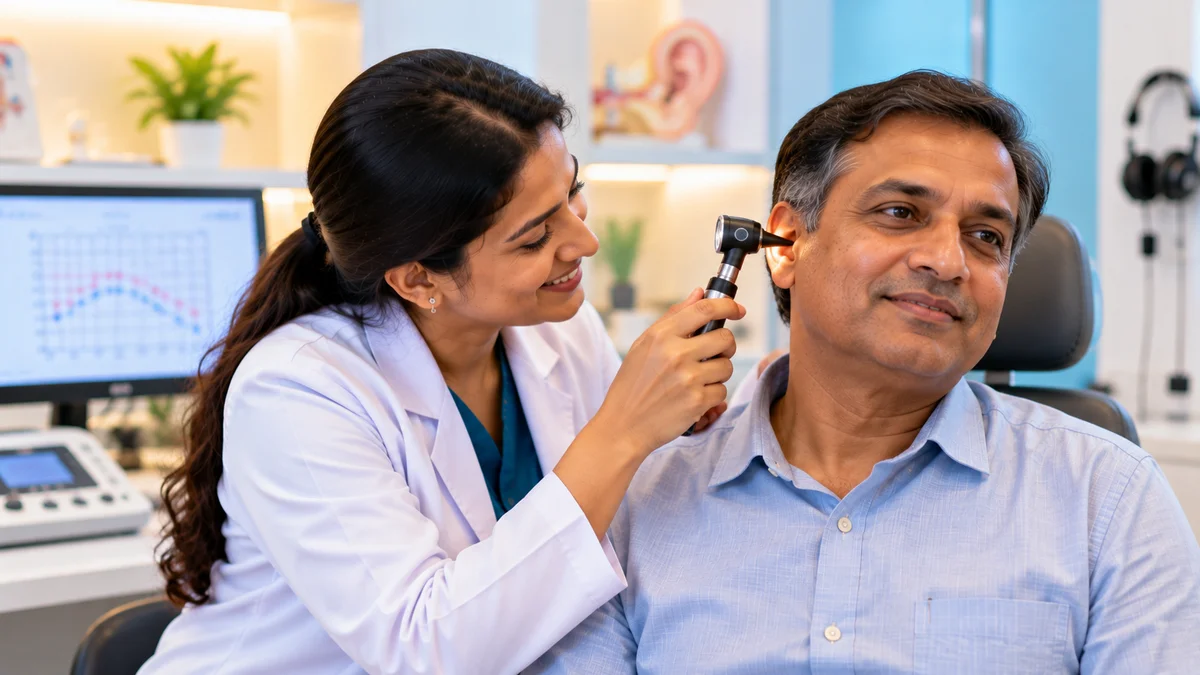
Comprehensive hearing evaluations go beyond a simple screening. A professional clinic uses specialized equipment and trained audiologists to assess different aspects of hearing, including the ability to detect various pitches and volumes, how well the middle ear is functioning, and whether any structural issues are present. At VR Speech and Hearing Clinic, evaluations are tailored to a child's age and developmental stage, ensuring accurate results even for very young or nonverbal children.
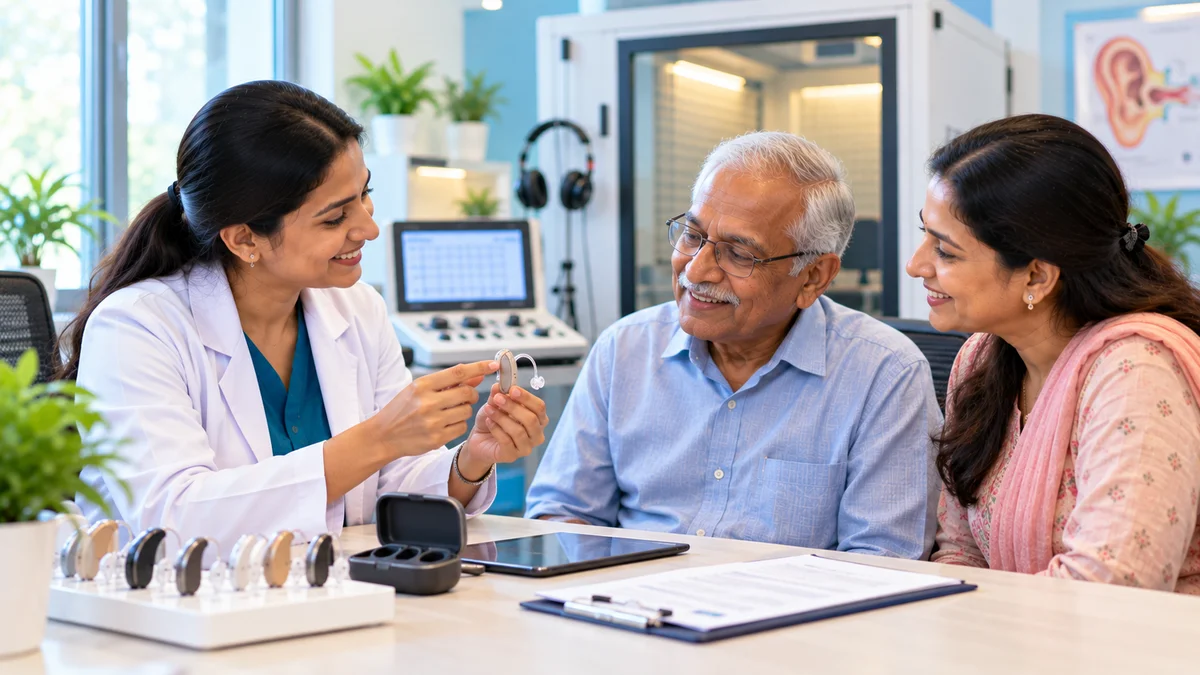
Beyond diagnosis, professional clinics also play a crucial role in ongoing management. If a hearing issue is detected, early intervention services such as speech therapy, hearing aid fitting, or referrals to specialists can be coordinated promptly. This integrated approach ensures that children receive not just a diagnosis, but a clear path forward to support their communication and learning needs.
Practical Tips for Parents
Parents can take an active role in protecting their child's hearing health between professional checkups. Limiting exposure to loud noises, using volume-limiting headphones for devices, and treating ear infections promptly rather than letting them linger are simple but effective steps. Keeping a record of any illnesses, ear infections, or developmental milestones can also help audiologists identify patterns during evaluations.
Equally important is trusting parental instinct. If something feels off about how a child is responding to sound, speaking, or engaging socially, it is always worth scheduling a professional evaluation rather than waiting to see if the issue resolves on its own. Early consultation, even when concerns turn out to be minor, provides peace of mind and establishes a baseline for future comparisons.
Conclusion
A child's ability to hear clearly shapes nearly every aspect of their early development, from learning to speak to forming friendships and succeeding in school. Because hearing loss can be subtle, gradual, or entirely invisible to the untrained eye, regular monitoring is essential rather than optional. Waiting for obvious symptoms to appear often means valuable developmental time has already been lost. By prioritizing consistent hearing checkups, parents give their children the best possible foundation for communication, learning, and social growth. VR Speech and Hearing Clinic remains committed to supporting families through every stage of this journey, offering thorough evaluations and compassionate guidance to ensure no child's hearing concern goes unnoticed.
Frequently Asked Questions
1. At what age should a child have their first hearing test?
Every newborn should undergo a hearing screening within the first month of life. Even if they pass, follow-up checks during infancy and early childhood are recommended.
2. Can hearing loss develop after a child passes their newborn screening?
Yes. Ear infections, illnesses, noise exposure, and certain genetic conditions can cause hearing loss to develop later, which is why ongoing monitoring is necessary.
3. What are the early signs of hearing loss in toddlers?
Common signs include not responding to their name, delayed speech, unclear pronunciation, needing higher volume on devices, and frequent requests for repetition.
4. How often should school-age children get their hearing checked?
Most children should be evaluated at least once in early elementary school, with more frequent checks if they have recurring ear infections or a family history of hearing loss.
5. Can untreated hearing loss affect a child's academic performance?
Yes. Undetected hearing loss can lead to difficulty following instructions, delayed reading skills, and behavior that is sometimes mistaken for attention or learning disorders.
6. Is temporary hearing loss from ear infections a serious concern?
Repeated or prolonged ear infections can cause fluid buildup that dulls hearing for extended periods, potentially affecting speech and language development if left untreated.
7. What happens during a professional hearing evaluation at a clinic?
An audiologist assesses how a child responds to different pitches and volumes, checks middle ear function, and evaluates for any structural or developmental concerns using specialized equipment.