Who is an Audiologist and How Do They Differ from an ENT?
Who is an Audiologist?
An audiologist is a healthcare professional who specializes in diagnosing, managing, and treating hearing, balance, and related ear disorders. Audiologists are trained to identify hearing loss in people of all ages, from newborns to the elderly, and they play a key role in fitting hearing aids, conducting hearing tests, and offering rehabilitation for auditory and balance issues. Unlike surgeons, audiologists do not perform surgery. Instead, they focus on non-surgical evaluation and management of hearing and communication problems.
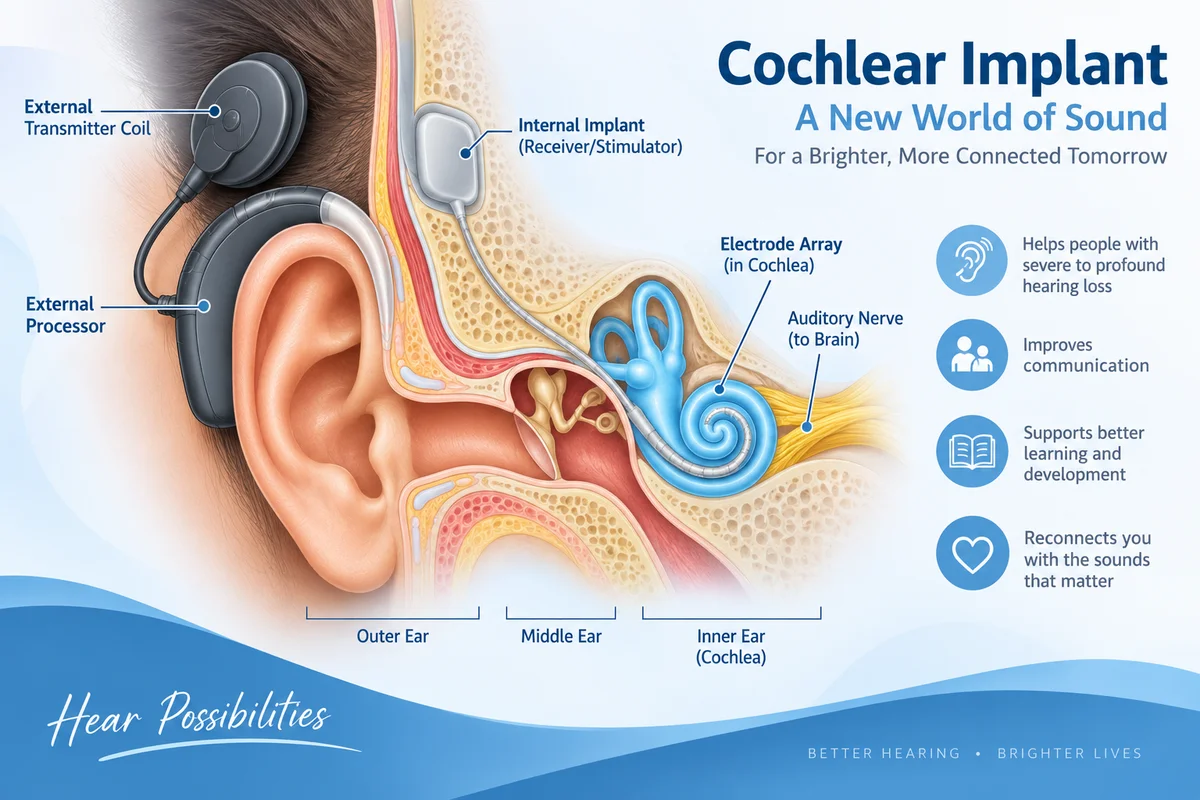
Audiologists typically hold a specialized degree in audiology and undergo extensive clinical training to understand how the human ear and auditory system work. Their scope of practice includes conducting hearing assessments, tinnitus management, balance testing, cochlear implant mapping, and pediatric hearing evaluations. They often work closely with speech-language pathologists and ENT doctors to provide comprehensive care for patients with hearing and communication difficulties.
Who is an ENT Specialist?
ENT stands for Ear, Nose, and Throat, and an ENT specialist, also known as an otolaryngologist, is a medical doctor trained to diagnose and treat diseases and disorders affecting the ear, nose, throat, and related structures of the head and neck. ENT doctors complete medical school along with specialized surgical training, which allows them to perform surgeries such as tonsillectomies, sinus surgeries, and ear surgeries, in addition to prescribing medications.
While audiologists focus specifically on hearing and balance, ENT specialists address a much broader range of conditions, including sinus infections, throat disorders, nasal problems, and structural issues within the ear that may require surgical correction.
Key Differences Between an Audiologist and an ENT
The primary difference lies in their scope of practice and training. An audiologist specializes exclusively in hearing, balance, and auditory rehabilitation and does not perform surgery. An ENT, on the other hand, is a medical doctor who can diagnose and surgically treat conditions across the ear, nose, and throat region.
Another key difference is the type of care each provides. Audiologists conduct detailed hearing tests, recommend and fit hearing aids, and manage conditions like tinnitus and auditory processing disorders through non-invasive methods. ENTs handle medical and surgical treatment for infections, structural abnormalities, growths, or injuries affecting the ear, nose, or throat.
In many cases, these two specialists work together. For example, if a patient visits an ENT with hearing loss, the ENT may refer them to an audiologist for a detailed hearing evaluation. Similarly, if an audiologist identifies a medical condition requiring treatment or surgery, such as chronic ear infections or structural abnormalities, they may refer the patient to an ENT specialist.
When Should You See an Audiologist?
You should consider visiting an audiologist if you are experiencing difficulty hearing conversations, ringing or buzzing in the ears, balance issues, or if you need a hearing aid evaluation. Audiologists are also the right choice for newborn hearing screenings and pediatric hearing assessments.
When Should You See an ENT?
You should visit an ENT specialist if you have ear pain, recurring ear infections, sinus problems, nasal blockages, throat infections, or if you require surgical evaluation for any ear, nose, or throat condition.
Comprehensive Hearing and ENT Care at VR Speech and Hearing Clinic
At VR Speech and Hearing Clinic, our team of experienced audiologists provides thorough hearing evaluations, hearing aid fittings, tinnitus management, and speech therapy services tailored to each patient's needs. We also work in coordination with trusted ENT specialists to ensure patients receive complete and well-rounded care for all their hearing and ear-related concerns. Whether you need a routine hearing test or specialized auditory rehabilitation, our clinic is equipped to guide you through every step of your hearing health journey.
FAQs
1. Is an audiologist a medical doctor?
No, an audiologist is not a medical doctor. They hold a specialized degree in audiology and are trained specifically in diagnosing and managing hearing and balance disorders, but they do not perform surgery or prescribe medication in the way medical doctors do.
2. Can an audiologist treat ear infections?
Audiologists do not treat ear infections directly, as this falls under the expertise of an ENT specialist. However, if an audiologist notices signs of an infection during a hearing evaluation, they will refer the patient to an ENT for appropriate medical treatment.
3. Do I need a referral from an ENT to see an audiologist?
In most cases, you do not need a referral to see an audiologist. You can directly schedule a hearing evaluation or consultation, though some clinics or insurance providers may have specific requirements.
4. Can an ENT fit me with a hearing aid?
ENT specialists typically do not fit hearing aids themselves. This task is handled by audiologists, who are specially trained to conduct hearing tests and recommend, fit, and program hearing aids based on individual hearing needs.
5. Which specialist should I see first for hearing loss?
If you are experiencing hearing loss without pain, infection, or structural symptoms, it is generally recommended to start with an audiologist for a comprehensive hearing evaluation. If any underlying medical or structural issue is identified, they will refer you to an ENT specialist for further treatment.
6. Does VR Speech and Hearing Clinic offer both audiology and ENT coordination?
Yes, VR Speech and Hearing Clinic offers complete audiology services, including hearing tests, hearing aid fittings, and tinnitus management, while also coordinating with trusted ENT specialists to ensure patients receive comprehensive care when medical or surgical intervention is needed.