What-Is-Cause-of-Ear-Ringing: Comprehensive Guide
Understanding the Causes of Ear Ringing
Imagine settling into bed after a long, exhausting day. You turn off the lights, silence your phone, and close your eyes, craving nothing but absolute tranquility. But instead of silence, you are greeted by a persistent, high-pitched whine, a low hum, or a relentless buzzing sound that seems to originate from deep inside your own head. If this sounds familiar, you are experiencing what millions of people around the world face every single day: tinnitus.
For many, the immediate question that springs to mind in these frustrating moments is: exactly what-is-cause-of-ear-ringing?
Tinnitus is not an isolated disease; rather, it is a symptom of an underlying condition affecting your auditory system. The auditory system includes your ears, the auditory nerve that connects your inner ear to your brain, and the parts of your brain that process sound. When something goes awry in this complex, delicate network, the brain can begin to perceive sounds that do not actually exist in the external environment.
In this comprehensive guide, we will dive deep into the myriad of tinnitus causes, explore the anatomy of your hearing, and provide actionable, science-backed strategies for finding relief. Whether you are dealing with a mild, occasional hiss or a chronic, intrusive noise, understanding the root of the problem is the first and most crucial step toward reclaiming your peace of mind.

The Anatomy of Sound: How We Hear and Why It Goes Wrong
To truly comprehend the phenomenon of ringing in ears, it is helpful to understand the basic mechanics of human hearing.
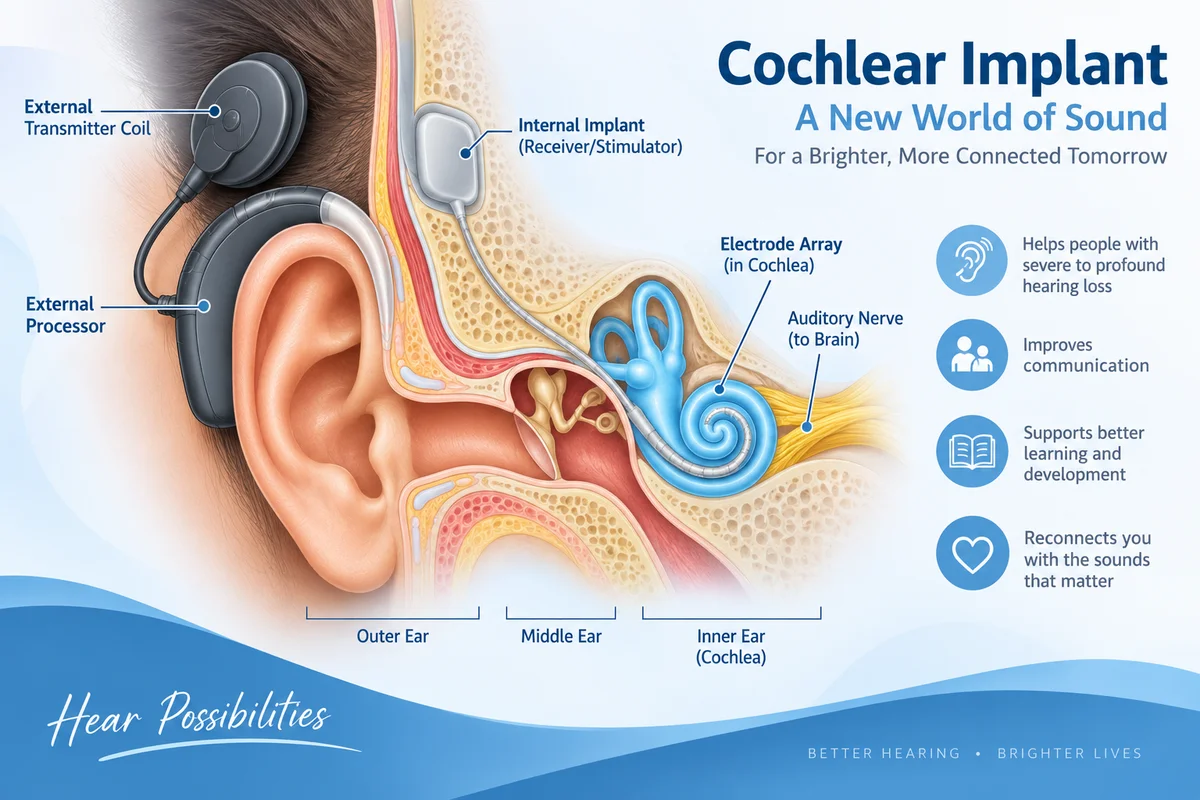
Sound travels through the air in invisible waves. When these waves reach your ear, they are funneled down the ear canal to the eardrum (tympanic membrane). The sound waves cause the eardrum to vibrate, which in turn moves three tiny bones in the middle ear (the malleus, incus, and stapes).
These bones amplify the vibrations and send them into the cochlea, a snail-shaped, fluid-filled structure in the inner ear. Inside the cochlea are thousands of microscopic hair cells, known as cilia. These delicate hairs ride the waves of the fluid, translating the mechanical vibrations into electrical signals. These signals travel via the auditory nerve to the brain, which interprets them as recognizable sounds—like a bird chirping, a car honking, or a loved one speaking.
When these hair cells are damaged or bent, they can begin to "misfire," sending random, chaotic electrical impulses to the brain. Because the brain is hardwired to process auditory input, it interprets these random misfires as sound. This is the fundamental mechanism behind most phantom noises.
The Mystery of Silence: Why Do My Ears Ring in Quiet Rooms?
A very common and highly specific complaint among tinnitus sufferers is the perception that their symptoms worsen at night or in silent environments. You might find yourself asking, why do my ears ring in quiet rooms when I feel fine during the day?
The answer lies in the concept of "auditory masking." During the day, you are surrounded by a symphony of ambient noises: the hum of the refrigerator, traffic outside, people talking, the wind blowing, or the radio playing in the background. These external environmental sounds effectively mask or drown out the internal ringing.
When you enter a quiet room or try to go to sleep, that ambient acoustic camouflage is stripped away. The contrast between the external silence and the internal neural misfiring becomes stark, making the ringing appear much louder and far more intrusive than it actually is. Furthermore, quiet environments leave you alone with your thoughts, allowing your brain to focus all of its attention on the phantom noise, essentially turning up the internal volume dial.
Primary Culprits: The Most Common Tinnitus Causes
When trying to answer the complex question of what-is-cause-of-ear-ringing, medical professionals typically look at a few leading culprits first. Let’s explore the primary triggers that can initiate this frustrating auditory phenomenon.
The Hearing Loss and Tinnitus Connection
There is a profound, intrinsic hearing loss and tinnitus connection. In fact, up to 90% of individuals who experience chronic ear ringing also have some degree of noise-induced or age-related hearing loss (presbycusis).
As we age, or as we accumulate damage from environmental noise, the tiny hair cells in the cochlea naturally begin to degrade. As these cells break down, the brain stops receiving the clear, crisp auditory input it is accustomed to. In an attempt to compensate for this lack of input, the brain's auditory cortex turns up its "internal gain" or sensitivity. It is much like turning up the volume on a radio when the signal is weak; you might catch the station, but you also amplify all the underlying static. Tinnitus is essentially the brain's internal static.
Because the hearing loss often occurs in high-frequency ranges first, many people experience tinnitus as a high-pitched hiss or whine.

Noise Exposure: The Modern Epidemic
In our increasingly loud modern world, acoustic trauma is a leading cause of auditory damage. This can occur from a single, intensely loud event—such as a gunshot or a firecracker exploding close to the ear—or from long-term, chronic exposure to loud noises, such as working in a factory, on a construction site, or habitually listening to music through headphones at maximum volume.
The Phenomenon of Temporary Ear Ringing After Loud Concerts
Almost everyone has experienced temporary ear ringing after loud concerts or sporting events. This occurs due to a phenomenon known as a "temporary threshold shift." The extreme volume of the concert temporarily exhausts and flattens the hair cells in the cochlea, causing mild swelling and a temporary reduction in hearing sensitivity, accompanied by a noticeable ringing.
Usually, if the exposure is not repeated, the hair cells recover, and the ringing subsides within 16 to 48 hours. However, if you repeatedly expose yourself to these high decibel levels without proper ear protection, these temporary threshold shifts become permanent, leading to irreversible cell death and chronic, lifelong tinnitus.
Physical Blockages: Earwax Buildup and Auditory Symptoms
Not all causes of ear ringing are permanent or neurological. Sometimes, the issue is entirely physical and easily reversible. A prime example is the relationship between earwax buildup and auditory symptoms.
Cerumen, commonly known as earwax, is a natural, healthy substance produced by the body to trap dust, repel water, and protect the ear canal from bacterial infections. Normally, earwax dries up and falls out of the ear on its own. However, in some individuals, the wax can accumulate, harden, and become impacted.
When a plug of hard earwax blocks the ear canal, it alters the way sound waves travel to the eardrum. It can also create an abnormal pressure gradient in the ear, or the wax itself might physically press against the tympanic membrane. This physical interference can trigger a ringing, buzzing, or muffled sensation. Fortunately, once a medical professional safely removes the impacted wax, the auditory symptoms almost always disappear instantly.
Unpacking Medical Conditions and Underlying Triggers
If basic hearing loss, noise exposure, or earwax blockages are ruled out, medical professionals must dig deeper. Tinnitus can be an early warning sign for a variety of systemic health issues and localized medical conditions.
Meniere's Disease and Inner Ear Pressure
One of the more complex inner ear disorders is Meniere's disease. The exact cause is not definitively known, but it appears to be linked to an abnormal volume or composition of fluid in the inner ear (a condition called endolymphatic hydrops).
The relationship between Meniere's disease and inner ear pressure is characterized by a classic trio of symptoms:
Fluctuating hearing loss: Hearing may come and go, usually affecting lower frequencies first.
Episodic vertigo: Sudden, severe spells of dizziness or a spinning sensation that can cause nausea.
Tinnitus: Often described as a low-pitched roaring, rumbling, or ocean-like sound, rather than a high-pitched squeal.
Patients with Meniere's also frequently report a sensation of fullness or congestion in the affected ear. Managing this condition often involves strict dietary changes, particularly a low-sodium diet, to help regulate body fluid retention and inner ear pressure.
Vascular Issues: Symptoms of Pulsatile Tinnitus vs Regular Tinnitus
While regular tinnitus is a continuous, steady tone (like a hiss, buzz, or whine) that stems from neurological or cochlear issues, pulsatile tinnitus is entirely different.
When evaluating the symptoms of pulsatile tinnitus vs regular tinnitus, the defining characteristic of the pulsatile variant is a rhythmic swooshing, thumping, or whooshing sound that beats in perfect time with your pulse. You are quite literally hearing the blood pumping through the arteries and veins in or near your ears.
Pulsatile tinnitus is usually a sign of a vascular or structural issue, including:
Atherosclerosis: The buildup of cholesterol plaque in the major blood vessels close to the middle and inner ear. As blood pushes through narrowed, stiff arteries, it moves with greater force, creating turbulence that your ear can detect.
High Blood Pressure: Hypertension, or even short-term increases in blood pressure due to stress or caffeine, can make the blood flow more forceful and audible.
Abnormal Capillaries or Tumors: Conditions like arteriovenous malformations (AVMs) or benign tumors (like glomus tumors) pressing on blood vessels in the head or neck can alter blood flow and cause rhythmic thumping.
Because pulsatile tinnitus can be indicative of serious cardiovascular issues, it requires immediate evaluation by a physician.

Head, Neck, and Jaw Issues (Somatic Tinnitus)
The nerves in your face, jaw, and neck share complex neural pathways with the auditory system in the brainstem. Because of this physiological overlap, physical trauma or tension in the musculoskeletal system can trigger or exacerbate ear ringing. This is known as somatic tinnitus.
Temporomandibular Joint (TMJ) Disorders: The TMJ is the joint located just in front of your ears, where your lower jawbone meets your skull. If the cartilage in this joint is damaged, or if you clench and grind your teeth at night (bruxism), the resulting inflammation and muscle tension can radiate to the ear and cause a persistent ringing or buzzing.
Head and Neck Trauma: Severe whiplash from a car accident, a concussion, or other head injuries can damage the inner ear structure, the auditory nerve, or brain function linked to hearing, leading to sudden onset tinnitus.
The Mind-Body Connection: Psychological and Nutritional Factors
The human body is an interconnected machine. The things we put into our bodies, and the emotional states we endure, have a direct and profound impact on our sensory perceptions, including our hearing.
Can Stress and Anxiety Cause Ear Buzzing?
A frequently asked question in audiology clinics is: can stress and anxiety cause ear buzzing? The answer is a resounding yes, though the relationship is somewhat circular.
Severe emotional stress, generalized anxiety disorder, and chronic exhaustion do not necessarily damage the hair cells in your ear, but they dramatically alter how your brain processes sensory information. When you are highly stressed, your body enters a state of hyperarousal—the "fight or flight" response. Your nervous system becomes highly sensitized to all stimuli, searching the environment for potential threats.
During this state of hyper-vigilance, the brain amplifies internal auditory signals that it would normally filter out. A very mild, previously unnoticeable ringing suddenly becomes loud, intrusive, and alarming.
This creates a vicious cycle. The tinnitus causes anxiety and distress. The resulting anxiety kicks the nervous system into overdrive, which amplifies the tinnitus further. Breaking this psychological loop is often one of the most vital components of tinnitus management.
Nutritional Deficits: Vitamin Deficiencies Linked to Hearing Health
What you eat plays a massive role in maintaining the delicate micro-structures of the inner ear. Poor nutrition can compromise blood flow to the cochlea or degrade neural pathways. Research has shown that there are specific vitamin deficiencies linked to hearing health:
Vitamin B12: Essential for the formation of myelin, the protective sheath that wraps around nerves, including the auditory nerve. A deficiency in B12 can lead to nerve degradation, resulting in misfiring signals and ear ringing.
Zinc: The inner ear contains the highest concentration of zinc in the human body. Zinc is crucial for maintaining the health of the cochlear structures. Studies suggest that supplementing with zinc can reduce the subjective severity of tinnitus in individuals who are deficient.
Magnesium: This mineral helps protect the delicate hair cells in the inner ear from the free radical damage caused by loud noise exposure. Low magnesium levels leave your ears more vulnerable to acoustic trauma and the resulting ringing.
Potassium: Vital for regulating the fluid inside the inner ear, which translates sound vibrations into electrical impulses. As we age, potassium levels naturally decline, potentially contributing to age-related auditory decline.

The Hidden Culprit in Your Medicine Cabinet: Ototoxic Drugs
Sometimes, the very medications designed to heal us can cause collateral damage to our sensory organs. Medications that are toxic to the ear are known as ototoxic drugs. If you are wondering what-is-cause-of-ear-ringing in your specific case, taking a close look at your daily prescriptions and over-the-counter pill intake is imperative.
There is a long list of common medications that cause ototoxicity. In some cases, the ringing is temporary and vanishes when you stop taking the drug. In others—particularly with high doses of powerful prescription medications—the damage to the cochlea can be permanent.
Nonsteroidal Anti-Inflammatory Drugs (NSAIDs): High doses of aspirin, ibuprofen (Advil, Motrin), and naproxen (Aleve) are notorious for causing temporary tinnitus. Usually, taking 12 or more aspirins a day will trigger a high-pitched hiss, which dissipates once the medication is discontinued.
Certain Antibiotics: Aminoglycoside antibiotics (such as gentamicin, neomycin, and streptomycin) are powerful drugs used to treat severe, life-threatening bacterial infections. Unfortunately, they carry a high risk of permanent damage to the inner ear hair cells.
Loop Diuretics: Often prescribed to treat high blood pressure and heart failure (e.g., bumetanide, furosemide/Lasix), these medications alter the fluid balance in the body, which can severely impact the fluid dynamics of the inner ear.
Chemotherapy Agents: Cancer-fighting drugs, particularly platinum-based compounds like cisplatin and carboplatin, are highly ototoxic and frequently cause permanent hearing loss and severe tinnitus.
Antimalarial Drugs: Medications like quinine and chloroquine can trigger sudden ringing and hearing disturbances.
Disclaimer: Never stop taking prescribed life-saving medications without first consulting your doctor. If you suspect your medication is causing your ears to ring, speak to your physician about adjusting the dosage or finding an alternative treatment.
Taking Action: Diagnosis and Seeking Professional Help
If you have been experiencing continuous ear ringing for more than a week, or if the ringing is accompanied by sudden hearing loss, dizziness, or fluid draining from the ear, it is time to seek professional medical help.
Seeing an Audiologist for Hearing Tests
Your first major step toward finding answers is seeing an audiologist for hearing tests. An audiologist is a healthcare professional who specializes in diagnosing, managing, and treating hearing and balance disorders.
When you visit an audiologist, they will perform a comprehensive auditory evaluation, which usually includes:
A Detailed Patient History: They will ask you about noise exposure, medical history, medications, and the specific nature of your tinnitus (pitch, volume, frequency, and whether it is pulsatile or constant).
Otoscopy: A visual examination of the ear canal and eardrum to check for earwax impaction, fluid buildup, or signs of infection.
Pure-Tone Audiometry: You will sit in a soundproof booth and wear headphones, raising your hand or pressing a button whenever you hear a "beep." This determines your exact hearing thresholds across various frequencies and helps map out any underlying hearing loss.
Tympanometry: A test that measures the movement of your eardrum to rule out fluid in the middle ear or issues with the middle ear bones.
Pitch and Loudness Matching: The audiologist will play various sounds and ask you to match them to the ringing in your head. This helps them quantify the pitch and volume of your specific tinnitus.
Once your audiologist has a complete picture of your auditory health, they can recommend a tailored treatment plan or refer you to an Ear, Nose, and Throat (ENT) specialist if a medical condition like a tumor, vascular issue, or Meniere's disease is suspected.

Finding Relief: Management and Treatment Strategies
While there is currently no FDA-approved "magic pill" or surgical cure to completely eliminate sensorineural tinnitus, there are numerous highly effective treatment options for persistent ear noise. The goal of modern treatment is to achieve "habituation"—a state where the brain no longer perceives the ringing as a threat, allowing it to fade into the background of your consciousness, much like you ignore the feeling of socks on your feet.
Sound Therapy and Masking Devices
Sound therapy operates on the principle of auditory distraction. By introducing external, pleasant, or neutral sounds into your environment, you can decrease the contrast between the ringing in your head and the surrounding environment, making the tinnitus less noticeable.
Hearing Aids: If your tinnitus is accompanied by hearing loss, modern hearing aids are often the most effective treatment. By amplifying external sounds (like speech, television, and nature), hearing aids stimulate the auditory nerve and give the brain external input to focus on, naturally masking the internal ringing. Many modern hearing aids also come with built-in tinnitus masking programs that play soothing sounds directly into your ear.
Wearable Sound Generators: For individuals with normal hearing who suffer from severe tinnitus, tiny wearable devices that look like hearing aids can be programmed to play constant, low-level white noise to mask the ringing throughout the day.
Reclaiming Your Sleep: Nighttime Strategies
As we discussed earlier, the quiet of the night is often the hardest time for sufferers. Learning how to reduce phantom ear noises at night is crucial for maintaining your mental health and preventing the anxiety loop.
The most effective nighttime strategy is the use of white noise therapy for sound masking. White noise is a random signal having equal intensity at different frequencies, giving it a constant "shhhh" sound, like television static or a rushing waterfall.
Sound Machines: Placing a dedicated white noise machine on your bedside table can provide a blanket of sound that covers up the ringing.
Alternative Colors of Noise: Some people find white noise too harsh. You might prefer pink noise (which has louder low-frequency sounds, mimicking steady rain or wind) or brown noise (which is deeper still, resembling distant thunder or a low roar).
Pillow Speakers: If your partner prefers a quiet room, you can purchase flat speakers that slip underneath your pillow, delivering the masking sound directly to your ears without disturbing others.
Sleep Hygiene: Avoid caffeine or vigorous exercise within three hours of bedtime. Keep your bedroom cool, dark, and use it exclusively for sleep to train your brain to relax.
Cognitive and Behavioral Therapies
Because the distress of tinnitus is largely psychological, retraining the brain's emotional reaction to the sound is incredibly effective.
Cognitive Behavioral Therapy (CBT): A licensed therapist can help you identify negative thought patterns related to your tinnitus (e.g., "This ringing is ruining my life, I will never have peace again") and replace them with neutral or positive reframing. CBT reduces the anxiety and depression associated with the condition, which in turn lowers the perceived volume of the ringing.
Tinnitus Retraining Therapy (TRT): TRT combines specialized counseling with continuous, low-level sound therapy. Over a period of 12 to 24 months, TRT aims to retrain the subconscious parts of the auditory system to accept the tinnitus as a normal, natural, non-threatening sound, leading to complete habituation.
Making Meaningful Adjustments: Diet and Lifestyle
Implementing proactive lifestyle changes to manage chronic tinnitus can significantly reduce the severity of your symptoms and improve your overall quality of life.
Monitor Your Diet: Keep a journal to track if certain foods trigger a spike in your ringing. Common dietary culprits include high amounts of salt (which affects blood pressure and inner ear fluid), caffeine (a stimulant that can heighten nervous system sensitivity), and alcohol (which changes blood flow to the ear).
Quit Smoking: Nicotine is a vasoconstrictor; it narrows your blood vessels and reduces the flow of oxygen-rich blood to the delicate hair cells in your cochlea. Quitting smoking is one of the best things you can do for your overall hearing health.
Prioritize Cardiovascular Exercise: Regular aerobic exercise—like walking, swimming, or cycling—improves blood circulation throughout the body, including the inner ear, helping to keep auditory structures healthy.
Manage Stress Actively: Since anxiety amplifies ringing, engaging in daily stress-reduction techniques like yoga, mindfulness meditation, deep breathing exercises, or progressive muscle relaxation can calm your nervous system and turn down the internal volume dial.
Protecting Your Future: The Importance of Hearing Preservation
If you currently have mild tinnitus, or if you want to protect your ears from developing the condition in the future, proactive hearing conservation is absolutely non-negotiable. Once the microscopic hair cells in your inner ear are destroyed, they do not regenerate.
Learning how to prevent permanent auditory damage is essential in our loud, modernized world.
The 60/60 Rule for Personal Audio
With the ubiquitous use of smartphones and earbuds, we are constantly pumping sound directly into our ear canals. To prevent acoustic trauma, audiologists recommend strictly adhering to the 60/60 rule:
Listen to your devices at no more than 60% of the maximum volume.
Limit your listening time through headphones to 60 minutes a day. After an hour, take the headphones out and give your ears a rest to allow the auditory nerve to recover.
Embrace Ear Protection
You wouldn't stare directly at the sun without sunglasses, and you shouldn't expose your ears to hazardous noise levels without earplugs. Noise levels above 85 decibels (the sound of a lawnmower or heavy city traffic) can cause damage over prolonged periods. Noise above 120 decibels (a rock concert, siren, or firecracker) can cause immediate damage.
Foam Earplugs: Keep a pair of cheap, disposable foam earplugs in your car, purse, or pocket. They are invaluable for unexpected loud situations, like a passing fire engine or a surprisingly loud movie theater.
High-Fidelity Musician's Earplugs: If you frequently attend concerts or play an instrument, invest in high-fidelity earplugs. Unlike foam plugs that muffle sound, high-fidelity plugs use advanced acoustic filters to lower the volume of the environment equally across all frequencies. You still hear the music perfectly clearly, just at a safe decibel level.
Custom Protection: If you work in construction, landscaping, dentistry, or manufacturing, consider visiting an audiologist to have custom silicone ear molds made for maximum comfort and unparalleled protection.
Routine Check-Ups
Make an auditory evaluation a part of your regular health routine, just like visiting the dentist or the optometrist. Catching hearing loss early allows for interventions—like hearing aids—before the brain starts generating massive amounts of phantom noise to overcompensate for the deficit.
Moving Forward with Confidence and Clarity
The journey to understanding exactly what-is-cause-of-ear-ringing can sometimes feel overwhelming, but it is deeply empowering. Knowing that your symptoms might be rooted in something as simple as earwax, a specific medication, or a treatable vitamin deficiency provides a clear roadmap for action.
Even if your tinnitus is chronic and related to permanent hearing loss, the landscape of treatment is brighter today than ever before. Through a combination of advanced hearing aid technology, cognitive behavioral therapies, white noise masking, and proactive lifestyle adjustments, the vast majority of sufferers can successfully habituate to the sound and reclaim their peace of mind.
Remember, you do not have to suffer in silence—or rather, in the absence of it. Reach out to an audiologist, protect your hearing passionately, and take comfort in the fact that with the right management strategies, the persistent ringing can fade from a dominating force in your life to nothing more than an easily ignored background whisper.