What Causes Sensorineural Deafness?
What Causes Sensorineural Deafness? Causes, Symptoms and Treatment Options
Sensorineural deafness, also known as sensorineural hearing loss (SNHL), is the most common type of permanent hearing loss. It happens when the inner ear or the hearing nerve is damaged. If you often hear people speaking but cannot understand the words, knowing the causes of sensorineural deafness is the first step toward getting help. In this guide, the team at VR Speech and Hearing Clinic in Chhatrapati Sambhajinagar explains what causes sensorineural hearing loss, how to spot it, and what treatment options exist.
What Is Sensorineural Deafness?
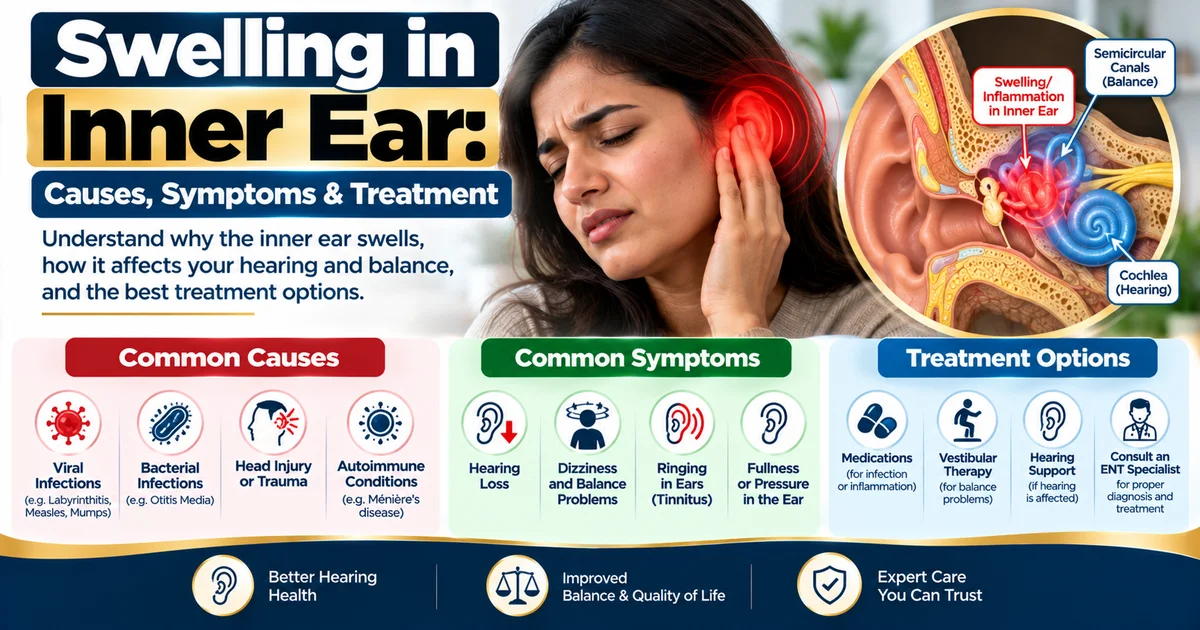
Sound travels through the outer and middle ear to the cochlea, a snail-shaped organ in the inner ear lined with thousands of tiny hair cells. These cells turn vibrations into electrical signals, and the auditory nerve carries them to the brain. Sensorineural deafness occurs when the hair cells, the nerve, or both are damaged or have not developed properly.
Conductive hearing loss comes from wax, fluid or middle ear problems and is often treatable with medicine or surgery. Sensorineural loss is usually permanent because human hair cells do not regrow. Early diagnosis therefore matters.
Main Causes of Sensorineural Deafness
1. Ageing (Presbycusis)
Age-related hearing loss is the most common cause in adults. Over the years, cochlear hair cells wear out and blood supply to the inner ear declines. It usually affects both ears and begins with difficulty hearing high-pitched sounds. Many people can hear speech but struggle to understand it, especially in crowded places.
2. Exposure to Loud Noise
Long-term exposure to sounds above roughly 85 decibels, such as heavy traffic, factory machines, loud music or firecrackers, permanently damages hair cells. One very loud blast can also cause instant injury. Using earphones at high volume for hours is a growing reason why younger people now develop hearing problems.
3. Genetic and Hereditary Factors
Inherited gene changes can cause deafness at birth or later in life, even when parents hear normally. Syndromes such as Usher, Pendred and Waardenburg include sensorineural hearing loss. A family history of early hearing loss, or marriage between close relatives, raises the chance of inherited deafness, so regular hearing checks are wise.
4. Problems During Pregnancy and Birth
Congenital deafness may follow infections during pregnancy, including rubella, cytomegalovirus (CMV), toxoplasmosis and syphilis. Premature birth, low birth weight, severe newborn jaundice and lack of oxygen at birth are also risk factors. Newborn hearing screening is vital, because early detection gives a child the best chance of normal speech and language development.
5. Infections
Bacterial meningitis is a leading infectious cause of severe hearing loss. Mumps, measles and other viral infections can also damage the inner ear, often in one ear. Labyrinthitis, an inflammation of the inner ear, may cause sudden hearing loss with dizziness. Timely vaccination helps lower these risks.
6. Ototoxic Medicines
Some medicines are toxic to the inner ear, including aminoglycoside antibiotics such as gentamicin, chemotherapy drugs like cisplatin, loop diuretics and high-dose aspirin. The damage may be temporary or permanent and often comes with tinnitus. Never stop a prescribed medicine on your own, but tell your doctor if you notice ringing or hearing changes.
7. Head Injury and Ear Trauma
A blow to the head, a skull fracture or sudden pressure changes (barotrauma) from diving or flying can injure the cochlea or hearing nerve. Any hearing change after an accident needs prompt medical examination.
8. Meniere’s Disease and Inner Ear Disorders
Meniere’s disease, caused by abnormal fluid pressure in the inner ear, brings repeated vertigo, ear fullness, tinnitus and fluctuating hearing loss that may become permanent. Autoimmune inner ear disease, where the immune system attacks inner ear tissue, can also cause progressive hearing loss.
9. Acoustic Neuroma
An acoustic neuroma is a benign, slow-growing tumour on the nerve linking the inner ear to the brain. It typically causes hearing loss in one ear along with tinnitus and imbalance. Because one-sided hearing loss is unusual, it always deserves proper evaluation, sometimes including an MRI.
10. Sudden Sensorineural Hearing Loss
Sudden sensorineural hearing loss is a medical emergency in which hearing drops, usually in one ear, over hours to a few days. The cause is often never identified, but viral infection, poor blood flow and autoimmune reactions are suspected. Steroid treatment works best when started within the first few days.
11. Chronic Health Conditions
Diabetes, high blood pressure, high cholesterol, heart disease and kidney disease can damage the tiny blood vessels supplying the inner ear. Smoking adds to the risk. Controlling these conditions protects your hearing as well as your general health.
Common Symptoms of Sensorineural Hearing Loss
Symptoms often develop gradually, so many people adapt without noticing. Common signs include:
Muffled sounds or difficulty understanding speech, even when it is loud enough
Trouble following conversations in noisy places
Frequently asking others to repeat themselves, or turning up the TV
Ringing or buzzing in the ears (tinnitus)
Dizziness or balance problems
In children, delayed speech, no response to sounds, or poor school performance
How Is Sensorineural Deafness Diagnosed?
An audiologist begins with your history and an ear examination, followed by tests. Pure tone audiometry measures the softest sounds you can hear at different pitches, and speech audiometry checks how clearly you understand words. Tympanometry rules out middle ear problems. Babies and young children are assessed with otoacoustic emissions (OAE) and brainstem evoked response audiometry (BERA). An ENT specialist may add blood tests or an MRI to find the cause.
Can Sensorineural Deafness Be Treated?
Damaged hair cells cannot be repaired, but sensorineural hearing loss can be managed well:
Hearing aids amplify sound and suit mild to severe loss. Modern digital devices are small, comfortable and customisable.
Cochlear implants bypass damaged hair cells and stimulate the nerve directly, helping people with severe to profound deafness.
Medical treatment, such as steroids for sudden hearing loss, or treating an underlying cause like infection or diabetes.
Auditory training and speech therapy help children and adults make the most of their hearing and improve communication.
Assistive devices, including amplified phones and TV listening systems, make daily life easier.
How to Protect Your Hearing
Keep headphone volume below 60 percent and take listening breaks.
Wear earplugs or earmuffs in noisy workplaces and at loud events.
Get vaccinated against measles, mumps, rubella and meningitis.
Avoid self-medication and ask your doctor about ototoxic drugs.
Control diabetes and blood pressure.
Get newborns screened, and test adults regularly after 50 or earlier with a family history.
When Should You See an Audiologist?
Consult an audiologist or ENT specialist immediately for sudden hearing loss, hearing loss in one ear, persistent tinnitus or dizziness. Do not wait, because early action can sometimes save hearing, and early hearing aid use gives better results.
Hearing Care in Chhatrapati Sambhajinagar
If you need a hearing test or an audiologist in Chhatrapati Sambhajinagar, VR Speech and Hearing Clinic provides hearing evaluation, hearing aid guidance and speech and language support for children and adults in a caring, patient-focused setting. Book your appointment today.
VR Speech and Hearing Clinic
Second Floor, Vasantrao Naik Chowk, Opposite Hotel Deepali Executive, N-3, CIDCO, Chhatrapati Sambhajinagar, Maharashtra 431003
Frequently Asked Questions (FAQs)
1. Is sensorineural deafness permanent?
In most cases, yes, because damaged hair cells and nerve fibres do not regenerate. However, hearing aids and cochlear implants can restore functional hearing, and sudden cases may improve if treated early.
2. What is the most common cause of sensorineural deafness?
Ageing is the most common cause in adults, followed by long-term noise exposure. In children, genetic factors and infections before or around birth are the leading causes.
3. Can medicine cure sensorineural hearing loss?
No medicine can restore damaged hair cells. Steroids may help in sudden hearing loss or autoimmune inner ear disease, but hearing aids or implants remain the main long-term solution.
4. Can loud earphones cause sensorineural deafness?
Yes. Prolonged high-volume listening damages the inner ear’s hair cells. Stress alone is not an established cause, though it can make tinnitus feel worse.
5. What is the difference between sensorineural and conductive hearing loss?
Conductive loss involves the outer or middle ear, such as wax or fluid, and is often treatable. Sensorineural loss involves the inner ear or hearing nerve and is usually permanent.
6. When should a child’s hearing be tested?
Every newborn should be screened soon after birth. Test any child with delayed speech, poor response to sounds, or risk factors such as premature birth, severe jaundice or a family history of deafness.