What are hearing aids, and how do hearing aids work?
Introduction to hearing aids
Hearing aids are tiny devices that can make a big difference in your life. For those experiencing hearing loss, these remarkable gadgets can open up a world of sound and connection. Imagine being able to engage in conversations without straining to catch every word or enjoying music as it was meant to be heard. Whether you're new to the concept or considering getting one for yourself or a loved one, understanding hearing aids is crucial. They come in various styles and types, each designed with specific needs in mind. From behind-the-ear options to completely-in-canal designs, there’s something out there for everyone. Let's dive into what hearing aids are all about and how they work their magic!
The types of hearing aids
When exploring hearing aid types, it's essential to understand the variety available. Each type caters to specific needs and preferences.
Behind-the-ear (BTE) aids are popular for their durability and power. They sit comfortably behind the ear and connect to a custom earpiece.
In-the-ear (ITE) models fit snugly within the outer ear. Their discreet design appeals to many users seeking a less visible option.
Receiver-in-canal (RIC) devices combine subtlety with excellent sound quality. The receiver sits in the canal, allowing for more natural amplification of sounds.
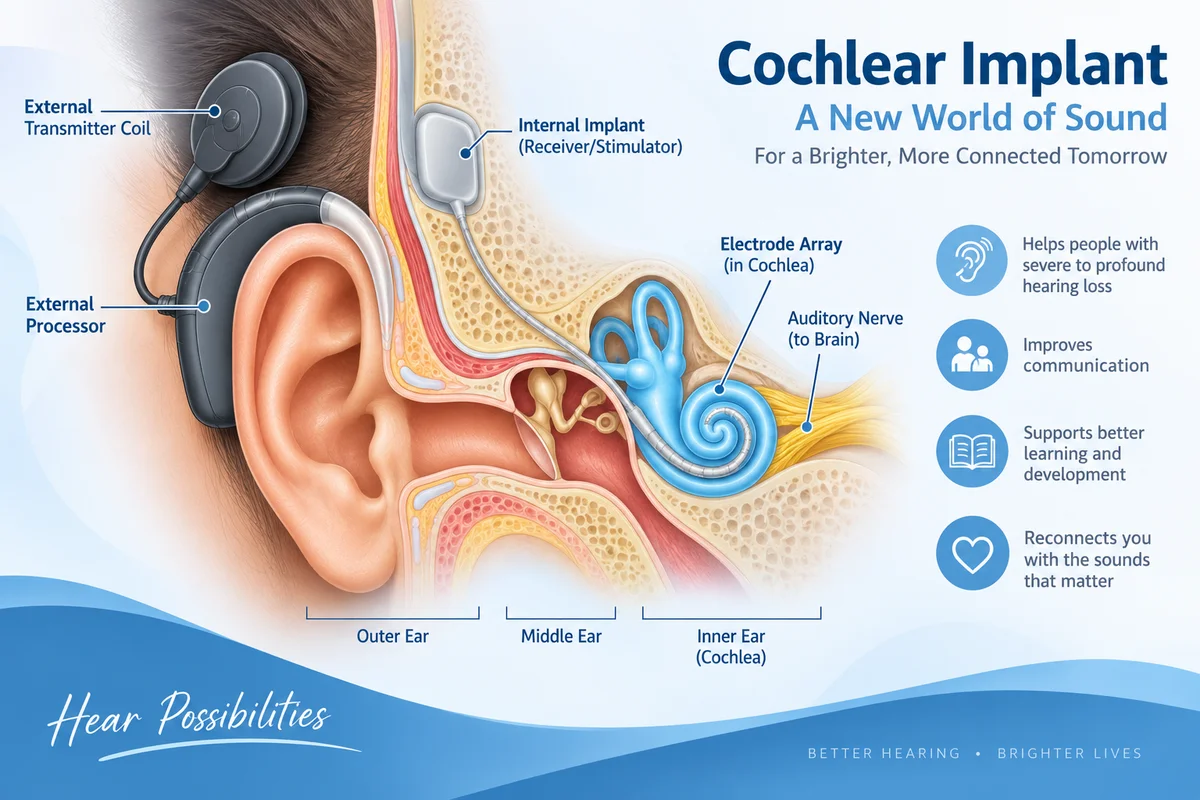
For those with profound hearing loss, cochlear implants provide an alternative by bypassing damaged portions of the ear altogether. This technology directly stimulates the auditory nerve.
Each type serves different levels of hearing impairment while considering user comfort and lifestyle choices. Understanding these distinctions is key when looking into hearing aid price variations.
How hearing aids work
Hearing aids are remarkable devices designed to enhance sound for those with hearing loss. They work by amplifying sounds, making them clearer and more accessible.
At their core, these devices consist of a microphone, amplifier, and speaker. The microphone captures external sounds and converts them into electrical signals.
Next, the amplifier processes these signals. It increases the volume based on your specific hearing needs and preferences.
The speaker delivers the enhanced sound directly into your ear. This process allows users to engage in conversations and enjoy music with greater clarity.
Modern hearing aids also feature advanced technology like noise reduction and feedback cancellation. These innovations ensure that users experience less distortion while focusing on desired sounds without unnecessary background noise.
Benefits of wearing hearing aids
Wearing hearing aids can significantly enhance your quality of life. Many users report improved communication, allowing them to engage more fully in conversations without straining to hear.
Social interactions become easier and more enjoyable. With greater clarity, individuals feel less isolated. This connection fosters stronger relationships with family and friends.
Hearing aids also help reduce the mental fatigue often associated with listening challenges. No longer is there constant effort required just to follow a discussion; instead, it becomes a natural part of daily life.
Additionally, many modern hearing devices come equipped with features like Bluetooth capabilities. This allows seamless streaming from phones or other devices directly into the hearing aid for an even better auditory experience.
Furthermore, wearing these devices can have positive effects on cognitive health by keeping the mind active and engaged through consistent auditory stimulation.
Factors to consider when choosing a hearing aid
Choosing the right hearing aid involves several important factors. First, consider the degree of your hearing loss. Different devices cater to varying levels of impairment.
Next, evaluate the style and size that suits you best. Options range from discreet in-the-ear models to more visible behind-the-ear types. Your lifestyle plays a significant role here; active individuals may prefer durable designs.
Battery life is another crucial aspect. Rechargeable options can save time and hassle compared to traditional batteries.
Don't forget about additional features like Bluetooth connectivity or noise reduction technology. These enhancements can significantly improve your listening experience in different environments.
Consult with an audiologist for professional advice tailored to your specific needs. Personal comfort and usability should guide your decision-making process as well.
Caring for your hearing aids
Proper care is essential for maintaining the effectiveness of your hearing aids. Start by cleaning them daily to remove moisture and earwax buildup. Use a soft, dry cloth or a specialized brush designed for this purpose.
Store your hearing aids in a cool, dry place when not in use. Avoid leaving them in direct sunlight or extreme temperatures, as these conditions can damage the delicate components.
Regular battery changes are crucial. Keep spare batteries on hand so you never have to face unexpected silence.
Consider investing in drying kits or dehumidifiers specifically made for hearing aids if you live in humid climates. These devices will help keep moisture at bay.
Schedule regular check-ups with your audiologist. They can provide professional cleaning and ensure that everything is functioning correctly for optimal sound quality.
Alternatives to traditional hearing aids
For those seeking alternatives to traditional hearing aids, several innovative options exist. One popular choice is personal sound amplification products (PSAPs). Unlike conventional hearing aids, PSAPs amplify sounds in specific situations but are not medical devices.
Bone conduction headphones offer another unique approach. These devices transmit sound vibrations through the skull to the inner ear, making them suitable for individuals with certain types of hearing loss.
Cochlear implants provide a more permanent solution for severe hearing impairment. By directly stimulating the auditory nerve, these implants can help people who do not benefit from standard hearing aids.
Smartphone apps and assistive listening devices also enhance sound clarity in various environments. They can be particularly useful during phone calls or while watching television.
Exploring these alternatives can lead to improved communication experiences tailored to individual needs.
Conclusion: The importance of addressing hearing loss and finding the right solution
When it comes to addressing hearing loss, taking action is crucial. Hearing aids can significantly improve the quality of life for those experiencing auditory challenges. These devices come in various types and styles tailored to fit different needs, preferences, and budgets.
Understanding what hearing aids are and how they function empowers individuals to make informed decisions. With advancements in technology, modern hearing aids offer features that enhance sound clarity while minimizing background noise.
It's essential to consider factors such as comfort, functionality, and cost when selecting a hearing aid. The right choice may vary from person to person based on their unique circumstances.
Caring for your device properly ensures longevity and optimal performance. Regular maintenance can prevent common issues and help you get the most out of your investment.
For those who might not find traditional options suitable or effective, alternatives exist that cater to varied lifestyles and degrees of hearing loss.
Addressing any form of hearing impairment should never be overlooked. Finding an appropriate solution plays a pivotal role in maintaining communication with loved ones and enjoying everyday experiences fully. Embracing these tools not only enhances personal well-being but also reinforces connections with the world around us.