Top 10 Questions Parents Ask About Autism
Every parent wants the best for their child. When a doctor first mentions the words "autism spectrum disorder," it can feel like the ground shifts beneath your feet. Questions flood in faster than answers. What does this mean for my child's future? Did I do something wrong? Where do I even begin?
You are not alone. Millions of families around the world navigate this same journey every day, and the good news is that understanding autism has never been greater than it is today. Research is advancing, support systems are expanding, and most importantly, the voices of autistic individuals themselves are helping reshape how the world understands and embraces neurodiversity.
This comprehensive guide addresses the ten most common questions parents ask after an autism diagnosis — or when they first begin to suspect their child may be autistic. Whether you are at the very beginning of this journey or looking to deepen your understanding, these answers are grounded in current science, compassion, and respect for every child's unique potential.
1. What Are the Early Signs of Autism in Children?
One of the most common questions parents ask is whether they missed something — whether there were signs they should have caught earlier. The truth is that early signs of autism can be subtle, vary widely between children, and do not always follow a predictable pattern. Some children show clear signs from infancy, while others develop typically for a period and then begin to regress around 18 to 24 months of age.
That said, there are recognized early indicators that pediatricians and developmental specialists watch for. In the first year of life, limited eye contact, reduced social smiling, not babbling by 12 months, and not responding to their own name are important signals. Between 12 and 24 months, parents may notice a lack of pointing or gesturing, little interest in other children, delayed or absent speech, and unusual reactions to sounds, textures, lights, or other sensory input.
Repetitive behaviors are another hallmark. These may include hand-flapping, rocking, spinning objects, lining up toys rather than playing with them imaginatively, or intense focus on a narrow set of interests. Rigid insistence on routine — becoming extremely distressed when familiar patterns are disrupted — is also commonly observed.
It is important to remember that no single sign confirms autism, and many children display some of these behaviors without being autistic. What matters is the overall pattern of development. If something feels off, trust your instincts. Parents are often the first to notice. Bring your observations to your pediatrician and request a developmental screening. Acting on your concerns early is never a mistake.
2. What Causes Autism?
This is perhaps the question parents ask most urgently — and it is also one of the most complex to answer. The scientific community is clear on one point: autism does not have a single cause. Instead, it arises from a combination of genetic, neurological, and environmental factors that interact in ways researchers are still working to fully understand.
Genetics play a significant role. Studies of twins show that if one identical twin has autism, there is a very high likelihood the other will as well. Certain gene mutations — some passed down through families, others occurring spontaneously — have been linked to autism spectrum disorder. In some cases, autism is associated with other genetic conditions such as Fragile X syndrome or tuberous sclerosis, though the majority of autistic individuals do not have an identified genetic syndrome.
Environmental factors during pregnancy may also contribute. Advanced parental age, exposure to certain medications during pregnancy, premature birth, low birth weight, and complications during labor and delivery have all been identified as potential risk factors in research studies. These factors do not guarantee a child will be autistic — they simply appear to increase statistical likelihood in combination with genetic predispositions.
It is essential to state clearly and emphatically: vaccines do not cause autism. This claim originated from a single fraudulent study that was fully retracted, and its author lost his medical license as a result. Dozens of large-scale, rigorous studies involving millions of children across multiple countries have found absolutely no link between childhood vaccines and autism. Vaccine hesitancy based on this discredited theory poses serious public health risks and should not be a consideration for families.
Understanding causation is valuable, but many autistic advocates and families find that focusing too heavily on "why" can detract from the more meaningful work of understanding and supporting the autistic person in front of you.
3. How Is Autism Diagnosed?
Unlike many medical conditions, autism cannot be detected through a blood test, brain scan, or any single biological marker — at least not yet. Diagnosis is based on careful behavioral observation and a thorough review of developmental history, which is why the process can feel lengthy and sometimes frustrating for families eager for answers.
A comprehensive autism evaluation is typically conducted by a team of specialists that may include a developmental pediatrician, child psychologist, speech-language pathologist, and occupational therapist. They use standardized, validated assessment tools to gather consistent and comparable information. The most widely used diagnostic tool is the ADOS-2 — the Autism Diagnostic Observation Schedule — which involves structured and semi-structured interactions designed to elicit social communication behaviors. The ADI-R, a detailed parent interview, is also commonly used.
Clinicians look for persistent differences in two core areas: social communication and interaction, and restricted or repetitive patterns of behavior, interests, or activities. These differences must be present across multiple settings, not just at home or just at school, and they must represent a meaningful impact on daily functioning.
Parents and caregivers are an indispensable part of the diagnostic process. Your observations about how your child plays, communicates, responds to others, handles transitions, and behaves at home carry enormous clinical weight. Keeping a written log or video examples of behaviors you find puzzling or concerning can be extremely helpful when meeting with specialists.
The process takes time, but a thorough, accurate diagnosis is worth the wait. It opens doors to services, supports, legal protections, and — perhaps most importantly — a framework that helps your child be better understood by everyone in their life.
4. At What Age Can Autism Be Diagnosed?
Autism can be reliably diagnosed as early as 18 months of age by experienced clinicians, and a diagnosis made at this stage is generally stable over time. The American Academy of Pediatrics recommends that all children be screened for autism at their 18-month and 24-month well-child visits using a standardized tool such as the M-CHAT-R.
Despite these recommendations, the average age of autism diagnosis in many countries remains around 4 to 5 years, and for children with milder presentations or higher support needs that are not immediately obvious, diagnosis may not come until the school years or even adulthood. Girls are particularly likely to be diagnosed later than boys, partly because autistic girls often develop strong social camouflaging skills — learning to mimic neurotypical social behavior — which can mask the signs from parents, teachers, and clinicians alike.
This diagnostic delay has real consequences. Early intervention during the critical window of brain development — roughly from birth to age 5 — produces the best outcomes in terms of language development, social skills, adaptive behavior, and overall quality of life. Every month of early, targeted support can make a meaningful difference.
If you have concerns about your child's development, do not adopt a wait-and-see approach. Developmental concerns do not resolve on their own simply with time. Request a referral to a developmental specialist, and if necessary, seek a second opinion. Being told your child is developing typically when you believe otherwise is a common frustration — persistence pays off.
5. Is My Child's Autism My Fault?
No. Not in any way, under any circumstance. This question deserves the most direct and compassionate answer possible, because parental guilt is one of the most painful and pervasive emotional experiences following an autism diagnosis.
Autism is a neurodevelopmental condition rooted in complex genetic and biological processes that begin long before birth. It is not caused by how you parented your child, how much screen time they had, what you ate during pregnancy, whether you worked too much, loved too little, or failed to read enough books at bedtime. None of these things cause autism.
The history of autism is unfortunately marked by theories that caused immense damage to families. The most notorious is the "refrigerator mother" hypothesis, proposed in the 1950s, which wrongly suggested that cold, emotionally distant mothers caused autism in their children. This theory was not only scientifically baseless — it was cruel. It caused generations of mothers to carry undeserved shame and guilt. It has been thoroughly and completely discredited, and no reputable clinician or researcher holds this view today.
What we know now is that autistic children benefit enormously from having parents who are engaged, informed, and emotionally available — exactly what you are demonstrating by asking questions and seeking understanding. Release the guilt. It does not serve you, and it does not serve your child. Channel that energy into connection, advocacy, and learning.
6. What Treatments and Therapies Are Available?
When parents first learn their child is autistic, one of their most pressing concerns is what to do next. The landscape of autism therapies is broad, and navigating it can be overwhelming. Understanding which approaches have strong scientific support — and which do not — is essential.
The most widely researched and implemented intervention is Applied Behavior Analysis, commonly known as ABA. ABA uses principles of learning and behavior to teach skills and reduce barriers to functioning. Modern ABA, when delivered well, is child-led, naturalistic, and focused on building meaningful skills rather than simply eliminating behaviors. However, ABA has also been the subject of criticism from some autistic advocates who raise concerns about historical practices that prioritized conformity over well-being. Parents should seek providers who use trauma-informed, affirming, play-based approaches.
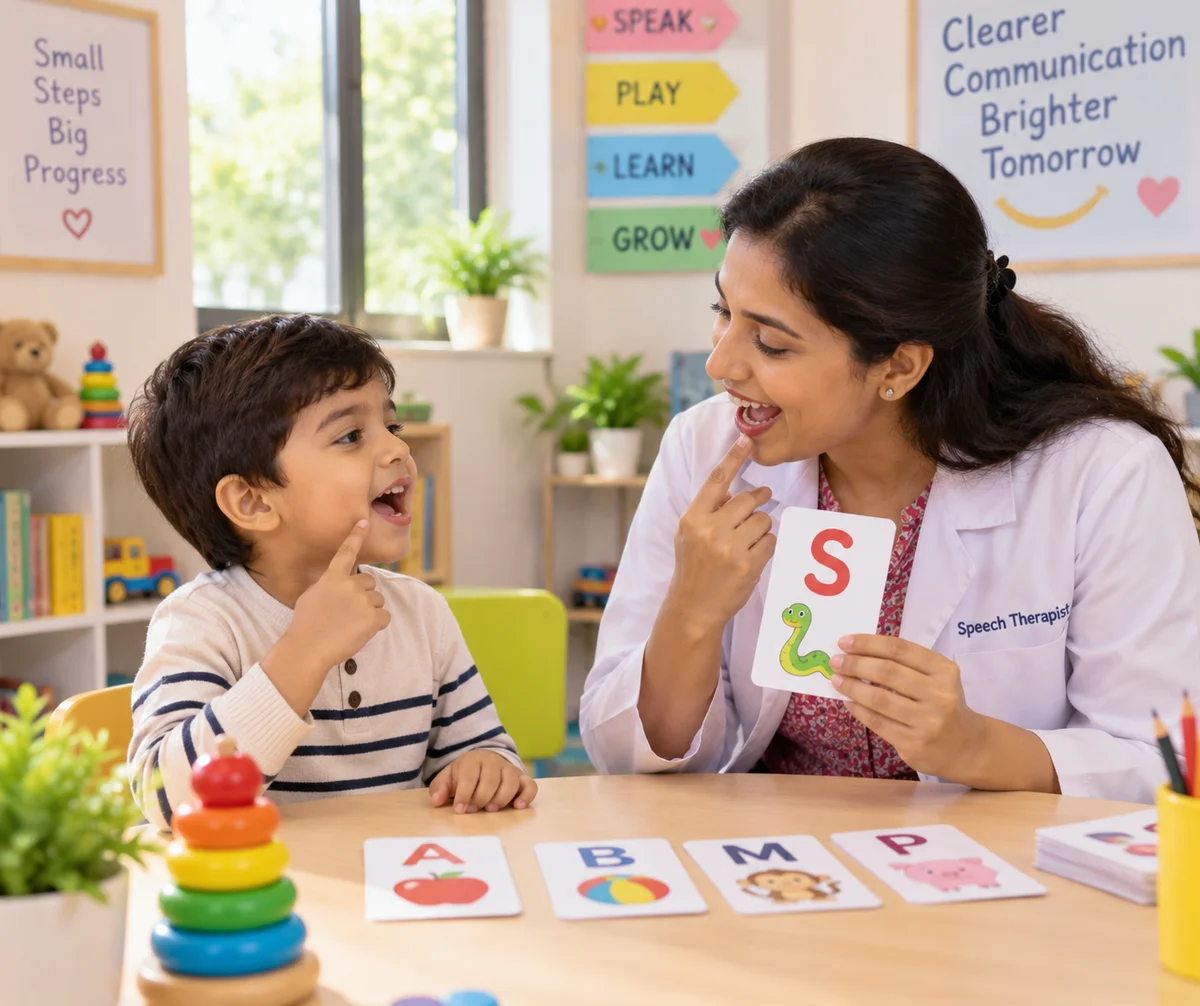
Speech-language therapy is critically important for autistic children who have differences in verbal communication, language comprehension, or pragmatic social language skills. For children who are minimally verbal or non-speaking, augmentative and alternative communication (AAC) tools — including picture boards, speech-generating devices, and apps — can be life-changing. Every child deserves a means of communication, and AAC does not hinder speech development; research shows it supports it.
Occupational therapy addresses sensory processing differences, fine motor skills, self-care routines, and daily living skills. Many autistic children experience sensory sensitivities that significantly affect their comfort and ability to participate in everyday activities. An occupational therapist can help identify sensory triggers and develop strategies to manage them.
Social skills training, developmental approaches such as Floortime and the SCERTS model, and cognitive behavioral therapy for older autistic children and adolescents who experience anxiety are also valuable options depending on the individual's needs.
It is equally important to be cautious about unproven or potentially harmful treatments that are aggressively marketed to autism families. Miracle cures, detoxification protocols, restrictive diets without medical supervision, and any intervention that promises to eliminate autism should be approached with deep skepticism. When in doubt, consult with your child's medical team and seek peer-reviewed evidence.
7. Will My Child Ever Be Able to Live Independently?
This is the question that lives deepest in a parent's heart — and it deserves an honest, hopeful, and nuanced answer. The truth is that no one can predict with certainty what any individual child's future will look like. Autism is a spectrum in the most genuine sense of the word, encompassing an extraordinarily wide range of abilities, challenges, and life paths.
Many autistic individuals go on to live fully independent lives. They attend college, build careers, fall in love, raise children, and contribute to their communities in countless ways. Many others live with some level of support — perhaps help with finances, transportation, or household management — while still enjoying meaningful employment, relationships, and autonomy. Some autistic individuals have higher support needs and will benefit from structured living environments and ongoing assistance throughout their lives. All of these outcomes represent real, valuable, and dignified human lives.
What research consistently shows is that early intervention, quality education, family support, and access to ongoing services significantly improve long-term outcomes across the spectrum. The goal of support should never be to make an autistic person indistinguishable from their neurotypical peers, but rather to equip them with the skills, tools, and confidence to navigate the world in a way that allows them to live meaningfully and with as much independence as they desire.
It also helps to broaden your definition of success. Independence does not have to mean living entirely alone without any support. Most adults — autistic or not — rely on others in various ways. What matters is that your child grows into a person who feels capable, valued, and connected.
8. How Do I Talk to My Child About Their Autism Diagnosis?
This is a deeply personal decision that every family must navigate in their own way, but the weight of evidence and the testimony of autistic adults themselves point clearly in one direction: tell your child, tell them early, and tell them with honesty and pride.
Children who are not told about their diagnosis often sense that something is different about themselves without having the language to understand it. They may internalize feelings of confusion, shame, or inadequacy. They may construct their own explanations — often worse than the truth — for why they struggle in certain situations. Giving a child the word "autism" gives them a framework for self-understanding that can be genuinely empowering.
The conversation should be age-appropriate. For young children, simple and positive language works well. You might explain that their brain works in its own unique way — that they notice things others miss, that they feel things deeply, that they have a remarkable ability to focus on things they love. Frame autism as a difference, not a disorder. Avoid language that suggests something is broken or needs to be fixed.
As children grow, they can handle more nuanced conversations. Encourage questions. Be honest about challenges while also celebrating strengths. Help them understand that being autistic does not limit what they can achieve — it simply means they may take different paths to get there.
Books written for autistic children, connections with autistic mentors or role models, and participation in autism-friendly community groups can all help children develop a positive autistic identity. Research suggests that autistic people who embrace their identity with pride and self-acceptance have better mental health outcomes than those who are taught to hide or suppress who they are.
9. How Do I Navigate School and Educational Support for My Autistic Child?
Education is one of the most important arenas in an autistic child's life — and one where parents often feel most overwhelmed and underprepared. Understanding your rights and the systems available to you is one of the most powerful steps you can take as an advocate for your child.
In the United States, the Individuals with Disabilities Education Act (IDEA) guarantees autistic children the right to a free and appropriate public education in the least restrictive environment. This typically means your child is entitled to an Individualized Education Program — an IEP — which is a legally binding document that outlines your child's specific goals, the services and supports the school will provide, and the accommodations that will be put in place to help them succeed. Common accommodations include extended time on tests, a quiet space for work, sensory breaks, visual schedules, access to a communication device, and support from a paraprofessional aide.
If your child does not qualify for an IEP, they may still be entitled to a 504 Plan under Section 504 of the Rehabilitation Act, which provides accommodations without specialized instruction. Outside the United States, comparable frameworks exist in most developed countries, and parents should research the specific legislation that applies in their region.
Navigating the school system requires documentation, communication, and — sometimes — persistence. Keep records of all evaluations, assessments, meetings, and communications with the school. Attend all IEP meetings and bring someone with you if possible — a trusted friend, a parent advocate, or a disability rights specialist. You are an equal member of the IEP team, and your voice matters.
Building a positive relationship with your child's teachers and support staff is equally important. Educators who understand autism and genuinely see your child's strengths are among the greatest gifts a family can receive. Share information about what works for your child at home. Stay in regular communication. Advocate firmly but collaboratively.
10. How Can I Best Support My Autistic Child at Home?
Of all the questions parents ask, this may be the most important — because the home environment shapes everything. It is where your child feels safest, most themselves, and most free to be who they are. The support you provide at home does not require a therapy degree or a professional certification. It requires presence, curiosity, patience, and love.
Start by becoming a student of your own child. Every autistic person is different, and no book or article will tell you exactly what your child needs — only your child can do that. Pay attention to what brings them joy and what causes distress. Learn their communication style, even if it looks different from what you expect. Some children communicate through play, art, music, or movement rather than words. Honor those channels.
Predictability is deeply comforting for many autistic children. Establishing consistent routines, using visual schedules to communicate what comes next, and giving advance warning before transitions can dramatically reduce anxiety and behavioral challenges. When disruptions to routine are unavoidable, prepare your child in advance as much as possible and offer extra patience during the adjustment period.
Sensory needs deserve serious attention. Many autistic children experience sensory processing differences that can make everyday environments — grocery stores, birthday parties, fluorescent-lit classrooms — genuinely overwhelming. Take these experiences seriously. Work with your child's occupational therapist to identify triggers and create sensory-friendly spaces and routines at home. Noise-canceling headphones, weighted blankets, and designated quiet spaces can make a profound difference.
Follow your child's lead when it comes to their special interests. These deep, passionate interests are not distractions — they are windows into how your child's mind works, sources of profound joy, and often pathways to connection, learning, and eventually career and community. Engage with what your child loves, even when it falls outside your own areas of interest. The message it sends — that you see them, that you value what they value — is one of the most powerful forms of support you can offer.
Finally, take care of yourself. Parenting an autistic child is one of the most rewarding and demanding experiences a person can have. Seeking support — through parent groups, therapy, respite care, or simply honest conversation with trusted friends — is not a sign of weakness. It is a sign of wisdom. A regulated, supported, and emotionally resourced parent is the greatest gift you can give to your child.