11 Tinnitus Therapy Techniques for Immediate Relief
11 Tinnitus Therapy Techniques for Immediate Relief
Tinnitus, the persistent ringing, buzzing, hissing, or whistling sound in the ears that only the affected person can hear, is one of the most frustrating and misunderstood auditory conditions. It can appear suddenly after a loud noise exposure, develop gradually with age-related hearing loss, or show up alongside stress, ear infections, or underlying health conditions. For many people, tinnitus is not just an occasional annoyance but a daily disruption that affects concentration, sleep, mood, and overall quality of life.
The good news is that while there is no single universal cure for tinnitus, there are several therapy techniques that can bring immediate relief and help manage the condition effectively over time. At VR Speech and Hearing Clinic, our audiologists and speech-language experts work closely with patients to identify the root cause of their tinnitus and design a personalized management plan. In this article, we walk you through 11 practical, expert-recommended tinnitus therapy techniques that can help calm the noise in your ears and bring back a sense of control.
Understanding Tinnitus Before Treating It
Before diving into relief techniques, it helps to understand that tinnitus is a symptom, not a disease in itself. It is often linked to:
Prolonged exposure to loud noises
Age-related hearing decline
Earwax buildup or blockage
Ear infections or fluid buildup
Jaw joint (TMJ) disorders
Stress, anxiety, and poor sleep
Certain medications
Underlying cardiovascular or neurological issues
Because tinnitus can stem from so many different causes, effective therapy usually combines several approaches rather than relying on just one. A proper hearing evaluation is always the first step, since it helps identify whether the tinnitus is linked to hearing loss or another treatable condition.
1. Sound Therapy for Instant Distraction
One of the fastest ways to get relief from tinnitus is sound therapy. This technique works by introducing external, pleasant background noise that masks or reduces the perception of the ringing sound. White noise machines, fan sounds, nature sounds like rainfall or ocean waves, or specially designed tinnitus-masking apps can all be used.
Sound therapy does not eliminate tinnitus, but it gives the brain something else to focus on, which reduces the contrast between silence and the internal ringing. Many patients notice immediate relief within minutes of using a sound machine, especially at night when the surrounding environment is quiet and the tinnitus feels louder.
2. Tinnitus Retraining Therapy (TRT)
Tinnitus Retraining Therapy is a structured clinical approach that combines low-level sound therapy with directive counseling. The goal is to train the brain to reclassify the tinnitus sound as neutral and unimportant, rather than something to be alarmed about.
While TRT is typically a longer-term program lasting several months, patients often experience a noticeable reduction in distress and perceived loudness within the first few sessions. This is because part of the therapy focuses on immediate coping mechanisms alongside the gradual desensitization process.
3. Cognitive Behavioral Therapy (CBT) Techniques
Tinnitus is as much a psychological experience as it is an auditory one. The way the brain reacts to the sound often determines how bothersome it feels. Cognitive Behavioral Therapy techniques help patients reframe negative thought patterns associated with tinnitus, such as catastrophizing or fear of permanent hearing damage.
Simple CBT-based exercises, like challenging anxious thoughts about the noise or practicing acceptance-based statements, can bring a sense of immediate mental relief, even if the sound itself does not disappear right away. Reducing the emotional charge around tinnitus often makes the sound itself feel less intrusive.
4. Deep Breathing and Relaxation Exercises
Stress is one of the most common triggers that makes tinnitus feel louder and more noticeable. Deep breathing exercises activate the parasympathetic nervous system, which calms the body and reduces the perceived intensity of tinnitus almost instantly.
A simple technique involves breathing in slowly through the nose for a count of four, holding for four counts, and exhaling gently for six counts. Repeating this cycle for a few minutes can lower heart rate, ease muscle tension, and create a noticeable dip in tinnitus-related anxiety.
5. Jaw and Neck Muscle Relaxation
For patients whose tinnitus is linked to temporomandibular joint (TMJ) dysfunction or muscle tension in the neck and jaw, gentle stretching and relaxation exercises can provide surprisingly quick relief. Since the muscles around the jaw are closely connected to the auditory system, tension in this area can worsen the perception of tinnitus.
Simple movements like slowly opening and closing the mouth, gently massaging the jaw muscles, and rolling the shoulders and neck can release built-up tension and sometimes reduce tinnitus intensity within minutes.
6. Masking with Music or Ambient Sound
Listening to calm instrumental music or ambient soundscapes is another effective way to gain immediate relief. Unlike random background noise, carefully chosen music with steady rhythms and minimal jarring transitions can be soothing to the auditory system while masking the internal ringing sound.
This technique is especially useful during work, study, or bedtime, when silence tends to amplify the perception of tinnitus. Many patients keep a playlist of calming sounds specifically for moments when their tinnitus feels overwhelming.
7. Hearing Aids with Tinnitus Masking Features
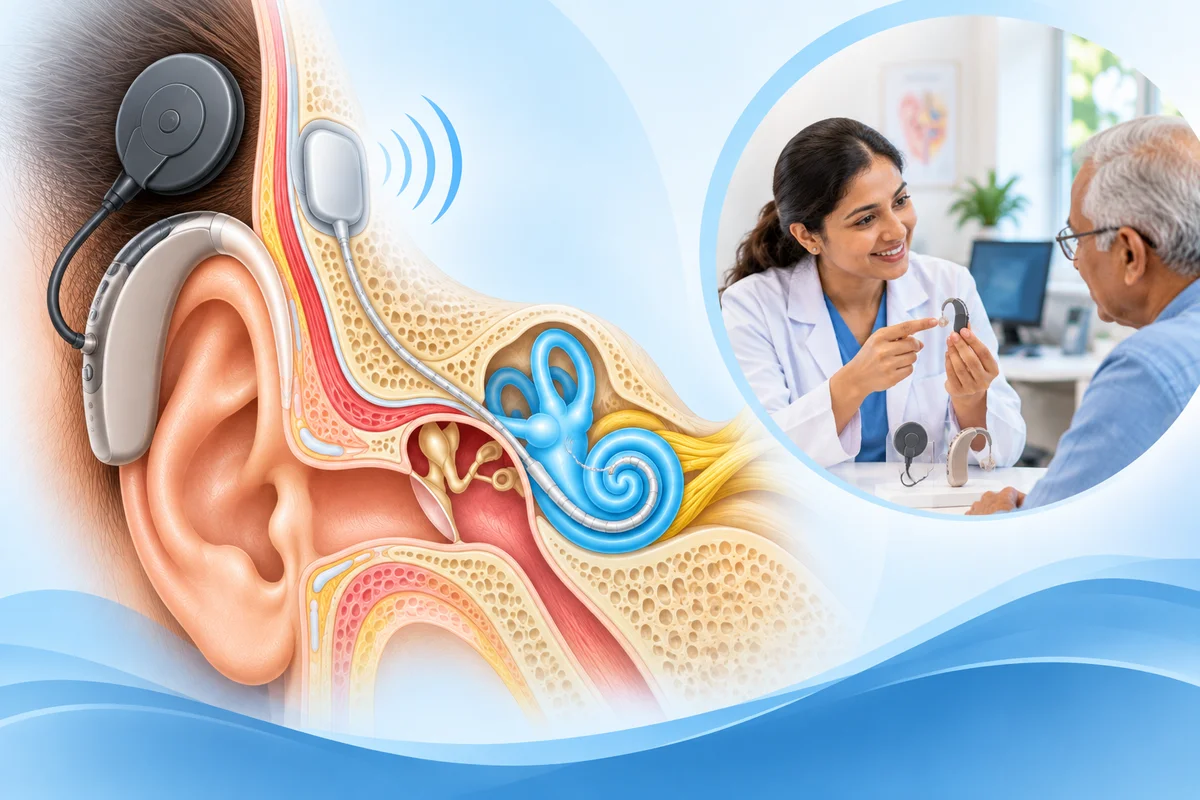
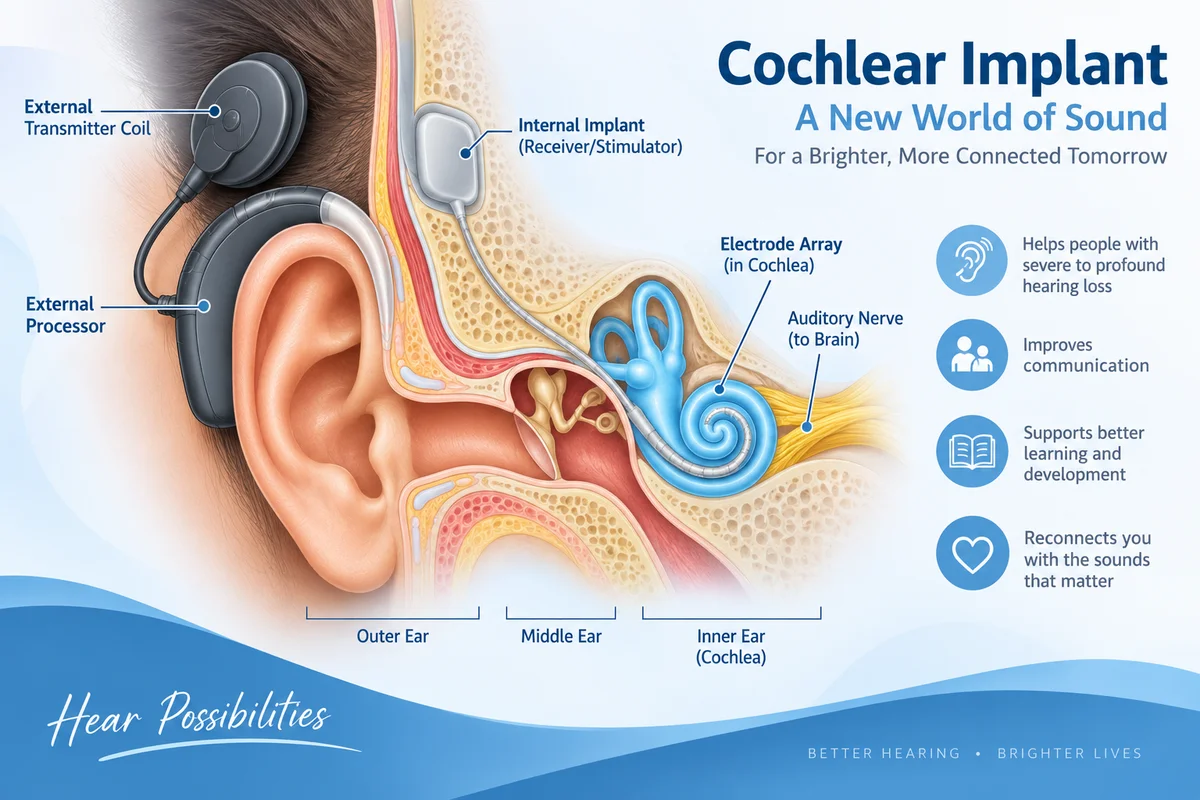
For individuals whose tinnitus is connected to hearing loss, modern hearing aids can offer dual benefits. Many hearing aids now come with built-in tinnitus masking or sound therapy features that generate soothing background noise directly through the device.
By improving overall hearing and simultaneously introducing a masking sound, these devices often provide relief that feels immediate and consistent throughout the day. At VR Speech and Hearing Clinic, our audiologists can assess whether this option is suitable based on individual hearing profiles.
8. Acupressure and Gentle Ear Massage
Some patients find quick, temporary relief through gentle acupressure around the ears and temples. Lightly massaging the area just in front of the ear, behind the earlobe, and along the temples can improve blood circulation and ease tension that may be contributing to the ringing sensation.
While this is not a scientifically standardized treatment, many people report a calming effect and a temporary reduction in tinnitus loudness after a few minutes of gentle massage, making it a helpful addition to a broader therapy routine.
9. Mindfulness and Grounding Techniques
Mindfulness practices help redirect attention away from the tinnitus sound and back to the present moment. A common grounding exercise involves focusing on five things you can see, four things you can touch, three things you can hear other than the tinnitus, two things you can smell, and one thing you can taste.
This sensory redirection technique interrupts the anxious focus on the ringing sound and can bring a sense of calm within just a few minutes. Regular mindfulness practice has also been shown to reduce the overall emotional distress associated with chronic tinnitus.
10. Limiting Stimulants and Adjusting Diet
Caffeine, nicotine, and excessive salt intake are known to aggravate tinnitus symptoms in many individuals by affecting blood flow and nerve activity in the inner ear. Cutting back on these stimulants, especially during a tinnitus flare-up, can bring noticeable relief within a short period.
Staying well hydrated and maintaining stable blood sugar levels through balanced meals can also help minimize sudden spikes in tinnitus intensity, particularly for those who notice a pattern between their diet and symptom severity.
11. Professional Ear Cleaning and Evaluation
In some cases, tinnitus is directly caused by earwax buildup or blockage, and the fastest relief comes simply from professional ear cleaning. Attempting to remove earwax at home with cotton swabs can often push wax further in and worsen the problem, so it is best to have this done by a trained professional.
A comprehensive ear evaluation at a clinic can also rule out infections, fluid buildup, or other structural issues that might be contributing to the sound, ensuring that the chosen therapy technique actually targets the underlying cause.
Building a Long-Term Tinnitus Management Plan
While the techniques above can offer immediate relief, tinnitus management works best as a combination approach. Sound therapy paired with relaxation techniques, professional hearing evaluations, and cognitive strategies tend to produce more sustainable results than relying on a single method alone.
It is also important to track patterns. Keeping a simple journal noting when tinnitus feels louder, what activities preceded it, and what techniques helped can provide valuable insight for both the patient and their audiologist. Over time, this pattern recognition often leads to more targeted and effective long-term management strategies.
When to See a Specialist
While home-based techniques can provide meaningful relief, certain signs indicate it is time to consult a hearing specialist:
Tinnitus that appears suddenly and is accompanied by hearing loss
Ringing that occurs only in one ear
Tinnitus paired with dizziness or balance issues
Symptoms that worsen over time despite home management
Tinnitus that significantly affects sleep, work, or emotional wellbeing
A thorough hearing assessment can identify underlying causes and open the door to more targeted therapy options, including customized sound therapy programs, hearing aids, or referrals for further medical evaluation.
How VR Speech and Hearing Clinic Can Help
At VR Speech and Hearing Clinic, we understand how disruptive tinnitus can be to everyday life. Our team of experienced audiologists uses advanced diagnostic tools to identify the underlying cause of tinnitus and creates individualized therapy plans that combine sound therapy, counseling, and hearing rehabilitation where needed.
Whether your tinnitus is mild and occasional or persistent and distressing, our clinic offers a supportive environment to explore both immediate relief techniques and long-term management strategies tailored to your specific needs. Early evaluation often makes a significant difference in how manageable tinnitus becomes over time.
Final Thoughts
Tinnitus can feel isolating, but it is a manageable condition with the right combination of techniques and professional guidance. From sound therapy and relaxation exercises to cognitive strategies and professional ear care, there are multiple pathways to finding relief. The key is not to rely on a single fix, but to build a personalized routine that addresses both the physical and emotional aspects of tinnitus.
If the ringing in your ears has been affecting your daily life, do not wait for it to resolve on its own. A proper evaluation can help uncover the root cause and guide you toward the most effective combination of therapies for lasting relief.
Frequently Asked Questions
1. Can tinnitus go away on its own? In some cases, especially when caused by temporary factors like loud noise exposure or earwax buildup, tinnitus can fade on its own once the underlying cause is resolved. However, chronic tinnitus often requires ongoing management techniques rather than a one-time fix.
2. What is the fastest way to reduce tinnitus symptoms? Sound therapy, deep breathing exercises, and jaw or neck muscle relaxation are among the fastest ways to reduce the perceived intensity of tinnitus, often providing noticeable relief within minutes.
3. Is tinnitus a sign of permanent hearing damage? Not always. Tinnitus can occur with or without hearing loss and may be linked to temporary factors like stress, earwax, or muscle tension. A hearing evaluation is the best way to determine the underlying cause.
4. Can stress make tinnitus worse? Yes, stress and anxiety are well-known triggers that can amplify the perceived loudness of tinnitus. Relaxation techniques and mindfulness practices can help reduce this stress-related intensification.
5. Do hearing aids help with tinnitus? For individuals with hearing loss, hearing aids can help by improving overall hearing and, in many cases, offering built-in sound therapy features designed specifically to mask tinnitus.
6. When should I see an audiologist for tinnitus? If tinnitus appears suddenly, occurs in only one ear, is accompanied by dizziness or hearing loss, or significantly affects your daily life, it is important to schedule a professional hearing evaluation as soon as possible.
7. Can diet affect tinnitus? Yes, excessive caffeine, nicotine, and salt intake can aggravate tinnitus symptoms in some individuals. Reducing these stimulants and maintaining a balanced diet may help minimize flare-ups.