Speech Therapy Activities for Kids: Fun Exercises That Really Work
Speech Therapy Activities for Kids: Fun Exercises That Really Work
Every parent wants their child to communicate confidently, but not every child reaches speech and language milestones at the same pace. Whether your little one has trouble pronouncing certain sounds, struggles to form sentences, or has been diagnosed with a speech delay, the good news is that consistent practice through play can make a real difference. Speech therapy activities for kids are designed to strengthen the muscles used for speech, expand vocabulary, and build the confidence children need to express themselves.
At VR Speech and Hearing Clinic, led by Dr. Vilas Rathod (BASLP) and audiologist Vikas Rathod, families are guided through personalized speech and hearing evaluations followed by targeted therapy plans. This article walks you through practical, easy-to-follow speech therapy activities you can try at home, along with guidance on when to consult a professional speech-language pathologist.

Why Speech Therapy Activities Matter
Children learn language through repetition, imitation, and interaction. Structured speech activities give kids repeated opportunities to practice sounds and sentence patterns in a low-pressure, enjoyable setting. Regular practice at home, combined with professional therapy sessions, helps reinforce what a child learns in the clinic and speeds up progress. These activities also support broader developmental areas such as listening skills, social interaction, and cognitive growth.
Signs Your Child May Benefit from Speech Therapy
Before diving into activities, it helps to recognize early signs that a child may need speech support:
Limited vocabulary compared to same-age peers
Difficulty forming two- or three-word sentences by age two or three
Trouble being understood by family members or teachers
Stuttering or repeating sounds and words frequently
Difficulty following simple instructions
Frustration when trying to communicate needs
If you notice any of these signs, an evaluation with a qualified audiologist or speech-language pathologist is a good first step.
Top Speech Therapy Activities for Kids
1. Blowing Bubbles and Straw Exercises
Blowing bubbles or drinking through a straw strengthens the oral muscles used in speech production. These oral-motor exercises improve breath control, which is essential for clear articulation.
2. Mirror Play
Sitting with your child in front of a mirror while practicing sounds helps them see how their lips, tongue, and mouth move. This visual feedback makes it easier for children to imitate correct sound placement.
3. Picture Card Naming Games
Using flashcards with everyday objects, animals, or actions encourages vocabulary building. Ask your child to name the picture, then expand it into a short sentence to practice sentence structure.
4. Storytelling and Picture Books
Reading books together and pausing to ask questions like "What happens next?" or "How does the character feel?" builds narrative skills, comprehension, and expressive language.
5. Sound Repetition Games
For children working on articulation, repeating target sounds in isolation, then in syllables, words, and sentences, helps them master tricky consonants like "s," "r," or "th."
6. Simon Says
This classic game reinforces listening comprehension and following directions while making language learning playful and interactive.
7. Puppet Play
Puppets encourage shy or hesitant children to speak more freely since they can "hide" behind a character. This is particularly useful for children who are anxious about speaking directly.
8. Singing Songs and Nursery Rhymes
Music naturally slows down speech and emphasizes rhythm, making it easier for children to imitate sounds and word patterns. Repetitive songs also aid memory and vocabulary retention.
9. Categorization Games
Sorting objects or pictures into categories such as fruits, animals, or colors helps children build word association skills and expand their understanding of language concepts.
10. Describe and Guess
Encourage your child to describe an object without naming it while you guess what it is. This activity builds descriptive vocabulary and expressive language skills.
11. Turn-Taking Conversations
Practicing simple back-and-forth conversations teaches children the social rules of communication, including listening, waiting for their turn, and responding appropriately.
12. Tongue Twisters
For older children, tongue twisters are a fun way to practice articulation and improve clarity of speech, especially for specific problem sounds.
13. Play Dough Fun with Sound Prompts
Rolling, squeezing, and shaping play dough while naming shapes, colors, or actions combines fine motor development with language practice.
14. Sequencing Activities
Arranging pictures in the correct order to tell a story helps children understand cause and effect and develop logical, structured speech.
15. Everyday Narration
Simply narrating your daily activities out loud, such as cooking or getting dressed, exposes children to natural language patterns and new vocabulary in context.
Tips for Parents Practicing at Home
Keep sessions short, around 10 to 15 minutes, to match your child's attention span.
Celebrate small wins to keep motivation high.
Avoid correcting every mistake; instead, model the correct pronunciation naturally.
Make activities part of daily routines rather than isolated "lessons."
Stay consistent, since regular short sessions are more effective than occasional long ones.
Involve siblings and family members to create more natural speaking opportunities.
When to See a Speech-Language Pathologist
While home activities are valuable, they work best alongside professional guidance. A certified speech-language pathologist can accurately diagnose the type and severity of a speech or language delay and create a customized therapy plan. Hearing issues are also a common but often overlooked cause of speech delays, which is why a combined speech and hearing evaluation is recommended for children who are not meeting expected milestones.
Hearing Aids and Speech Development
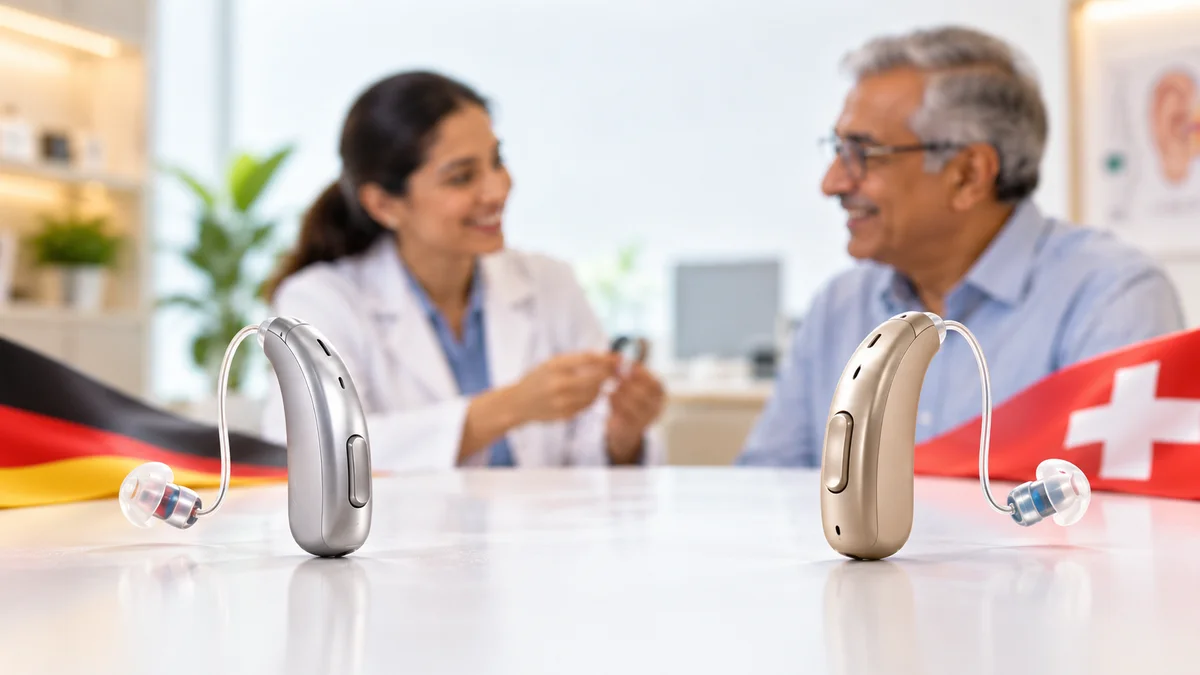
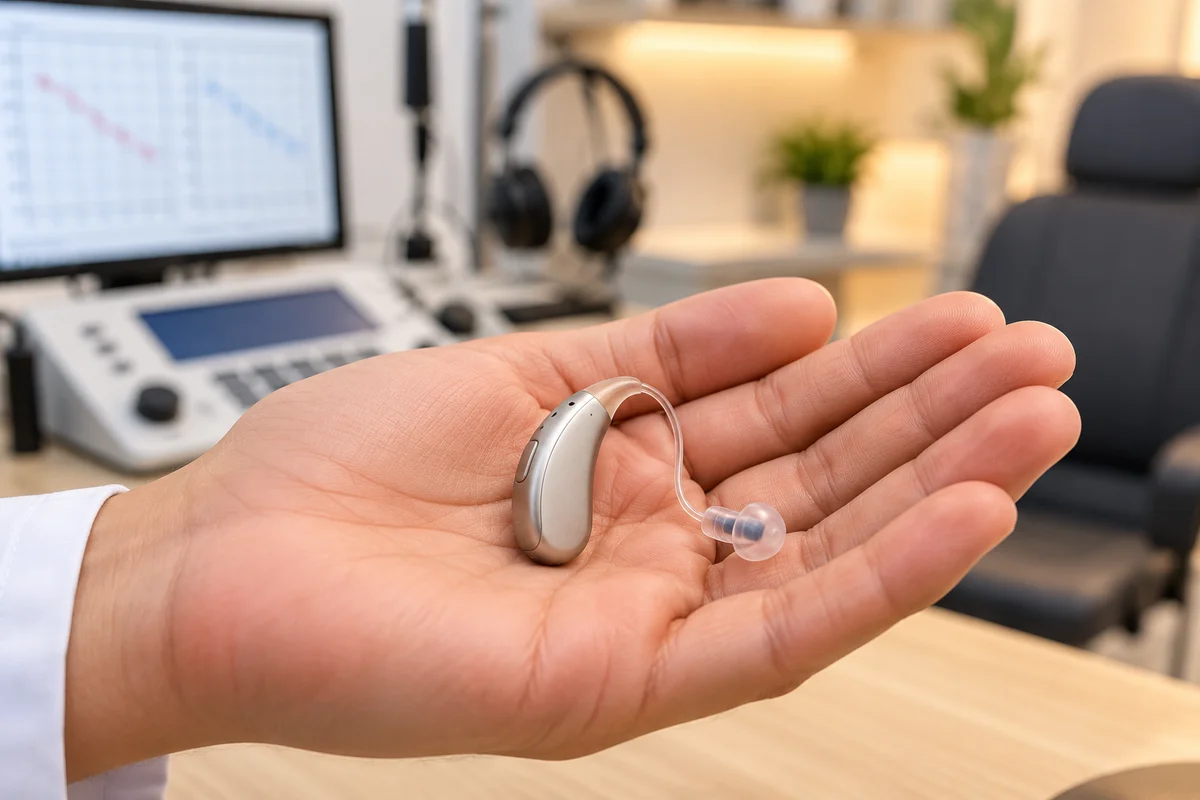
For children with hearing loss, undetected hearing issues can significantly delay speech and language development. Early diagnosis and appropriately fitted hearing aids allow children to access sound clearly, which is the foundation for learning to speak. Below is a general hearing aid pricing guide to help families understand the range of options available. Exact pricing may vary based on brand, technology level, and individual fitting requirements, so an in-clinic consultation is recommended for accurate quotes.
Hearing Aid Category | Technology Level | Typical Features | Approximate Price Range |
|---|---|---|---|
Basic Analog/Digital | Entry-level | Basic amplification, manual volume control | ₹8,000 – ₹20,000 |
Mid-Range Digital | Standard | Noise reduction, feedback cancellation, multiple programs | ₹20,000 – ₹45,000 |
Advanced Digital | Premium | Bluetooth connectivity, rechargeable battery, directional microphones | ₹45,000 – ₹80,000 |
Pediatric-Specific | Specialized | Tamper-resistant battery doors, durable casing, FM system compatibility | ₹25,000 – ₹60,000 |
Premium/High-End | Top-tier | AI-based sound processing, app control, multiple environment settings | ₹80,000 and above |
Note: Prices are indicative and subject to change. Please consult VR Speech and Hearing Clinic directly for the most accurate and updated pricing based on your child's specific needs.
How VR Speech and Hearing Clinic Can Help
At VR Speech and Hearing Clinic, Dr. Vilas Rathod, BASLP, brings clinical expertise in diagnosing and treating speech, language, and communication disorders in children. Alongside audiologist Vikas Rathod, the clinic offers comprehensive hearing assessments, hearing aid fittings, and customized speech therapy programs tailored to each child's needs. Whether your child is dealing with articulation issues, language delay, stuttering, or hearing-related speech difficulties, the clinic's family-centered approach ensures children receive both clinical care and practical home strategies for faster, more sustainable progress.
Conclusion
Speech therapy activities for kids don't have to feel like formal lessons. With the right blend of play, repetition, and encouragement, children can build stronger communication skills in an environment that feels natural and fun. Pairing these home activities with professional guidance from experienced specialists gives children the best possible foundation for confident, clear communication. If you have concerns about your child's speech, language, or hearing development, reaching out to a qualified clinic for an evaluation is always a worthwhile first step.
Frequently Asked Questions (FAQs)
Q1. At what age should a child start speech therapy?
Speech therapy can begin as early as 18 months to 2 years if a delay is suspected. Early intervention generally leads to better long-term outcomes.
Q2. Can speech therapy activities be done at home without a therapist?
Yes, many activities can be practiced at home, but they work best when combined with guidance from a certified speech-language pathologist for accurate assessment and personalized strategies.
Q3. How long does it take to see improvement from speech therapy?
Progress varies by child and the nature of the speech or language issue. Some children show noticeable improvement within a few weeks, while others may need several months of consistent therapy.
Q4. Can hearing loss cause speech delays in children?
Yes, undiagnosed hearing loss is one of the most common causes of speech and language delays. A hearing evaluation is recommended alongside speech assessments.
Q5. How do I choose the right hearing aid for my child?
The right hearing aid depends on the degree of hearing loss, the child's age, lifestyle, and budget. A professional fitting and consultation with an audiologist ensures the best fit and performance.
Q6. Is stuttering a normal part of childhood development?
Mild, temporary stuttering is common in young children learning to speak. However, if it persists beyond a few months or worsens, a professional evaluation is recommended.