Speech and Language Therapy for Children: Key Benefits and Techniques
What Is Speech and Language Therapy for Children?
Speech and language therapy is vital for children with communication challenges. It helps them improve their speech and language skills. This therapy is essential for children with developmental delays, autism, or Down syndrome.
Early intervention is crucial for effective outcomes. The sooner therapy begins, the better the results. Each child's therapy is tailored to their unique needs.
Therapists use various techniques to engage children. Play-based therapy is a common approach. It makes learning fun and effective.
Parents play a key role in their child's progress. Consistent practice at home reinforces therapy. Collaboration with therapists and educators is also important.
Finding local services is easier than you think. Search for "speech and language therapy for children near me" to get started.
Understanding Speech and Language Therapy
Speech and language therapy focuses on improving a child’s communication abilities. It helps with speaking, understanding, and using language effectively. This therapy aims to address specific communication disorders.
Therapists assess each child's needs before starting therapy. They identify areas that require targeted interventions. Therapy plans are then crafted to suit individual requirements.
Speech therapy involves various techniques tailored to the child’s needs. These approaches may include articulation therapy, to improve speech sound production. Language intervention activities help in boosting vocabulary and comprehension.
Additionally, therapists use engaging methods to facilitate learning. Play-based activities are popular, especially for younger children. This method helps keep children interested and motivated during sessions.
Here are some aspects often addressed in therapy:
Articulation
Fluency
Vocabulary
Expressive language

Understanding these components is crucial for parents. It enables them to better support their child’s progress. Familiarity with therapy goals also allows for a collaborative approach at home and with professionals.
Who Can Benefit from Speech and Language Therapy?
Speech and language therapy offers advantages to various children. Those with developmental delays often see significant gains. Autism and Down syndrome are also conditions where therapy proves beneficial.
Children who exhibit language disorders or difficulty communicating are prime candidates. The therapy supports enhancing their speech clarity and comprehension. Early intervention is crucial for these children to develop necessary skills.
Here's a list of those who may benefit:
Children with developmental delays
Kids with autism spectrum disorders
Those with speech sound disorders
Children with Down syndrome
Other children experiencing social or academic challenges due to communication issues can also benefit. Improved communication skills foster better social interactions. This can dramatically boost confidence and participation in school activities.
Key Areas Addressed in Therapy
Speech and language therapy is customized to meet each child's unique needs. Several key areas are typically addressed during sessions. These areas include speech sound disorders, language understanding, and expression.
Therapists focus on helping children improve their ability to articulate sounds correctly. They work on developing vocabulary and mastering sentence structures. Comprehension and following directions are also major focus points.
Beyond these, children may need assistance with social communication skills. This includes using language appropriately in different contexts. Below are some key areas in therapy:
Articulation and phonological disorders
Expressive and receptive language skills
Social communication and pragmatics
Oral motor skills
Therapists may employ a variety of activities targeting these areas. The goal is to ensure the child can communicate effectively across different settings.

Common Speech Therapy Techniques and Approaches
Speech therapists use diverse techniques to engage children effectively. These approaches cater to improving speech and language skills comprehensively. A tailored approach ensures each child receives the right interventions for their needs.
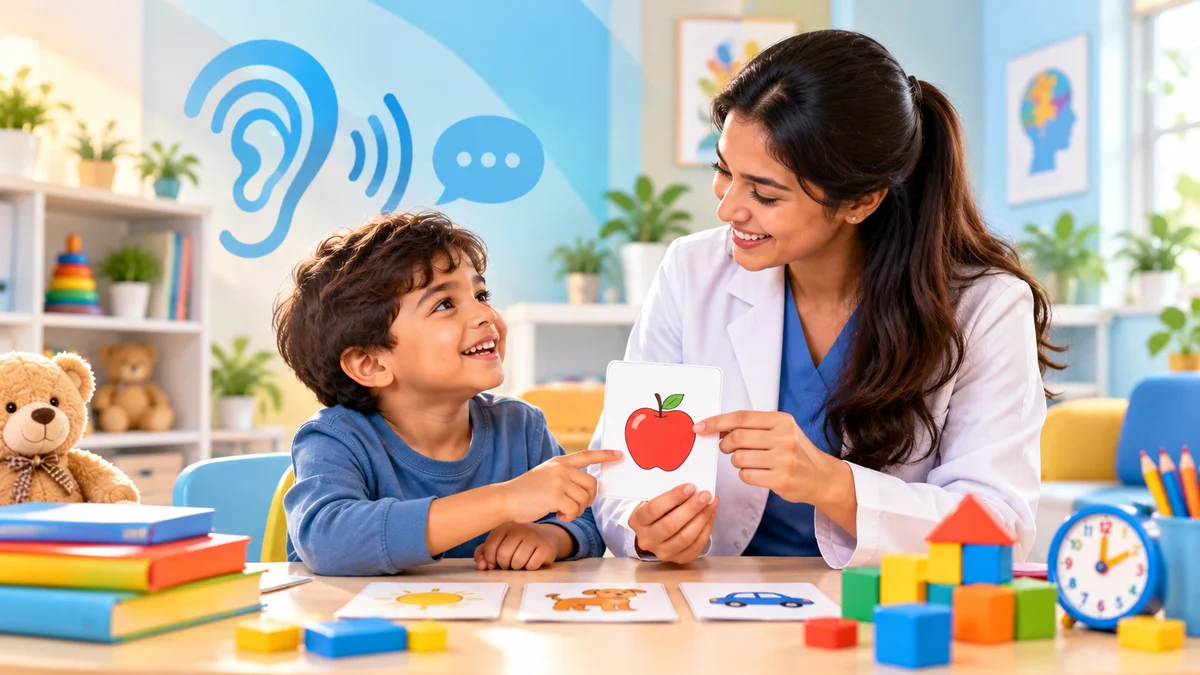
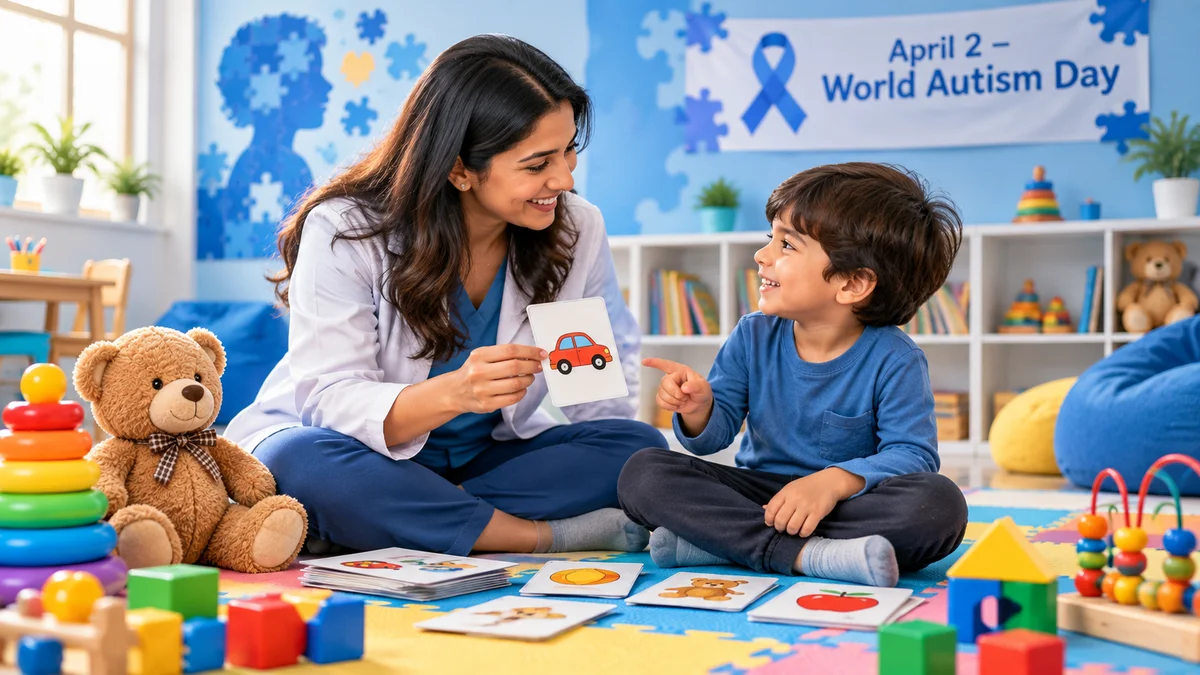
Play-based therapy is a popular method. It keeps sessions interactive and enjoyable for children. Through play, children learn language naturally while remaining engaged.
In addition to play, modeling and repetition are vital techniques. Therapists model correct speech and encourage children to imitate. Repetition helps reinforce new skills and enhances retention over time.
Visual aids also play a crucial role in therapy. They support understanding and recall by providing clear visual context. These aids might include pictures, flashcards, or simple diagrams. Techniques utilized often include:
Play-based activities
Modeling correct speech
Repetitive practice
Use of visual supports
Therapists adjust techniques based on the child's progress and response. This flexibility helps achieve the best possible outcomes.

by Vitaly Gariev (https://unsplash.com/@silverkblack)
The Importance of Early Language Intervention
Early language intervention is crucial for a child's communication development. It can prevent long-term academic and social challenges. Identifying and addressing issues early leads to more effective outcomes.
Children who receive early intervention often show significant improvements in their speech and language skills. The key is to start therapy as soon as a delay is suspected. Parents and caregivers should be vigilant and proactive.
Essential benefits of early intervention include:
Enhanced vocabulary development
Improved communication abilities
Better overall language skills
Prompt action ensures children have the best chance to thrive. Early efforts provide a solid foundation for future learning and social interactions.
How Occupational Therapy and Speech Language Pathology Work Together
Occupational therapy and speech language pathology often collaborate to support children with communication challenges. These disciplines focus on enhancing both verbal and non-verbal skills. Children benefit from a holistic approach, addressing a range of developmental needs.
Collaborative efforts include:
Improving fine motor skills alongside communication abilities
Supporting sensory processing as it relates to speech
Helping children with daily communication tasks
By combining expertise, therapists create integrated strategies. This teamwork results in more comprehensive care, adapting to each child's unique needs. Working together, they help children achieve significant progress across various areas of development.
Finding Speech and Language Therapy Services Near You
Locating the right speech and language therapy services is crucial for your child's development. Start by searching for "speech and language therapy for children near me." This can yield local options tailored to your child's needs.
Consider these methods:
Ask your pediatrician for recommendations
Check local clinics and schools offering speech therapy
Explore online directories for certified therapists
Ensure to look for qualified professionals with experience in pediatric therapy. Make inquiries to understand their methods and success stories. This helps in making an informed decision about the best fit for your child.

by Ahmadreza Rezaie (https://unsplash.com/@ahmdrzarzai)
Supporting Your Child at Home and Beyond
Supporting your child's speech therapy extends beyond professional sessions. Consistent practice at home is vital for progress. Engage your child in interactive activities that reinforce therapy goals.
Consider these activities:
Read books together to expand vocabulary
Encourage conversations during meals
Play games that involve following directions
Collaboration with educators ensures a holistic approach to speech development. Regular communication with therapists allows for updates and adaptations in strategies, making therapy more effective.