5 Signs You Need to Replace Your Hearing Aids

Hearing aids are a long-term investment in your quality of life, but like any device, they don't last forever. Most hearing aids have a lifespan of 3 to 7 years, depending on the make, model, and how well they've been maintained. Over time, wear and tear, changing hearing needs, and advances in technology can mean your current device is no longer serving you as well as it should.
At VR Speech and Hearing Clinic, we often meet patients who continue using outdated or malfunctioning hearing aids simply because they aren't sure when it's time to upgrade. Below are five clear signs that indicate your hearing aids may need to be replaced.
1. Frequent Repairs and Malfunctions
If you find yourself visiting the clinic or service center more often than usual for repairs, this is a strong signal that your hearing aid is nearing the end of its functional life. Constant static, cutting in and out, or complete device failure can disrupt your daily communication and become costly over time. When repair costs start adding up and issues keep recurring, replacing the device is often more practical than continuing to fix it.
2. Sound Quality Has Diminished
Have conversations started to feel muffled, distorted, or unclear even with your hearing aids turned on? A noticeable drop in sound clarity, especially in noisy environments, is often a sign that the internal components are wearing down. Newer hearing aids come with advanced noise-reduction and speech-clarity technology that older models simply cannot match.
3. Your Hearing Needs Have Changed
Hearing loss can progress over time, and a device that once worked perfectly may no longer provide adequate amplification. If you notice yourself struggling to hear even with your hearing aids on, asking people to repeat themselves more often, or turning up the volume excessively, it may be time for a hearing evaluation and a device better suited to your current hearing profile.
4. Physical Wear and Tear
Daily use, exposure to moisture, earwax buildup, and general aging can all take a toll on the physical components of a hearing aid. Cracks in the casing, corroded battery contacts, or a poor fit due to changes in your ear shape are all signs that the device may no longer function as intended, regardless of how well it's been maintained.
5. Outdated Technology
Hearing aid technology has advanced significantly in recent years. Features like Bluetooth connectivity, rechargeable batteries, artificial intelligence-based sound processing, and app-based controls are now standard in newer devices. If your current hearing aids lack these features or feel clunky and outdated compared to what's available today, an upgrade could dramatically improve your listening experience and convenience.
Why Choose VR Speech and Hearing Clinic
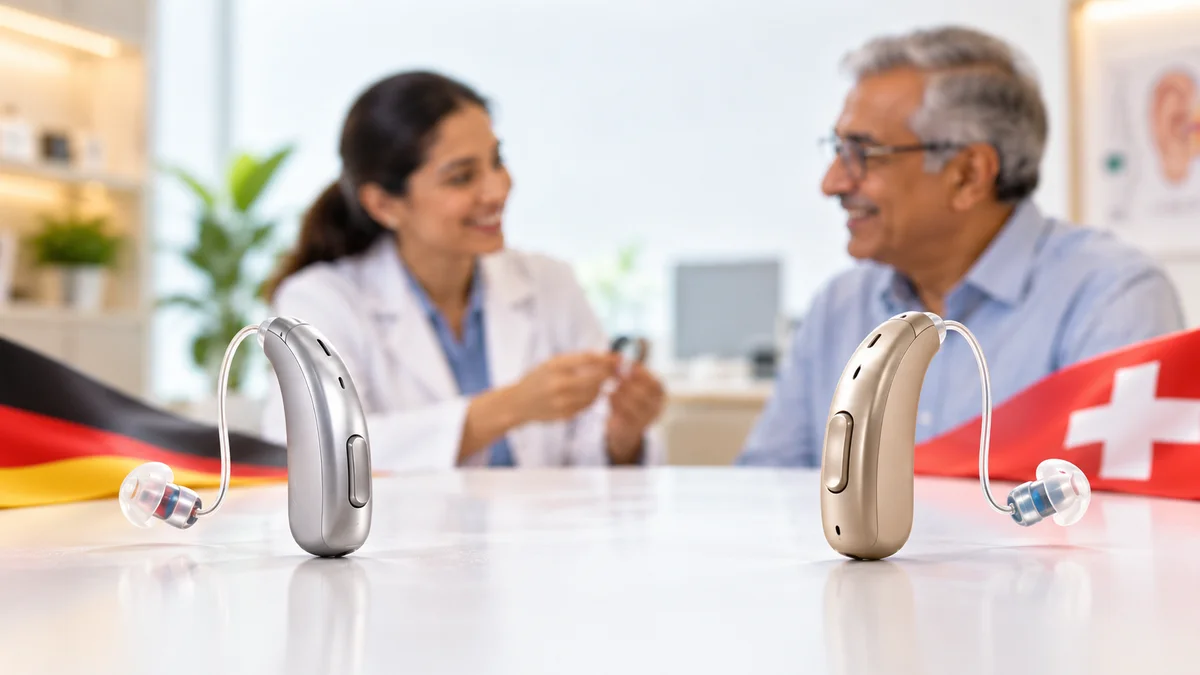
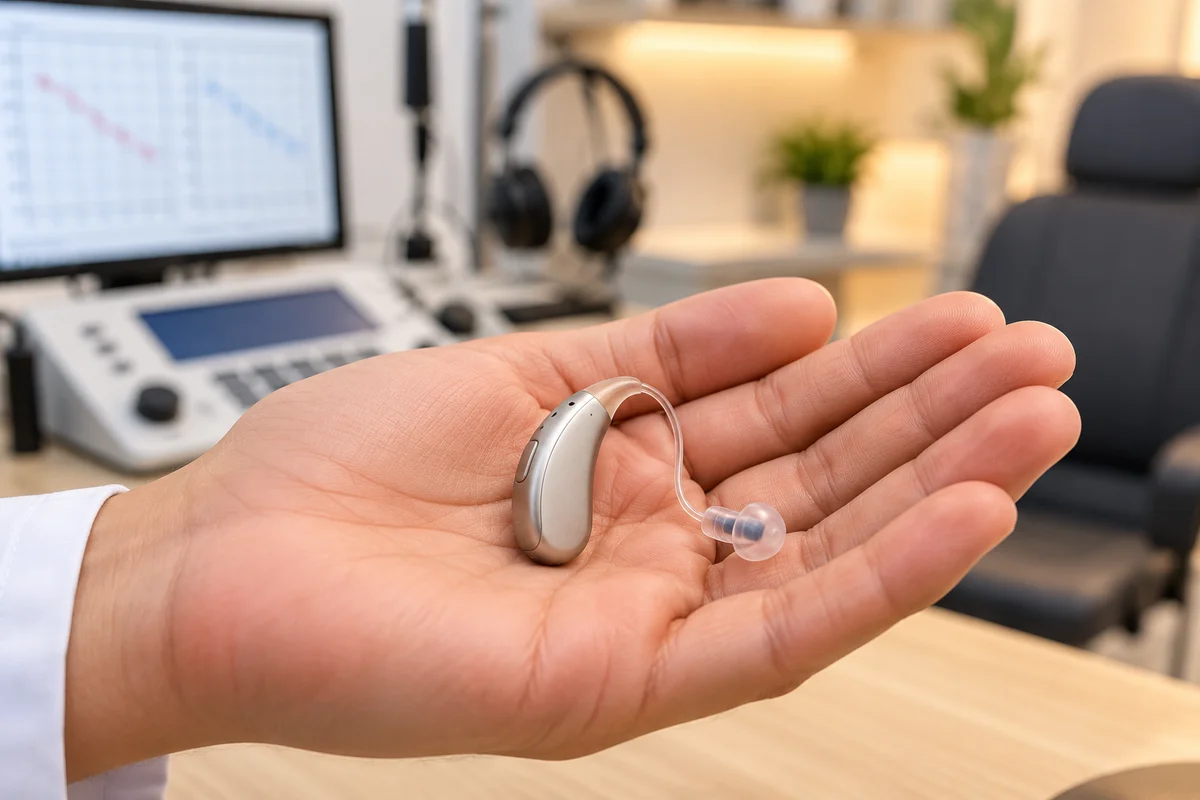
Replacing your hearing aids is an important decision, and it should be guided by a professional hearing assessment rather than guesswork. At VR Speech and Hearing Clinic, our audiologists evaluate your current hearing status, lifestyle needs, and budget to recommend the most suitable hearing aid options. We offer a wide range of the latest hearing aid technology along with fitting, counseling, and ongoing support to ensure you get the best possible hearing experience.
Frequently Asked Questions
Q1. How long do hearing aids typically last?
Most hearing aids last between 3 to 7 years, depending on the brand, build quality, and how well they are maintained.
Q2. What are the signs that my hearing aid battery or device is failing?
Common signs include frequent static or distortion, reduced sound clarity, the need for frequent repairs, and inconsistent performance even after maintenance.
Q3. Can I upgrade my hearing aids even if my hearing loss hasn't changed?
Yes. Many people upgrade simply to benefit from newer technology, better comfort, improved battery life, or added features like Bluetooth connectivity.
Q4. Is it better to repair or replace an old hearing aid?
It depends on the age and condition of the device. If repairs are frequent or costly, or if the device is more than 5 years old, replacement is usually the more practical option.
Q5. How do I know which new hearing aid is right for me?
A professional hearing evaluation at a clinic like VR Speech and Hearing Clinic can help determine your current hearing needs and recommend the best-suited device based on your lifestyle and budget.
Q6. Does insurance cover hearing aid replacement?
Coverage varies by provider and plan. It's best to check with your insurance company or consult our clinic team, who can help you understand your options.