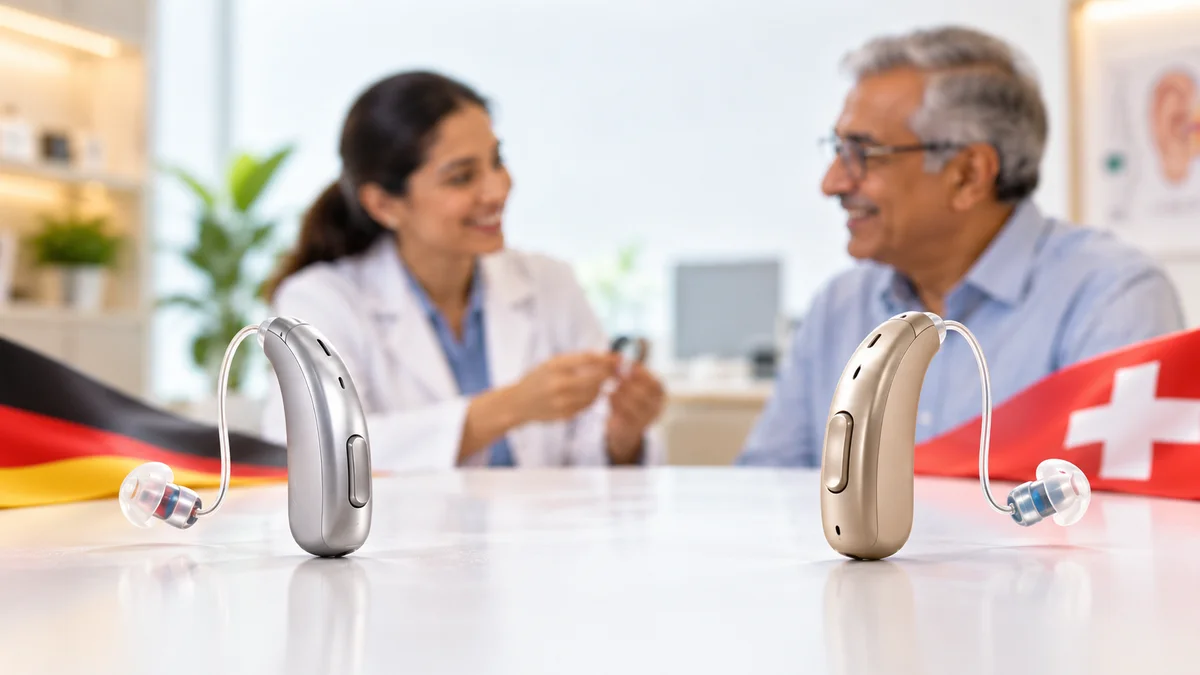
Can Senior Citizens Get Hearing Aids at Subsidized Rates?
Can Senior Citizens Get Hearing Aids at Subsidized Rates?
Growing older often brings changes in hearing ability, and for many families, the immediate concern is affordability. A common question we hear at VR Speech And Hearing Clinic is whether senior citizens automatically qualify for discounted or free hearing aids simply because of their age. The honest answer is more nuanced than a simple yes or no, and understanding how subsidy systems actually work can save families a lot of confusion and wasted time.
Do Senior Citizens Automatically Qualify for Subsidies?
In India, age alone is rarely the deciding factor for hearing aid subsidies. Most support programs are structured around the degree of hearing impairment a person has, their income level, or their inclusion in a recognized welfare category. This means two seniors of the same age could have very different outcomes when applying for assistance — one may qualify because their hearing loss is classified as a disability, while another with mild hearing difficulty may not meet the threshold, regardless of their financial situation.
This distinction matters because it shapes expectations. Families sometimes assume that reaching a certain age automatically opens the door to free devices, and when that isn't the case, it can delay much-needed hearing care. Knowing upfront that eligibility is condition-based, not age-based, helps families plan their next steps more realistically.
Government Assistance Programs for Hearing Aids
Several public welfare schemes in India do provide hearing aids to individuals who meet specific criteria. These programs are generally aimed at people with a significant, documented hearing impairment rather than the gradual hearing changes that come with normal aging. When someone qualifies, the support may cover the hearing aid itself at no or reduced cost, along with basic fitting services at approved centers and some degree of follow-up care.
However, the scope and quality of this support can vary. Processing times, the number of available devices, and administrative procedures differ depending on where a person lives and how the local implementation of the scheme is managed. It's not unusual for there to be waiting lists or paperwork delays, so families should build extra time into their planning if they intend to pursue this route.
Why Disability Certification Matters
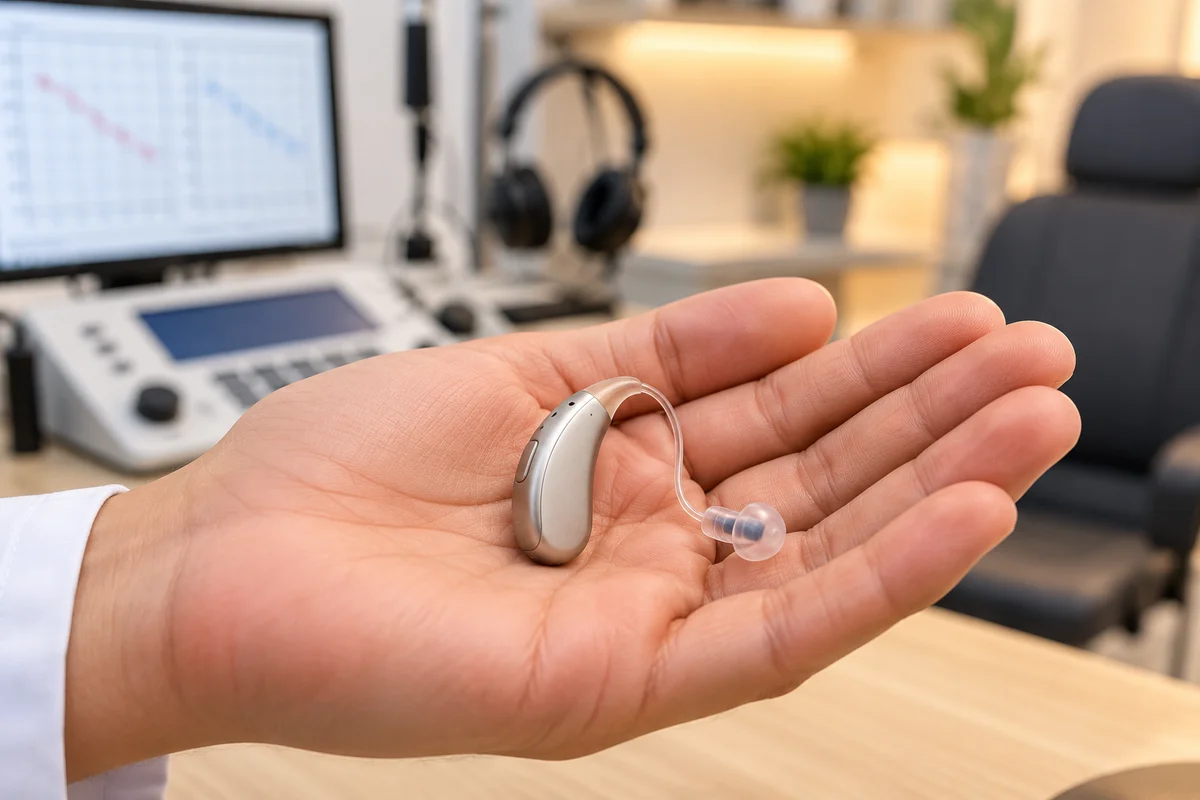
A key requirement in most government-backed programs is an official certification of hearing disability. This isn't something a family can self-declare — it typically requires a formal audiological evaluation at a recognized hospital or diagnostic center. The certification confirms not just that hearing loss exists, but that it is severe enough, and permanent enough, to meet the program's defined criteria.
This is where many seniors are unintentionally excluded. Someone with mild to moderate hearing loss might struggle noticeably in daily conversations, especially in noisy settings or on the phone, yet still not meet the formal threshold used for certification. This is a common source of frustration, so it helps to get a proper hearing assessment early, both to understand the true extent of hearing loss and to know whether certification is a realistic possibility.
State-Level Variations in Support
Beyond centrally administered programs, individual state governments often run their own welfare initiatives for assistive devices, including hearing aids. Because these are managed at the state level, the way support is delivered can look quite different from one region to another. Some states organize periodic distribution camps where hearing aids are provided directly to eligible individuals. Others may work through government hospitals, offering partial reimbursement or referral-based access.
Given this variability, it's worth checking directly with local health departments or social welfare offices to understand what's currently available in your specific area. What applies in one state may not apply in another, and offerings can also change over time based on funding and policy priorities.
Support from Non-Profit and Charitable Organizations
Not every senior who needs help will qualify for a government scheme, but that doesn't mean all options are exhausted. Numerous non-profit organizations and charitable trusts across India work specifically to make hearing care more accessible to people with limited financial means. These organizations often step in precisely where formal government criteria leave gaps.
Support through these channels might include hearing aids offered at a significantly reduced cost, or in some cases, donated devices. Many also run community hearing screening camps, which can be a helpful first step in identifying hearing loss and connecting individuals with clinics or resources suited to their needs. Since these organizations typically operate with limited funding, they often prioritize applicants with clear financial hardship or significant functional impairment.
What to Expect from Subsidized Hearing Aids
It's important to set realistic expectations about what a subsidized hearing aid actually offers. These devices are generally designed to address essential hearing needs — helping a person follow conversations in quiet to moderately noisy settings — rather than providing the advanced features found in premium models. Brand choice and cosmetic options are usually limited, and the technology tends to be more basic in terms of sound processing.
This doesn't mean subsidized hearing aids are ineffective. For many seniors, even a basic device can meaningfully improve daily communication and reduce the isolation that often comes with untreated hearing loss. The key is understanding that subsidized options prioritize function over customization.
Common Challenges with Subsidy Programs
While these programs provide genuine value, they come with practical limitations that families should factor into their decision-making. Long waiting periods are common, particularly in high-demand areas where supply doesn't always keep pace with the number of applicants. Device options tend to be restricted to a small range of models, and finding convenient servicing or repair support after the initial fitting isn't always straightforward.
Trial periods and the flexibility to adjust settings may also be more limited compared to a privately purchased hearing aid. For some users, this can affect how comfortable and satisfied they are with the device over the long run. None of this means subsidized aids aren't worth pursuing — it simply means families should go in with clear expectations.
When Private Purchase Makes More Sense
For some seniors, private purchase ends up being the more practical route. This is often the case when a person's hearing loss doesn't meet the formal disability threshold required for subsidy programs, or when there's a need for faster access without waiting for administrative processing. Others may specifically want a device with features that improve ease of use across varied listening environments, such as noisy restaurants or group settings.
Private hearing aids typically allow for more personalized fitting, a wider selection of technology, and more consistent aftercare — but this comes at a higher upfront cost. Ultimately, the decision often comes down to weighing accessibility against comfort, lifestyle demands, and long-term usability.
How to Approach the Process Responsibly
The most useful first step for any family is a professional hearing evaluation. This clarifies the actual severity of hearing loss and helps determine which support pathways, if any, are realistically available. From there, it's worth investigating both government and non-profit options early, since documentation requirements and processing timelines can take time to work through.
At VR Speech And Hearing Clinic, we encourage families to approach this process without unnecessary delay. Waiting to "see if things get worse" before seeking an evaluation often means missing out on early intervention, which tends to produce better outcomes and a smoother adjustment period for the hearing aid user.
Clearing Up Common Misconceptions
A few misunderstandings tend to come up repeatedly. One is the belief that every senior citizen is automatically entitled to a subsidized hearing aid — in practice, eligibility depends on documented need, not age. Another is the assumption that subsidized hearing aids don't work well simply because they're offered at lower or no cost; while basic, these devices can still meaningfully support everyday communication. Finally, some assume a single fitting appointment is enough, when in reality, most users benefit from follow-up visits to fine-tune their device and get the most value out of it over time.
Final Thoughts
Subsidized hearing aids can be a genuine lifeline for eligible seniors, but access depends on a combination of medical criteria, documentation, income status, and how well local programs are implemented. For those who don't qualify, non-profit organizations and private purchase remain viable paths to better hearing. The most reliable starting point, regardless of which route a family eventually takes, is a thorough hearing evaluation with a qualified professional. At VR Speech And Hearing Clinic, we're here to help you understand where you stand and guide you toward the option that best fits your needs and circumstances.
FAQs
Can senior citizens get free hearing aids in India?
Some senior citizens may qualify for free or low-cost hearing aids through government or non-profit programs, but this depends on meeting specific disability and income-based criteria rather than age alone.
Is a certain level of hearing loss required to qualify for subsidies?
Yes, most programs require documented proof of significant, long-term hearing impairment, typically confirmed through a formal audiological assessment and official certification.
Are subsidized hearing aids reliable for everyday use?
While subsidized hearing aids are generally basic models, they can still effectively support daily conversation and communication needs for many users.
Do all Indian states offer the same hearing aid subsidy programs?
No, support varies significantly by state, with some regions offering distribution camps or reimbursement options while others provide more limited access.
Can seniors select their preferred brand under a subsidy scheme?
Brand and model choices are usually limited under subsidy programs, as they typically focus on providing functional, standard devices rather than a wide product range.
Does follow-up care come with subsidized hearing aids?
Follow-up support is often available but may be more limited in scope and duration compared to the aftercare provided with a privately purchased hearing aid.