Newborn Hearing Test | Early Hearing Screening for Babies
Newborn Hearing Test: Why Early Screening Matters for Your Baby
Every parent wants the best start in life for their child. One of the most important — and often overlooked — steps in newborn care is a hearing test. At VR Hearing Clinic, we provide accurate, gentle, and non-invasive hearing screenings for newborns and infants to ensure early detection of any hearing concerns.
What Is a Newborn Hearing Test?
A newborn hearing test is a simple, painless screening procedure performed to check whether a baby has normal hearing ability. Since hearing plays a critical role in speech development, language acquisition, and cognitive growth, identifying any hearing issues in the earliest weeks of life can make a life-changing difference.
Most newborn hearing tests are completed within a few minutes and can be done while the baby is sleeping or resting — making the process stress-free for both the infant and the parents.
Why Is Newborn Hearing Screening Important?
Hearing loss is one of the most common conditions present at birth, affecting approximately 1 to 3 babies out of every 1,000 newborns. Many cases go unnoticed without a formal screening because infants cannot communicate what they hear or don't hear.
Early identification of hearing loss through newborn hearing screening offers several vital benefits:
Early detection leads to earlier intervention, which significantly improves speech and language outcomes. Babies who receive timely support tend to develop communication skills comparable to hearing peers. Hearing loss that goes undetected can lead to developmental delays in learning, social skills, and emotional well-being. A confirmed result — whether normal or requiring follow-up — gives parents the clarity and peace of mind they need to plan the next steps confidently.
When Should a Newborn Hearing Test Be Done?
The ideal time for a newborn hearing screening is within the first month of life, preferably before the baby is discharged from the hospital or shortly after. If a baby does not pass the initial screening, a more detailed diagnostic hearing evaluation should be completed by three months of age. If hearing loss is confirmed, intervention should begin no later than six months of age for the best possible outcomes.
This is commonly known as the 1-3-6 guideline — Screen by 1 month, Diagnose by 3 months, and Intervene by 6 months.
Types of Newborn Hearing Tests
At VR Hearing Clinic, our audiologists use two clinically validated and internationally recognized hearing screening methods:
Otoacoustic Emissions (OAE) Test
This test checks how well the inner ear (cochlea) responds to sound. A small probe is gently placed in the baby's ear canal, and soft sounds are played. The ear's response is recorded. This test takes just a few minutes and is completely painless. It is most commonly used as the first-line screening tool for newborns.
Automated Auditory Brainstem Response (AABR) Test
This test measures how the hearing nerve and brain respond to sound. Small sensors are placed on the baby's head and tiny earphones deliver soft clicking sounds. The baby does not need to respond in any way — the system records the brain's natural response automatically. AABR is especially useful for babies who require a more comprehensive evaluation or did not pass the OAE test.
Both tests are safe, quick, and designed specifically for newborns and young infants.
What Happens If My Baby Does Not Pass the Screening?
It is important to understand that a "refer" result — meaning the baby did not pass the initial screening — does not necessarily mean your child has hearing loss. Factors such as fluid in the ear canal, movement during the test, or background noise can sometimes affect results.
However, it is essential that any refer result is followed up with a comprehensive diagnostic evaluation by a qualified audiologist as soon as possible. At VR Hearing Clinic, our team will guide you through every step of the follow-up process with compassion and expertise.
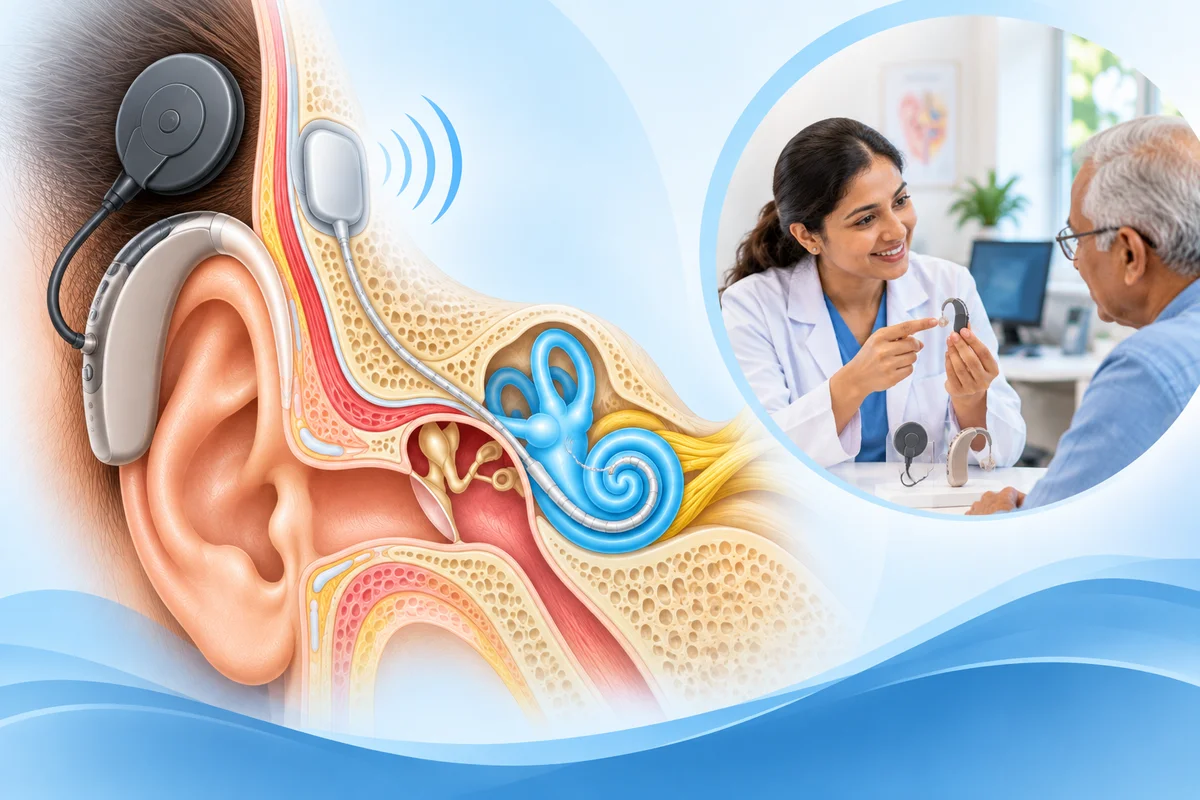
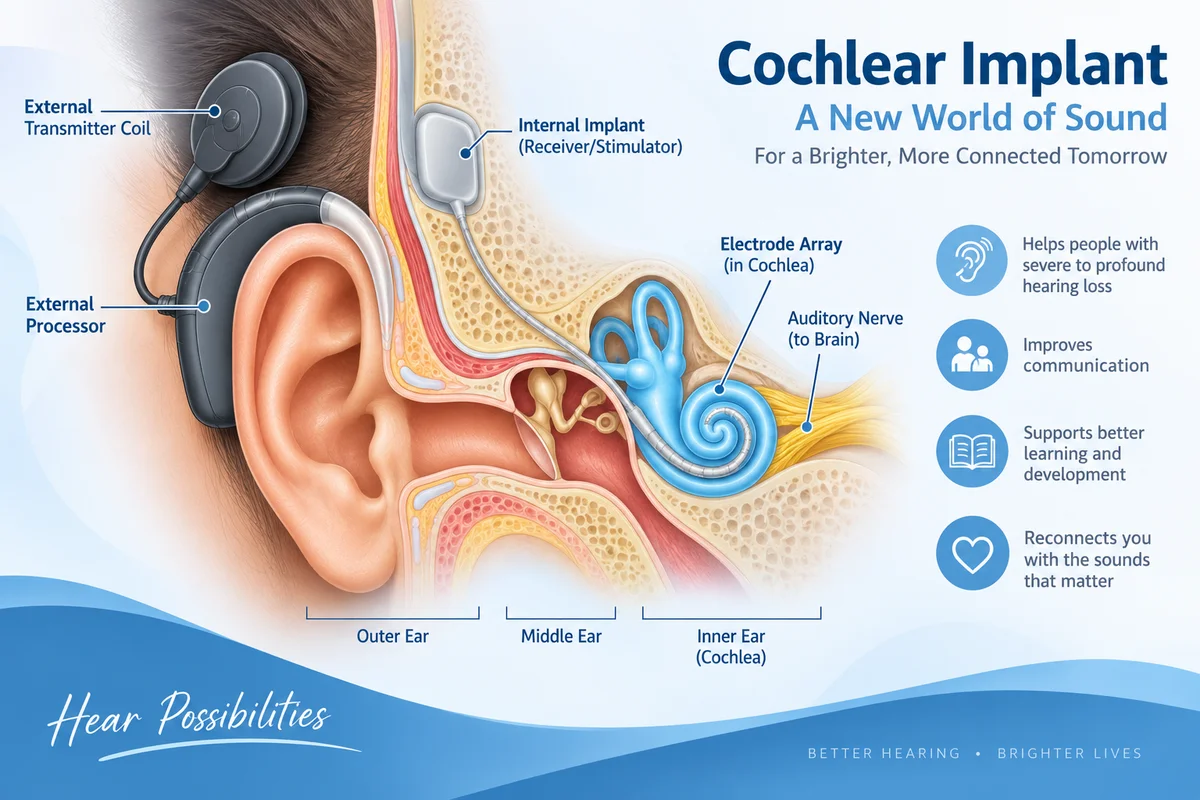
If hearing loss is confirmed, our audiologists will discuss the most appropriate intervention options, which may include hearing aids for infants, referral to a cochlear implant team, auditory-verbal therapy, and family counseling and support.
Signs of Hearing Concerns in Newborns and Infants
While a formal hearing test is the only reliable way to confirm hearing ability, parents can watch for certain signs that may indicate a hearing concern. These include the baby not startling at loud sounds, not turning toward voices or familiar sounds by three to four months, not babbling or making cooing sounds by six months, and not responding to their name by nine to twelve months.
If you notice any of these signs, do not wait — schedule a hearing evaluation at VR Hearing Clinic promptly.
Why Choose VR Hearing Clinic for Your Baby's Hearing Test?
VR Hearing Clinic is a trusted name in audiological care, committed to providing the highest standard of hearing health services for patients of all ages — from newborns to seniors. When you bring your baby to us, you can expect experienced and certified audiologists with specialized training in pediatric hearing care, state-of-the-art diagnostic equipment, a child-friendly and comfortable clinic environment, personalized guidance and follow-up support for families, and affordable hearing screening packages.
We understand that nothing is more important than your child's health, and we are here to provide the care and clarity your family deserves.
Book a Newborn Hearing Test Today
Don't leave your baby's hearing health to chance. Early screening is quick, painless, and could change the course of your child's life. Contact VR Hearing Clinic today to schedule a newborn hearing test and take the first step toward ensuring your baby hears every word, every laugh, and every moment of the world around them.