ESIC Hearing Aid Benefit: Who Is Eligible?
ESIC Hearing Aid Benefit: Who Is Eligible?
Hearing loss affects work, communication and quality of life, and a good hearing aid can be expensive. If you work in India’s organised sector, you may not have to bear that cost alone. The Employees’ State Insurance Corporation (ESIC) offers medical benefits that can include hearing aids and related appliances for eligible workers.
This guide explains who qualifies for the ESIC hearing aid benefit, what you need to apply, and how to move through the process without delays.
What Is the ESIC Hearing Aid Benefit?
ESIC is a social security scheme run under the Employees’ State Insurance Act. It protects workers and their families against illness, injury, maternity and disability. Medical care under the scheme is wide-ranging: consultations, diagnostics, specialist treatment, hospitalisation, medicines and, where clinically required, aids and appliances.
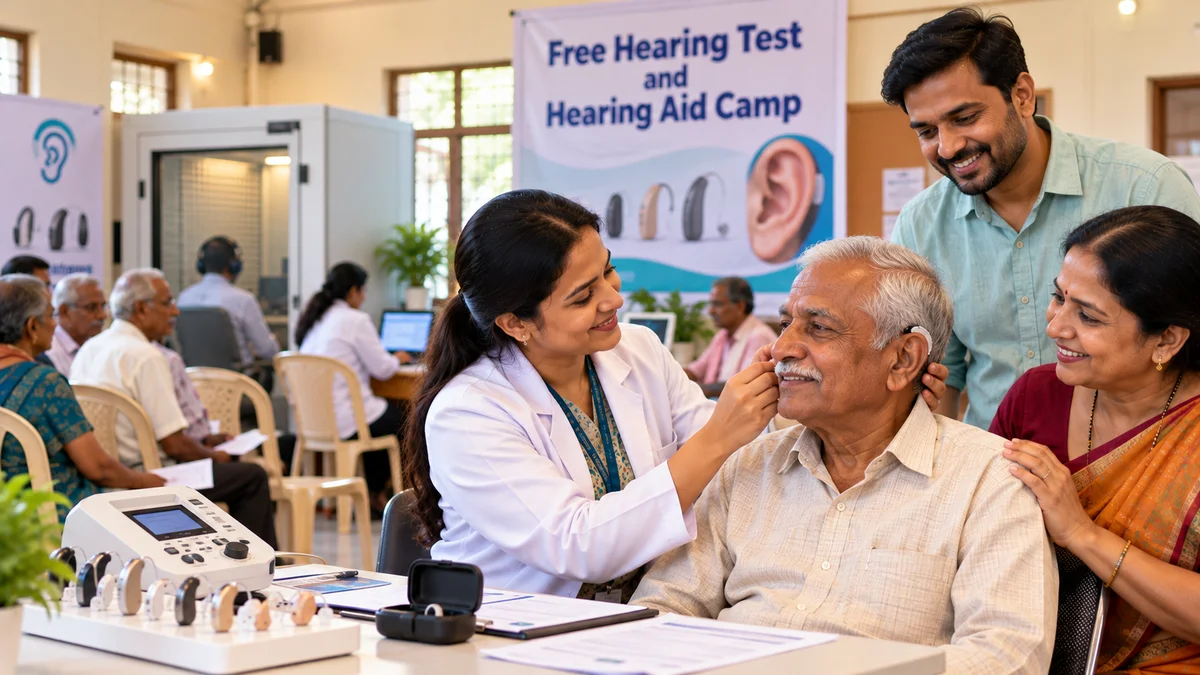
Hearing aids fall under this last category. When an ESIC-empanelled ENT specialist or audiologist confirms hearing loss and recommends a device, the scheme can provide it, or reimburse it, as part of the insured person’s medical entitlement. The exact method of supply can differ by state and by ESIC hospital, so confirm the current procedure with your local branch office.
Who Is Eligible for the ESIC Hearing Aid Benefit?
Eligibility rests on being an “Insured Person” under the scheme. Here are the main conditions.
1. You must work in a covered establishment
ESIC generally applies to factories and to establishments such as shops, hotels, restaurants, cinemas, road transport businesses, newspaper establishments, private medical and educational institutions and others notified by the government. Coverage typically applies to establishments with 10 or more employees. In some states and for some categories, the threshold is 20.
2. Your wages must be within the ceiling
Employees earning up to ₹21,000 per month are generally covered. For persons with disabilities, the wage ceiling is higher, at ₹25,000 per month. Wages for this purpose usually include basic pay, dearness allowance and similar components, but exclude items such as overtime and certain allowances. Since limits are revised from time to time, check the latest figure on the official ESIC portal.
3. Your employer must have registered you
Your employer should register you and generate an insurance number. Once registered, you receive an ESIC card or e-Pehchan card that identifies you as an insured person. Without this registration, you cannot claim benefits.
4. Contributions must be paid
Your employer deducts a small share of your wages as your contribution, currently 0.75 percent, and adds their own share of 3.25 percent. Regular payment keeps your coverage active. A key advantage of ESIC is that medical benefit is available from the very first day of employment. You do not need to wait for a minimum contribution period to receive treatment, including consultations for hearing problems.
5. There must be a medical need
The hearing aid must be medically recommended. A self-purchased device without referral generally does not qualify. An ESIC-recognised specialist needs to assess you, document the degree of hearing loss and prescribe the appropriate device.
Are Family Members Eligible?
Yes. ESIC medical benefit extends to dependants of the insured person, which commonly includes:
Spouse
Dependent children up to the prescribed age limit, or older if they have a disability
Dependent parents
In some cases, a dependent widowed mother
If your child has hearing loss and is a covered dependant, early diagnosis and a hearing aid can make a major difference to speech and language development. Likewise, ageing parents who depend on you may qualify for support.
Can Retired or Disabled Workers Claim?
Insured persons who retire or become permanently disabled can sometimes continue to receive medical care under specific schemes, such as the Insured Person Medical Benefit rules for retirees, subject to payment of a prescribed annual contribution. Workers who develop hearing loss because of their job may also qualify for additional protection. Noise-induced hearing loss in factories and heavy industries is an occupational concern, and employment injury or occupational disease provisions may apply. Because these rules are technical, ask your ESIC branch whether your situation qualifies.
Documents You Typically Need
Keep these ready before you approach an ESIC facility:
ESIC card or insurance number
Aadhaar card or other photo identity proof
Referral or prescription from the ESIC dispensary or hospital
Audiogram and audiological assessment report
ENT specialist’s recommendation for the hearing aid
Dependant details, if applying for a family member
Bank details, if reimbursement is involved
Step-by-Step Process to Claim a Hearing Aid Under ESIC
Step 1: Visit your ESIC dispensary or hospital. Start with your assigned Insurance Medical Officer. Describe your symptoms and ask for a referral to an ENT specialist.
Step 2: Get a hearing evaluation. A qualified audiologist will test your hearing, usually through pure tone audiometry and sometimes additional tests. The results show the type and severity of hearing loss.
Step 3: Obtain the specialist’s recommendation. The ENT doctor confirms whether you need a hearing aid and specifies the type, such as behind-the-ear, in-the-ear or receiver-in-canal.
Step 4: Complete the approval process. Depending on your state and hospital, the device may be supplied directly, or you may be directed to an empanelled supplier. Follow the instructions given in writing.
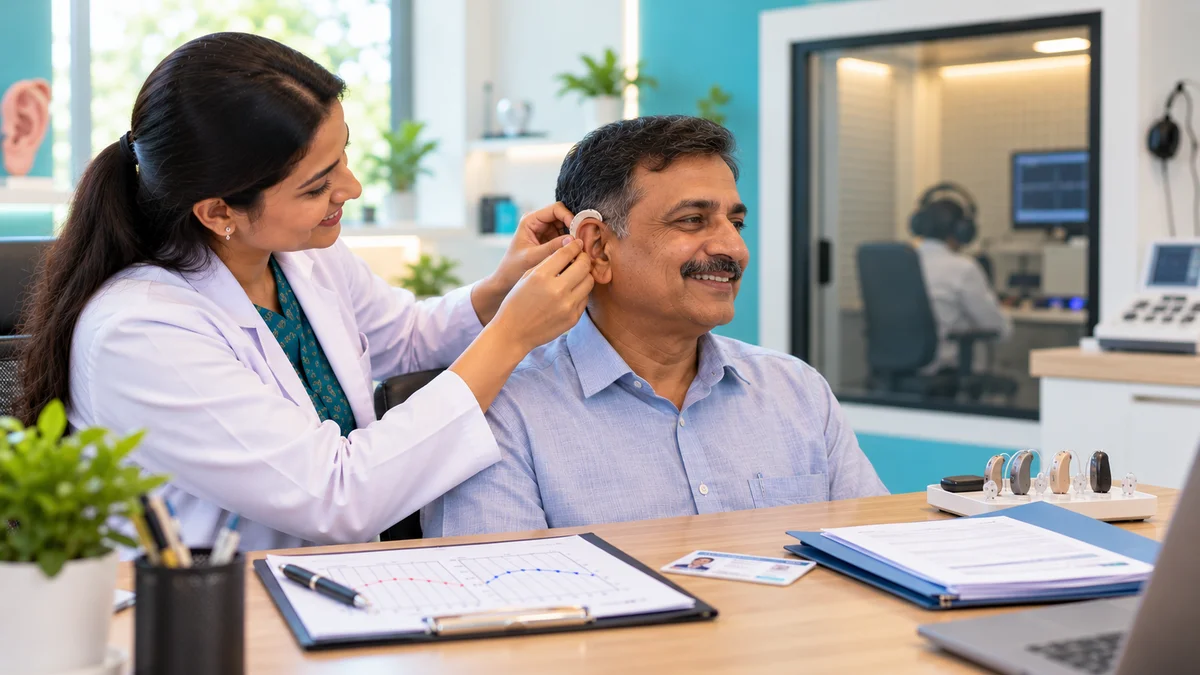
Step 5: Get fitted and trained. A hearing aid works best when it is programmed to your hearing profile. Attend the fitting session, learn how to maintain the device and book follow-ups.
Step 6: Track your claim. If the process involves reimbursement, submit bills and reports promptly and keep copies of every document.
Common Reasons Claims Get Delayed or Rejected
Many applicants lose time because of avoidable mistakes. Watch out for these:
Buying a hearing aid privately before getting approval
Missing or outdated audiogram reports
Contributions not updated by the employer
Wage level above the ceiling
No referral from an authorised ESIC doctor
Incomplete forms or unclear photocopies
Checking your contribution record on the ESIC portal and confirming your employer is filing returns regularly can prevent most of these problems.
Why Professional Audiology Support Matters
Qualifying for the benefit is only part of the journey. The real outcome depends on accurate testing, the right device selection and proper fitting. A poorly programmed device can sound unnatural, and many people stop using it as a result.
This is where an experienced clinic helps. VR Speech and Hearing Clinic supports patients with hearing assessment, hearing aid trials, fitting, counselling and follow-up care. If you are unsure whether your reports are suitable for submission, or you want an independent opinion on which hearing aid type suits your lifestyle, a professional audiological evaluation can bring clarity. Good guidance also helps you understand your audiogram and prepare questions before you meet the ESIC specialist.
Tips to Get the Most From Your ESIC Hearing Aid
Act early. Untreated hearing loss tends to worsen communication, work performance and mental wellbeing.
Keep records. Store your ESIC card, prescriptions and audiograms together.
Ask about the device options. Understand features such as noise reduction, directional microphones and battery type.
Commit to the adjustment period. Most people need a few weeks to adapt to amplified sound.
Attend follow-ups. Fine-tuning sessions improve comfort and clarity.
Maintain the device. Clean it regularly, protect it from moisture and replace wax guards or filters as advised.
Final Thoughts
The ESIC hearing aid benefit can reduce the financial burden of hearing care for insured workers and their families. If you are employed in a covered establishment, earn within the wage ceiling, have an active ESIC registration and receive a medical recommendation, you are likely to be eligible. Since procedures and limits change, always confirm current rules with your nearest ESIC office before you begin. With the right documents, timely evaluation and professional audiological support, you can get the hearing solution you need and return to clearer, more confident communication.
Frequently Asked Questions (FAQs)
1. Does ESIC provide free hearing aids?
ESIC can provide hearing aids as part of medical benefit when they are medically necessary and recommended by an authorised specialist. The way they are supplied, whether directly or through reimbursement, depends on the state and facility.
2. What is the salary limit for ESIC eligibility?
Employees earning up to ₹21,000 per month are generally covered, and up to ₹25,000 for persons with disabilities. Limits can be revised, so verify the current figure.
3. Can my parents or children get a hearing aid under my ESIC?
Yes, if they are eligible dependants as defined under the scheme. You will need their details and a medical recommendation.
4. Do I need to complete a minimum period of contribution?
Medical benefit is available from the first day of insurable employment, so you generally do not need to wait before consulting for hearing problems.
5. Can I buy a hearing aid first and claim later?
This is risky. Claims are typically processed only when the device is recommended and approved through the proper ESIC channel. Buying first can lead to rejection.
6. Which tests are required for a hearing aid recommendation?
A pure tone audiogram is the most common requirement, often with additional tests such as speech audiometry, as advised by the audiologist or ENT specialist.
7. Is noise-induced hearing loss covered?
It may be considered under occupational disease or employment injury provisions if linked to your work. Consult your ESIC branch for your specific case.
8. How can VR Speech and Hearing Clinic help?
The clinic can perform hearing evaluations, explain your reports, guide you on suitable hearing aid options, and provide fitting and follow-up care.