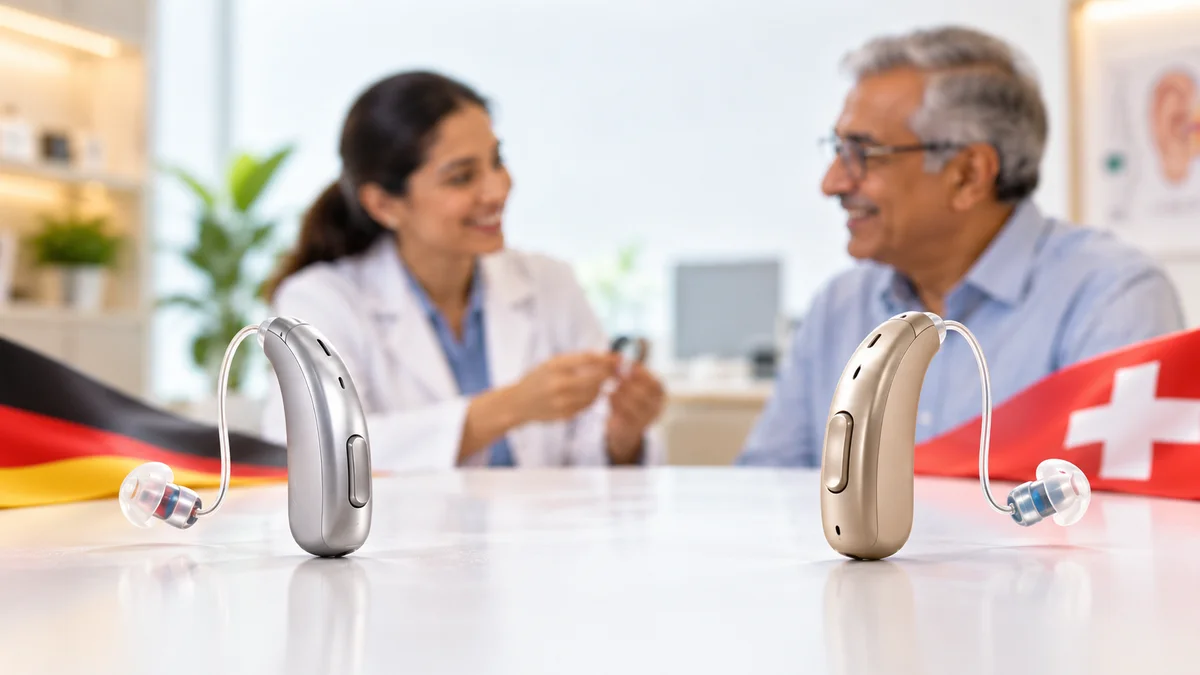
EMI on Hearing Aids in India: A Complete Guide
EMI on Hearing Aids: How to Get the Best Device Without Breaking the Bank
Hearing loss can affect every part of daily life, from conversations with family to performing well at work. The right hearing aid can restore confidence and connection, but many people delay treatment simply because of the upfront cost. At VR Speech and Hearing Clinic, we believe that financial constraints should never stand between a person and better hearing. That is why we offer flexible EMI, or Equated Monthly Installment, options that let you take home a high-quality hearing aid today and pay for it in manageable monthly amounts.
This guide explains everything you need to know about EMI on hearing aids, including how it works, the types of EMI plans available, how to choose the right device, and what to watch out for before signing up.

Why Hearing Aids Can Be Expensive
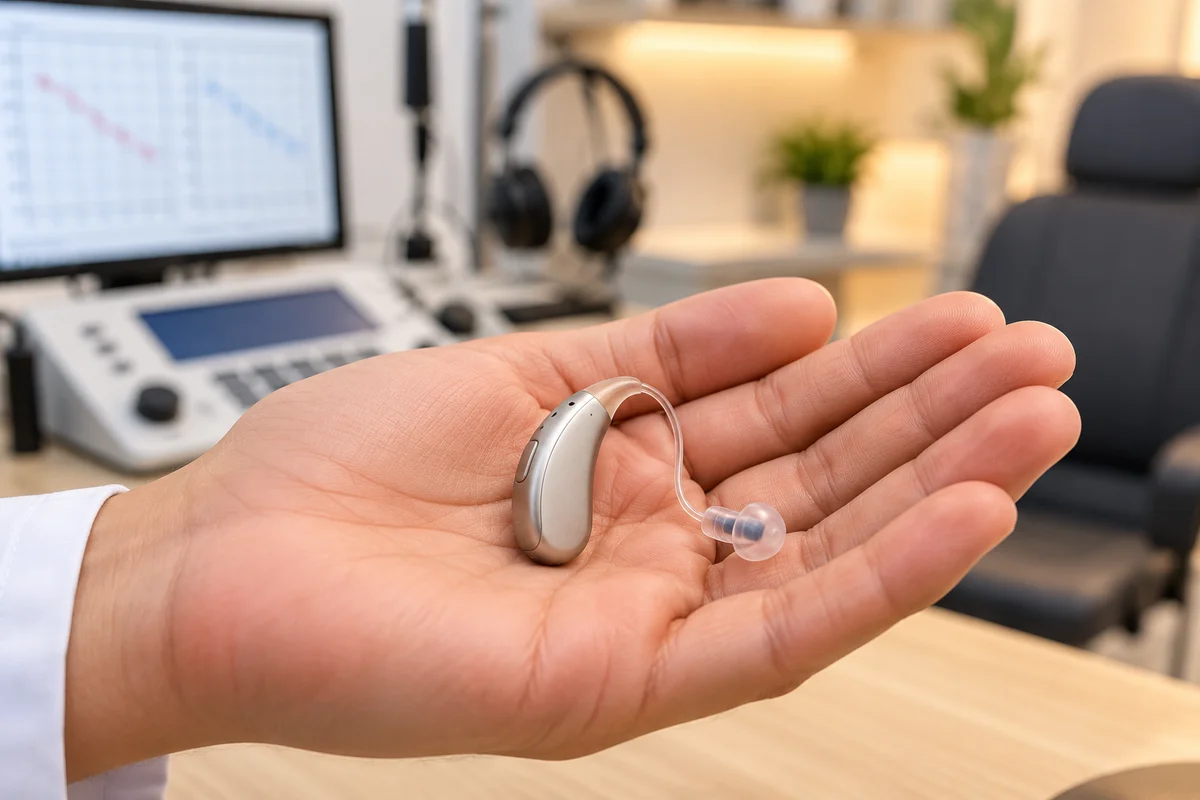
Modern hearing aids are far more than simple sound amplifiers. They are compact medical devices packed with advanced engineering, including:
Noise reduction systems that filter out background sounds Bluetooth connectivity for direct streaming from phones and televisions Rechargeable batteries that eliminate the hassle of frequent replacements AI-based sound processing that automatically adjusts to different environments
Because of this technology, hearing aid prices in India generally range from around fifteen thousand rupees to three lakh rupees or more per device, depending on the brand, features, and level of customization. For many families, paying this amount in one go is simply not practical. This is exactly where EMI becomes a valuable and practical solution.
What is EMI for Hearing Aids?
EMI stands for Equated Monthly Installment. It is a payment method that allows you to split the total cost of a hearing aid into smaller, fixed monthly payments spread across a chosen tenure.
Instead of paying a lump sum of, say, one lakh rupees upfront, you could instead pay something in the range of three thousand to ten thousand rupees per month, depending on the repayment period and applicable interest rate. This approach makes premium hearing technology accessible to a much wider group of people, including senior citizens, working professionals, and students who may not have large savings set aside for medical devices.
Benefits of Buying Hearing Aids on EMI
Choosing an EMI plan instead of paying the full amount at once offers several practical advantages, especially when you want a device that truly matches your hearing needs rather than settling for a cheaper alternative.
Key advantages include:
No heavy upfront payment, which reduces immediate financial pressure Access to premium models that might otherwise be out of reach Flexible repayment tenure, typically ranging from three to twenty-four months Zero-cost EMI options available on select cards and through certain clinic partnerships Improved quality of life starting almost immediately, since you do not need to wait until you have saved the full amount
For many patients at VR Speech and Hearing Clinic, EMI is the difference between continuing to struggle with untreated hearing loss and finally being able to hear clearly again without delay.
EMI vs Full Payment: A Quick Comparison
When deciding between EMI and paying the full amount upfront, it helps to look at the two side by side.
Upfront cost: EMI keeps this low, while full payment requires a high one-time amount.
Financial burden: With EMI, the cost is spread over several months, whereas full payment means a single heavy expense.
Device choice: EMI often allows access to better, more advanced models, while full payment may limit you to what fits your immediate budget.
Interest charges: Some EMI plans include interest, though zero-cost options are available in many cases. Full payment avoids interest entirely.
Flexibility: EMI offers high flexibility in terms of repayment period and monthly amount, while full payment offers very little flexibility once the purchase is made.
Ultimately, the right choice depends on your financial situation and how urgently you need the device. If you can pay the full amount comfortably without straining your monthly budget, doing so avoids interest altogether. But if spreading the cost helps you access a better hearing aid sooner, EMI is a smart and widely used option.
Types of EMI Options Available in India
There is no single way to finance a hearing aid. Depending on your bank, credit history, and the clinic you visit, several EMI formats may be available to you.
Credit Card EMI
This is one of the most common and convenient options. Most major banks offer credit card EMI facilities, and many even provide zero percent interest offers during promotional periods. Approval is usually quick since it is tied directly to your existing credit card limit.
No-Cost EMI
As the name suggests, no-cost EMI plans do not add extra interest on top of the device price. However, it is important to check whether a processing fee applies, as this can sometimes offset the benefit of the zero-interest structure. No-cost EMI is generally available at select partner clinics.
Finance Partner EMI
Some patients prefer working with dedicated finance companies rather than a bank credit card. These finance partners typically do not require a credit card at all, and the documentation process is simple. Approval is often instant, making this a convenient choice for people who want to avoid lengthy paperwork.
In-Clinic Payment Plans
Many hearing clinics, including VR Speech and Hearing Clinic, offer direct in-house EMI arrangements. These plans are often designed with flexible terms and are particularly helpful for senior citizens who may not want to deal with third-party finance applications or credit card procedures.
Cardless EMI Options
For patients who do not have a credit card, cardless EMI providers offer another route to spreading out payments. These services typically require basic documentation and offer quick digital approval, making the process straightforward even for first-time users.
How to Choose the Right Hearing Aid on EMI
Buying a hearing aid on EMI should never mean compromising on quality or settling for a device that does not suit your specific hearing needs. Here is a step-by-step approach to making the right decision.
Step One: Get a proper hearing test first. A professional audiological assessment will determine the exact type and degree of your hearing loss, which is essential before selecting any device.
Step Two: Choose a device based on your hearing loss level. Not every hearing aid suits every type of hearing loss, so it is important to match the technology to your specific requirements rather than choosing based on price alone.
Step Three: Set a monthly budget you can comfortably manage. Before committing to any EMI plan, calculate what you can realistically pay each month without straining your finances.
Step Four: Compare EMI plans carefully, paying attention to both the interest rate and the tenure. A longer tenure may lower your monthly payment but could increase the total interest paid over time.
Step Five: Buy from a trusted clinic that offers proper after-sales support, including fittings, adjustments, and maintenance. A hearing aid is not a one-time purchase; ongoing support significantly affects your long-term experience with the device.
Hidden Costs to Watch Out For
While EMI plans make hearing aids more accessible, it is important to read the fine print before signing up. Some costs are not always obvious at first glance.
Processing fees may be charged even on plans advertised as no-cost EMI. Interest rates can apply if the plan is not genuinely zero-cost, so always confirm the exact rate in writing. Late payment penalties can add up quickly if a monthly installment is missed, so it helps to set reminders or enable auto-debit. Warranty and service charges should be clarified upfront, since some devices only include limited coverage, with extended warranties available at an additional cost.
Taking a few minutes to ask about these details before signing any agreement can save you from unexpected expenses later.
Is EMI a Good Option for Hearing Aids?
For many people, EMI is genuinely one of the best ways to access quality hearing care without financial strain. It tends to make the most sense in situations such as:
You need a hearing aid urgently and cannot wait to save the full amount You want a better, more advanced model but have budget constraints right now You prefer smaller, predictable monthly payments over one large expense
That said, if you are in a position to pay the full amount without any financial stress, doing so allows you to avoid interest charges altogether. The decision ultimately comes down to your personal financial comfort and how soon you need treatment.
Why Choose VR Speech and Hearing Clinic for EMI on Hearing Aids
At VR Speech and Hearing Clinic, we understand that every patient's financial situation is different, which is why we work with a wide range of EMI partners to make hearing aids accessible to as many people as possible. Our EMI facilitation includes options such as:
Debit card EMI through documentation-based approval with partner banks including HDFC Bank Credit card EMI through major banks such as HDFC, SBI, and American Express, with approval either enabled automatically on your first card transaction or available upon request activation Cardless EMI options through recognized digital finance platforms, allowing patients without a credit card to still access flexible payment plans
Our team also works with a broad network of bank partners for credit card EMI approval, including American Express, Bank of Baroda, Citibank, Federal Bank, HDFC Bank, HSBC Bank, ICICI Bank, IDFC Bank, IndusInd Bank, Kotak Mahindra Bank, RBL Bank, State Bank of India, Standard Chartered, Axis Bank, Yes Bank, and OneCard. Depending on the bank, EMI is either enabled automatically after your first transaction on the card or can be activated upon request, with minimum transaction values varying by bank.
This wide network means that no matter which bank you use, our team can help you find an EMI plan that fits your budget and repayment preferences, without compromising on the quality of the hearing aid you choose.
Our Commitment to You
Beyond financing, what truly matters is the quality of care you receive. At VR Speech and Hearing Clinic, every EMI purchase includes a proper hearing assessment, personalized device recommendations, professional fitting, and ongoing after-sales support. We believe that affordability and quality should go hand in hand, and our EMI options are designed to make that possible for every patient who walks through our doors.
If untreated hearing loss has been affecting your daily life, do not let cost be the reason you continue to wait. Speak with our team about the EMI options available to you and take the first step toward clearer hearing today.
Frequently Asked Questions
Can I get hearing aids on EMI without a credit card?
Yes. Many clinics, including VR Speech and Hearing Clinic, offer EMI through finance partners or cardless EMI platforms, so a credit card is not always required.
Is zero-cost EMI really free?
In most cases, yes, but it is always wise to check for hidden processing fees before finalizing the plan, since these can sometimes apply even on no-cost EMI offers.
What is the minimum EMI amount for a hearing aid?
Monthly EMI amounts typically start from around fifteen hundred to three thousand rupees, depending on the price of the device and the chosen repayment tenure.
How long is the EMI tenure for hearing aids?
EMI tenures generally range from three months to twenty-four months, giving patients flexibility based on their monthly budget and financial comfort.
Will EMI affect my credit score?
Yes, it can. Making timely EMI payments can help improve your credit score over time, while missed or delayed payments may negatively affect it, so it is important to plan your monthly budget accordingly.
Which banks offer credit card EMI at VR Speech and Hearing Clinic?
We work with a wide range of banks including American Express, Bank of Baroda, Citibank, Federal Bank, HDFC Bank, HSBC Bank, ICICI Bank, IDFC Bank, IndusInd Bank, Kotak Mahindra Bank, RBL Bank, State Bank of India, Standard Chartered, Axis Bank, Yes Bank, and OneCard.
Do I need to activate EMI on my credit card before purchase?
It depends on the bank. Some banks enable EMI automatically after your first transaction on the card, while others require you to request activation in advance. Our team can guide you through the specific process for your bank.
Can senior citizens apply for EMI on hearing aids?
Yes. In fact, in-clinic payment plans are often specifically designed to be simple and convenient for senior citizens who may prefer not to use credit cards or online finance applications.