Elon Musk and Autism: What He Has Said, What Asperger's Means, and What Families Can Learn
Elon Musk and Autism: What He Has Said, What It Means, and Why It Matters
Few public figures spark as much curiosity as Elon Musk. Beyond his companies and headlines, many people search for one question: does Elon Musk have autism? His openness about his neurodivergence has started a wider conversation about how autism looks in adults, how it is understood, and how early support can change lives.
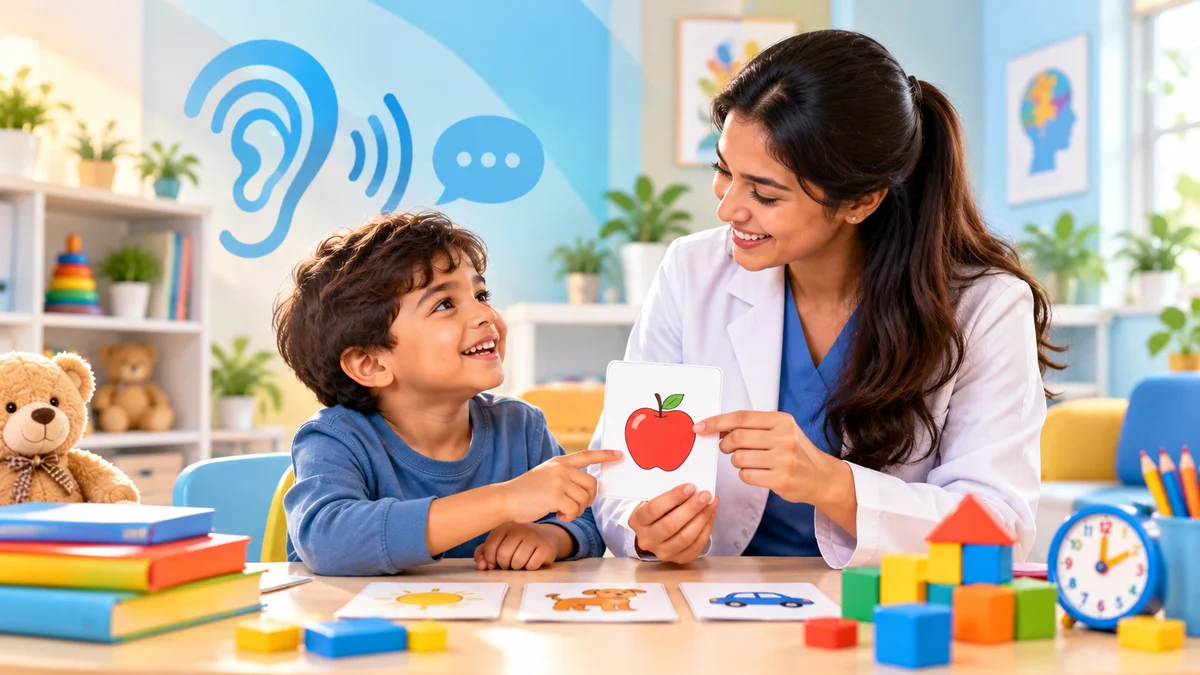
This guide explains what Musk has actually said, what Asperger's syndrome means today, how autism can affect speech, language, and hearing, and when to seek professional help. It is written by the team at VR Speech and Hearing Clinic for families, adults, and anyone who wants clear, respectful information.
Does Elon Musk Have Autism?
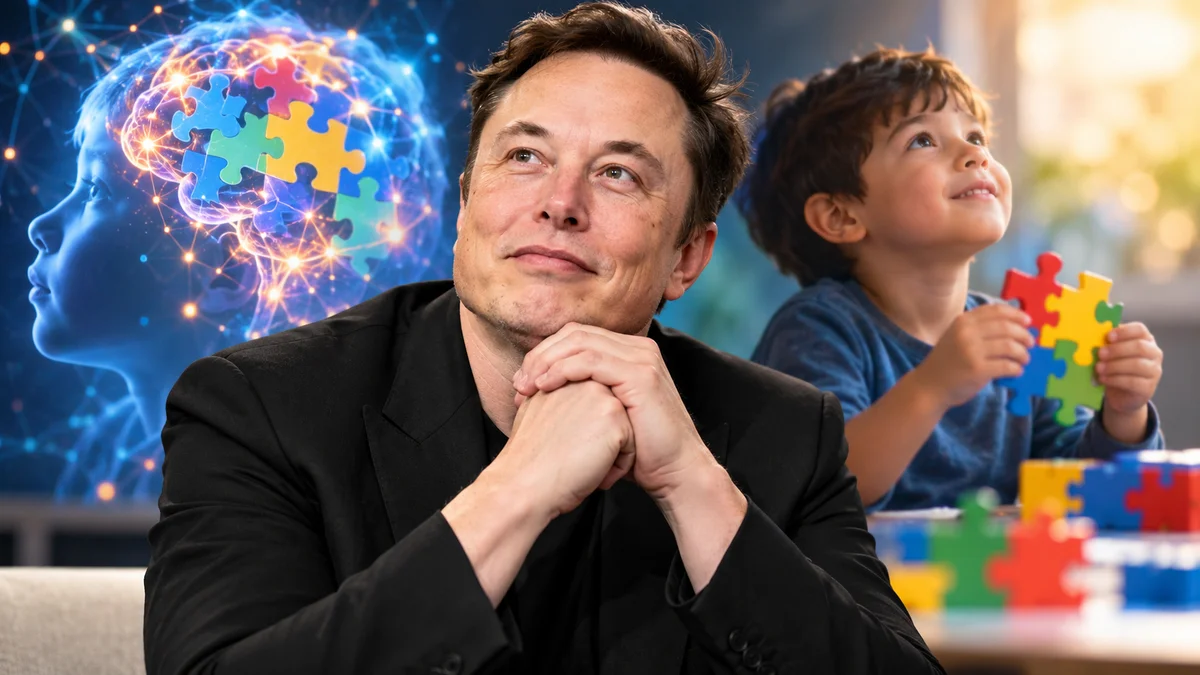
In May 2021, Elon Musk hosted Saturday Night Live and told the audience he has Asperger's syndrome, describing himself as the first host to say so on the show. He has also referred to being "on the spectrum" in social media posts and interviews.
Two points are worth keeping in mind:
This is a self-disclosure. Musk has not shared medical records or a formal evaluation publicly. What we know comes from his own words.
Diagnosis belongs to clinicians. Nobody can or should diagnose a person from a distance, based on interviews, viral clips, or online opinions.
So the most accurate answer is: Elon Musk has publicly said he has Asperger's syndrome, which is now considered part of the autism spectrum.
What Is Asperger's Syndrome? Is It the Same as Autism?
Asperger's syndrome was once a separate diagnosis, often used for people with strong verbal skills and no significant delay in early language development, but who experienced social and communication differences. In 2013, the DSM-5 merged Asperger's into a single category called Autism Spectrum Disorder (ASD).
That is why you will see the terms used interchangeably. Many adults diagnosed years ago still use the word Asperger's, and some people find the label meaningful. Clinically, though, the current term is autism spectrum disorder, with different levels of support needs.
Why Autism Is Called a Spectrum
Autism is not a single look or a single ability level. It is a spectrum because people vary widely in:
Communication style and spoken language
Sensory sensitivities (sound, light, texture, touch)
Need for routine and predictability
Social interaction preferences
Daily support needs
One autistic person may speak fluently but struggle with unwritten social rules. Another may use few spoken words and communicate through devices, gestures, or pictures. Both are autistic, and both deserve respect and appropriate support.
Common Traits Often Discussed in Elon Musk's Public Image
Media commentary often links Musk's public behavior to autistic traits. It is important to treat these as observations that the public associates with him, not as proof or medical fact. Commonly discussed traits include:
Intense focus on special interests. Many autistic people can concentrate deeply on topics they care about, often for long periods.
Direct or literal communication. Some autistic people say exactly what they mean and may find hints, sarcasm, or small talk confusing.
Unique humor and expression. Humor may be unconventional, dry, or delivered with a flat tone.
Difficulty with eye contact or social timing. Turn-taking in conversation can feel less automatic.
Preference for systems and logic. Pattern recognition and analytical thinking are common strengths.
These traits do not apply to every autistic person, and having some of them does not mean a person is autistic.
Avoiding the "Autistic Genius" Stereotype
Musk's success has led some people to assume that autism equals genius or extraordinary business talent. That is a myth, and it can be harmful.
Autistic people include scientists, artists, tradespeople, caregivers, students, and many others. Some have exceptional skills in specific areas, while others have significant challenges with communication, learning, or independent living. Both experiences are valid.
Celebrating strengths is positive. Ignoring the very real support needs many autistic children and adults have is not. A balanced view respects both.
How Autism Can Affect Speech and Language
Speech and language differences are among the first things parents notice. Autism can influence communication in several ways:
Delayed speech or limited words in early childhood
Echolalia, or repeating words and phrases heard from others
Unusual tone, pitch, or rhythm when speaking
Difficulty starting or sustaining conversation
Trouble understanding figurative language, such as idioms
Challenges with pragmatic language, meaning the social use of language, such as taking turns, staying on topic, and reading tone
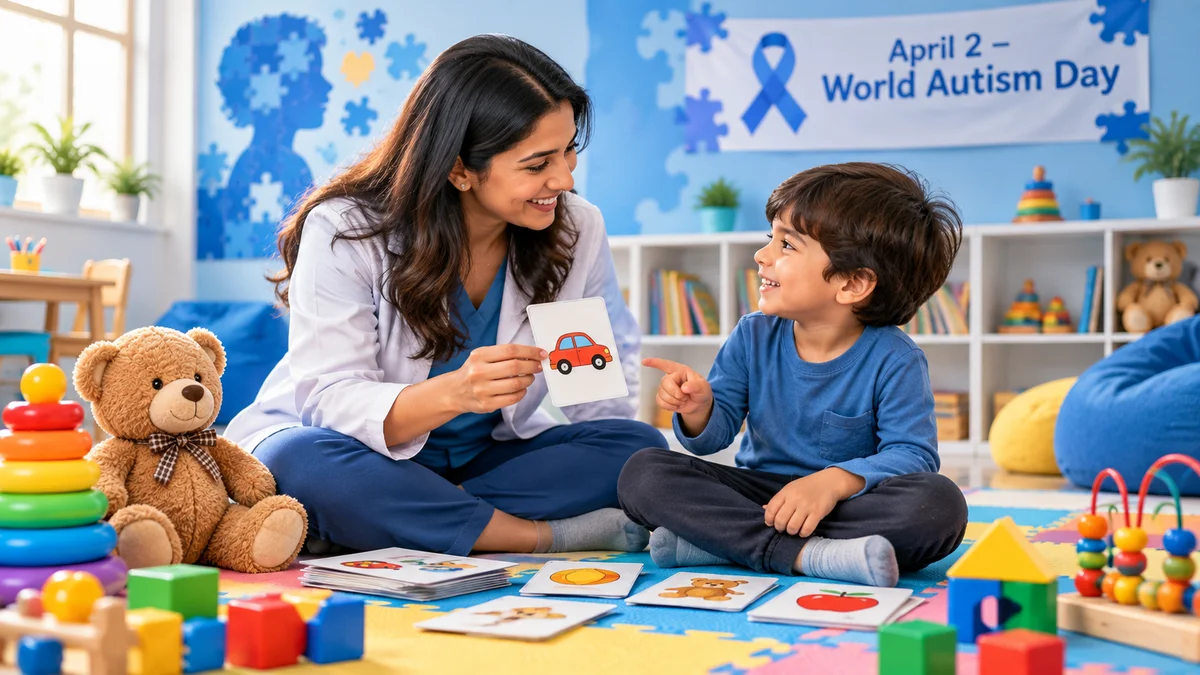
Speech-language therapy focuses on building functional communication, whether through spoken words, visuals, or assistive tools. It also helps children and adults improve social communication, express needs, and connect with others in ways that feel natural to them.
The Hearing Connection: Why a Hearing Test Matters
Hearing and autism are often connected in ways families do not expect. Some children who do not respond to their name or seem to ignore speech are assumed to be "in their own world" when there may be an untreated hearing issue. In other cases, hearing loss and autism exist together.
Autistic people may also experience sound sensitivity, where everyday noises feel overwhelming, or difficulty processing speech in noisy places such as classrooms or restaurants.
A complete hearing evaluation can:
Rule out or identify hearing loss
Clarify whether speech delays have a hearing component
Guide the right therapy plan
Support better learning and communication at school and home
If your child is being assessed for autism, a hearing test should be part of the process.
Early Signs of Autism in Children
Every child develops at their own pace, but these signs may be worth discussing with a professional:
Limited or no babbling by 12 months
Not responding to their name consistently
Little or no eye contact
Delayed speech or loss of previously learned words
Repetitive movements or strong need for sameness
Limited pointing, waving, or gesture use
Unusual reactions to sounds, textures, or lights
Early identification matters. Support that begins in the toddler and preschool years can strengthen communication, learning, and confidence.
Signs of Autism in Adults
Many adults, especially those who mask or learned to compensate, go undiagnosed for years. Adults may notice:
Exhaustion after social situations
Difficulty reading social cues or unspoken expectations
Strong routines and distress when plans change
Sensory overload in busy environments
Deep, lasting interests
A history of feeling "different" without knowing why
Public conversations like the one around Elon Musk have encouraged many adults to seek evaluation and finally understand themselves better.
How VR Speech and Hearing Clinic Can Help
At VR Speech and Hearing Clinic, our focus is helping people communicate and hear their best at every age. Depending on individual needs, support may include:
Speech and language assessment to understand communication strengths and challenges
Speech-language therapy for expressive and receptive language, articulation, and social communication
Hearing evaluations to check hearing health and identify related concerns
Parent guidance and home strategies so progress continues beyond therapy sessions
Individualized plans built around each person's goals, pace, and comfort
Our approach is supportive and respectful. We do not try to change who someone is. We help people express themselves, understand others, and take part more fully in school, work, and relationships.
When Should You Seek an Evaluation?
Consider speaking with a professional if you notice:
Speech or language that seems delayed or unusual for your child's age
Limited response to sounds or to being called
Difficulty with social communication at any age
Strong sensory reactions affecting daily life
Concerns raised by teachers, doctors, or family members
You do not need to wait for certainty. An evaluation is simply a way to gather information and find the right support.
Final Thoughts
Elon Musk's public comments about Asperger's have brought autism into everyday conversation. The most helpful takeaways are simple: autism is a spectrum, every autistic person is different, and the right support at the right time can make a real difference.
Whether you are a parent noticing early signs, an adult questioning your own experience, or someone who wants to understand neurodiversity, reliable information and professional guidance are the best next steps. If you have concerns about speech, language, or hearing, VR Speech and Hearing Clinic is here to help you take them.
FAQs
1. Does Elon Musk have autism?
Elon Musk has publicly said he has Asperger's syndrome, which is now part of the autism spectrum. This is his own statement, and he has not shared a formal medical evaluation.
2. When did Elon Musk reveal he has Asperger's?
He shared it during his Saturday Night Live hosting appearance in May 2021, and has referred to being on the spectrum in other public comments.
3. Is Asperger's the same as autism?
Asperger's was once a separate diagnosis. Since 2013, it has been included under Autism Spectrum Disorder in the DSM-5, so the two are now considered part of the same spectrum.
4. Does autism make someone a genius?
No. Some autistic people have exceptional skills in certain areas, but autism does not guarantee genius. Autistic people have a wide range of abilities and support needs.
5. Can autism affect speech and hearing?
Yes. Autism can affect speech development, social communication, and sound sensitivity. Hearing loss can also occur alongside autism, so a hearing evaluation is an important part of assessment.
6. What are early signs of autism in toddlers?
Common signs include limited babbling or gestures, not responding to their name, reduced eye contact, delayed speech, and repetitive behaviors.
7. Can adults be diagnosed with autism?
Yes. Many adults receive a diagnosis later in life after years of feeling different. A qualified professional can conduct an evaluation at any age.
8. How does speech therapy help autistic children and adults?
Speech-language therapy builds communication skills, including spoken language, social communication, understanding others, and alternative communication methods when needed.
9. Should my child get a hearing test if autism is suspected?
Yes. A hearing test helps rule out hearing loss as a cause of speech or response delays and ensures the support plan is accurate.