Electronic Hearing Aid: Types, Benefits & Buying Guide
Electronic Hearing Aid: Types, Features and How to Choose the Right One
Do you keep asking people to repeat themselves? Is the TV volume getting higher every month? Do restaurants and family gatherings feel exhausting? These are common signs of hearing loss, and an electronic hearing aid can bring clarity back to your daily life. Today’s devices are small, smart and comfortable, and many are almost invisible. At VR Speech and Hearing Clinic, we believe the right device, fitted and programmed properly, can change how you connect with family, friends and work. This guide explains what an electronic hearing aid is, how it works, the main types, and how to choose the best one for you.
What Is an Electronic Hearing Aid?
An electronic hearing aid is a small, battery-powered device worn in or behind the ear that makes sounds clearer and easier to understand for people with hearing loss. It is not just a volume booster. A properly fitted electronic hearing aid is programmed to match your hearing test results. It amplifies the pitches you struggle with and keeps other sounds comfortable.
Every device has four basic parts: a microphone, a processor, a receiver (speaker) and a battery. Together they pick up sound, process it and deliver it into your ear canal.
How Does an Electronic Hearing Aid Work?
The process takes only milliseconds:
The microphone captures sounds around you, including speech, traffic and background noise.
The sound is converted into a digital signal.
The processor analyses the signal, reduces unwanted noise, boosts speech and adjusts volume based on your hearing profile.
The receiver sends the improved sound into your ear.
Because modern devices adapt automatically to quiet rooms, crowded places and outdoor settings, you hear more naturally with less manual adjustment.
Signs You May Need an Electronic Hearing Aid
Hearing loss usually develops slowly, so many people ignore it for years. Consider a hearing test if you notice any of these:
Difficulty following conversations in noisy places
Speech that sounds muffled or mumbled
Frequently asking others to repeat themselves
Needing the TV or phone volume higher than others do
Ringing or buzzing in the ears (tinnitus)
Feeling tired after long conversations
Avoiding social events because listening feels stressful
If these sound familiar, a professional hearing evaluation is the first step. Only a hearing test can confirm whether you need an electronic hearing aid and which kind suits you.
Types of Electronic Hearing Aid
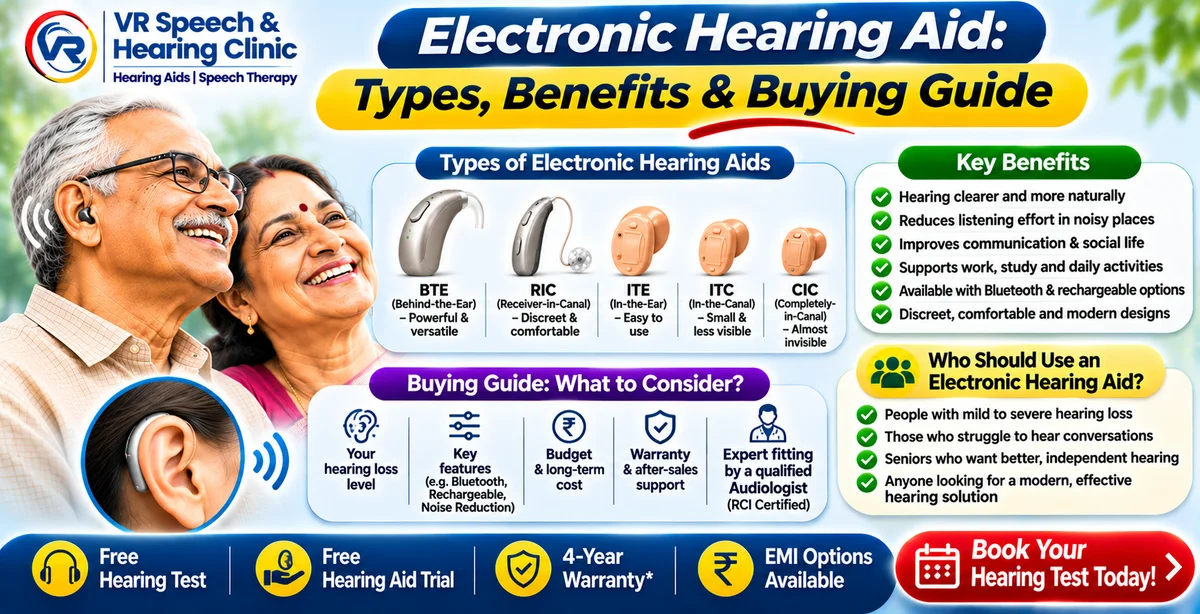
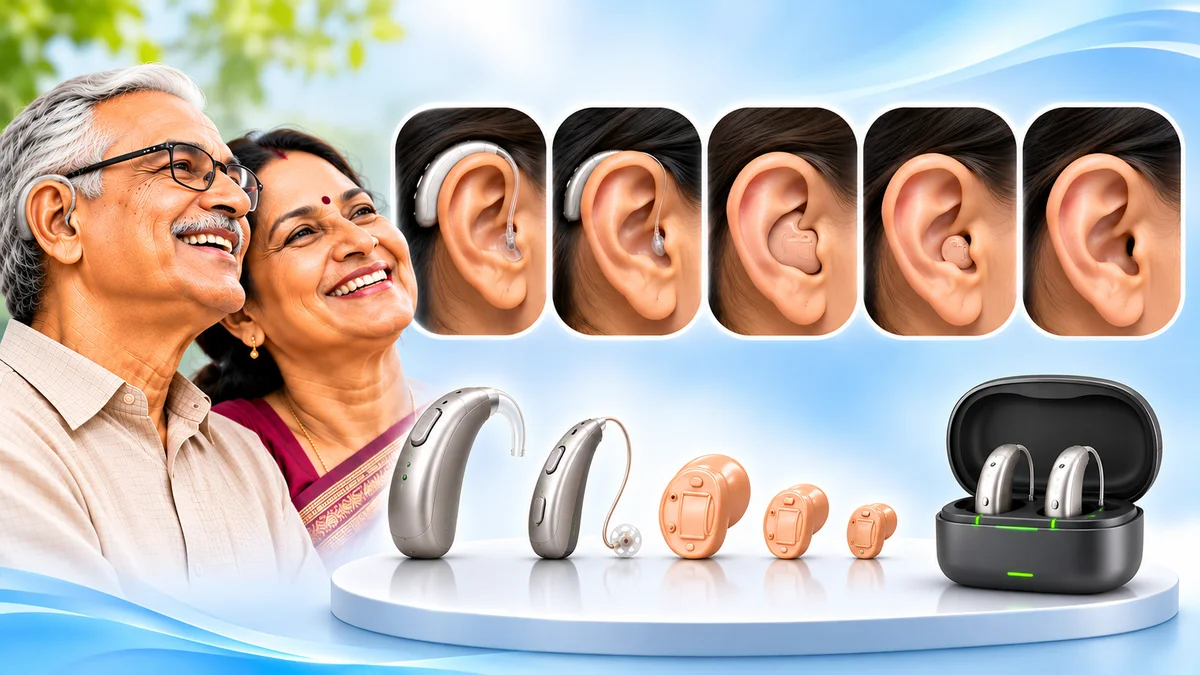
Behind-the-ear (BTE): The main unit sits behind the ear and connects to an earmold or tube. These are durable, powerful and suitable for mild to profound hearing loss. They are also easier to handle, which suits children and older adults.
Receiver-in-canal (RIC): A slim case sits behind the ear and a thin wire carries sound to a tiny speaker in the canal. RIC devices are discreet, comfortable and popular for mild to moderately severe loss.
In-the-ear (ITE): Custom-made to fit the outer ear bowl. They have larger batteries and controls, which many users find easy to operate.
In-the-canal (ITC) and completely-in-canal (CIC): These are small, custom-fitted models that sit deep in the ear canal, ideal for people who want a discreet device for mild to moderate loss. Their small size can make handling and battery changes more difficult.
Rechargeable models: Many styles now come with rechargeable batteries. You place the device in a charging case overnight and avoid fiddling with tiny batteries.
The best style depends on your degree of hearing loss, ear shape, lifestyle and dexterity, which is why a personal consultation matters.
Key Features to Look For
Noise reduction: Reduces background sounds so speech stands out.
Directional microphones: Focus on the person in front of you.
Feedback cancellation: Prevents irritating whistling.
Bluetooth connectivity: Streams calls, music and videos directly to your ears.
Smartphone app control: Adjust volume and programs discreetly.
Telecoil: Connects to compatible public loop systems.
Tinnitus support: Gentle masking sounds that ease ringing.
Multiple listening programs: Settings for quiet rooms, restaurants, outdoors and phone calls.
Benefits of Wearing an Electronic Hearing Aid
Better communication: You follow conversations with less effort and fewer misunderstandings.
Greater safety: You notice alarms, horns, doorbells and approaching vehicles.
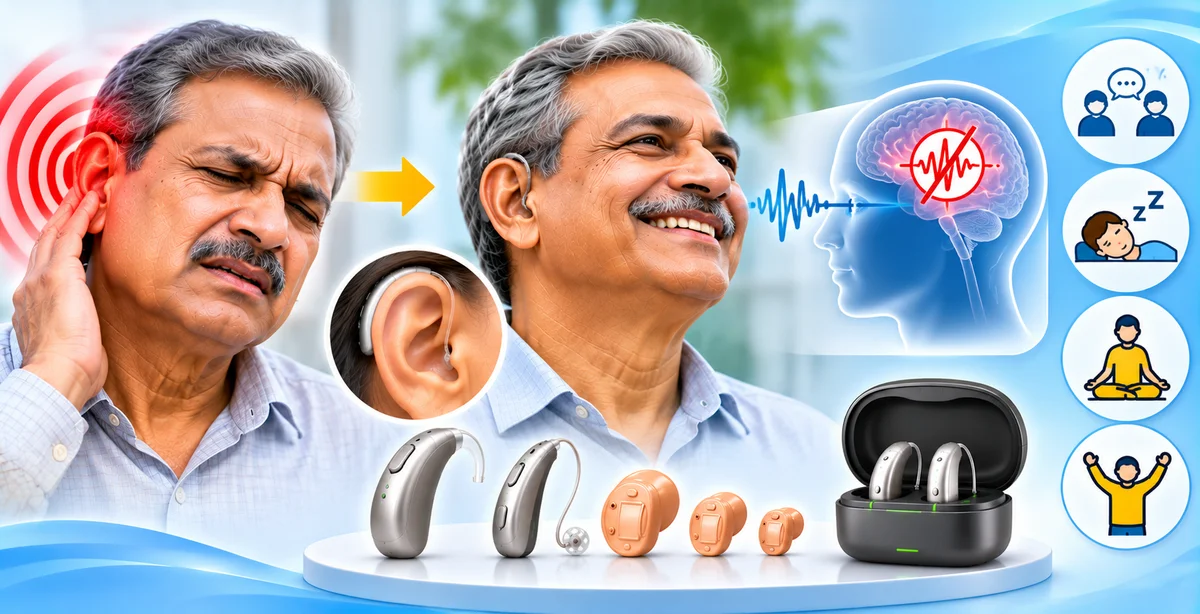
Improved emotional wellbeing: Hearing clearly reduces frustration, isolation and social withdrawal.
Support for brain health: Research has linked untreated hearing loss with a higher risk of cognitive decline. Using a hearing aid keeps the brain engaged with sound.
More confidence at work and home: You take part in meetings, phone calls and family moments without straining.
How to Choose the Right Electronic Hearing Aid
Start with a hearing test. An audiologist measures your hearing across different pitches and recommends suitable technology.
Consider your lifestyle. A busy professional who attends meetings has different needs from a retiree who spends quiet days at home.
Think about comfort and handling. If small buttons or batteries are difficult for you, choose a rechargeable or larger style.
Check the technology level. Basic models handle quiet settings well, while advanced ones manage noisy environments better.
Ask about a trial period. Wearing the device in your own surroundings is the best way to judge it.
Plan for follow-up care. Fine-tuning visits are essential to long-term success.
Electronic Hearing Aid Price: What Affects the Cost?
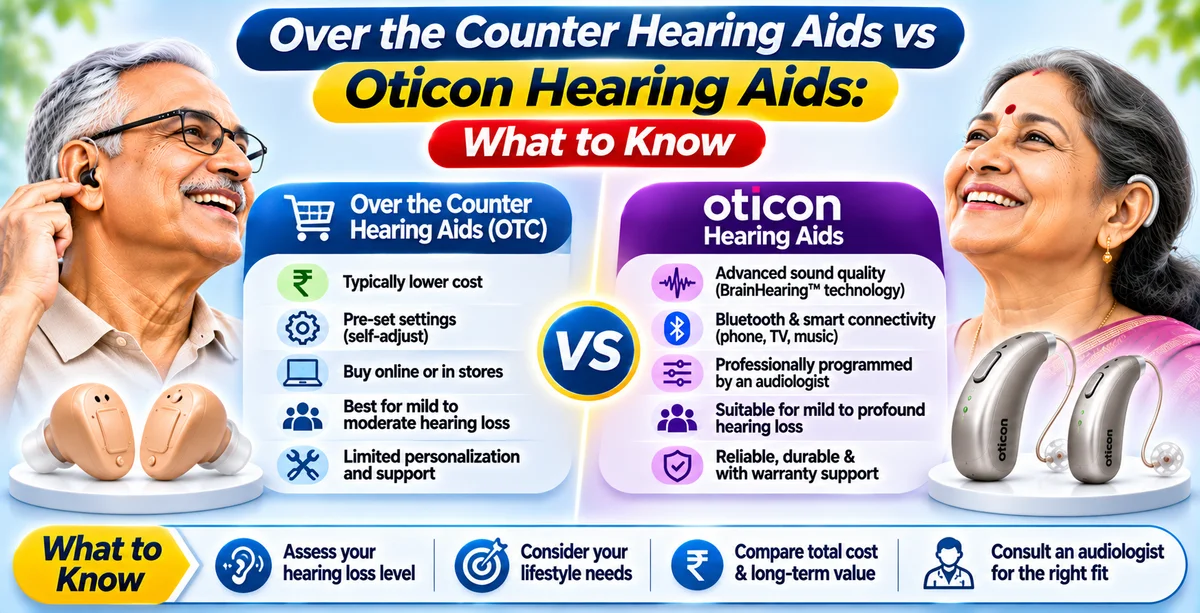
The price depends on the technology level, style, brand, features such as Bluetooth and rechargeability, and the fitting and follow-up services included. Be careful with very cheap sound amplifiers sold as hearing aids. They boost all sounds equally, are not customised to your hearing loss and may even damage your hearing. A programmed electronic hearing aid from a qualified clinic is an investment in your long-term hearing health.
Caring for Your Electronic Hearing Aid
Wipe the device with a soft, dry cloth daily.
Keep it away from moisture, heat and hair products.
Store it in a dry case at night.
Replace wax filters as advised.
Visit your clinic for regular cleaning and check-ups.
Getting Used to Your New Hearing Aid
Your brain needs time to relearn sounds you may not have heard for years. Start by wearing the device for a few hours daily in quiet settings, then increase gradually. Everyday sounds may seem loud at first, and this is normal. Regular follow-up visits allow your audiologist to fine-tune settings as you adapt.
Why Choose VR Speech and Hearing Clinic?
Choosing the right clinic is as important as choosing the right device. At VR Speech and Hearing Clinic, the focus is on careful hearing assessment, honest guidance, personalised fitting and ongoing support. Every person’s hearing is different, so your electronic hearing aid should be selected, programmed and adjusted to your needs, not sold off the shelf.
Final Thoughts
Hearing well is central to staying connected, safe and independent. If you suspect hearing loss, do not wait. An electronic hearing aid, chosen after a proper hearing evaluation, can make conversations easier and daily life richer. Book a consultation with VR Speech and Hearing Clinic today and take the first step toward clearer hearing.
FAQs
1. What is an electronic hearing aid?
An electronic hearing aid is a small, battery-powered device worn in or behind the ear that amplifies and clarifies sound according to your hearing loss, using a microphone, processor and receiver.
2. How do I know if I need an electronic hearing aid?
Frequently asking people to repeat themselves, raising the TV volume, struggling in noisy places or hearing ringing in the ears are common signs. A hearing test by an audiologist confirms whether you need one.
3. What is the difference between a hearing aid and a sound amplifier?
A hearing aid is programmed to your hearing test results and boosts specific frequencies. A sound amplifier raises all sounds equally and is not customised, so it is not a substitute for a hearing aid.
4. Which type of electronic hearing aid is best?
There is no single best type. BTE suits many levels of hearing loss and is easy to handle, RIC is discreet and comfortable, and ITC or CIC models are very small. Your audiologist will recommend one based on your hearing loss, ears and lifestyle.
5. Are rechargeable hearing aids worth it?
Yes, for many users. They remove the need to change tiny batteries and are convenient to use daily, though you should check how long a full charge lasts for your routine.
6. How long does it take to get used to a hearing aid?
Most people need a few weeks to adapt. Wearing the device a little more each day and attending follow-up visits helps the brain adjust and improves comfort.
7. How long does an electronic hearing aid last?
With regular cleaning and servicing, many hearing aids last several years. Lifespan depends on the model, daily care and exposure to moisture and dust.