Diseases That Cause Hearing Loss: Key Causes & Treatments
diseases that cause hearing loss
When we think about declining auditory health, we often picture natural aging or years of attending loud concerts. However, a significant number of auditory issues stem from underlying medical conditions. To properly address these issues, it is crucial to first understand the difference between conductive vs sensorineural hearing loss. Conductive loss occurs when sound is physically blocked from passing through the outer or middle ear, while sensorineural loss stems from damage to the inner ear or the auditory nerve.
While noise exposure is a major culprit, there is a wide array of diseases that cause hearing loss, ranging from common childhood infections to complex autoimmune disorders. Understanding these conditions can help you seek timely treatment, protect your auditory health, and manage any long-term symptoms.
Viral and Bacterial Infections
Infections are among the most common culprits behind auditory damage, especially when they are left untreated. If you have ever wondered exactly how viral infections damage inner ear structures, it generally happens through severe inflammation. Viruses can directly attack the delicate hair cells inside the cochlea or disrupt the blood supply to the auditory system, leading to cell death and permanent damage.
Meningitis and Mumps
Bacterial and viral meningitis are severe infections surrounding the brain and spinal cord. A common question among concerned parents is: can meningitis cause permanent deafness? Unfortunately, yes. It is one of the leading causes of acquired sensorineural hearing loss in children, as the infection can spread directly to the inner ear, damaging cochlear structures.
Similarly, mumps is a well-known viral infection. Patients often ask, is hearing loss from mumps reversible? In most cases, it is not. Mumps typically causes unilateral (one-sided) profound sensorineural deafness that is permanent, highlighting the importance of vaccination.
Shingles and Ear Infections
Another severe viral condition is shingles, which can lead to Ramsay Hunt syndrome hearing complications. This occurs when the varicella-zoster virus affects the facial nerve near one of your ears, often resulting in facial paralysis, severe ear pain, and significant hearing loss.
Even routine ear infections (otitis media), if chronic, can cause lingering issues. A major part of recovery involves managing tinnitus caused by ear infections. When fluid builds up or the eardrum becomes inflamed, it can create persistent ringing or buzzing in the ears. Treating the underlying infection with antibiotics or using sound therapy are the best ways to alleviate this frustrating symptom.
Actionable Tip: The best approach to preventing hearing loss from childhood illnesses like mumps, measles, and meningitis is staying up-to-date with routine pediatric immunizations.
Inner Ear and Balance Disorders
Your inner ear is responsible for both hearing and spatial orientation. When diseases strike this delicate area, they often disrupt both systems simultaneously.
Meniere's Disease
This chronic condition affects the inner ear and is notorious for causing intense vertigo. Meniere's disease symptoms and management often revolve around controlling fluid buildup in the labyrinth. Symptoms include fluctuating hearing loss, ear fullness, severe dizziness, and tinnitus. Management typically involves adopting a low-sodium diet, taking prescribed diuretics, and utilizing vestibular rehabilitation therapy to help the brain compensate for balance issues.
Labyrinthitis
A related condition is labyrinthitis, an inner ear infection usually triggered by a cold or flu virus. The labyrinthitis impact on balance and hearing can be sudden and debilitating, leaving patients feeling dizzy, nauseous, and struggling to hear. Fortunately, unlike Meniere’s disease, labyrinthitis usually resolves on its own or with a short course of vestibular suppressants and corticosteroids, restoring normal hearing in most cases.
Autoimmune and Structural Conditions
Sometimes, the body’s own systems or structural anomalies are the root of auditory decline.
Autoimmune Inner Ear Disease (AIED)
AIED occurs when the body’s immune system mistakenly attacks the healthy cells of the inner ear. This leads to a rapid decline in hearing, usually in both ears, over the course of weeks or months. Prompt autoimmune inner ear disease treatment is critical to saving the patient's hearing. Doctors typically prescribe high doses of corticosteroids or immunosuppressive medications to halt the immune system's attack and reduce inflammation.
Otosclerosis
On the structural side, otosclerosis and middle ear bone growth present a unique challenge. This inherited disorder causes abnormal bone remodeling in the middle ear. The stapes bone becomes fixed in place and cannot vibrate, preventing sound waves from traveling to the inner ear. This primarily causes conductive hearing loss. Fortunately, it can often be successfully treated with hearing aids or a surgical procedure known as a stapedectomy, which replaces the immobilized bone with a microscopic prosthetic.
Tumors, Congenital Factors, and External Risks
Beyond infections and autoimmune responses, other medical events can significantly alter auditory function.
Tumors and Sudden Loss
An acoustic neuroma is a rare, non-cancerous tumor that develops on the main nerve leading from the inner ear to the brain. An acoustic neuroma benign tumor diagnosis is usually confirmed via MRI after a patient reports one-sided hearing loss, tinnitus, or balance issues. Because the tumor grows slowly, treatment ranges from simple observation to radiation or surgical removal.
In other instances, a person might wake up completely deaf in one ear without an obvious tumor. Identifying sudden sensorineural hearing loss causes can be difficult, but doctors frequently suspect viral infections, vascular compromise, or neurological disorders. This is considered a medical emergency; receiving steroid treatments within the first 48 to 72 hours drastically improves the chances of recovering your hearing.
Congenital Factors and Medications
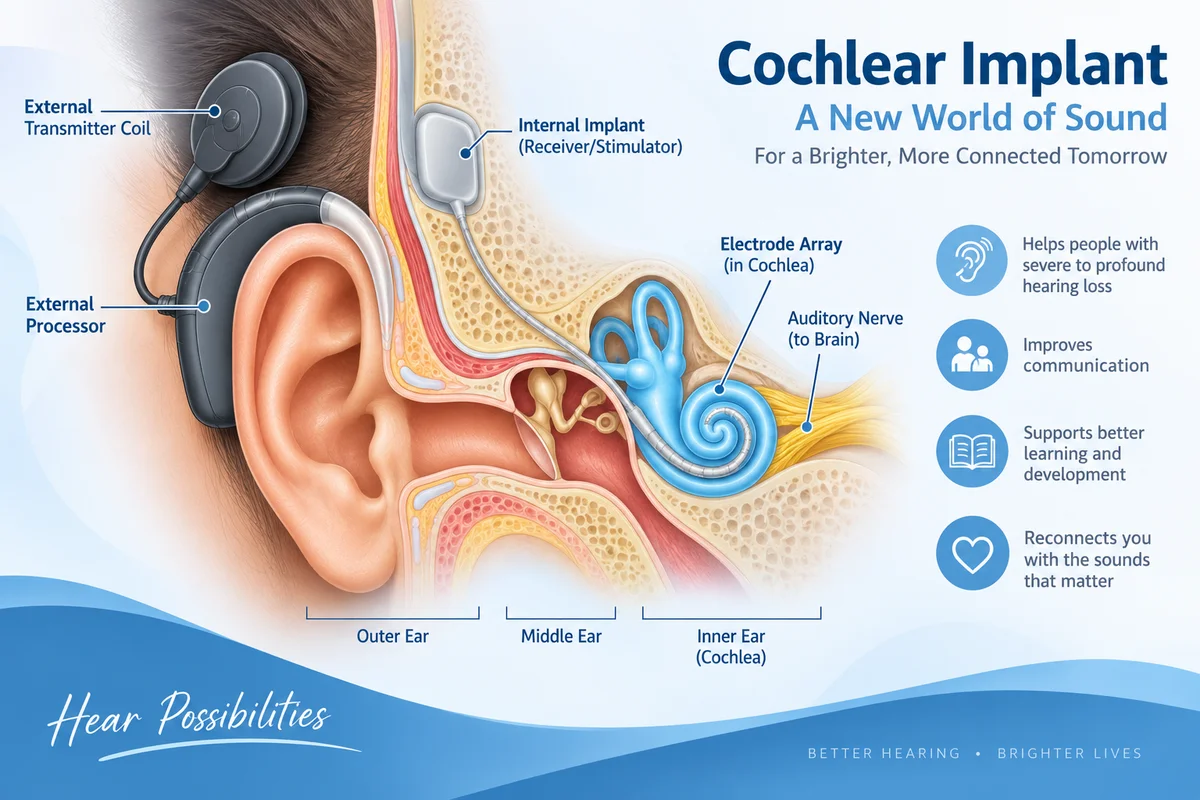
Auditory issues can also be present from the moment a child is born. Common congenital hearing loss causes in newborns include genetic mutations, premature birth, and maternal infections during pregnancy, such as cytomegalovirus (CMV) or rubella. Universal newborn hearing screenings are vital for catching these issues early, allowing for prompt intervention with hearing aids or cochlear implants.
Finally, while treating various severe diseases, patients must be aware of ototoxicity from certain medications. High doses of specific antibiotics (like aminoglycosides), certain chemotherapy drugs, and even high doses of aspirin can mimic the symptoms of ear diseases by causing temporary or permanent damage to the inner ear hair cells.
Conclusion
Your hearing is a delicate, complex system that requires comprehensive care. While environmental factors like loud noises play a massive role in auditory decline, the reality is that many diseases that cause hearing loss can catch us off guard. From sudden viral infections and autoimmune attacks to abnormal bone growths, recognizing the early warning signs is your best defense.
If you or a loved one experience sudden changes in hearing, persistent ringing, or unexpected dizziness, do not wait for the symptoms to pass. Consult an audiologist or an Ear, Nose, and Throat (ENT) specialist immediately. Early diagnosis and proactive treatment are the most effective ways to preserve your hearing and maintain your overall quality of life.