Best Inner Ear Hearing Aids | Completely-in-Canal (CIC)
Best Inner Ear Hearing Aids: A Complete Guide to Completely-in-Canal (CIC) Devices
Hearing loss affects millions of people, and choosing the right hearing aid can feel overwhelming with so many options available today. Among the most popular choices for people who want a discreet, comfortable, and effective solution are inner ear hearing aids, also known as Completely-in-Canal (CIC) hearing aids. If you are searching for the best inner ear hearing aids, this guide will walk you through everything you need to know — from how they work to why they might be the right choice for you.
At VR Speech and Hearing Clinic, we specialize in helping patients find hearing solutions that fit their lifestyle, budget, and level of hearing loss. Completely-in-Canal hearing aids are one of our most requested categories because of how naturally they blend into daily life while still delivering powerful, clear sound.
What Are Inner Ear (Completely-in-Canal) Hearing Aids?
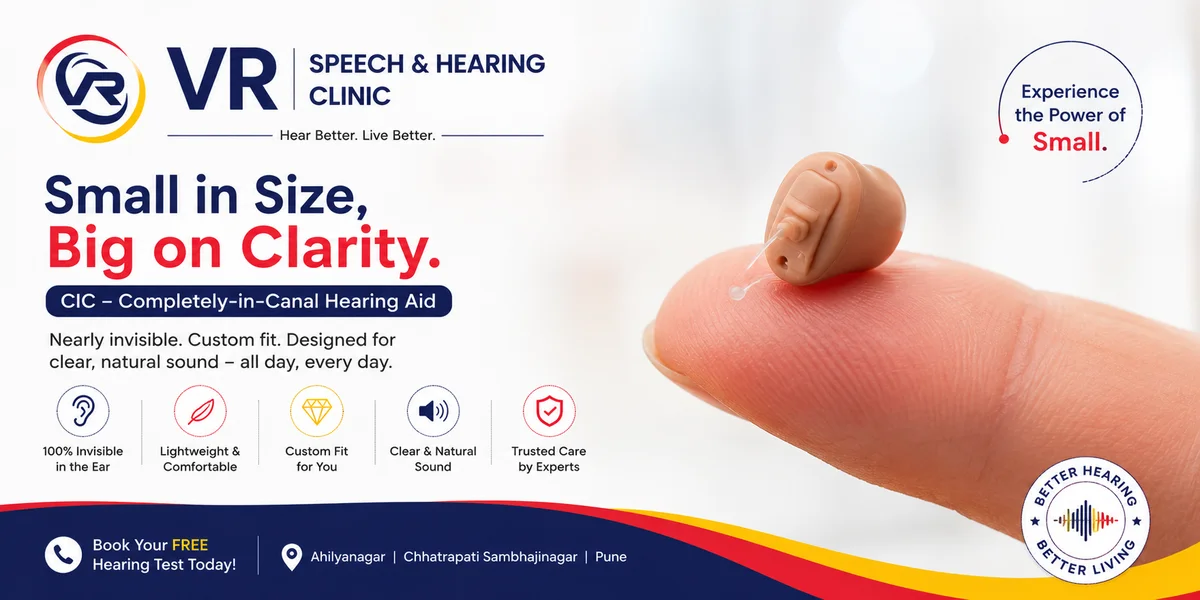
Inner ear hearing aids, or CIC hearing aids, are custom-molded devices designed to fit almost entirely inside the ear canal. Unlike behind-the-ear (BTE) or receiver-in-canal (RIC) hearing aids, CIC devices sit deep enough that they are barely visible to others, making them one of the most discreet hearing aid options on the market today.
These devices are built using an impression of your unique ear canal shape, ensuring a snug, comfortable, and secure fit. Because they sit close to the eardrum, they can also take advantage of the ear's natural sound-collecting shape, which often results in a more natural listening experience.
Why People Choose Completely-in-Canal Hearing Aids
There are several reasons why inner ear hearing aids remain a top choice for many patients:
1. Nearly Invisible Design
The biggest reason people choose CIC hearing aids is cosmetic appeal. Since the device sits deep within the ear canal, it is extremely difficult for others to notice you are wearing a hearing aid. This makes it an excellent option for people who feel self-conscious about visible hearing devices.
2. Natural Sound Quality
Because the microphone is positioned close to the eardrum, CIC hearing aids can capture sound in a way that mimics the ear's natural hearing process. Many users report that speech sounds clearer and more natural compared to larger, more visible devices.
3. Comfortable, Custom Fit
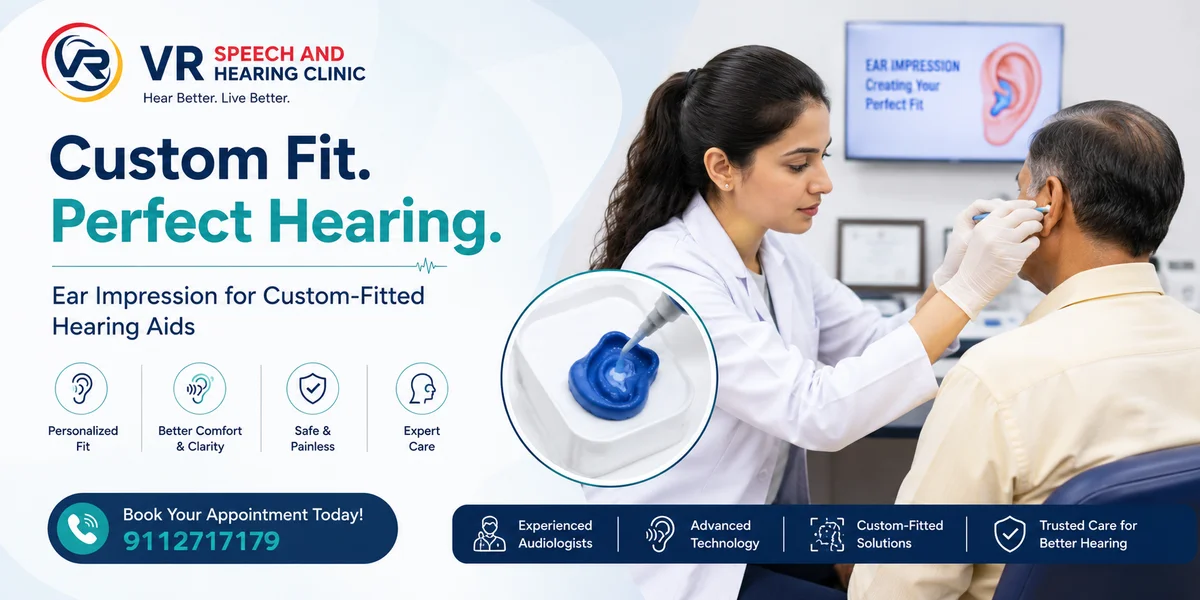
Every CIC hearing aid is custom-made based on an impression of the patient's ear canal. This means the device is tailored specifically for your ear shape, reducing discomfort and the risk of the device slipping out during daily activities.
4. Reduced Wind Noise
Since the microphone sits inside the ear canal rather than outside the ear, CIC hearing aids typically pick up less wind noise. This makes them a great option for people who spend time outdoors, cycle, or live in windy areas.
5. Easy Compatibility with Phones and Headwear
Because there is no external component sitting behind or around the ear, CIC hearing aids work seamlessly with telephones, headphones, glasses, and hats without any interference or discomfort.
Who Should Consider Inner Ear Hearing Aids?
CIC hearing aids are generally recommended for adults with mild to moderately severe hearing loss. They may not be the best fit for everyone, and a professional hearing evaluation is always recommended before choosing a device. Some factors that make a person a good candidate include:
A properly sized and shaped ear canal that can accommodate the device and its battery
Good manual dexterity to insert, remove, and maintain the small device
A preference for a discreet, low-visibility hearing solution
Mild to moderately severe hearing loss, rather than profound hearing loss
People with very narrow ear canals, chronic ear infections, or profound hearing loss may be better suited to a different style of hearing aid, such as behind-the-ear (BTE) or receiver-in-canal (RIC) devices, which our audiologists can also guide you through.
How Completely-in-Canal Hearing Aids Work
Modern CIC hearing aids use advanced digital signal processing to capture, amplify, and clarify sound. Here is a simplified breakdown of how they function:
Sound Capture: A tiny microphone inside the device picks up sound from the environment.
Digital Processing: The sound is converted into a digital signal and processed by a microchip that filters out background noise while enhancing speech clarity.
Amplification: The processed sound is amplified based on your specific hearing loss profile, which is determined during your hearing assessment.
Delivery: The amplified sound is delivered directly into the ear canal through a small speaker, positioned close to the eardrum for natural sound delivery.
Many CIC hearing aids today also come with features like noise reduction, feedback cancellation, and directional microphones, all packed into a device smaller than a coffee bean.
Comparing CIC Hearing Aids to Other Styles
To help you understand where inner ear hearing aids fit among other options, here is a general comparison:
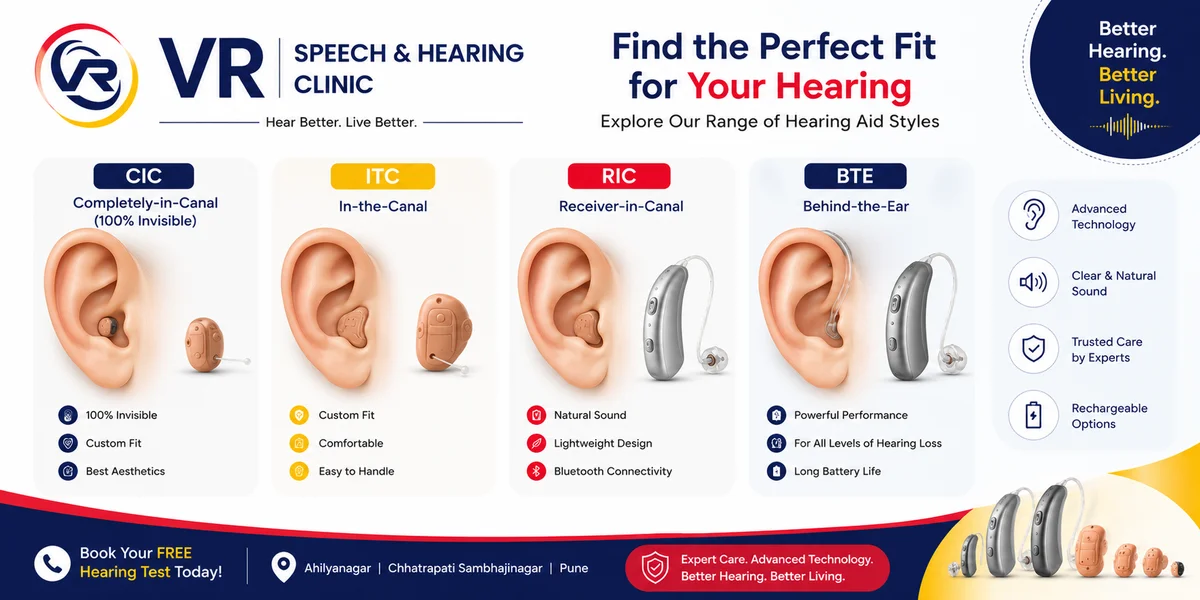
Completely-in-Canal (CIC): Smallest and most discreet; best for mild to moderately severe hearing loss; limited battery life due to small size; may be harder to handle for people with dexterity issues.
In-the-Canal (ITC): Slightly larger than CIC; still relatively discreet; easier to handle; suitable for mild to moderate hearing loss.
Receiver-in-Canal (RIC): Small external component behind the ear with a wire to the canal; suitable for mild to severe hearing loss; longer battery life.
Behind-the-Ear (BTE): Most visible option; suitable for all levels of hearing loss, including profound; longest battery life; easiest to handle and maintain.
Your audiologist at VR Speech and Hearing Clinic will assess your hearing loss, ear anatomy, and lifestyle needs before recommending the most suitable style for you.
Key Features to Look for in the Best Inner Ear Hearing Aids
When searching for the best inner ear hearing aids, consider the following features:
Noise Reduction Technology: Helps filter out background noise so speech remains clear, even in busy environments like restaurants or markets.
Feedback Cancellation: Prevents whistling or buzzing sounds that can occur with older hearing aid models.
Rechargeable vs. Battery-Operated: Some CIC models use tiny disposable batteries, while newer models may offer rechargeable options for convenience.
Bluetooth Connectivity: Certain advanced CIC hearing aids can connect directly to smartphones for hands-free calls and streaming, although this varies by model due to the device's small size.
Moisture and Wax Resistance: Since the device sits deep in the canal, look for models with strong protection against earwax and moisture buildup.
Warranty and Aftercare Support: A good warranty period and access to professional aftercare, such as cleaning and adjustments, can significantly extend the life of your device.
The Fitting Process at VR Speech and Hearing Clinic
Getting fitted for Completely-in-Canal hearing aids is a detailed process designed to ensure comfort, accuracy, and long-term satisfaction. Here is what you can expect when you visit VR Speech and Hearing Clinic:
Step 1: Comprehensive Hearing Assessment Our audiologists conduct a thorough hearing evaluation to understand the type and severity of your hearing loss.
Step 2: Ear Canal Examination We examine your ear canal shape and size to determine whether CIC hearing aids are a suitable option for you.
Step 3: Custom Ear Impressions If CIC hearing aids are recommended, we take a precise impression of your ear canal, which is used to manufacture a custom-fitted device.
Step 4: Fitting and Programming Once your device is ready, our team fits it and programs it according to your specific hearing profile, adjusting settings for optimal clarity and comfort.
Step 5: Follow-Up and Fine-Tuning Hearing aid fitting is not a one-time process. We schedule follow-up visits to fine-tune the settings as you adjust to your new device and provide guidance on care and maintenance.

Caring for Your Completely-in-Canal Hearing Aids
Because CIC hearing aids sit deep within the ear canal, proper care is essential for longevity and performance. Here are some maintenance tips:
Clean your device daily with a soft, dry cloth to remove earwax and debris.
Avoid exposing the device to excessive moisture, including while showering or swimming.
Store your hearing aid in a dry, protective case when not in use.
Replace batteries or recharge the device as recommended by the manufacturer.
Visit your audiologist regularly for professional cleaning and performance checks.
With proper care, most CIC hearing aids can last several years, providing reliable hearing support throughout their lifespan.
Why Choose VR Speech and Hearing Clinic
Choosing the right hearing aid is a personal decision that depends on your hearing needs, lifestyle, and comfort preferences. At VR Speech and Hearing Clinic, our experienced audiologists take the time to understand your unique situation before recommending a solution. We offer:
Comprehensive hearing evaluations conducted by qualified professionals
A wide range of Completely-in-Canal and other hearing aid styles from trusted brands
Custom-fitted devices designed for maximum comfort and discretion
Ongoing support, including cleaning, adjustments, and follow-up care
A patient-first approach focused on improving your quality of life through better hearing
Whether you are exploring hearing aids for the first time or looking to upgrade to a more discreet solution, our team is here to guide you through every step of the process.
Final Thoughts
Completely-in-Canal hearing aids remain one of the best inner ear hearing aid options for people seeking a discreet, comfortable, and natural-sounding solution to hearing loss. While they may not be suitable for everyone, they offer significant benefits for the right candidates, including near invisibility, reduced wind noise, and a custom fit tailored to your ear.
If you believe CIC hearing aids might be right for you, the best next step is a professional hearing evaluation. At VR Speech and Hearing Clinic, our team is ready to help you find the hearing solution that fits your life, your comfort, and your budget.

Frequently Asked Questions (FAQs)
1. What are inner ear hearing aids called?
Inner ear hearing aids are commonly known as Completely-in-Canal (CIC) hearing aids. They are custom-molded devices that fit deep inside the ear canal, making them one of the most discreet hearing aid options available.
2. Are Completely-in-Canal hearing aids visible to others?
No, CIC hearing aids sit almost entirely inside the ear canal, making them nearly invisible. Only a small removal cord or button may be slightly visible, depending on the model.
3. Who is a good candidate for CIC hearing aids?
Adults with mild to moderately severe hearing loss, a suitably sized ear canal, and good manual dexterity are generally good candidates. A hearing evaluation at VR Speech and Hearing Clinic can confirm suitability.
4. How long do Completely-in-Canal hearing aids last?
With proper care and regular maintenance, CIC hearing aids typically last several years. Battery life and device lifespan can vary depending on usage and model.
5. Can CIC hearing aids be used with a phone or headphones?
Yes, since there is no external component behind the ear, CIC hearing aids generally work well with phones, headphones, glasses, and hats without physical interference.
6. Do inner ear hearing aids require special maintenance?
Yes, because they sit deep in the ear canal, regular cleaning to remove earwax and moisture is important. Professional cleaning at the clinic is also recommended periodically.
7. Are CIC hearing aids suitable for severe or profound hearing loss?
CIC hearing aids are generally best suited for mild to moderately severe hearing loss. For more severe hearing loss, alternatives like RIC or BTE hearing aids may be recommended.
8. How do I know if inner ear hearing aids are right for me?
The best way to determine this is through a comprehensive hearing assessment and ear canal examination with a qualified audiologist, such as the team at VR Speech and Hearing Clinic.