Best Hearing Aid Clinic in Chhatrapati Sambhajinagar
Complete Guide to Choosing the Right Hearing Aid: Expert Advice from VR Speech and Hearing Clinic, Chhatrapati Sambhajinagar
Hearing loss is one of the most common yet most overlooked health conditions in India today. Millions of people quietly struggle with conversations, television volume, phone calls, and social gatherings, often assuming that hearing loss is simply a normal part of getting older or that nothing can be done about it. The truth is very different. With the right diagnosis, the right guidance, and the right hearing aid, most people with hearing loss can reclaim clear, confident communication in their daily lives.
At VR Speech and Hearing Clinic in Chhatrapati Sambhajinagar, Dr. Vilas Rathod and his team specialize in helping patients of all ages understand their hearing health and choose solutions that genuinely work for their lifestyle, budget, and degree of hearing loss. This guide walks you through everything you need to know about hearing aids, how to choose one wisely, common mistakes to avoid, and why a professional hearing evaluation matters far more than any online advertisement.
Understanding Hearing Loss: The First Step Toward Better Hearing
Before talking about hearing aids, it's important to understand hearing loss itself. Hearing loss can happen gradually due to age (a condition called presbycusis), suddenly due to infection or injury, or as a result of prolonged exposure to loud noise. It can also be present from birth or develop in childhood, which is why regular hearing screenings for children are just as important as they are for older adults.
Common early signs of hearing loss include:
Frequently asking people to repeat themselves
Turning the television or phone volume unusually high
Difficulty following conversations in noisy places like restaurants or family gatherings
A sensation that people are "mumbling" rather than speaking clearly
Ringing or buzzing in the ears (tinnitus)
Withdrawing from social situations because conversations feel exhausting
Many people live with undiagnosed hearing loss for years before seeking help, and during that time, family relationships, work performance, and even mental health can quietly suffer. Studies have consistently linked untreated hearing loss to higher rates of social isolation, anxiety, and cognitive decline in older adults. This is exactly why an early, proper diagnosis is so important.
Why a Professional Hearing Test Matters More Than Guesswork
One of the biggest mistakes people make is trying to self-diagnose their hearing loss or purchasing a hearing aid without ever having a proper hearing evaluation. Hearing loss is not one-size-fits-all. It can differ in degree (mild, moderate, severe, or profound), in type (conductive, sensorineural, or mixed), and in the specific frequencies affected. A device that works wonderfully for one person's hearing loss may do very little for someone else's.
At VR Speech and Hearing Clinic, every patient begins with a comprehensive hearing assessment. This typically includes:
A detailed case history and discussion of symptoms
Pure tone audiometry to measure hearing thresholds across different frequencies
Speech discrimination testing to understand how well you understand speech, not just sounds
Tympanometry to check the health and function of the middle ear
A thorough ear examination to rule out wax blockage, infection, or other medical issues
This kind of thorough testing is something no online quiz, app-based hearing check, or self-fitting device can replicate. It is the foundation for choosing a hearing aid that will actually work for your specific hearing profile.
Types of Hearing Aids: Which One Is Right for You?
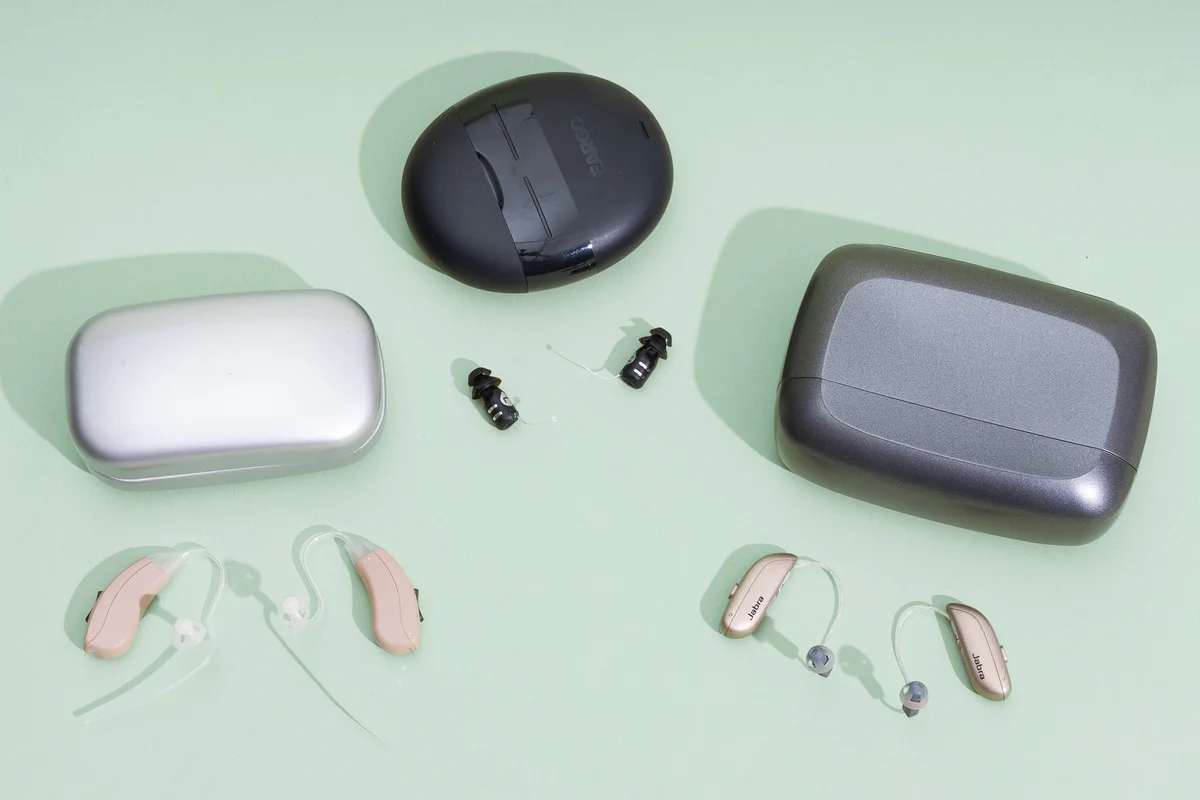
Once your hearing loss has been properly diagnosed, the next step is choosing the right type of hearing aid. There are several styles and technology levels available, each with its own advantages.
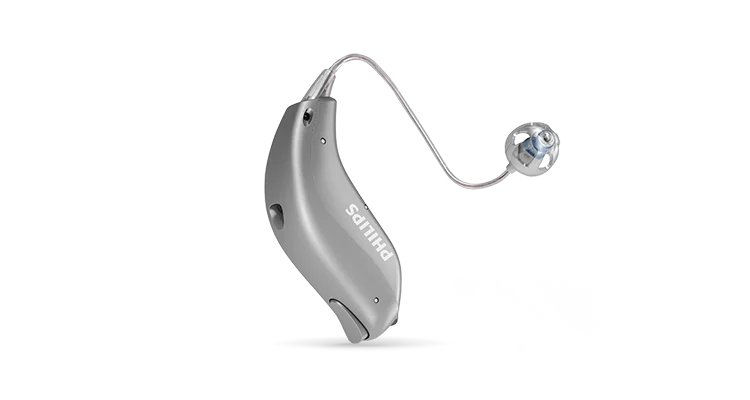
Behind-the-Ear (BTE) Hearing Aids These sit comfortably behind the ear and connect to an earmold or dome inside the ear canal via a thin tube. BTE aids are versatile, powerful, and suitable for almost any degree of hearing loss, from mild to profound. They are also relatively easy to handle, which makes them a popular choice for older adults and children.
Receiver-in-Canal (RIC) Hearing Aids Similar to BTE aids but smaller and more discreet, with the speaker (receiver) placed directly in the ear canal. RIC aids are popular for their natural sound quality and comfortable fit.
In-the-Ear (ITE) Hearing Aids Custom-molded to fit the shape of your outer ear, these are more visible than RIC or completely-in-canal styles but offer easier handling for people with dexterity challenges.
In-the-Canal (ITC) and Completely-in-Canal (CIC) Hearing Aids These are smaller, more discreet options that sit partly or fully inside the ear canal. They are best suited for mild to moderate hearing loss and for people who prioritize a low-visibility device.
Invisible-in-Canal (IIC) Hearing Aids The smallest and most discreet option available, sitting deep in the ear canal where it is virtually invisible to others.
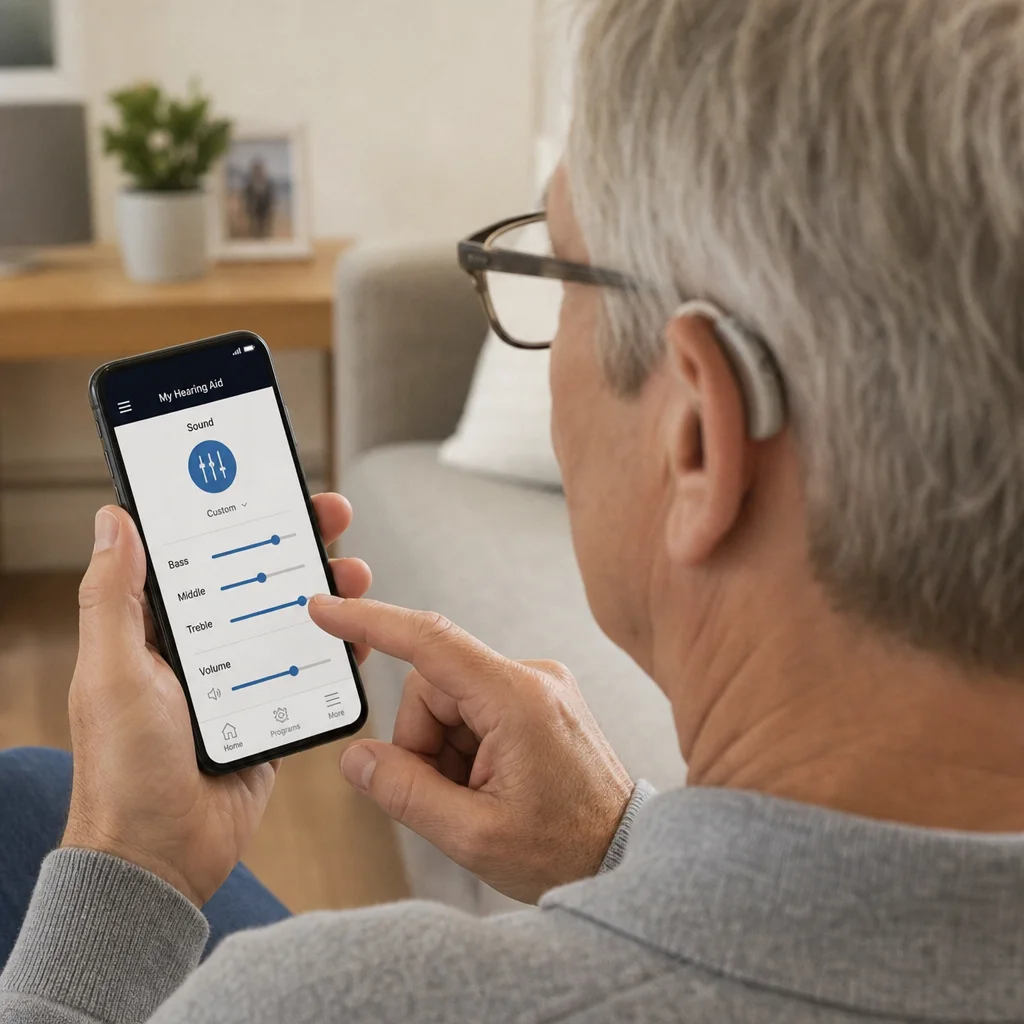
Each of these styles can also come with different feature levels, ranging from basic amplification to advanced digital processing with noise reduction, directional microphones, Bluetooth connectivity, and rechargeable batteries. The right choice depends on your degree of hearing loss, lifestyle, budget, and personal comfort preferences, all of which should be discussed with a qualified audiologist rather than decided based on advertising alone.
Why "Cheap" or Over-the-Counter Hearing Aids Aren't Always the Right Answer
In recent years, budget-friendly, direct-to-consumer hearing devices have become popular, often marketed heavily online with big discount claims and countless customer testimonials. These devices can seem tempting because of their low price and easy online purchase process. However, it's important to understand a few key differences between these consumer amplification devices and professionally fitted hearing aids.
Most low-cost, self-fitted hearing devices are basic sound amplifiers rather than true medical-grade hearing aids. They amplify all sound more or less equally, rather than being calibrated to your specific hearing loss pattern. For someone with a straightforward, mild high-frequency hearing loss, a basic amplifier might offer some temporary benefit. But for the majority of people, especially those with more complex or asymmetrical hearing loss, an uncalibrated device can actually cause discomfort, distorted sound, or even further strain on hearing over time.
Professionally fitted hearing aids, by contrast, are programmed based on your actual audiogram results. They are fine-tuned specifically to boost the frequencies where you struggle while leaving other frequencies untouched, resulting in clearer, more natural, and more comfortable hearing. They also come with professional follow-up care, adjustments over time as your hearing changes, and support if something isn't working right.
This doesn't mean every budget device is without value, but it does mean that price and marketing claims alone should never be the deciding factor in such an important health decision. A short consultation with a qualified audiologist can save you from months of frustration with a device that doesn't actually suit your hearing needs.
What to Expect During Your Hearing Aid Fitting at VR Speech and Hearing Clinic
Choosing a hearing aid doesn't end with the purchase. The fitting and follow-up process is just as important as the device itself. At VR Speech and Hearing Clinic, Dr. Vilas Rathod and the clinical team guide patients through a structured process to ensure the best possible outcome:
Comprehensive Hearing Evaluation – Detailed testing to understand your exact hearing profile.
Personalized Consultation – A discussion of your lifestyle, communication needs, and budget to recommend suitable options.
Device Selection and Trial – Guidance on choosing between different styles and technology levels, often with the opportunity to try before committing.
Precise Fitting and Programming – The hearing aid is programmed according to your audiogram, not a generic setting.
Real-Ear Verification – Ensuring the device is actually delivering the right amount of sound at your eardrum, not just relying on manufacturer defaults.
Follow-Up Appointments – Fine-tuning the device as you adjust to wearing it and as your listening environments change.
Ongoing Support and Maintenance – Cleaning, troubleshooting, and adjustments over the life of the device.
This level of personalized, ongoing care is something that pre-programmed, self-fitted devices purchased online simply cannot offer.
Hearing Care for All Ages: Children, Adults, and Seniors
VR Speech and Hearing Clinic provides hearing evaluations and hearing aid solutions for patients across all age groups.
For Children: Early identification of hearing loss is critical for speech and language development. The clinic offers pediatric hearing assessments and works closely with parents to support children's communication development through appropriate amplification and speech therapy when needed.
For Working Adults: Hearing loss can affect workplace communication, confidence in meetings, and even career opportunities. Discreet, modern hearing aid options allow adults to stay fully engaged professionally without drawing attention to their hearing device.
For Seniors: Age-related hearing loss is extremely common, and addressing it early can help maintain independence, safety, and connection with family. The clinic offers patient, unhurried consultations designed specifically with older adults' comfort and ease of use in mind.
Speech Therapy Services at VR Speech and Hearing Clinic
Beyond hearing aids, VR Speech and Hearing Clinic also provides speech and language therapy services for children and adults dealing with speech delays, articulation difficulties, stuttering, voice disorders, and communication challenges following hearing loss. Hearing and speech are deeply connected, and addressing both together often leads to the best outcomes, particularly for children in critical developmental years.
Why Choose VR Speech and Hearing Clinic in Chhatrapati Sambhajinagar
Choosing where to get your hearing evaluated and fitted with a hearing aid is a significant decision, and it deserves careful consideration rather than an impulsive online purchase. Here's what sets VR Speech and Hearing Clinic apart:
Experienced, Qualified Care: Dr. Vilas Rathod brings specialized expertise in audiology and speech-language pathology, ensuring evaluations and recommendations are clinically sound.
Comprehensive Testing: Full diagnostic hearing assessments rather than quick screenings, ensuring accurate identification of your specific hearing loss.
Personalized Solutions: No one-size-fits-all recommendations. Every hearing aid suggestion is based on your individual audiogram, lifestyle, and budget.
Ongoing Support: Fitting, follow-up, and maintenance support long after your initial purchase.
Trusted Local Reputation: A dedicated clinic serving the Chhatrapati Sambhajinagar community with a focus on long-term patient relationships rather than one-time sales.
Take the First Step Toward Better Hearing
If you or a loved one has been struggling with hearing difficulties, don't wait for the problem to get worse or rely on guesswork and online advertisements to make such an important health decision. A proper hearing evaluation is quick, painless, and the essential first step toward finding a hearing aid that truly fits your needs.
Visit VR Speech and Hearing Clinic in Chhatrapati Sambhajinagar and consult with Dr. Vilas Rathod to get a professional hearing assessment, honest guidance, and a hearing aid solution tailored specifically to you.
Frequently Asked Questions
1. How do I know if I need a hearing aid?
If you frequently ask people to repeat themselves, struggle to follow conversations in noisy environments, or need higher-than-usual volume on the TV or phone, it's a good idea to get a professional hearing test. Only a proper evaluation can confirm whether a hearing aid is needed and, if so, what type would suit you best.
2. Is a hearing test at VR Speech and Hearing Clinic painful or time-consuming?
No. A hearing evaluation is completely painless and typically takes about 30 to 45 minutes, depending on the tests required. It involves simple, non-invasive procedures conducted in a comfortable clinical setting.
3. Are cheaper, online hearing devices as good as professionally fitted hearing aids?
Low-cost, self-fitted sound amplifiers can offer limited, general amplification, but they are not calibrated to your specific hearing loss. Professionally fitted hearing aids are programmed based on your actual audiogram, offering clearer, more comfortable, and more effective hearing correction, along with ongoing professional support.
4. What is the right age to get a hearing aid?
There is no fixed age. Hearing aids can be fitted for infants, children, adults, and seniors, depending entirely on when hearing loss is diagnosed. Early intervention, especially in children, leads to significantly better outcomes.
5. How often should hearing aids be adjusted or serviced?
Hearing aids typically need follow-up adjustments in the first few weeks after fitting, and then periodic check-ups every six to twelve months, or sooner if your hearing changes or you notice a decline in sound quality.
6. Does VR Speech and Hearing Clinic offer trial periods for hearing aids?
Yes, patients are guided through device selection and trial options as part of the fitting process, so you can find a comfortable, effective solution before making a final decision.
7. Can hearing loss be reversed?
Most types of hearing loss, particularly age-related and noise-induced sensorineural hearing loss, cannot be reversed, but they can be effectively managed with properly fitted hearing aids. Some causes, such as earwax blockage or certain infections, may be treatable, which is another reason a professional evaluation is essential before assuming a hearing aid is needed.
8. Does VR Speech and Hearing Clinic treat speech and language difficulties too?
Yes. Alongside hearing evaluations and hearing aid fittings, the clinic offers speech and language therapy for children and adults, addressing speech delays, articulation issues, stuttering, and communication challenges linked to hearing loss.