Cochlear Implant Surgery: What to Expect
Cochlear Implant Surgery – What to Expect
For individuals and families dealing with severe to profound hearing loss, a cochlear implant can be life-changing. Unlike hearing aids, which simply amplify sound, a cochlear implant bypasses the damaged parts of the inner ear and directly stimulates the auditory nerve, allowing the brain to interpret sound signals in a new way. If you or a loved one is preparing for this procedure, understanding what happens before, during, and after surgery can ease anxiety and help set realistic expectations. At VR Speech and Hearing Clinic, we walk every patient through this journey step by step, ensuring they feel informed and supported at each stage.
What Is a Cochlear Implant?
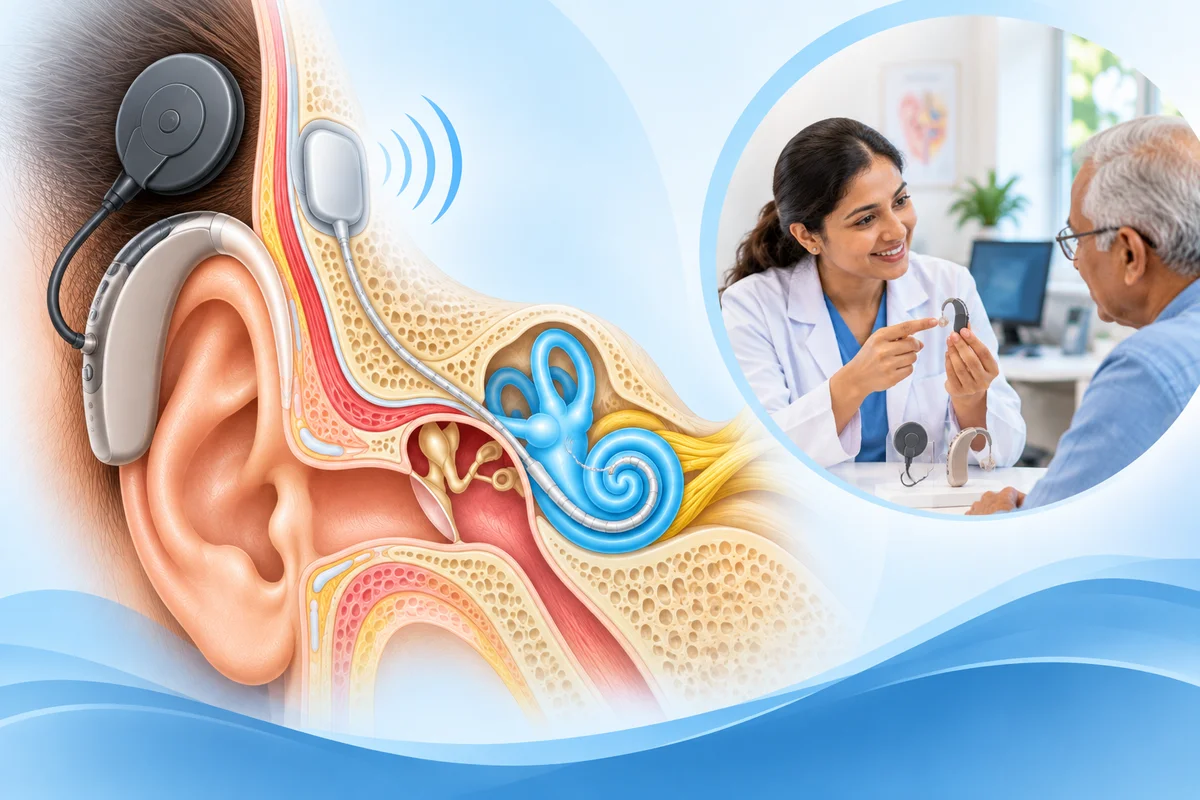
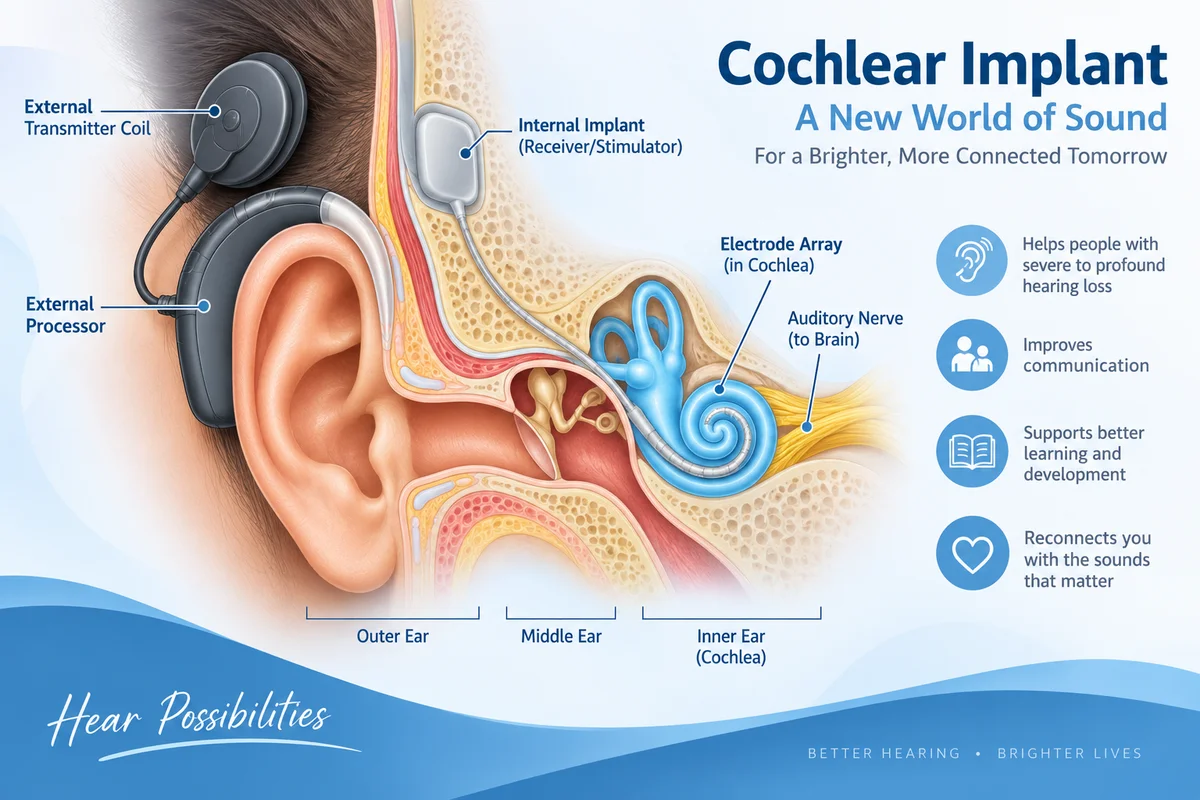
A cochlear implant is a small electronic device that consists of two main parts: an external portion that sits behind the ear, and an internal portion that is surgically placed under the skin and into the cochlea (the spiral-shaped structure of the inner ear). The external processor captures sound from the environment and converts it into digital signals, which are then sent to the internal implant. The implant stimulates the auditory nerve directly, allowing the brain to perceive these signals as sound.
Cochlear implants are typically recommended for people with severe to profound sensorineural hearing loss who receive limited benefit from hearing aids. This includes children born with hearing loss as well as adults who have lost hearing due to illness, injury, aging, or genetic factors.
Before the Surgery: Evaluation and Preparation
Before any surgery is scheduled, candidates go through a thorough evaluation process. This typically includes:
A detailed hearing assessment, including audiometry and speech perception testing
Imaging studies such as a CT scan or MRI to examine the structure of the inner ear and confirm there are no anatomical concerns
A medical evaluation to ensure the patient is fit for general anesthesia
Counseling sessions with an audiologist and speech-language pathologist to discuss realistic outcomes and the rehabilitation process
In the case of children, a discussion with parents about the long-term commitment to speech and auditory therapy after implantation
This evaluation phase is critical. It helps the surgical team confirm that a cochlear implant is the right solution and allows the patient and family to ask questions, understand risks, and prepare mentally and logistically for the procedure and the recovery period that follows.
The Day of Surgery
Cochlear implant surgery is performed under general anesthesia, meaning the patient will be asleep throughout the procedure. The surgery itself usually takes between two and four hours, depending on the complexity of the case and whether both ears are being implanted at the same time.
During the procedure, the surgeon makes a small incision behind the ear to access the mastoid bone. A small opening is created to reach the cochlea, where the electrode array of the implant is carefully threaded into place. The internal receiver-stimulator is then positioned under the skin, secured against the skull. Once the device is properly placed, the incision is closed, and the patient is moved to a recovery area to wake up from anesthesia.
In most cases, cochlear implant surgery is done on an outpatient basis or with a short overnight hospital stay for observation, though this can vary based on the patient's age, health status, and the surgeon's protocol.
Immediately After Surgery
Once the patient wakes up, it's common to experience some grogginess from the anesthesia, along with mild discomfort, swelling, or tenderness around the incision site. Some patients also report:
Temporary dizziness or balance issues
Mild ringing or unusual sensations near the ear
A feeling of pressure or fullness at the surgical site
Slight bruising around the incision
These symptoms are generally normal and tend to resolve within a few days to a couple of weeks. Pain is usually manageable with prescribed or over-the-counter medication, and most patients can return to light daily activities within a few days, though strenuous activity and heavy lifting should be avoided for several weeks as advised by the surgeon.
The Recovery Timeline
Recovery from cochlear implant surgery happens in phases:
First Week: Rest is important during this stage. The incision needs to stay clean and dry, and patients are advised to avoid water exposure to the ear, avoid bending or straining, and attend a follow-up visit to check healing progress.
Two to Four Weeks: Swelling gradually subsides, and most patients feel back to their normal routine. The surgical site continues to heal internally as the tissue settles around the implant.
Activation Day: Typically three to six weeks after surgery, once healing is confirmed, the external sound processor is fitted and switched on for the first time. This moment, often called "activation," is when the patient begins hearing through the device. It's important to understand that sounds may initially seem robotic, unclear, or unfamiliar. This is completely normal, as the brain needs time to learn how to interpret the new signals.
Life After Activation: Auditory Rehabilitation
Getting the implant activated is just the beginning. The brain requires consistent practice to make sense of the new sound input, which is why auditory-verbal therapy and speech therapy play such an important role in the months following surgery. Audiologists will also fine-tune, or "map," the device's settings over several sessions to optimize sound quality for each individual.
For children, this rehabilitation period is especially crucial, as early and consistent therapy strongly influences speech and language development. For adults, particularly those who lost hearing later in life, the process of relearning sound can take patience, but many report significant improvements in speech understanding within the first few months.
Progress varies from person to person based on factors such as age at implantation, duration of hearing loss before surgery, and consistency with therapy and device use. Most patients notice steady improvement over the first year, with continued gains possible for years afterward.
Risks and Considerations
As with any surgical procedure, cochlear implant surgery carries some risks, although serious complications are uncommon. These may include infection, temporary facial nerve weakness, changes in taste, dizziness, or device-related issues. Choosing an experienced surgical team and following post-operative care instructions closely significantly reduces these risks.
It's also worth noting that a cochlear implant does not restore "normal" hearing. Instead, it provides useful access to sound that, combined with therapy and practice, can dramatically improve communication, safety awareness, and quality of life.
Why Choose VR Speech and Hearing Clinic
At VR Speech and Hearing Clinic, our team supports patients through every stage of the cochlear implant journey — from initial hearing evaluation and candidacy assessment to post-surgical mapping and long-term auditory rehabilitation. We believe informed patients make confident decisions, and our specialists are here to answer questions, ease concerns, and guide families toward the best possible hearing outcomes.
If you or a family member is exploring cochlear implants, reach out to our clinic to schedule a consultation and take the first step toward better hearing.
Frequently Asked Questions
1. Is cochlear implant surgery painful?
Most patients experience mild to moderate discomfort after surgery, which is manageable with pain medication. Severe pain is uncommon and should be reported to your surgeon.
2. How long does the surgery take?
The procedure typically takes two to four hours, depending on whether one or both ears are being implanted.
3. When will I be able to hear after surgery?
The device is not activated immediately. Sound processing typically begins three to six weeks after surgery, once the surgical site has healed.
4. Will hearing sound normal right away?
No. Sounds often seem unusual or robotic at first. It takes time and auditory therapy for the brain to adjust to the new signals.
5. Are cochlear implants suitable for both children and adults?
Yes. Cochlear implants can benefit children with congenital hearing loss as well as adults with acquired hearing loss, provided they meet candidacy criteria.
6. How long is the recovery period?
Initial healing takes about two to four weeks, though full auditory adaptation and rehabilitation can continue for several months to a year.
7. Is the surgery safe?
Cochlear implant surgery is generally considered safe, with a low rate of serious complications when performed by an experienced surgical team.