CGHS Hearing Aid Reimbursement 2026: Full Guide

CGHS Hearing Aid Reimbursement 2026: Complete Guide for Government Employees and Pensioners
Hearing loss can quietly affect daily life, work, and relationships, but for Central Government employees and pensioners, financial worry does not have to stand in the way of treatment. The Central Government Health Scheme, widely known as CGHS, offers reimbursement support for digital hearing aids to eligible beneficiaries. At VR Speech And Hearing Clinic, we regularly guide patients through this process, so this article breaks down everything you need to know about CGHS hearing aid reimbursement in simple terms.
CGHS Hearing Aid Claim Government Subsidy Read Click
What Is CGHS Hearing Aid Reimbursement
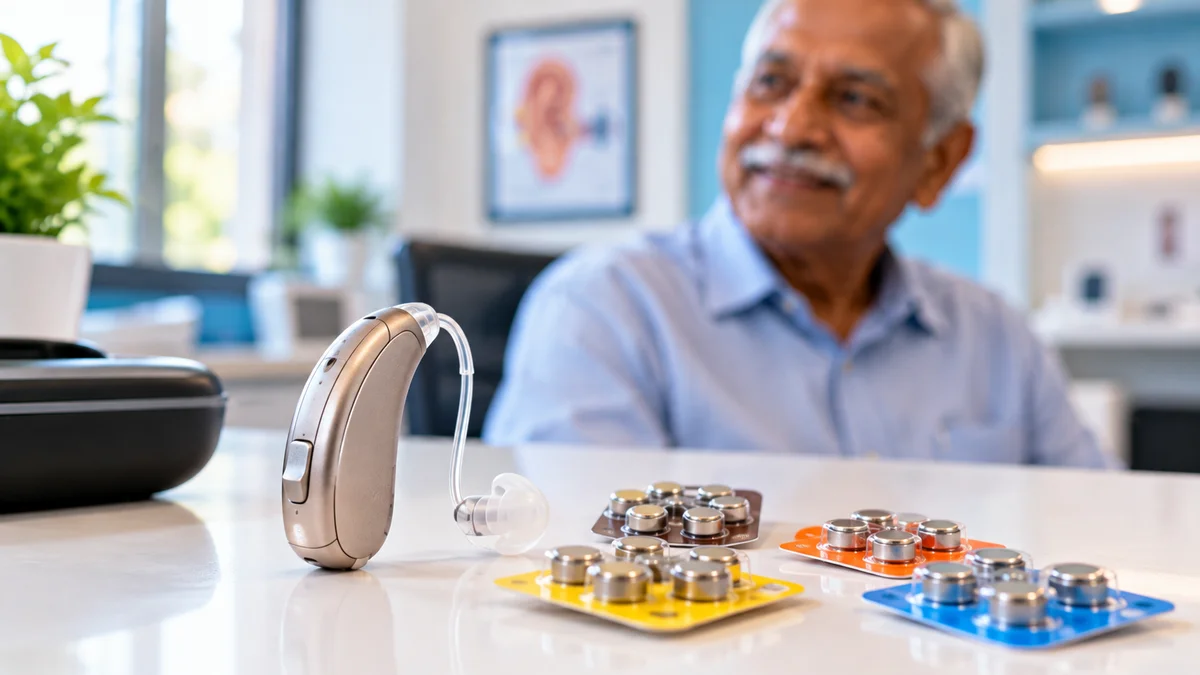
CGHS hearing aid reimbursement is a healthcare benefit that allows eligible Central Government employees, pensioners, and their dependents to recover part or all of the cost of a digital hearing aid after purchase. The scheme does not cover every hearing device on the market. Instead, it works on fixed ceiling rates for approved categories of digital hearing aids, and reimbursement is capped at either the actual bill amount or the ceiling rate, whichever is lower.
Who Is Eligible Under CGHS
The benefit is available to:
Serving Central Government employees and their dependent family members
Central Government pensioners and their dependents
CGHS card holders who are regular contributors to the scheme
Employees under the Armed Forces, Railways, and Delhi Police are generally excluded, since they are covered under their own separate medical schemes with comparable provisions.

Types of Hearing Aids Covered
As per the current Ministry of Health and Family Welfare guidelines, CGHS only reimburses modern digital hearing aids. Analogue hearing aids and body-worn models are no longer part of the approved list.
Approximate ceiling rates per ear are as follows:
Digital Behind-The-Ear (BTE) hearing aid: up to eight thousand rupees
Digital In-The-Canal or Completely-In-Canal (ITC or CIC) hearing aid: up to nine thousand rupees
These figures include applicable taxes and the ear mould or custom shell cost. The exact category recommended for you depends entirely on your audiogram and the assessment done by a government or CGHS-empanelled ENT specialist, not on personal brand preference.

Step-by-Step Process to Claim Reimbursement
Step 1: Visit a CGHS Wellness Centre
Carry your original CGHS card and request a referral to a Government ENT specialist.
Step 2: Undergo Audiometric Testing
The ENT specialist will conduct hearing tests and audiological assessment. If hearing loss is confirmed, a specific hearing aid category, such as digital BTE or ITC or CIC, will be recommended based on your audiogram.
Step 3: Obtain Prior Purchase Permission
This is a mandatory step. Purchasing a hearing aid without prior approval can lead to claim rejection.
Pensioners receive approval from the Additional Director of the Zonal CGHS office
Serving employees receive approval through their Head of Department or Office
You will also need to sign a declaration confirming you have not received CGHS reimbursement for a hearing aid in the preceding five years.
Step 4: Purchase the Approved Hearing Aid
Once permission is granted, buy the hearing aid from a registered dealer or clinic. Make sure the invoice clearly states the model, make, and total cost.
Step 5: Submit the Reimbursement Claim
Documents typically required include:
Original permission or approval letter
Copy of the CGHS card
Original invoice or bill
Empty box or carton with label intact
ENT prescription and audiogram report
Warranty card copy
Pensioners submit claims through their CGHS Wellness Centre to the Zonal Office, while serving employees route claims through their Ministry or Department. Claims should ideally be submitted within ninety days of purchase, and delays beyond this window usually require a written justification.
How Much Will You Actually Get Back
CGHS reimburses whichever is lower between your actual purchase cost and the fixed ceiling rate. For example, if a digital BTE hearing aid costs seven thousand five hundred rupees, you receive the full amount. If the same aid costs ten thousand rupees, reimbursement is capped at the ceiling rate, and the remaining balance is borne by the beneficiary.
Replacement Policy
A replacement hearing aid is permitted once every five years per ear. After this period, beneficiaries can apply again for reimbursement without needing a condemnation certificate for the old device.
What Is Not Covered
Maintenance, repairs, and batteries are excluded from reimbursement
Cochlear implants are not covered under this particular scheme
Reimbursement is category-based, meaning CGHS does not endorse or reimburse based on a specific brand name
Tips From VR Speech And Hearing Clinic
Always get your audiogram and ENT prescription properly stamped and signed before purchase
Retain the original hearing aid box and label, since CGHS asks for this during verification
Choose a clinic experienced with CGHS documentation to avoid claim delays or rejection
Keep photocopies of every document you submit, just in case originals are requested again
Frequently Asked Questions
How often can a CGHS beneficiary replace a hearing aid?
Replacement is generally allowed once every five years per ear, unless a genuine medical emergency justifies an earlier request.
Can dependents such as a spouse or parent also claim this benefit?
Yes, as long as they are listed as dependents on the CGHS card of the primary beneficiary.
Are cochlear implants covered under CGHS hearing aid reimbursement?
No, this particular scheme covers digital hearing aids only. Cochlear implants fall under a different medical provision.
What happens if the hearing aid costs more than the CGHS ceiling rate?
You receive reimbursement only up to the fixed ceiling rate for that category, and the extra amount is payable by you.
Is prior permission compulsory before buying the hearing aid?
Yes, purchasing without prior approval from the competent authority can result in the claim being rejected.
Do serving employees and pensioners follow the same claim process?
The overall process is similar, but the submission route differs. Pensioners go through the CGHS Wellness Centre and Zonal Office, while serving employees submit claims through their Ministry or Department.
Get Expert Help at VR Speech And Hearing Clinic
Navigating CGHS paperwork alongside a hearing health decision can feel overwhelming. Our audiologists at VR Speech And Hearing Clinic assist patients with audiometric testing, documentation, and choosing the right digital hearing aid category, so your reimbursement process stays smooth from evaluation to final claim submission. Visit us for a professional hearing assessment and personalised guidance on CGHS-approved hearing aids.