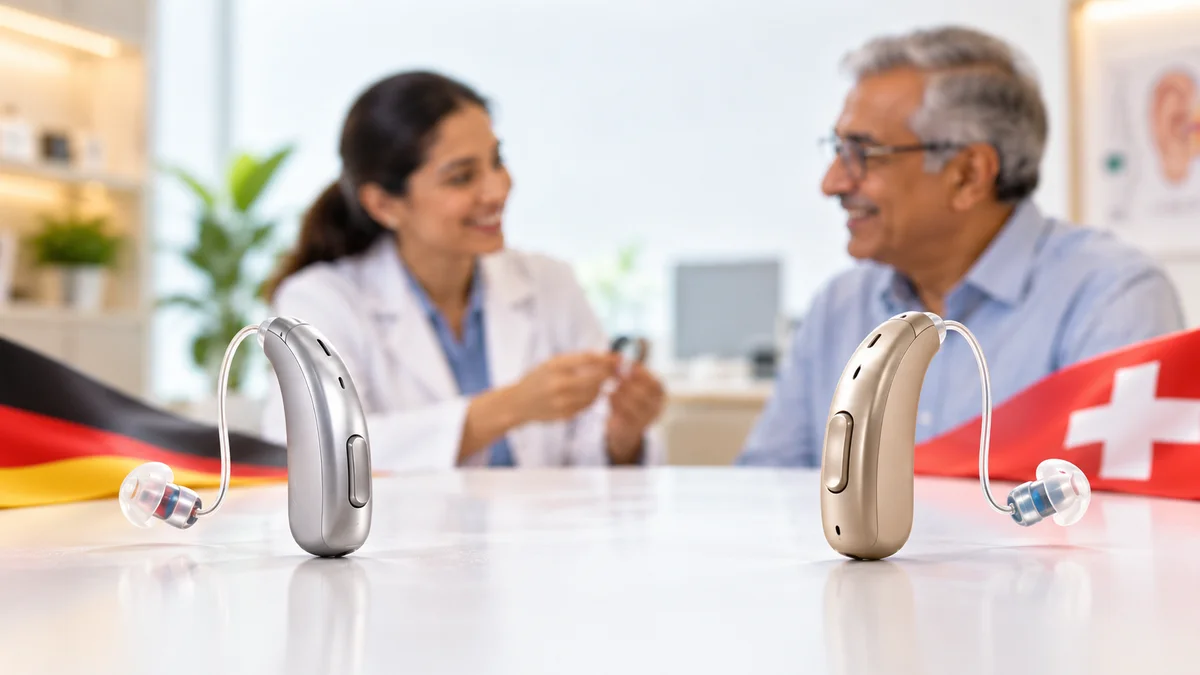
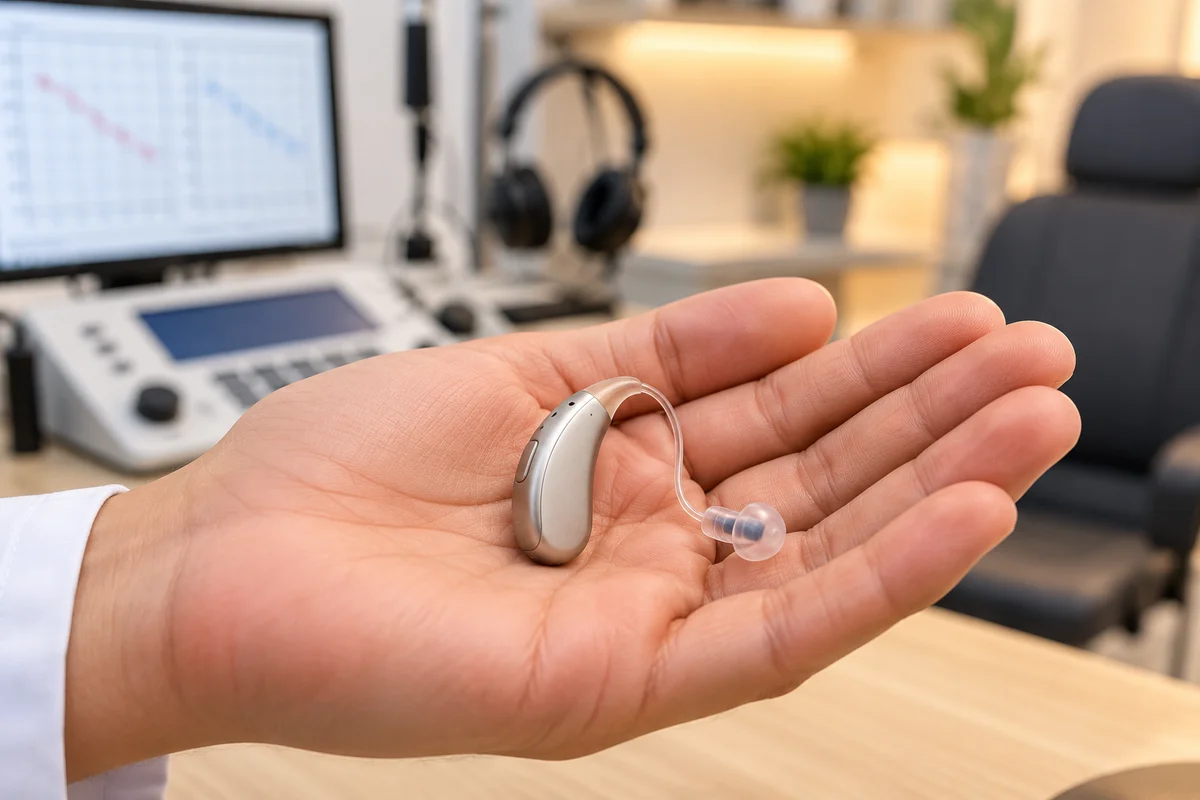
Best Hearing Aids on the Market 2026
Best Hearing Aids on the Market: The Complete 2026 Buyer's Guide

Hearing loss is one of the most common health concerns in the world today, yet it remains one of the most misunderstood. Millions of people delay getting help simply because they don't know which device is right for them, or because they assume hearing aids are bulky, expensive, or complicated. The truth is that modern hearing technology has changed dramatically. Today's devices are smaller, smarter, and more comfortable than anything available even five years ago, and choosing the best hearing aids on the market no longer means compromising on style, sound quality, or convenience.
At VR Speech & Hearing Clinic, we work with people every single day who are searching for real clarity, not just louder sound. This guide breaks down everything you need to know before buying a hearing aid — the top brands, the different styles, the features that actually matter, and how to pick the right device for your lifestyle and budget.
Why Choosing the Right Hearing Aid Matters
A hearing aid is not just a gadget — it's a tool that reconnects you with conversations, family gatherings, phone calls, and everyday moments that hearing loss can quietly take away. The best hearing aids on the market do more than amplify sound. They filter background noise, adapt automatically to different environments, sync with smartphones, and are fine-tuned by an audiologist to match your unique hearing profile.
Choosing the wrong device — or buying one without a proper hearing assessment — can lead to discomfort, poor sound clarity, and a device that ends up sitting unused in a drawer. That's why professional fitting, not just the brand name, is what truly determines whether a hearing aid works for you.

Top Hearing Aid Brands Available Today
The global hearing aid market is dominated by a handful of trusted manufacturers, each known for specific strengths in sound processing, design, and connectivity. Here's an honest look at the leading names you'll come across while searching for the best hearing aids on the market.
Signia Signia is known for its natural sound processing and sleek, modern designs. Their devices are popular among first-time users because they offer a smooth transition into amplified hearing without that "artificial" sound many people fear. Signia's rechargeable and Bluetooth-enabled models are excellent for people who want all-day convenience.
Phonak Phonak has built its reputation on exceptional performance in noisy environments. If you struggle most in restaurants, family functions, or crowded places, Phonak's speech-in-noise technology is among the best available. Their devices are also praised for durability and strong battery life.
Widex Widex is a favorite for users who prioritize sound quality above everything else. Their PureSound and ZeroDelay technologies are designed to make amplified sound feel remarkably close to natural hearing, with almost no processing delay. Widex's Completely-in-Canal and In-the-Canal custom models are particularly popular for users who want a discreet, natural fit.
ReSound ReSound stands out for its smartphone integration and direct streaming capabilities. If you spend a lot of time on calls, listening to music, or using apps, ReSound devices make it easy to stream audio directly into your ears with excellent clarity.
Oticon Oticon focuses on brain-friendly hearing technology, designed to reduce listening effort and make it easier for the brain to process multiple sounds at once. This is especially useful for people who feel mentally exhausted after a day of straining to hear.
Starkey Starkey has moved into health-tracking territory, with hearing aids that also monitor activity and wellness alongside sound amplification. It's a strong choice for users who want their hearing device to double as a lifestyle tool.
Every one of these brands makes excellent devices, but the "best" one for you depends on your hearing loss level, lifestyle, and personal comfort — which is exactly why a proper consultation matters more than brand loyalty.

Types of Hearing Aids: Which Style Fits You Best
Beyond brand, the style of the hearing aid plays a huge role in comfort, visibility, and performance. Here are the main types you'll find when browsing the market.
Behind-The-Ear (BTE) Hearing Aids These sit comfortably behind the ear with a thin tube connecting to the ear canal. BTE devices are powerful, durable, and well-suited for mild to severe hearing loss. They're a great option for users who want strong performance and easy handling.
Receiver-In-Canal (RIC) Hearing Aids RIC devices are smaller than BTE models and offer a more natural sound experience because the speaker sits closer to the eardrum. They're one of the most popular styles today thanks to their balance of discretion, comfort, and power.
In-The-Canal (ITC) Hearing Aids Custom-molded to fit inside the outer ear, ITC devices are less visible than BTE or RIC styles while still offering solid amplification for mild to moderately severe hearing loss.
Completely-In-Canal (CIC) Hearing Aids CIC devices are custom-built to sit deep within the ear canal, making them almost invisible to others. They're ideal for users who want the most discreet option available, though they typically suit mild to moderate hearing loss.
Invisible-In-Canal (IIC) and Instant-Fit Options For users who want zero visibility, IIC and instant-fit devices sit even deeper in the canal. These are excellent for people concerned about the cosmetic aspect of hearing aids.

Features That Actually Matter in a Hearing Aid
When comparing devices, it's easy to get lost in marketing terms. Here are the features that genuinely make a difference in daily use.
Rechargeable Batteries No more fumbling with tiny disposable batteries. Most modern premium devices now offer a full day of use on a single overnight charge.
Bluetooth Streaming Being able to stream phone calls, music, and even television audio directly to your hearing aids is one of the biggest quality-of-life upgrades in recent years.
Noise Reduction and Speech Enhancement Advanced processing chips can separate speech from background noise, which is especially valuable in restaurants, markets, and family gatherings.
Multiple Processing Channels More channels generally mean more precise sound customization, allowing your audiologist to fine-tune the device closely to your hearing profile.
Water and Sweat Resistance For active users, a device rated for sweat and light water exposure adds peace of mind during workouts or humid weather.
Telecoil and Accessories Compatibility Useful for those who frequently use public spaces fitted with hearing loop systems, such as theatres or places of worship.

Understanding Hearing Aid Prices in India
One of the most common questions we hear is, "What is the price of a good hearing aid?" The honest answer is that pricing varies significantly based on technology level, brand, and style.
Entry-Level Devices (Up to ₹50,000) Reliable digital hearing aids that cover the essentials — clear amplification for everyday listening situations. A solid starting point for first-time users with mild hearing loss.
Mid-Range Devices (₹50,000 – ₹1,00,000) This range typically includes rechargeable batteries, Bluetooth connectivity, and improved performance in noisy environments — a strong balance of value and features.
Premium Devices (₹1,00,000 and above) Top-tier AI-powered noise control, ultra-slim invisible designs, and the highest sound clarity available. Ideal for users who want the most advanced technology and the most natural listening experience.
EMI options are widely available, so cost doesn't have to be a barrier to better hearing. At VR Speech & Hearing Clinic, EMI starts from as low as ₹999 per month, making premium hearing technology accessible to more people.
How to Choose the Best Hearing Aid for Yourself or a Loved One
Get a Professional Hearing Test First Never buy a hearing aid based on guesswork. A proper audiometric test identifies the exact type and degree of hearing loss, which determines which devices will actually work for you.
Think About Your Daily Environment Someone who works in an office needs different features than someone who is frequently in crowded, noisy places. Be honest about where you spend most of your time.
Consider Your Comfort with Technology If you're comfortable with a smartphone, Bluetooth-enabled devices with companion apps can give you far more control over your listening experience.
Don't Ignore the Fit Even the most advanced hearing aid won't perform well if it doesn't fit comfortably. Custom-molded options like ITC and CIC devices require precise ear impressions for the best results.
Try Before You Commit A trial period allows you to experience real-world performance before making a final decision — an option every buyer should insist on.
Why VR Speech & Hearing Clinic Is a Trusted Choice
VR Speech & Hearing Clinic has helped thousands of people across India rediscover clear, confident hearing. Here's what sets the experience apart:
Certified Audiologists Every fitting is handled by trained specialists who understand the nuances of hearing loss, not just product sales.
Free Home Hearing Test No need to visit a clinic — a certified specialist can assess your hearing right at home, making the process simple and stress-free.
7-Day Free Trial Live with your new hearing aid for a full week before committing, so you know exactly how it performs in your everyday life.
Genuine Products with Warranty Every device sold is 100% authentic, backed by the manufacturer's warranty, sourced directly from trusted global brands including Signia, Phonak, Widex, ReSound, Oticon, and Starkey.
Pan-India Delivery and Support With a wide network of clinics and home-fitting services across India, expert hearing care is never far away.
Flexible EMI Options Premium hearing technology starting from as low as ₹999 per month, so budget never has to stand between you and better hearing.

Real Stories from Real Customers
Patients who switched to Phonak rechargeable hearing aids through VR Speech & Hearing Clinic often describe a noticeable improvement in daily conversations, praising the clarity of sound and the patience of the clinical team during consultation.
Others who chose Signia devices highlight how meticulous the fitting process was, with staff genuinely listening to their concerns and offering tailored solutions rather than a one-size-fits-all approach.
These consistent themes — attentive service, careful fitting, and real improvement in daily life — are what define the VR Speech & Hearing Clinic experience.
Making the Right Choice
There is no single "best" hearing aid that works for everyone — the best hearing aids on the market are the ones matched precisely to your hearing loss, lifestyle, and comfort. What matters most is working with a team that takes the time to test, understand, and fit your device correctly, rather than simply selling you the most expensive option.
If you or a loved one has been putting off getting help, there has never been a better time to explore modern hearing technology. With free home hearing tests, certified audiologists, and a risk-free 7-day trial, VR Speech & Hearing Clinic makes it easy to take that first step toward clearer, more confident hearing.

FREQUENTLY ASKED QUESTIONS
Q1. What are the best hearing aids on the market right now?
The best hearing aids on the market currently come from trusted brands like Signia, Phonak, Widex, ReSound, Oticon, and Starkey. The right choice depends on your degree of hearing loss, lifestyle, and budget, which is why a professional hearing test is recommended before purchase.
Q2. How much do good hearing aids cost in India?
Hearing aid prices generally range from under ₹50,000 for entry-level digital devices to over ₹1,00,000 for premium AI-powered, invisible designs. Mid-range options with Bluetooth and rechargeable batteries typically fall between ₹50,000 and ₹1,00,000.
Q3. Which type of hearing aid is the most invisible?
Completely-In-Canal (CIC) and Invisible-In-Canal (IIC) hearing aids are the most discreet options, custom-molded to sit deep within the ear canal so they are barely noticeable to others.
Q4. Can I try a hearing aid before buying it?
Yes. VR Speech & Hearing Clinic offers a 7-day free trial, allowing you to experience real-world performance before making a final decision.
Q5. Do I need a hearing test before buying a hearing aid?
Yes, a professional hearing test is essential. It identifies the exact type and severity of hearing loss so the right device and settings can be recommended for you.
Q6. Are rechargeable hearing aids better than battery-operated ones?
Rechargeable hearing aids offer convenience and eliminate the need to regularly buy and replace tiny batteries, making them a popular choice for users who want a hassle-free daily routine.
Q7. Does VR Speech & Hearing Clinic offer home visits?
Yes, certified specialists can conduct a free hearing test and fit your device at home, anywhere in India, so you don't need to visit a clinic in person.
Q8. Is EMI available for hearing aids? Yes, EMI options are available starting from as low as ₹999 per month, making premium hearing technology more accessible.