Best Ear Protection for Musicians and DJs
Best Ear Protection for Musicians and DJs: A Complete Guide to Protecting Your Hearing
Musicians and DJs live for sound. Every beat, note, and bassline is part of their craft, their passion, and often their livelihood. But there is a hidden cost to spending hours around loud speakers, monitors, and club systems: hearing damage. Noise-induced hearing loss is one of the most common occupational hazards in the music industry, and it is almost entirely preventable with the right ear protection.
At VR Speech and Hearing Clinic, we work with performers, sound engineers, and audio professionals who want to protect their hearing without compromising their sound quality. This guide covers everything musicians and DJs need to know about choosing the right ear protection, from budget-friendly foam plugs to custom-molded in-ear monitors.
Why Musicians and DJs Are at Risk
Regular exposure to sound levels above 85 decibels can cause permanent hearing damage over time. Live concerts, nightclubs, and rehearsal spaces frequently exceed 100 decibels, and DJ booths positioned close to speaker stacks can be even louder. Unlike a one-time loud noise, this is chronic exposure night after night, which makes cumulative damage far more likely.
Common warning signs of early hearing damage include ringing in the ears after a gig (tinnitus), difficulty understanding speech in noisy environments, and a sense that sounds feel muffled the next day. Many musicians dismiss these symptoms as normal fatigue, but they are often the earliest indicators of noise-induced hearing loss.
What to Look for in Ear Protection
Not all earplugs are created equal, and musicians have different needs than construction workers or industrial employees. Standard foam earplugs reduce volume, but they also distort sound, muffling highs and mids unevenly. This is a problem for performers who need to hear pitch, timing, and tonal balance accurately.
The best ear protection for musicians and DJs should offer:
Flat attenuation: Sound should be reduced evenly across all frequencies so music still sounds natural, just quieter.
Comfortable, long-wear fit: Musicians often wear protection for hours at a time, so comfort matters as much as performance.
Appropriate noise reduction rating: Too much attenuation isolates performers from the room; too little defeats the purpose.
Durability: Protection should withstand sweat, movement, and repeated use.
Compatibility with monitors or headphones: DJs and musicians using in-ear monitors need protection that integrates with their existing setup.
Types of Ear Protection for Musicians and DJs
1. High-Fidelity Musician Earplugs
These are designed specifically for live sound environments. Unlike foam plugs, they use acoustic filters that lower volume while preserving clarity, so vocals, instruments, and rhythms still sound balanced. They are a popular choice for band members, orchestra musicians, and DJs who want reliable protection without sacrificing sound quality during a set.
2. Custom-Molded Earplugs
Custom earplugs are made from an impression of the individual's ear canal, offering the most secure and comfortable fit available. Because they seal precisely, they tend to provide more consistent attenuation than universal-fit options. Many professional musicians consider custom molds worth the investment, especially for those who perform or work in loud environments regularly. A hearing clinic can take ear impressions and coordinate the fitting process.
3. In-Ear Monitors (IEMs) with Isolation
For performers who use monitor mixes on stage, IEMs serve a dual purpose: they deliver a controlled audio feed while physically blocking a significant amount of external stage volume. Musicians who switch from wedge monitors to IEMs often report both better sound control and reduced overall noise exposure, since they no longer need loud stage volumes to hear themselves.
4. Foam and Universal-Fit Plugs
These are the most affordable and accessible option, useful for occasional exposure such as a one-off loud event or as a backup pair. They are not ideal for regular professional use because of sound distortion, but they are far better than no protection at all.
5. Electronic and Filtered Earplugs
Newer electronic earplugs can adjust attenuation levels depending on the environment, offering flexibility for DJs who move between quieter prep areas and loud dance floors. Some models allow ambient sound to pass through at safe levels while automatically compressing sudden loud peaks.
How DJs Can Protect Their Hearing Specifically
DJs face a unique challenge because they are typically stationed directly next to booth monitors or speaker stacks for extended sets, sometimes several hours long, several nights a week. A few practical strategies include:
Positioning booth monitors at ear level rather than pointed directly at the head.
Using musician-grade or custom earplugs during setup, soundcheck, and the entire set, not just peak hours.
Taking short breaks away from the speaker zone when possible to give ears recovery time.
Monitoring personal listening volume on headphones during track preparation, since headphone exposure adds to the night's total noise dose.
Scheduling regular hearing checkups, since early changes in hearing sensitivity are not always noticeable without testing.
Caring for Your Ear Protection
Proper maintenance extends the life of ear protection and keeps it hygienic:
Clean earplugs regularly with a mild soap solution or the cleaning products recommended by the manufacturer.
Store custom or high-fidelity earplugs in a hard case when not in use to avoid damage.
Replace foam plugs after a few uses, as they lose shape and effectiveness over time.
Have custom molds reassessed every couple of years, since ear canal shape can shift slightly over time.
When to See a Hearing Specialist
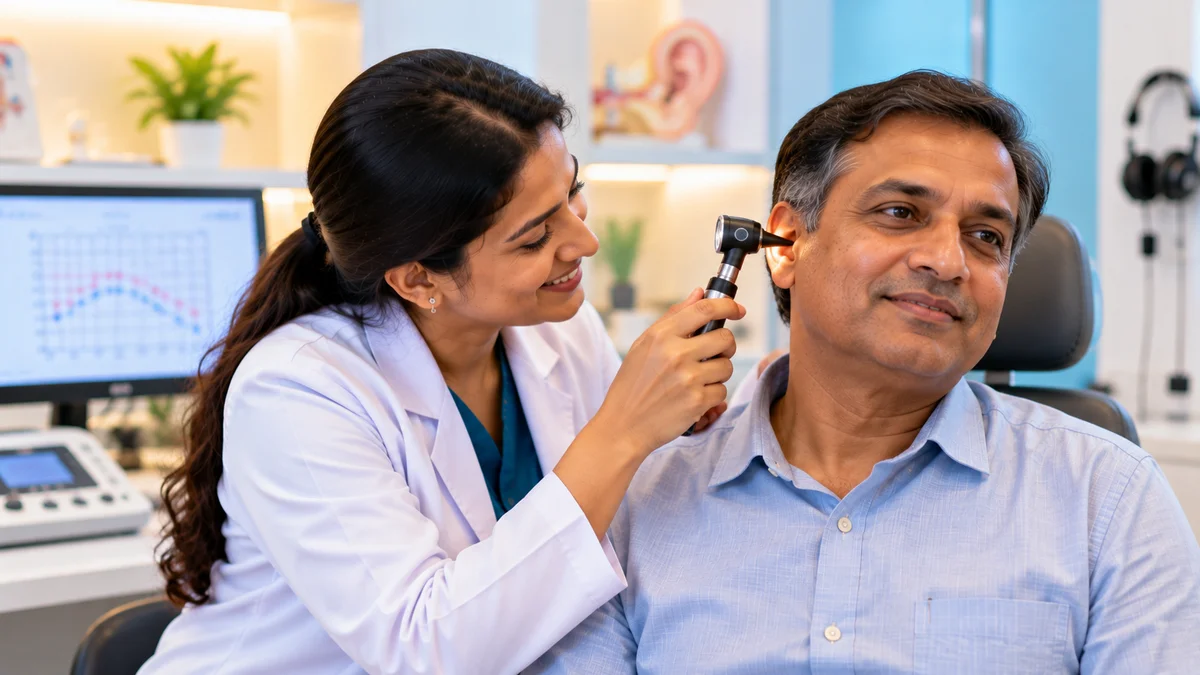
Musicians and DJs should not wait for noticeable hearing loss before seeking professional advice. A baseline hearing test is useful for anyone who performs regularly, as it establishes a reference point to track any changes over the years. Warning signs that warrant a visit to a hearing clinic include persistent ringing in the ears, difficulty following conversations in noisy rooms, or a feeling of pressure or fullness after performances.
At VR Speech and Hearing Clinic, our audiologists offer comprehensive hearing assessments, custom earplug fittings, and personalized guidance for musicians, DJs, and audio professionals. Protecting your hearing today means you can continue doing what you love for years to come.
Final Thoughts
Hearing is a musician's most valuable tool, and once it is damaged, the loss is usually permanent. The good news is that effective, comfortable, and sound-preserving ear protection is more accessible than ever, whether through high-fidelity earplugs, custom molds, or smart in-ear monitor setups. Making hearing protection a routine part of every rehearsal, gig, or set is one of the simplest ways musicians and DJs can safeguard their long-term career and quality of life.
If you perform regularly and want to know which type of ear protection suits your needs, a consultation with a qualified audiologist is the best place to start.
Frequently Asked Questions
1. Do musicians really need special earplugs, or will regular foam plugs work?
Foam plugs do reduce volume, but they distort sound quality by unevenly blocking frequencies. Musician-grade earplugs use filters designed to lower volume while keeping the sound balanced, which matters for playing in tune and following a mix accurately.
2. How loud does a performance need to be before hearing protection is necessary?
Sound exposure above 85 decibels for extended periods can contribute to hearing damage over time. Most live venues, clubs, and rehearsal spaces regularly exceed this level, so protection is recommended for any regular performer or DJ.
3. Are custom-molded earplugs worth the investment?
For musicians and DJs who perform frequently, custom molds usually offer a more secure fit and more consistent sound attenuation compared to universal-fit options, making them a worthwhile investment for long-term use.
4. Can in-ear monitors replace the need for separate hearing protection?
Isolating in-ear monitors do reduce exposure to external stage volume while delivering a controlled mix, but the fit and isolation level still matter. Some performers use both isolating IEMs and additional protection depending on the venue's overall loudness.
5. How often should musicians get their hearing checked?
A baseline hearing test is recommended for anyone performing regularly, with follow-up checkups at least once a year or sooner if symptoms like ringing in the ears or muffled hearing appear.
6. Where can musicians and DJs get custom ear protection fitted?
A hearing clinic with audiology services, such as VR Speech and Hearing Clinic, can take ear impressions, recommend the right type of protection, and fit custom earplugs suited to individual needs.