Analog vs Digital Hearing Aids: Which One Is Right for You?
Analog vs Digital Hearing Aids: Which One Is Right for You?
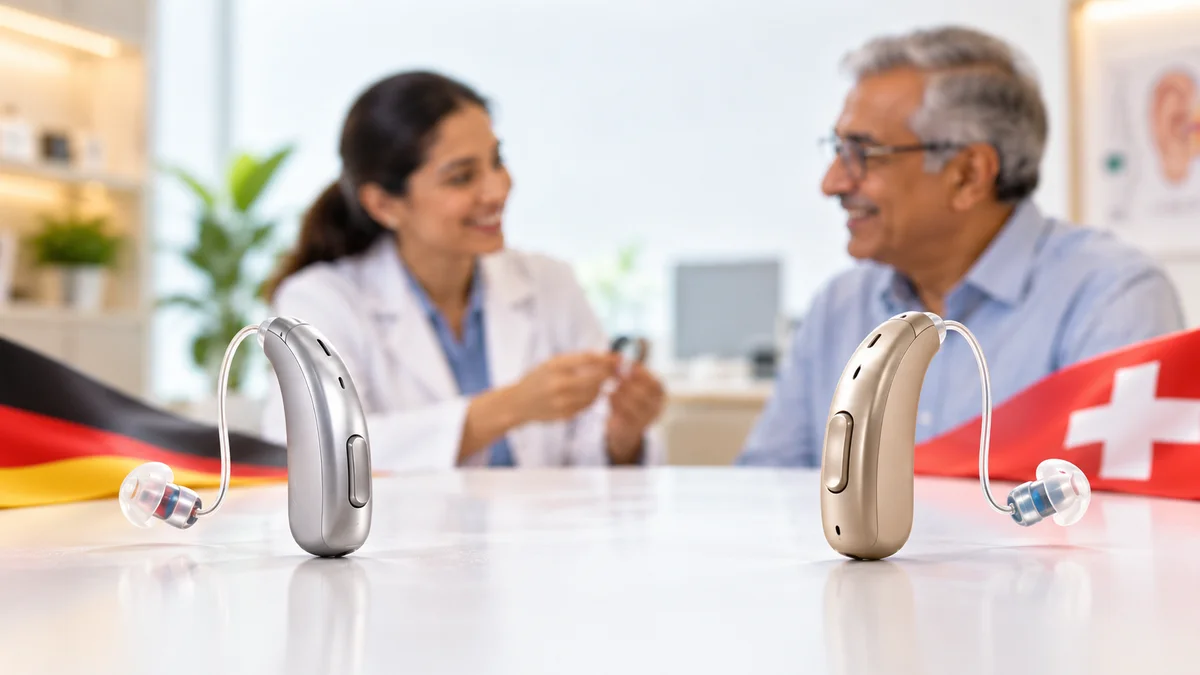
Hearing loss affects millions of people across all age groups, and choosing the right hearing aid can feel overwhelming when you are first starting out. One of the most common questions patients ask at VR Speech And Hearing Clinic is: "Should I choose an analog hearing aid or a digital one?" Understanding the difference between these two technologies is the first step toward making an informed decision that improves your quality of life.
In this article, we will break down what analog and digital hearing aids are, how they work, their pros and cons, and which option might be best suited for your specific hearing needs.
Understanding Hearing Aids: The Basics
Before diving into the comparison, it helps to understand what a hearing aid actually does. A hearing aid is a small electronic device worn in or behind the ear that amplifies sound so a person with hearing loss can listen, communicate, and participate more fully in everyday life. Every hearing aid, regardless of type, has three basic components: a microphone that picks up sound, an amplifier that increases the sound signal, and a speaker (also called a receiver) that delivers the amplified sound into the ear.
The way these components process sound is what separates analog hearing aids from digital hearing aids.
What Are Analog Hearing Aids?
Analog hearing aids were the original form of hearing aid technology. They work by taking sound waves and converting them directly into electrical signals, which are then amplified and sent to the ear. The amplification process is continuous and uniform, meaning the device increases the volume of all sounds picked up by the microphone, regardless of whether it is speech, background noise, or ambient sound.
Analog hearing aids are typically simpler in design and often come with basic volume control features. Some analog devices are programmable, allowing an audiologist to make limited adjustments to suit a patient's hearing profile, but the level of customization is far more limited compared to digital devices.
Key Features of Analog Hearing Aids
Analog devices amplify all incoming sounds at the same level without distinguishing between speech and noise. They tend to be less expensive upfront, making them accessible for patients on a tighter budget. Their circuitry is simpler, which can mean fewer components to malfunction, and they are generally easier to repair. However, because they lack sophisticated processing capabilities, they may struggle in noisy environments, amplifying background chatter and speech equally, which can make conversations harder to follow.
What Are Digital Hearing Aids?
Digital hearing aids represent a significant leap forward in hearing aid technology. Instead of simply amplifying sound waves, digital devices convert sound into numerical, digital code before processing it. This code is then analyzed by a tiny computer chip inside the hearing aid, which can distinguish between different types of sound, such as speech versus background noise, and adjust amplification accordingly.
This digital signal processing allows for a much higher degree of precision and customization. Audiologists can program digital hearing aids to match a patient's exact hearing loss pattern, adjusting amplification levels across multiple frequency bands rather than applying a single, uniform boost.
Key Features of Digital Hearing Aids
Digital hearing aids offer selective amplification, meaning they can prioritize speech sounds while reducing background noise, which is especially helpful in restaurants, offices, or crowded gatherings. Many digital devices include features like directional microphones, feedback cancellation to reduce whistling sounds, noise reduction algorithms, and even wireless connectivity that allows the hearing aid to sync with smartphones, televisions, and other devices.
Digital hearing aids can also be fine-tuned and reprogrammed as a patient's hearing changes over time, without needing to replace the entire device. Many modern digital hearing aids come with rechargeable batteries, multiple listening programs for different environments, and automatic adjustments that respond to changes in the surrounding sound environment in real time.
Analog vs Digital Hearing Aids: A Side-by-Side Comparison
When comparing analog and digital hearing aids, it helps to look at several key factors that matter most to patients: sound quality, background noise management, customization, durability, cost, and lifestyle compatibility.
Sound Quality: Digital hearing aids generally offer clearer, more natural sound quality because they can process and refine sound signals with much greater precision. Analog hearing aids amplify sound in a more generalized way, which can sometimes result in a less refined listening experience.
Background Noise Management: This is one of the biggest differentiators. Digital hearing aids are specifically designed to separate speech from background noise, making it easier to follow conversations in noisy settings. Analog hearing aids amplify all sound uniformly, so background noise can often become just as loud as speech, which is frustrating in social settings, restaurants, or public spaces.
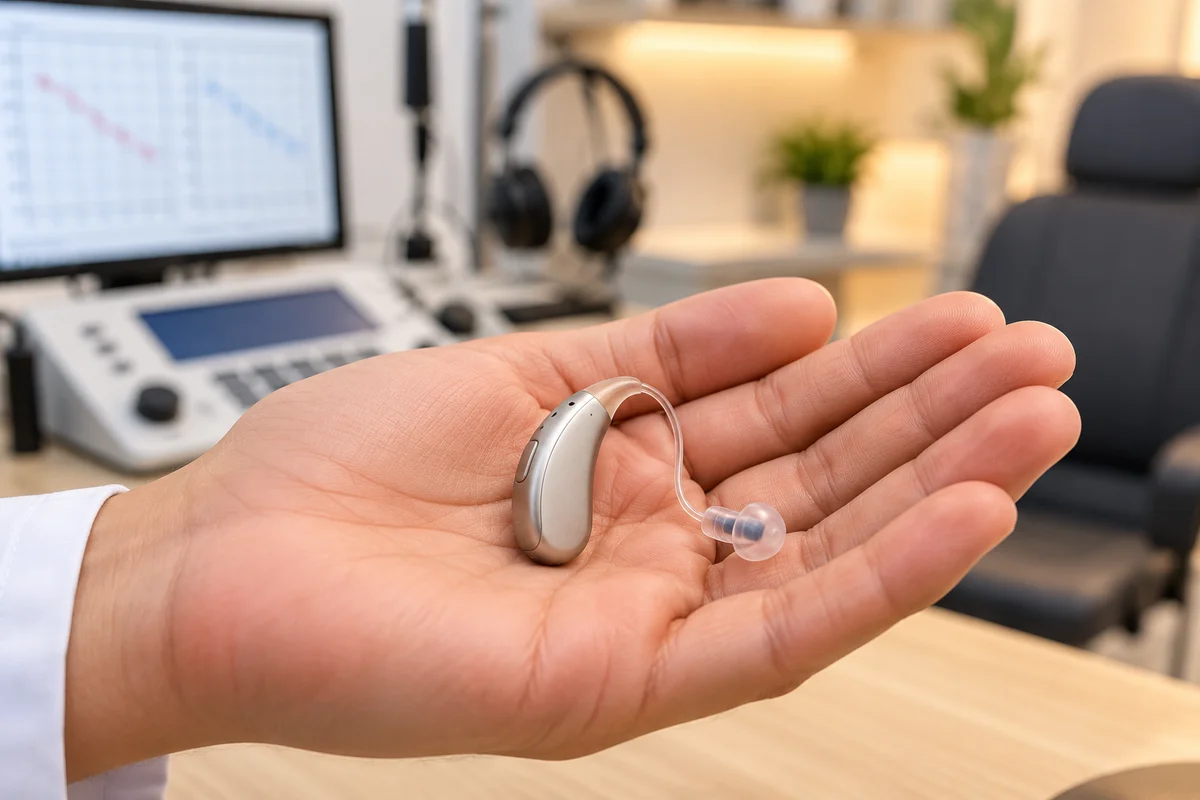
Customization and Programming: Digital hearing aids can be precisely programmed to match an individual's unique hearing loss profile across different frequencies. Audiologists at VR Speech And Hearing Clinic can make detailed adjustments using specialized software. Analog hearing aids offer far more limited adjustment options, which can make it harder to achieve an optimal fit for complex hearing loss patterns.
Comfort and Convenience: Many digital hearing aids include automatic environment detection, meaning the device adjusts itself when you move from a quiet room to a noisy street without requiring manual intervention. Analog hearing aids typically require the wearer to manually adjust volume settings as their environment changes.
Cost: Analog hearing aids are generally more affordable, which can make them an appealing choice for patients with mild hearing loss or budget constraints. Digital hearing aids tend to be more expensive due to their advanced technology, but many patients find the investment worthwhile given the significant improvement in sound clarity and quality of life.
Durability and Maintenance: Analog hearing aids, with their simpler circuitry, can sometimes be easier and cheaper to repair. Digital hearing aids, while more complex, are often built with more advanced components and may offer better long-term reliability, though repairs can be more specialized.
Connectivity: Digital hearing aids often support Bluetooth and wireless connectivity, allowing users to stream phone calls, music, and television audio directly to their hearing aids. Analog hearing aids do not offer this level of technological integration.
Who Should Consider Analog Hearing Aids?
While digital hearing aids dominate the market today, analog hearing aids may still be a reasonable option for certain patients. Individuals with mild, stable hearing loss who primarily need basic amplification in quiet settings may find analog devices sufficient for their needs. Patients on a strict budget who need a functional, no-frills solution might also consider analog hearing aids as an entry point, especially if cost is the primary barrier to treatment.
That said, it is important to consult with an audiologist before making this choice, since untreated or under-treated hearing loss can worsen communication difficulties and social isolation over time.
Who Should Consider Digital Hearing Aids?
Digital hearing aids are generally recommended for most patients today, particularly those who lead active lifestyles, work in professional environments, or frequently find themselves in noisy or socially demanding situations. Patients with moderate to severe hearing loss, or those with complex hearing loss patterns that vary across frequencies, benefit significantly from the precise customization digital devices offer.
Anyone who values convenience, such as automatic environment adjustments, rechargeable batteries, and smartphone connectivity, will likely find digital hearing aids to be a better long-term investment. Additionally, patients who struggle most in noisy environments, such as restaurants, family gatherings, or workplaces, will notice a marked improvement with digital technology's noise reduction and speech enhancement capabilities.
Why Digital Hearing Aids Have Become the Industry Standard
Over the past two decades, the hearing aid industry has largely shifted toward digital technology, and for good reason. Digital signal processing allows for far greater precision in matching amplification to an individual's specific hearing loss. This means better speech understanding, improved comfort, and a more natural listening experience overall.
Additionally, digital hearing aids can be adjusted and reprogrammed non-invasively as a patient's hearing needs evolve, reducing the need for frequent device replacement. Many manufacturers have also invested heavily in reducing the size and improving the aesthetics of digital hearing aids, making them more discreet and comfortable to wear throughout the day.
How VR Speech And Hearing Clinic Can Help
Choosing between analog and digital hearing aids is not a decision you should make alone. At VR Speech And Hearing Clinic, our experienced audiologists conduct comprehensive hearing evaluations to understand the exact nature and severity of your hearing loss. Based on these results, along with your lifestyle, budget, and personal preferences, we help you select the hearing aid technology that will genuinely improve your daily communication and overall well-being.
Our clinic offers thorough hearing assessments, personalized hearing aid fittings, ongoing adjustments and programming, and ongoing support to ensure your hearing aids continue to perform optimally as your needs change over time. We understand that hearing loss affects not just your ears, but your relationships, confidence, and independence, which is why we take a patient-centered approach to every consultation.
Making the Right Choice for Your Hearing Health
Ultimately, the decision between analog and digital hearing aids comes down to your specific hearing loss, lifestyle, and budget. While analog hearing aids may still serve a purpose for select patients, digital hearing aids offer superior sound quality, noise management, and customization that most patients find life-changing.
If you are unsure which option is right for you, the best next step is scheduling a hearing evaluation with a qualified audiologist who can guide you through the process and recommend a solution tailored to your unique needs.
Frequently Asked Questions
1. What is the main difference between analog and digital hearing aids?
Analog hearing aids amplify all sound uniformly, while digital hearing aids convert sound into digital code and process it intelligently, allowing them to distinguish between speech and background noise for a clearer listening experience.
2. Are digital hearing aids better than analog hearing aids?
For most patients, digital hearing aids offer better sound quality, more precise customization, and improved performance in noisy environments, making them the preferred choice for the majority of hearing loss cases today.
3. Are analog hearing aids still available?
Yes, analog hearing aids are still available, though they have become less common as digital technology has advanced. They may still be suitable for patients with mild, stable hearing loss or specific budget considerations.
4. Do digital hearing aids cost more than analog hearing aids?
Generally, yes. Digital hearing aids tend to be more expensive due to their advanced processing capabilities, additional features, and higher level of customization, though many patients feel the investment is worthwhile.
5. Can digital hearing aids connect to my smartphone?
Many modern digital hearing aids offer Bluetooth connectivity, allowing you to stream phone calls, music, and other audio directly to your hearing aids, along with app-based controls for adjusting settings.
6. How do I know which type of hearing aid is right for me?
The best way to determine the right hearing aid for your needs is to schedule a comprehensive hearing evaluation with an audiologist, who can assess your hearing loss and recommend a device suited to your lifestyle and budget.
7. Can digital hearing aids be adjusted after purchase?
Yes, digital hearing aids can be reprogrammed and fine-tuned by an audiologist as your hearing needs change over time, without requiring you to purchase a new device.
8. Do analog hearing aids work well in noisy environments?
Analog hearing aids amplify all sounds equally, including background noise, which can make it more difficult to follow conversations in noisy settings compared to digital hearing aids.
9. How long do hearing aids typically last? With proper care and maintenance, most hearing aids, whether analog or digital, last between three to seven years, depending on usage, build quality, and how well they are maintained.
10. Where can I get my hearing tested and find the right hearing aid?
VR Speech And Hearing Clinic offers comprehensive hearing evaluations and personalized hearing aid consultations to help you find the right solution for your specific hearing needs.