Hearing Aid in Garkheda Aurangabad
Looking for a hearing aid in Garkheda, Aurangabad? VR Speech and Hearing Clinic offers hearing tests, digital hearing aids, fitting and follow-up care at CIDCO N-3.
Book a Free Consultation
We'll call you within 24 hours. Your details are safe with us.
Hearing Aid in Garkheda, Aurangabad: Expert Hearing Care at VR Speech and Hearing Clinic
Hearing loss rarely arrives overnight. It creeps in slowly. You ask people to repeat themselves, turn the television volume higher, or avoid noisy family gatherings because conversations feel exhausting. If this sounds familiar, you are not alone, and you do not have to put up with it.
If you are searching for a hearing aid in Garkheda, Aurangabad, VR Speech and Hearing Clinic offers a complete path from testing to fitting to long-term support. The clinic is on the Second Floor, Vasantrao Naik Chowk, opposite Hotel Deepali Executive, N-3, CIDCO, Chhatrapati Sambhajinagar, and it is easily reachable for residents of Garkheda and nearby areas.
This guide explains the signs of hearing loss, the types of hearing aids available, how to choose the right one, and what to expect from a proper fitting.
Signs You May Need a Hearing Aid
Many people wait years before seeking help, often because the change is so gradual. Watch for these common signs:
Frequently asking others to repeat themselves
Difficulty following conversations in crowded places, markets or restaurants
Struggling to hear on phone calls
Turning up the TV or mobile volume higher than others prefer
Feeling that people mumble when they speak
Ringing or buzzing in the ears (tinnitus)
Missing doorbells, alarms or the sound of a pressure cooker whistle
Feeling tired or irritable after social interaction because listening takes so much effort
If two or more of these apply to you or a family member, a hearing evaluation is the sensible next step.
Why a Professional Hearing Test Comes First
A hearing aid is not something to buy off the shelf. Every ear and every hearing loss is different. Some people lose high-pitched sounds, such as children's voices and birds. Others have trouble with low-pitched sounds. The loss may affect one ear or both, and it may be mild, moderate, severe or profound.
A professional evaluation at a speech and hearing clinic usually includes:
A case history: your symptoms, medical background, exposure to loud noise, and daily listening challenges.
Otoscopy: a look inside the ear canal to check for wax, infection or blockages.
Pure tone audiometry: measures the softest sounds you can hear at different pitches.
Speech audiometry: checks how clearly you understand spoken words, not just how loud sounds are.
These results guide the choice of device and its programming. Without them, a hearing aid is a guess. With them, it can be tuned to your specific needs.
Types of Hearing Aids Available
Modern digital hearing aids are small, discreet and far more advanced than the bulky devices many people remember. The main styles include:
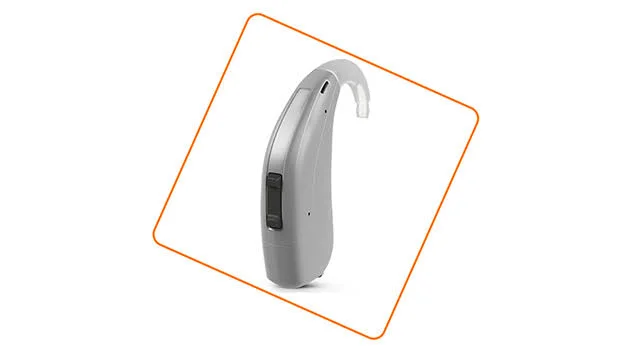
Behind-the-Ear (BTE): The device sits behind the ear and connects to an earmould or a slim tube. BTE aids are durable, powerful and easy to handle, so they suit a wide range of hearing losses, including severe ones. They are a popular choice for seniors and children.
Receiver-in-the-Canal (RIC): A slim, modern design where the speaker sits inside the ear canal and the main body rests behind the ear. RIC aids offer natural sound quality and a discreet look, and they suit mild to moderately severe hearing loss.
In-the-Ear (ITE): Custom-made to fit the outer part of the ear. They are easier to handle than tiny devices and can include features such as volume controls.
In-the-Canal (ITC) and Completely-in-the-Canal (CIC): These sit mostly or fully inside the ear canal, making them nearly invisible. They suit mild to moderate loss, though their small size means fewer features and a bit more care in handling.
Rechargeable Hearing Aids: Many modern devices have built-in batteries you charge overnight. This removes the hassle of buying and changing tiny batteries, which is especially helpful for elderly users.
Which style suits you depends on your hearing test, ear shape, dexterity, lifestyle and budget, not simply on which is smallest.
How to Choose the Right Hearing Aid
With so many options, it helps to think about what matters most in your daily life.
Degree of hearing loss. Mild loss can be managed with small, discreet devices. Severe loss usually needs a more powerful aid.
Your lifestyle. If you attend meetings, speak on the phone often or enjoy social events, features like noise reduction and directional microphones matter. If your days are quieter, a simpler device may be enough.
Ease of use. Consider whether you are comfortable with small buttons and batteries, or would prefer a larger, simpler device. Family members often help with this decision.
Features. Many hearing aids offer noise management, feedback suppression, multiple listening programs and smartphone connectivity. Features add value only when they match your needs.
Budget. Hearing aids come at different price levels. A good audiologist will help you find the best option within your budget and explain what each level offers, without pressure.
Support after purchase. A hearing aid is not a one-time purchase. It needs adjustments, cleaning and follow-up. Choosing a clinic that stays with you after the fitting is as important as choosing the device.
Fitting, Programming and Follow-Up Care
A hearing aid is only as good as its fitting. After selecting the device, a trained professional programs it according to your audiogram and checks that it feels comfortable and sounds natural.
You should expect:
Proper programming matched to your hearing test
Guidance on wearing, inserting and removing the device
Instructions on cleaning, storage and care
Advice on handling the device in different environments
Your brain also needs time to adjust. After years of reduced hearing, everyday sounds such as footsteps, rustling paper and fans can seem unusually loud at first. This is normal. Wearing the device consistently and attending follow-up visits allows fine-tuning so it keeps feeling more natural.
The Link Between Hearing and Speech
Hearing and speech are closely connected. Children with undetected hearing loss may have delayed speech and language development, and adults with long-standing loss may notice changes in how clearly they speak or how confidently they communicate.
A clinic focused on both speech and hearing can look at the whole picture. Early detection in children is especially important, because the first few years are critical for learning language. If your child is not responding to sounds, is slow to start speaking, or seems inattentive, an early hearing assessment can make a real difference.
Why Choose VR Speech and Hearing Clinic
Choosing where to get your hearing aid matters as much as choosing the device. At VR Speech and Hearing Clinic, patients can expect:
Evaluation-first approach: recommendations come from your test results, not from a sales target.
Care for all ages: support for children, adults and senior citizens.
Speech and hearing under one roof: useful when hearing and communication difficulties go together.
Personal guidance: clear explanations so you and your family understand your hearing loss and your options.
Convenient location: the clinic is at N-3, CIDCO, with easy access from Garkheda and other parts of the city.
Tips for Taking Care of Your Hearing Aid
Good habits help your device last longer and perform better:
Wipe the device with a soft, dry cloth daily
Keep it away from water, moisture and extreme heat
Remove it before bathing, swimming or using hair products
Store it in a dry case overnight
Keep it out of reach of children and pets
Do not try to repair it yourself
Book regular check-ups for cleaning and adjustment
Visit VR Speech and Hearing Clinic
Better hearing can improve conversations, confidence, safety and relationships. You do not need to wait until hearing loss becomes severe before getting help. Early testing and treatment usually lead to better results.
VR Speech and Hearing Clinic
Second Floor, Vasantrao Naik Chowk, opposite Hotel Deepali Executive, N-3, CIDCO, Chhatrapati Sambhajinagar, Maharashtra 431003
Whether you are looking for a hearing test, a first hearing aid, a replacement, or advice for a family member, a visit to the clinic is a good place to start.
Conclusion
Finding the right hearing aid in Garkheda, Aurangabad, begins with a proper hearing evaluation and ends with a device that is fitted, programmed and supported to suit your life. Do not let hearing loss quietly shrink your world. With the right professional guidance, you can return to clear conversations and the everyday sounds you may have been missing.
Frequently Asked Questions (FAQs)
1. How do I know if I need a hearing aid?
If you often ask people to repeat themselves, struggle in noisy places, or turn the volume up high, you may have hearing loss. A hearing test confirms whether a hearing aid is needed.
2. Is a hearing test painful?
No. It is a painless, non-invasive process. You listen to tones and words through headphones and respond when you hear them.
3. How long does it take to get used to a hearing aid?
Most people need a few weeks to adjust. Wearing it daily and attending follow-up visits makes the transition easier.
4. Can children use hearing aids?
Yes. Children with hearing loss can benefit greatly from properly fitted hearing aids, especially when the problem is detected early.
5. Are hearing aids visible?
Some styles are almost invisible, while others are slightly more noticeable but more powerful. Your audiologist will help you balance appearance with performance.
6. How often should I get my hearing checked?
Adults should consider a check-up every one to two years, especially after age 50, or sooner if you notice any change in hearing.
7. Do hearing aids restore normal hearing?
No. They do not cure hearing loss, but they greatly improve your ability to hear and understand sounds and speech.
8. How long does a hearing aid last?
With proper care, hearing aids typically last several years. Regular cleaning and servicing extend their life.
9. Do I need to visit the clinic after getting my hearing aid?
Yes. Follow-up visits allow adjustments, cleaning and checks to make sure the device continues to suit you.
10. Where is VR Speech and Hearing Clinic located?
The clinic is on the Second Floor, Vasantrao Naik Chowk, opposite Hotel Deepali Executive, N-3, CIDCO, Chhatrapati Sambhajinagar, Maharashtra 431003.
