Top Features to Look for in High Tech AI Powered Hearing Aids
Top Features to Look for in High Tech AI Powered Hearing Aids
Hearing technology has changed dramatically in recent years. Modern AI powered hearing aids do far more than make sounds louder. They learn from your listening habits, separate speech from background noise, and adjust automatically as you move from a quiet room to a busy street. With so many options available, choosing the right device can feel overwhelming. At VR Speech And Hearing Clinic, we help patients understand which features truly matter for their hearing loss, lifestyle, and budget. Here are the top features to look for when choosing high tech AI powered hearing aids.
1. Advanced Speech Clarity and Noise Reduction
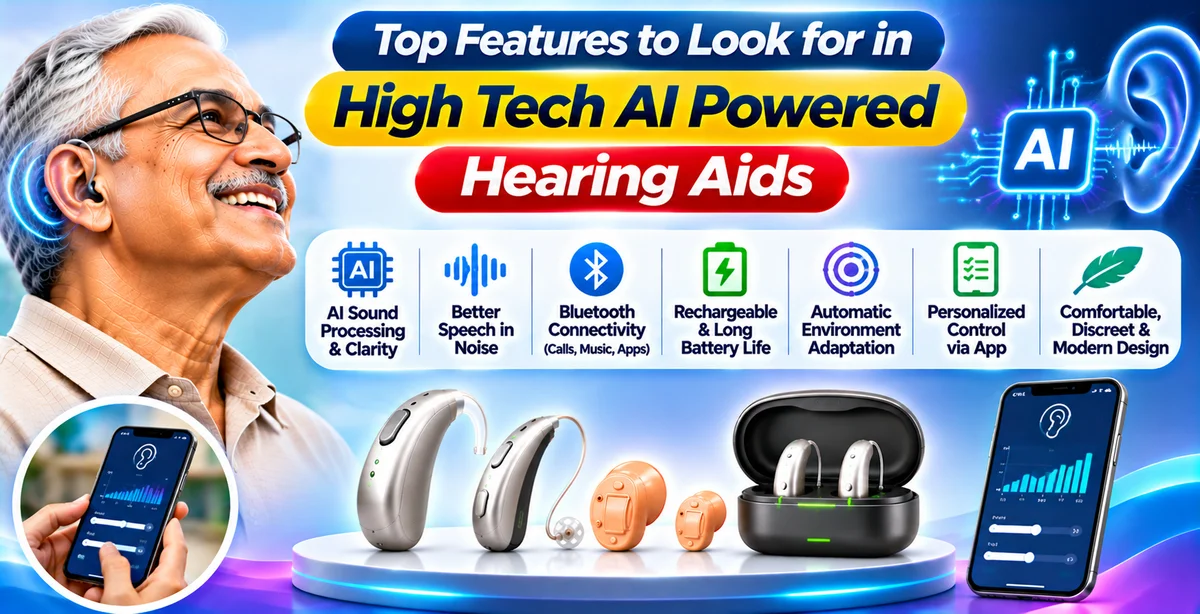
Understanding conversation in noisy places is the biggest challenge for people with hearing loss. The best AI powered hearing aids use deep neural networks trained on millions of real world sound samples to recognize speech and separate it from traffic, restaurant chatter, and wind. Instead of simply turning everything up, the device lifts the voices you want to hear and softens distractions. Ask for a live demonstration in a busy environment so you can judge the difference yourself.
2. Automatic Environment Adaptation
Your day is full of changing soundscapes. A smart hearing aid should detect whether you are at home, in a crowded market, in a car, or in a hall, and adjust its settings in real time without a single button press. This makes listening feel natural and reduces the fatigue that comes from constantly changing volume or programs manually.
3. Personalization That Learns Over Time
True AI hearing aids learn your preferences. If you regularly lower the volume in a certain setting, the device remembers and applies that choice next time. Some systems also let your hearing care professional fine tune settings remotely based on your feedback. The longer you wear the devices, the more comfortable and personal they become.
4. Directional Microphones and Spatial Awareness
Premium devices use multiple microphones working together to focus on the person in front of you while keeping you aware of sounds around you. This helps in group conversations, meetings, and while walking outdoors, where hearing an approaching vehicle matters for safety. Features that preserve natural sound direction make listening more realistic and less tiring.
5. Bluetooth Connectivity and Direct Streaming
Modern hearing aids connect to smartphones, televisions, tablets, and laptops. Streaming phone calls, music, and video meetings straight to your ears improves clarity and convenience. Check compatibility with both Android and iPhone, and look for newer wireless standards that offer lower power use and better audio quality.
6. Rechargeable Batteries
Rechargeable hearing aids remove the hassle of tiny disposable batteries. A full charge typically lasts a whole day, even with streaming, and a portable charging case makes travel simple. This is especially helpful for people with limited dexterity or vision. Ask about battery life during heavy use, charging time, and long term battery replacement.
7. Smartphone App and Remote Care
A well designed app lets you adjust volume, change programs, and check battery status from your phone. Many apps also support remote adjustments, so your audiologist can refine your settings without a clinic visit. Choose an app that is simple, clear, and easy for you or a family member to use.
8. Health and Wellness Tracking
Some AI hearing aids include sensors that track activity and step count. Certain models offer fall detection that can alert family members in an emergency. These features turn hearing aids into everyday wellness companions, which is valuable for active seniors and people who live alone.
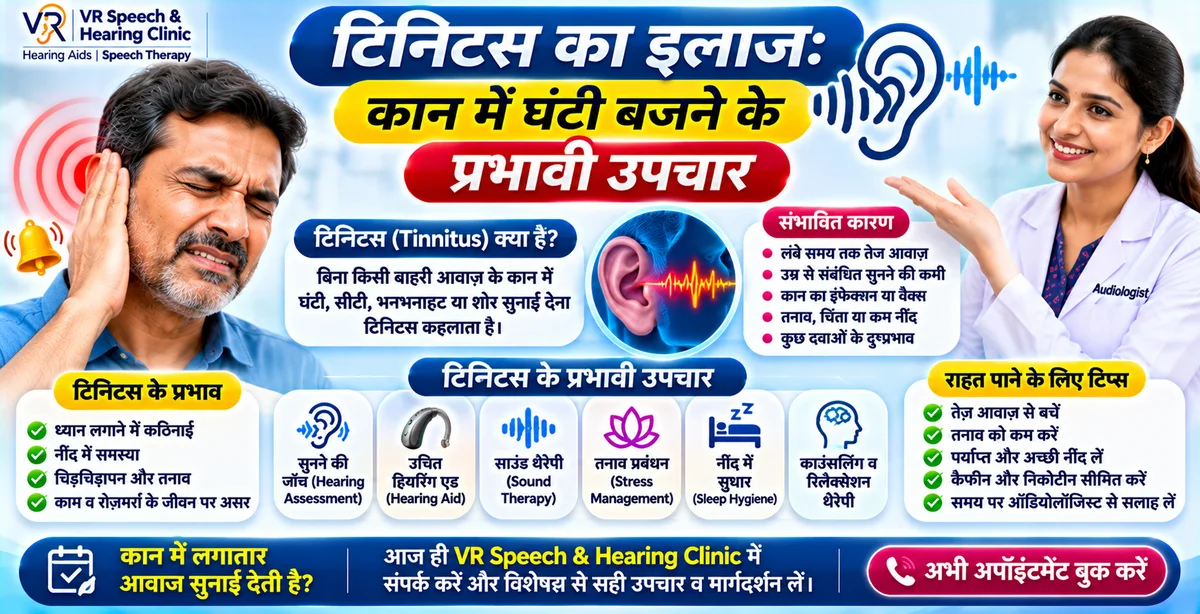
9. Tinnitus Relief Options
If you experience ringing or buzzing in your ears, choose a hearing aid with built in tinnitus support. Sound therapy options such as soft noise or calming tones can reduce how much attention your brain pays to tinnitus and improve comfort throughout the day.
10. Comfort, Durability, and Water Resistance
The best technology is useless if the device is uncomfortable. Consider style, size, and weight, whether you prefer behind the ear, receiver in canal, or custom in the ear models. Check the dust and moisture resistance rating, particularly if you sweat, exercise, or live in a humid climate.
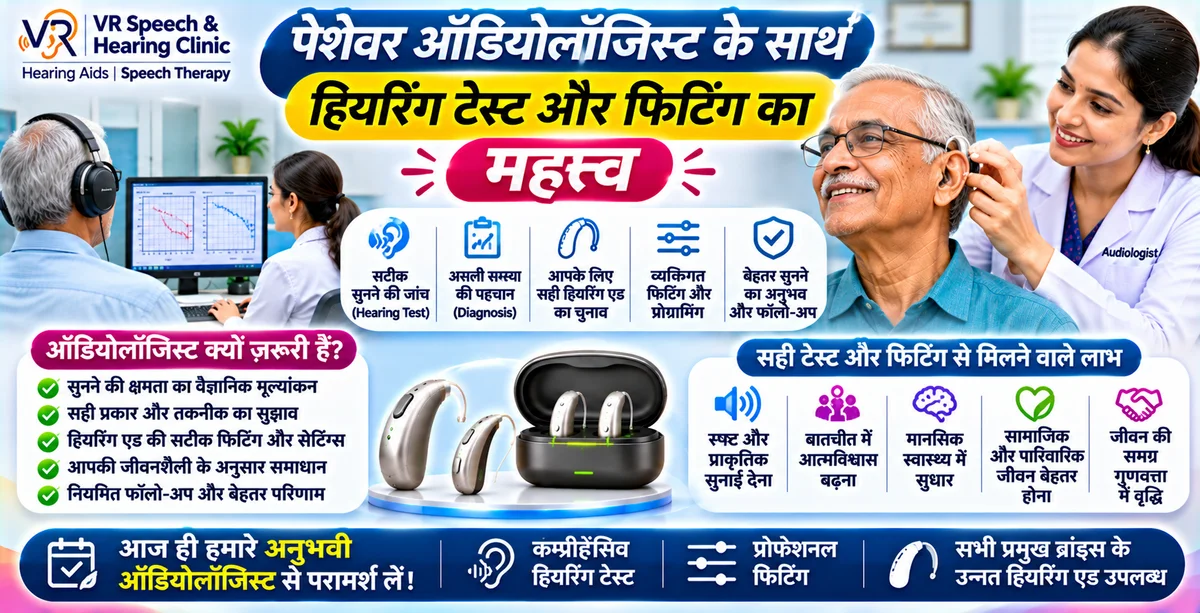
11. Professional Fitting and Ongoing Support
Even the smartest hearing aid performs poorly if it is not programmed correctly. A thorough hearing evaluation, real ear measurements, and follow up adjustments are essential. At VR Speech And Hearing Clinic, our team matches technology to your hearing profile, daily routine, and goals, then supports you with ongoing care. Ask about trial periods, warranty coverage, and servicing before you buy.
Final Thoughts
The right AI powered hearing aids should make conversations easier, protect your confidence, and fit naturally into your life. Focus on speech clarity, automatic adaptation, connectivity, battery convenience, and professional support rather than chasing every feature on the box. To find the best match for your needs, book a hearing evaluation with VR Speech And Hearing Clinic and experience modern hearing technology with expert guidance.
Frequently Asked Questions
What makes a hearing aid AI powered?
An AI powered hearing aid uses machine learning to recognize different sounds, especially speech, and adjust automatically. It can reduce background noise, adapt to your surroundings, and learn your listening preferences over time.
Are AI hearing aids worth the extra cost?
For many people, yes. Better speech understanding in noise, automatic adjustments, and smartphone control can improve daily communication. The right choice depends on your degree of hearing loss, lifestyle, and budget, so a professional evaluation is the best starting point.
How long do rechargeable hearing aids last on one charge?
Most rechargeable models last around 16 to 24 hours on a full charge, depending on streaming and usage. A portable charging case can add extra power while traveling.
Can AI hearing aids help with tinnitus?
Many models include tinnitus support such as sound therapy options. These do not cure tinnitus, but they can make it less noticeable and more comfortable to live with.
Do I need a hearing test before buying hearing aids?
Yes. A hearing test shows the type and degree of your hearing loss, which guides the technology level and fitting. Proper programming is just as important as the device itself.