Signia vs Phonak Hearing Aids: German vs Swiss Compared
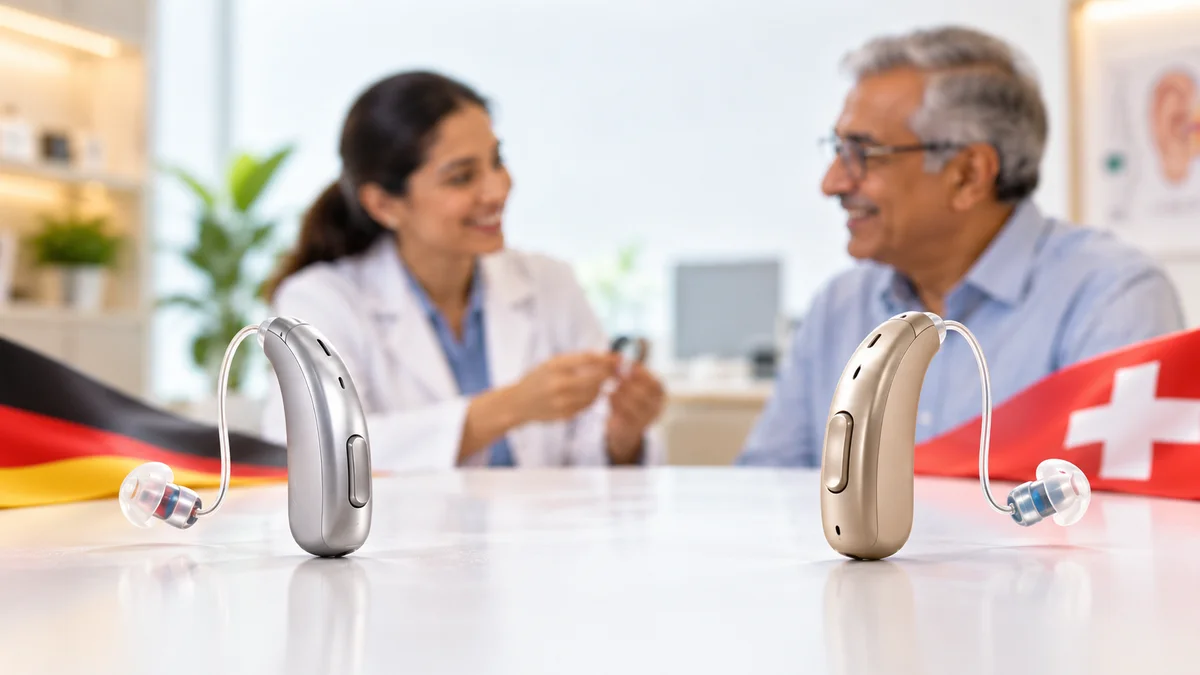
German Hearing Aids (Signia) vs Swiss Hearing Aids (Phonak): Which Digital Hearing Aid Is Right for You?
Choosing a hearing aid is a big decision. It affects your conversations, your confidence and your daily life. Two brands come up again and again: Signia, known for German engineering, and Phonak, known for Swiss precision. Both make excellent digital hearing aids, but they take different approaches to sound, and the right choice depends on your hearing loss, lifestyle and budget.
At VR Speech and Hearing Clinic, we fit both brands every day. This guide explains how they compare so you can walk into your appointment informed.
What Is a Digital Hearing Aid?
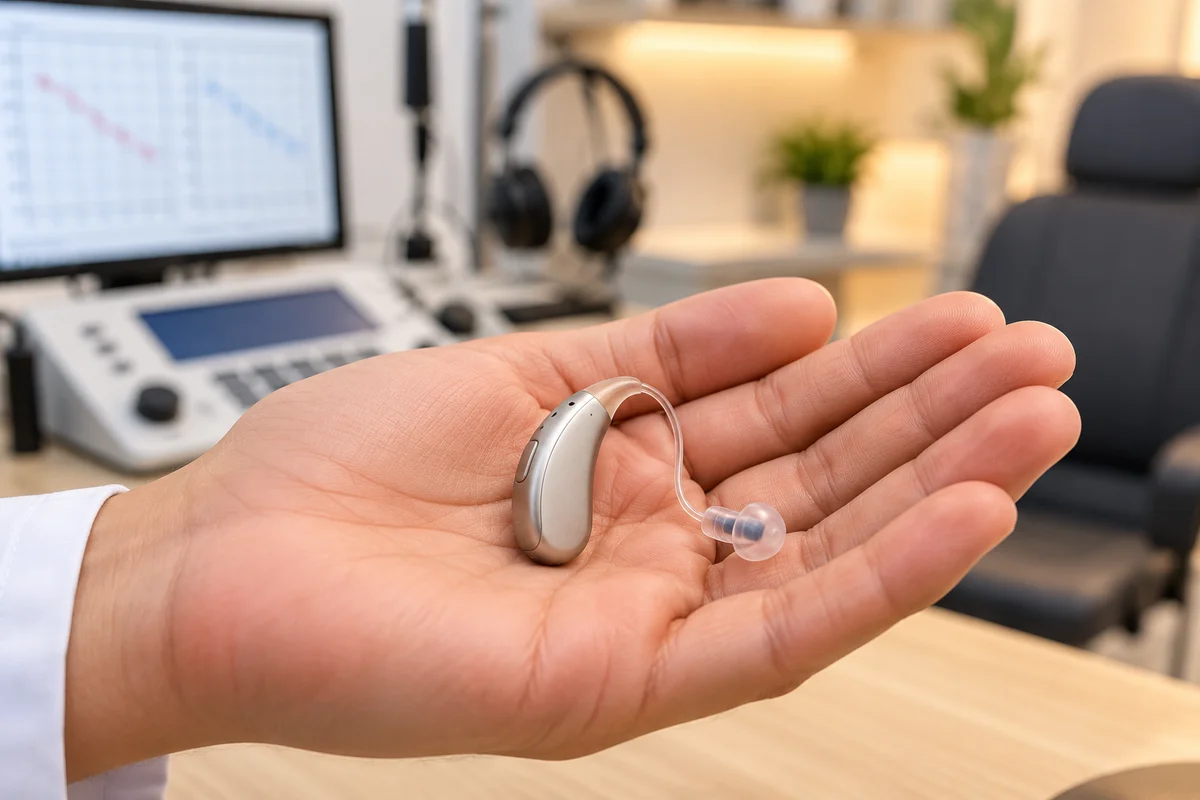
A digital hearing aid is a small electronic device that picks up sound through microphones, converts it into a digital signal, processes it with a chip, and delivers amplified sound to your ear through a receiver. Unlike old analog devices that simply made everything louder, digital hearing aids can:
Amplify only the pitches you struggle to hear
Reduce background noise
Suppress whistling (feedback)
Automatically adjust to quiet rooms, busy streets or music
Connect wirelessly to phones, TVs and other devices
Both Signia and Phonak are leaders in this technology, and both build their devices around advanced processors and artificial intelligence.
About Signia: The German Approach
Signia is part of WS Audiology and has roots going back over a century in German hearing technology, with a heritage tied to the former Siemens hearing business. German engineering has a reputation for reliability, practical design and technical refinement, and Signia's products reflect that.
What Signia is known for:
1. Own Voice Processing. One of the most common complaints new users have is that their own voice sounds strange, boomy or blocked. Signia's Own Voice Processing technology recognises your voice separately from other sounds and processes it differently, so you sound more natural to yourself.
2. Speech clarity in conversation. Signia's newer platforms use a dual-processing approach that splits incoming sound into two streams: the person speaking and the surrounding environment. This helps speech stand out without making the world feel flat or artificial.
3. Natural, balanced sound. Many users describe Signia sound as smooth and comfortable, particularly for everyday listening such as talking with family, watching television or moving between rooms.
4. Stylish, compact designs. Signia offers slim receiver-in-canal models, behind-the-ear options and rechargeable versions, with styles that suit people who want a discreet look.
5. Smartphone app and assistant. The Signia app lets you adjust settings, stream audio and use an assistant feature that can fine-tune sound in real situations.
About Phonak: The Swiss Approach
Phonak is part of the Sonova group and is based in Switzerland, a country famous for precision manufacturing. Phonak has been a hearing care specialist for decades and is often seen as an innovation leader in the industry.
What Phonak is known for:
1. Strong performance in noisy places. Phonak devices are widely praised for helping users in restaurants, meetings and social gatherings. Their automatic system continuously reads the environment and adjusts settings without you touching anything.
2. Advanced processing power. Recent Phonak flagship models use powerful chips with deep neural network technology, trained to separate speech from noise. For people who attend many social events or work in busy environments, this can make a real difference.
3. Wide range of options for all hearing losses. Phonak offers models for mild to profound hearing loss, including powerful behind-the-ear devices. This makes it a strong choice for people with more severe loss.
4. Connectivity and accessories. Phonak works with the Roger wireless microphone system, which is especially helpful in classrooms, lectures and challenging listening situations. Their devices also connect directly to many phones and TVs.
5. Durability. Several Phonak models offer strong protection against dust and moisture, which suits active users and hot, humid climates.
Signia vs Phonak: Side-by-Side Comparison
Sound quality. Signia is often described as natural and smooth, especially for your own voice. Phonak is often described as crisp and speech-focused, with strong noise reduction.
Noisy environments. Both perform well. Phonak often has a slight edge for users who spend a lot of time in very loud, complex settings, while Signia does very well in typical conversation with everyday background noise.
Own voice comfort. Signia's dedicated Own Voice Processing is a standout feature for people bothered by the sound of their own speech.
Severe hearing loss options. Phonak has a broader selection of high-power devices, which can matter if you have severe or profound loss.
Design and comfort. Both offer discreet, comfortable models. Signia leans toward sleek, slim styling. Phonak offers a wide variety, including very robust designs.
Rechargeable options. Both brands offer rechargeable models with a full day of use on a single charge.
Connectivity. Both support Bluetooth streaming and smartphone apps. Phonak has an edge in accessories such as Roger microphones.
Price. Both brands span entry, mid and premium levels. Cost depends far more on the technology level you choose than on the brand itself.
Which Hearing Aid Should You Choose?
There is no single winner. The best hearing aid is the one that suits your ears, your lifestyle and your comfort.
Signia may suit you if:
You want a natural sound and are bothered by how your own voice sounds
You mostly talk in homes, offices and small groups
You prefer a slim, discreet design
You like using a simple app
Phonak may suit you if:
You often attend noisy restaurants, events or meetings
You have moderate to severe hearing loss
You want strong performance in complex listening situations
You may need accessories like a remote microphone
You want a tough, durable device
Why Professional Fitting Matters More Than the Brand
Even the most advanced hearing aid will disappoint if it is poorly programmed. Every ear is different, and hearing loss is not just about volume. It is about which pitches you lose and how your brain processes speech.
A proper fitting includes:
A complete hearing evaluation (audiogram) and speech testing
A discussion of your daily routine, work and listening challenges
Selection of a suitable device and technology level
Precise programming using real-ear measurements
Follow-up visits to fine-tune settings as your brain adapts
Most new users need a few weeks to adjust. That is why follow-up care, cleaning, and readjustments are just as important as the device itself.
Tips for Getting the Most From Your Hearing Aids
Wear them consistently, ideally all waking hours, so your brain adapts faster
Start in quiet places and gradually try busier environments
Keep them clean and dry, and use a drying box if recommended
Charge rechargeable models every night
Attend all follow-up appointments
Have your hearing rechecked regularly
Try Before You Decide
Reading about features helps, but nothing replaces hearing the difference yourself. At VR Speech and Hearing Clinic, our audiologists can test your hearing, explain your results in plain language, and let you experience both Signia and Phonak so you can compare them in real conditions. We focus on matching the technology to your needs and budget, not pushing a particular brand.
Final Thoughts
Signia and Phonak both deliver excellent digital hearing technology. Signia, the German option, is admired for natural sound and own-voice comfort. Phonak, the Swiss option, is admired for noise performance, power and versatility. The right answer comes down to your hearing profile, your daily environments and how the devices feel to you.
If you suspect hearing loss, do not wait. Early treatment helps protect communication, relationships and brain health. Book a hearing test with VR Speech and Hearing Clinic and take the first step toward hearing clearly again.
Frequently Asked Questions (FAQs)
1. Which is better, Signia or Phonak?
Neither is universally better. Signia is often preferred for natural sound and own-voice comfort, while Phonak is often preferred for noisy environments and higher-power needs. A trial with a professional is the best way to decide.
2. Are German hearing aids better than Swiss hearing aids?
Country of origin does not decide quality. Both Signia and Phonak follow strict manufacturing and medical standards. What matters is the technology level, the fitting and your individual hearing loss.
3. Are Signia and Phonak hearing aids rechargeable?
Yes. Both brands offer rechargeable models that typically last a full day on a single charge, along with options that use disposable batteries.
4. Can Phonak or Signia hearing aids connect to my smartphone?
Yes. Both brands support Bluetooth connectivity so you can stream calls, music and videos and adjust settings through a smartphone app. Compatibility varies by model and phone.
5. Which brand is better for severe hearing loss?
Phonak has a wide range of high-power devices, so it is often considered for severe to profound loss. Your audiologist can recommend the right option after testing.
6. How long do digital hearing aids last?
With good care, most last around four to six years. Regular cleaning and servicing help extend their life.
7. How long does it take to get used to a hearing aid?
Most people need a few weeks to several months to adapt, since the brain needs time to relearn sounds it has been missing.
8. Do hearing aids restore normal hearing?
No. They greatly improve hearing and speech understanding, but they do not restore hearing to normal. Good fitting and realistic expectations lead to the best results.
9. How do I choose the right hearing aid?
Start with a hearing test, then discuss your lifestyle, budget and preferences with an audiologist. Trying devices in real listening situations helps you make a confident choice.
10. Where can I get Signia and Phonak hearing aids fitted?
You can visit VR Speech and Hearing Clinic for a hearing evaluation, device demonstration, professional fitting and follow-up care.