Signia Ear Machine Price, Types & Benefits
Introduction
Hearing loss affects millions of people worldwide, and finding the right solution can make a significant difference in quality of life. Among the most trusted names in hearing technology today is Signia, a brand known for combining German engineering with cutting-edge digital innovation. If you or a loved one has been searching for a reliable "ear machine" that blends comfort, clarity, and discretion, Signia hearing aids are worth understanding in detail. At VR Speech and Hearing Clinic, patients often ask about Signia devices because of their reputation for natural sound quality and smart connectivity features. This guide covers everything you need to know about Signia ear machines, their types, benefits, pricing considerations, and how to choose the right one for your hearing needs.
What Is a Signia Ear Machine?
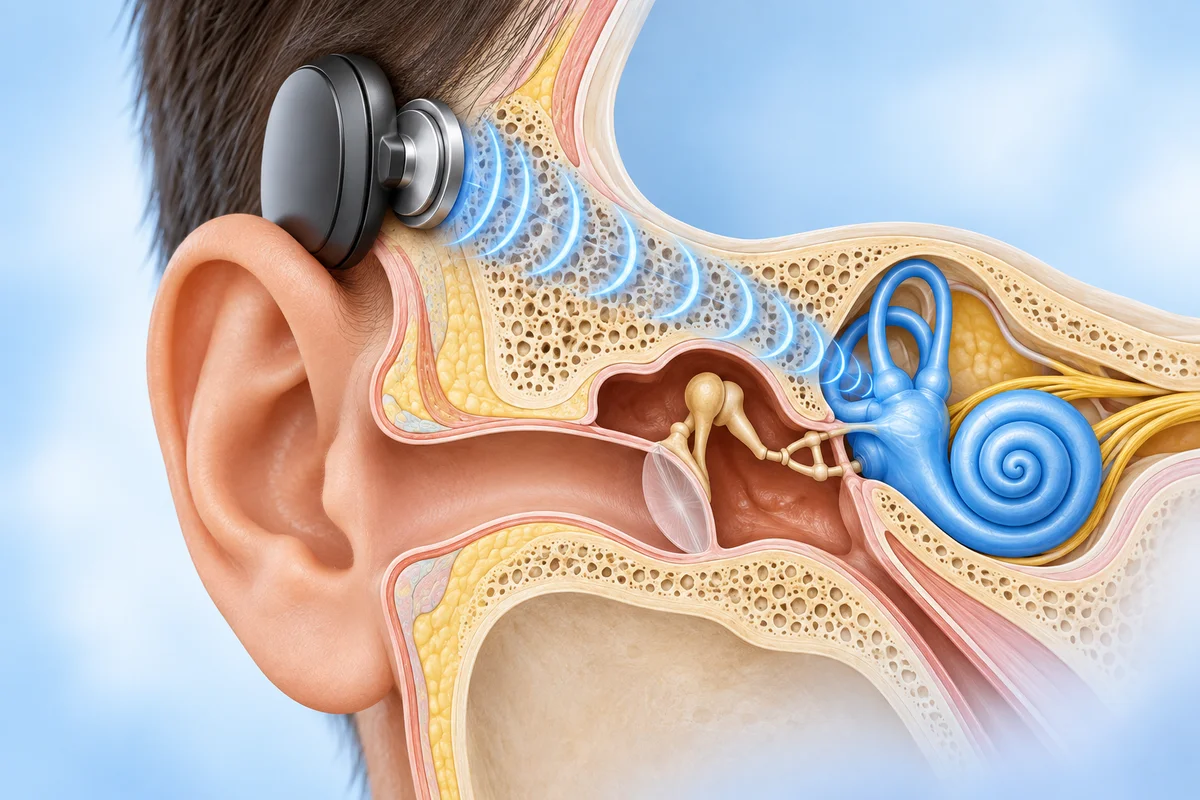
A Signia ear machine is a hearing aid manufactured by Signia, a company that emerged from the legacy of Siemens' hearing technology division. These devices are designed to amplify and clarify sound for people experiencing mild to profound hearing loss. Unlike basic amplification devices, Signia ear machines use advanced digital signal processing to filter background noise, enhance speech clarity, and adapt automatically to different listening environments such as quiet rooms, busy streets, or crowded gatherings.
Signia has built its reputation on continuous innovation, introducing features like Own Voice Processing, which helps wearers hear their own voice naturally rather than sounding muffled or artificial, a common complaint among first-time hearing aid users. This attention to comfort and realism sets Signia apart from many other brands in the market.
Types of Signia Ear Machines
Signia offers a wide range of hearing aid styles to suit different degrees of hearing loss, lifestyle needs, and cosmetic preferences.
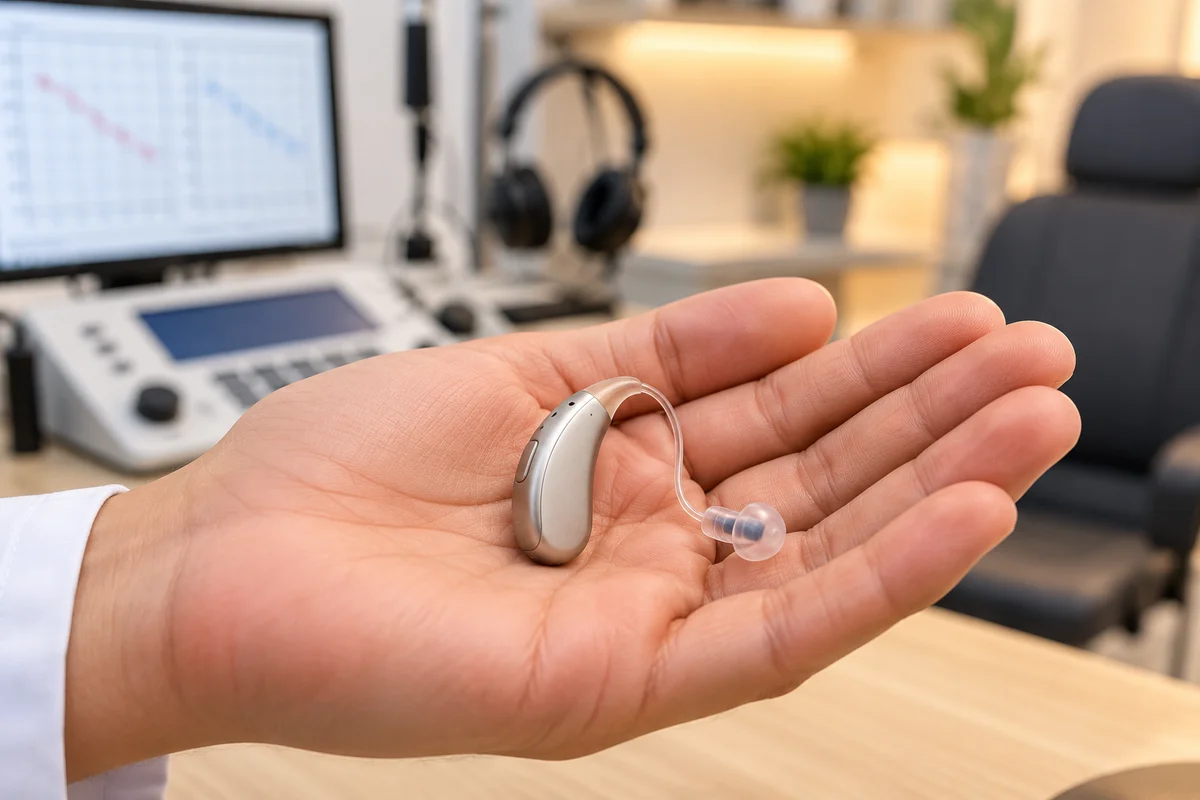
Behind-the-Ear (BTE) Models
These sit comfortably behind the ear and connect to an earmold or thin tube inside the ear canal. BTE devices are suitable for mild to profound hearing loss and are known for durability and longer battery life.
Receiver-in-Canal (RIC) Models
RIC hearing aids are smaller and more discreet than traditional BTE units, with the speaker placed directly in the ear canal. They offer a more natural sound experience and are popular among first-time users who want a less visible device.
In-the-Ear (ITE) and In-the-Canal (ITC) Models
These custom-molded devices fit directly into the outer ear or ear canal, offering a snug, personalized fit. They are ideal for people who prefer minimal external hardware.
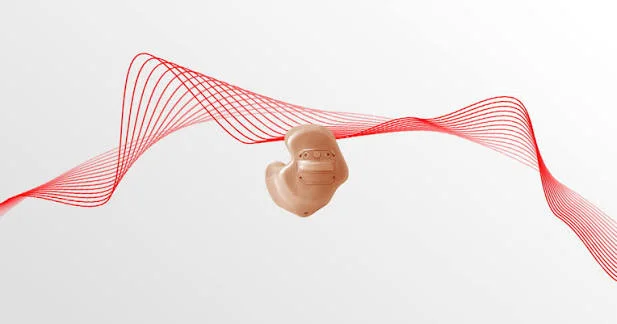
Completely-in-Canal (CIC) and Invisible-in-Canal (IIC) Models
For those who prioritize discretion above all, these tiny devices sit deep within the ear canal and are virtually invisible to others.
Rechargeable Signia Models
Many modern Signia ear machines now come with rechargeable batteries, eliminating the hassle of frequent battery replacements and offering all-day power with a simple overnight charge.
Key Features That Make Signia Stand Out
Own Voice Processing (OVP)
One of Signia's most celebrated innovations, OVP technology separates the wearer's own voice from external sounds, making conversations feel more natural and reducing the "plugged ear" sensation many hearing aid users experience.
Bluetooth Connectivity
Most Signia models support direct streaming from smartphones, televisions, and other Bluetooth-enabled devices. This means users can take phone calls, listen to music, or watch television with sound streamed directly into their hearing aids.
Motion Sensors and Automatic Adaptation
Signia's motion sensor technology detects whether a person is walking, sitting, or in a moving vehicle, automatically adjusting sound settings for optimal clarity in real time.
Tinnitus Management
Several Signia models include built-in tinnitus therapy signals, offering relief for users who experience ringing or buzzing sounds alongside hearing loss.
Rechargeable Lithium-Ion Batteries
Convenience is a major selling point, with many models offering a full day of use on a single charge, along with quick-charge options for emergencies.
Water and Dust Resistance
Signia devices often carry high IP ratings, protecting them from sweat, humidity, and dust, making them suitable for active lifestyles.
Benefits of Choosing a Signia Ear Machine
Choosing the right hearing aid is a personal decision, but Signia ear machines offer several advantages that make them a preferred choice for many patients.
They provide exceptional sound clarity even in noisy environments, thanks to sophisticated noise reduction algorithms. The natural sound processing reduces listening fatigue, which is common with lower-quality amplification devices. Discreet design options mean users don't have to compromise on style or confidence while wearing their device. Smart app integration allows wearers to control volume, adjust settings, and even track battery life directly from their smartphone. Additionally, many models come with remote fine-tuning capabilities, meaning your audiologist can make adjustments without requiring an in-person visit every time.
For people who are self-conscious about hearing loss, the nearly invisible models offer peace of mind, while the rechargeable options simplify daily maintenance, making them appealing for elderly users or those with limited dexterity.
Signia Ear Machine Price Range
The cost of a Signia ear machine varies significantly based on the model, technology level, and features included. Entry-level models with basic amplification and fewer smart features are generally more affordable, while premium models with full Bluetooth streaming, rechargeable batteries, and advanced noise cancellation sit at a higher price point. Custom-molded and completely invisible styles also tend to cost more due to the precision manufacturing involved.
Rather than relying on price estimates alone, it's best to consult a certified audiologist who can recommend a model based on your specific hearing test results, lifestyle, and budget. A professional hearing evaluation ensures you invest in a device that truly addresses your hearing needs rather than paying for unnecessary features.
How to Choose the Right Signia Model
Selecting the right hearing aid involves more than picking the most expensive or most advanced option. Consider the following factors:
Degree of hearing loss plays a major role, as some models are better suited for mild loss while others are engineered for severe to profound hearing loss. Lifestyle matters too, active individuals may prioritize water and sweat resistance, while professionals who spend time on calls might value seamless smartphone integration. Manual dexterity and vision should also be considered, since smaller devices can be harder to handle for people with limited fine motor skills. Budget is another practical factor, and working with a clinic that offers transparent pricing and trial periods can help you make a confident decision.
Why Professional Fitting Matters
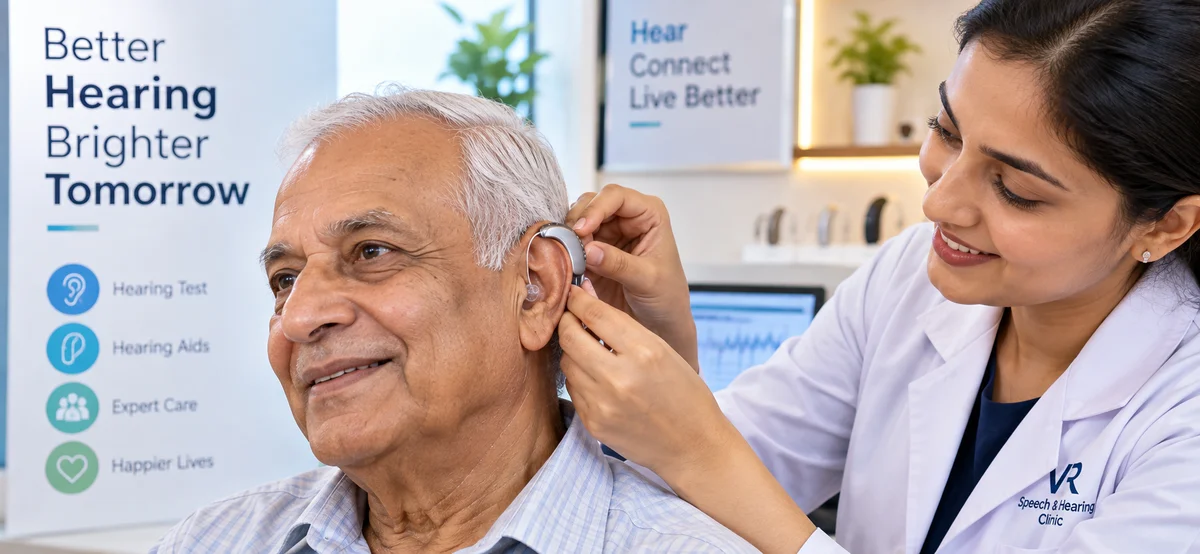
A hearing aid is not a one-size-fits-all device. Even the most advanced Signia ear machine will underperform if it isn't properly fitted and programmed according to your specific audiogram. Professional fitting involves a comprehensive hearing assessment, ear canal measurement, and fine-tuning of settings to match your unique hearing profile. This is why visiting an experienced audiology clinic is essential rather than purchasing a device without proper evaluation.
At VR Speech and Hearing Clinic, patients receive detailed hearing assessments, personalized device recommendations, and ongoing support to ensure their Signia ear machine performs at its best. Follow-up adjustments, ear mold refinements, and troubleshooting support are all part of ensuring long-term satisfaction with your hearing device.
Maintenance Tips for Signia Ear Machines
To extend the lifespan of your device, clean it daily with a soft, dry cloth and use the cleaning tools provided by your audiologist. Store the device in a dry, cool place, ideally in a dehumidifier case overnight. Avoid exposing the device to excessive moisture, and schedule regular check-ups with your audiologist to ensure optimal performance. Replace wax guards and domes as recommended to prevent blockages that can reduce sound quality.
Conclusion
Signia ear machines represent some of the most advanced hearing aid technology available today, combining natural sound processing, smart connectivity, and a range of styles to suit every lifestyle and budget. Whether you're experiencing early signs of hearing loss or looking to upgrade from an older device, understanding your options is the first step toward better hearing health. Consulting with a qualified audiologist ensures you choose a model that truly fits your needs, both functionally and comfortably. If you're considering a Signia ear machine, a professional hearing evaluation is the best starting point toward clearer, more confident communication in everyday life.
FAQs
1. What is a Signia ear machine used for?
It is used to amplify and clarify sound for individuals with hearing loss, helping them hear speech and environmental sounds more clearly.
2. Are Signia hearing aids rechargeable?
Yes, many Signia models come with rechargeable lithium-ion batteries offering all-day use on a single charge.
3. Can Signia ear machines connect to smartphones?
Yes, most modern Signia models support Bluetooth streaming for calls, music, and app-based controls.
4. How long does a Signia ear machine last?
With proper care, most hearing aids last between five to seven years before requiring replacement or upgrade.
5. Is a hearing test required before buying a Signia device?
Yes, a professional hearing assessment is essential to determine the correct model and settings for your specific hearing loss.
6. Are Signia hearing aids suitable for severe hearing loss?
Yes, Signia offers models specifically designed for mild to profound hearing loss, including powerful BTE options.
7. Where can I get a Signia ear machine fitted properly?
Certified audiology clinics, such as VR Speech and Hearing Clinic, offer professional testing, fitting, and after-care support.