Profound Hearing Loss: Causes, Symptoms, Diagnosis & Treatment
Profound Hearing Loss: Causes, Symptoms, Diagnosis, and Treatment Options
Hearing is one of the most important senses that connects us to the world around us. It allows communication, learning, social interaction, and awareness of our surroundings. When hearing is severely impaired, it can significantly affect a person's quality of life. Among the different degrees of hearing impairment, profound hearing loss is the most severe form. It refers to a condition where a person can hear little to no sound at all, even at very high volumes.
Understanding profound hearing loss, its causes, symptoms, and available treatment options is essential for early diagnosis and effective management. At VR Speech and Hearing Clinic, we specialize in identifying and treating hearing impairments of all types, helping individuals regain confidence and improve their communication abilities.
What Is Profound Hearing Loss?
Profound hearing loss is classified as the most severe degree of hearing impairment on the audiometric scale. Hearing loss is generally measured in decibels (dB), and profound hearing loss occurs when a person cannot detect sounds below 90 dB. This means that even loud sounds, such as a car horn or a dog barking, may not be audible to someone with this condition.
Unlike mild or moderate hearing loss, where a person may struggle to hear soft speech or background noise, profound hearing loss often means that a person cannot hear speech at all without significant amplification or assistive technology. In many cases, individuals with profound hearing loss rely on visual communication methods such as lip reading or sign language, along with hearing devices, to communicate effectively.
Degrees of Hearing Loss
To understand where profound hearing loss falls, it helps to look at the different categories of hearing loss:
Mild hearing loss: 26 to 40 dB
Moderate hearing loss: 41 to 55 dB
Moderately severe hearing loss: 56 to 70 dB
Severe hearing loss: 71 to 90 dB
Profound hearing loss: 91 dB or greater
This classification helps audiologists and hearing specialists determine the appropriate treatment plan based on the severity of the condition.
Causes of Profound Hearing Loss
Profound hearing loss can occur due to a variety of factors, and the causes may differ between children and adults.
1. Genetic Factors
A significant number of profound hearing loss cases in children are inherited. Genetic mutations can affect the structure or function of the inner ear, leading to congenital hearing loss that is present at birth or develops shortly after.
2. Prenatal and Birth Complications
Infections during pregnancy, such as rubella or cytomegalovirus, can affect the developing auditory system of the fetus. Premature birth, low birth weight, and complications during delivery, such as lack of oxygen, can also contribute to profound hearing loss in newborns.
3. Illness and Infections
Certain infections such as meningitis, measles, mumps, and severe ear infections can damage the auditory nerve or inner ear structures, resulting in profound hearing loss.
4. Ototoxic Medications
Some medications, particularly certain antibiotics and chemotherapy drugs, can be toxic to the structures of the inner ear. This is more common in cases where high doses are used over a prolonged period.
5. Noise Exposure
Although more commonly associated with milder forms of hearing loss, prolonged exposure to extremely loud noises can, in rare cases, contribute to severe or profound hearing damage, especially without proper ear protection.
6. Aging
Age-related hearing loss, known as presbycusis, typically progresses gradually. In some individuals, this can advance to a profound level over many years due to natural degeneration of the auditory system.
7. Head Trauma
Severe injuries to the head or ear can damage the delicate structures responsible for hearing, sometimes resulting in sudden profound hearing loss.
8. Unknown Causes
In some cases, despite thorough testing, the exact cause of profound hearing loss cannot be identified.
Signs and Symptoms of Profound Hearing Loss
Recognizing the signs of profound hearing loss early is crucial, especially in infants and young children, as early intervention greatly improves outcomes. Common signs include:
No response to loud sounds or noises
Lack of speech development in infants and toddlers
Difficulty understanding speech even with hearing aids
Reliance on visual cues, facial expressions, or lip reading to understand communication
Delayed language and speech milestones in children
Social withdrawal or frustration due to communication difficulties
No startle reflex to sudden loud sounds in babies
In adults, profound hearing loss may develop gradually or occur suddenly due to illness, injury, or other medical conditions. Adults may notice a complete inability to hear conversations, phone calls, or environmental sounds, even when others around them can hear clearly.
Diagnosis of Profound Hearing Loss
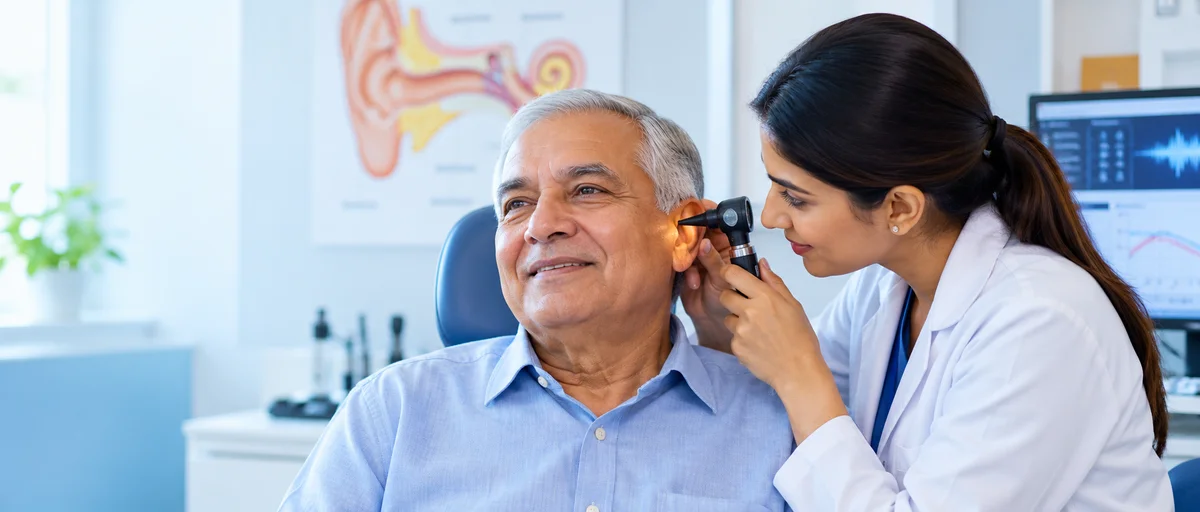
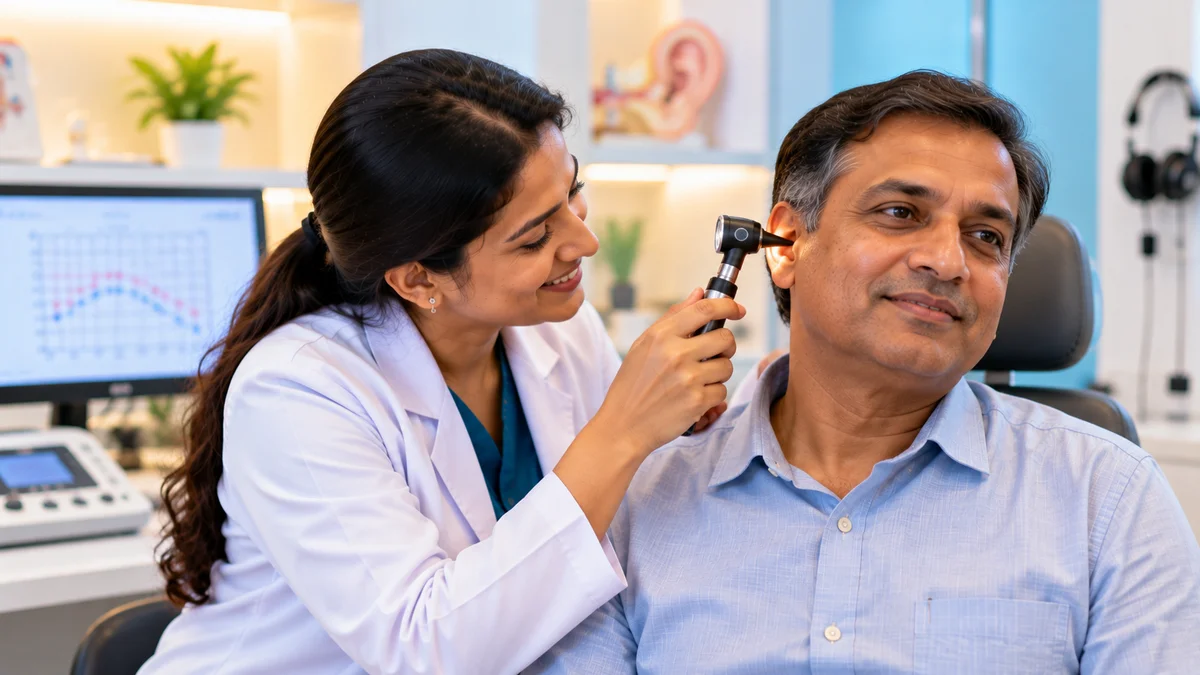
Early and accurate diagnosis is essential for determining the right treatment approach. At VR Speech and Hearing Clinic, hearing evaluations typically include the following tests:
1. Pure Tone Audiometry
This test measures the softest sounds a person can hear at different pitches, helping determine the degree and type of hearing loss.
2. Auditory Brainstem Response (ABR) Test
Often used for infants and young children, this test measures the electrical activity of the auditory nerve in response to sound.
3. Otoacoustic Emissions (OAE) Test
This test checks the function of the inner ear by measuring sound wave responses produced by the cochlea.
4. Tympanometry
This test evaluates the movement of the eardrum to identify any issues with the middle ear.
5. Speech Audiometry
This assesses a person's ability to understand and repeat spoken words at various volume levels.
A combination of these tests helps specialists accurately diagnose profound hearing loss and design a personalized treatment plan.
Treatment Options for Profound Hearing Loss
While profound hearing loss cannot always be reversed, several treatment options can help individuals regain a significant level of hearing and improve communication.
1. Cochlear Implants
For individuals with profound hearing loss who do not benefit sufficiently from traditional hearing aids, cochlear implants are often recommended. Unlike hearing aids that amplify sound, cochlear implants bypass damaged portions of the ear and directly stimulate the auditory nerve, allowing the brain to perceive sound signals. Cochlear implants have helped many children and adults with profound hearing loss develop speech and language skills and improve their overall communication.
2. Powerful Hearing Aids
In some cases of severe to profound hearing loss, high-power hearing aids may provide enough amplification to help individuals detect sounds and understand speech, especially when combined with speech therapy.
3. Bone-Anchored Hearing Systems
For certain types of hearing loss, particularly those involving the outer or middle ear, bone-anchored hearing devices can transmit sound vibrations directly to the inner ear, bypassing damaged structures.
4. Auditory-Verbal Therapy and Speech Therapy
Speech and language therapy plays a crucial role in helping individuals, especially children, develop communication skills after receiving hearing devices. This therapy focuses on improving listening skills, speech clarity, and language development.
5. Sign Language and Communication Training
For individuals who may not benefit significantly from hearing devices, sign language and alternative communication methods provide effective ways to interact and express themselves confidently.
6. Early Intervention Programs
For children diagnosed with profound hearing loss, early intervention is critical. The earlier a child receives appropriate treatment and therapy, the better their chances of developing strong language and communication skills.
Living with Profound Hearing Loss
A diagnosis of profound hearing loss can feel overwhelming, but with the right support system, individuals can lead fulfilling and independent lives. Modern hearing technology, combined with therapy and community support, has made it possible for many people with profound hearing loss to communicate effectively, pursue education, build careers, and maintain strong relationships.
Family involvement, patience, and consistent therapy are key components of successful management. Support groups and counseling can also help individuals and families cope with the emotional aspects of hearing loss.
Why Early Diagnosis Matters
For infants and young children, the first few years of life are critical for speech and language development. Undiagnosed or untreated profound hearing loss during this period can lead to significant delays in communication, learning, and social development. This is why newborn hearing screenings and regular hearing check-ups are strongly recommended.
For adults, early diagnosis allows for timely intervention, reducing the impact of hearing loss on daily life, relationships, and professional responsibilities.
How VR Speech and Hearing Clinic Can Help
At VR Speech and Hearing Clinic, we understand that every case of hearing loss is unique. Our team of experienced audiologists and speech-language specialists work closely with patients and their families to provide accurate diagnosis, personalized treatment plans, and ongoing support.
From comprehensive hearing evaluations to fitting advanced hearing devices, cochlear implant guidance, and speech therapy programs, we are committed to helping individuals with profound hearing loss achieve better communication and an improved quality of life.
If you or a loved one is showing signs of hearing difficulty, do not wait to seek professional evaluation. Early diagnosis and timely treatment can make a significant difference in managing profound hearing loss effectively.
Conclusion
Profound hearing loss is a serious condition that affects a person's ability to hear and communicate, but it does not have to limit one's potential. With advancements in hearing technology, therapy, and early intervention, individuals with profound hearing loss can lead active, connected, and fulfilling lives. Whether the cause is genetic, illness-related, or age-related, timely diagnosis and the right treatment plan can transform outcomes significantly.
At VR Speech and Hearing Clinic, our mission is to support individuals and families through every step of their hearing health journey, from diagnosis to treatment and beyond.
FREQUENTLY ASKED QUESTIONS (FAQs)
Q1. What is considered profound hearing loss?
Profound hearing loss is the most severe degree of hearing impairment, where a person cannot hear sounds below 91 decibels. This means even loud noises may not be audible without hearing devices.
Q2. Can profound hearing loss be cured?
In most cases, profound hearing loss cannot be completely cured, but it can be effectively managed with treatments such as cochlear implants, powerful hearing aids, and speech therapy.
Q3. Is profound hearing loss the same as complete deafness?
Not always. While some individuals with profound hearing loss may have no residual hearing, others may still perceive very loud sounds or vibrations, depending on the underlying cause.
Q4. What causes profound hearing loss in children?
Common causes include genetic factors, prenatal infections, birth complications, and childhood illnesses such as meningitis. In some cases, the exact cause cannot be identified.
Q5. Can a cochlear implant help someone with profound hearing loss?
Yes, cochlear implants are often highly effective for individuals with profound hearing loss who do not benefit sufficiently from traditional hearing aids, as they directly stimulate the auditory nerve.
Q6. How is profound hearing loss diagnosed?
Diagnosis typically involves hearing tests such as pure tone audiometry, auditory brainstem response testing, otoacoustic emissions testing, and speech audiometry.
Q7. Can adults develop profound hearing loss suddenly?
Yes, sudden profound hearing loss in adults can occur due to illness, injury, certain medications, or unknown causes, and should be evaluated by a specialist immediately.
Q8. Why is early diagnosis important for children with profound hearing loss?
Early diagnosis allows for timely intervention, which is critical for normal speech, language, and social development during a child's early years.