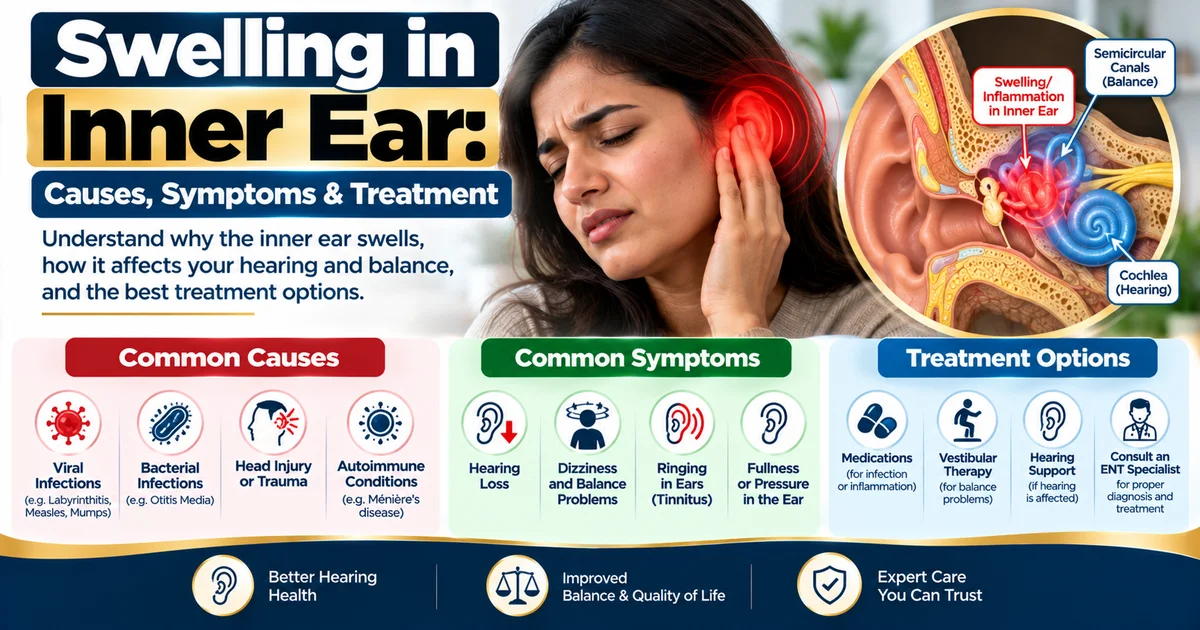
Itchy Ears at Night? Causes, Relief and Expert Care
Itchy Ears at Night: Common Causes, Safe Relief and When to See a Specialist
You finally settle into bed after a long day, the room is quiet, and then it starts: a persistent itch deep inside your ear. You rub it, twist a finger into it, and maybe even reach for a cotton bud, but the relief never lasts. If this sounds familiar, you are not alone. Itchy ears at night are a common complaint, and for many people the problem is more than a small annoyance. It can interrupt sleep, affect mood and, if handled the wrong way, lead to infection or injury.
This guide explains why your ears itch more at night, what usually causes it, what you can safely do at home and when it is time to get professional help.
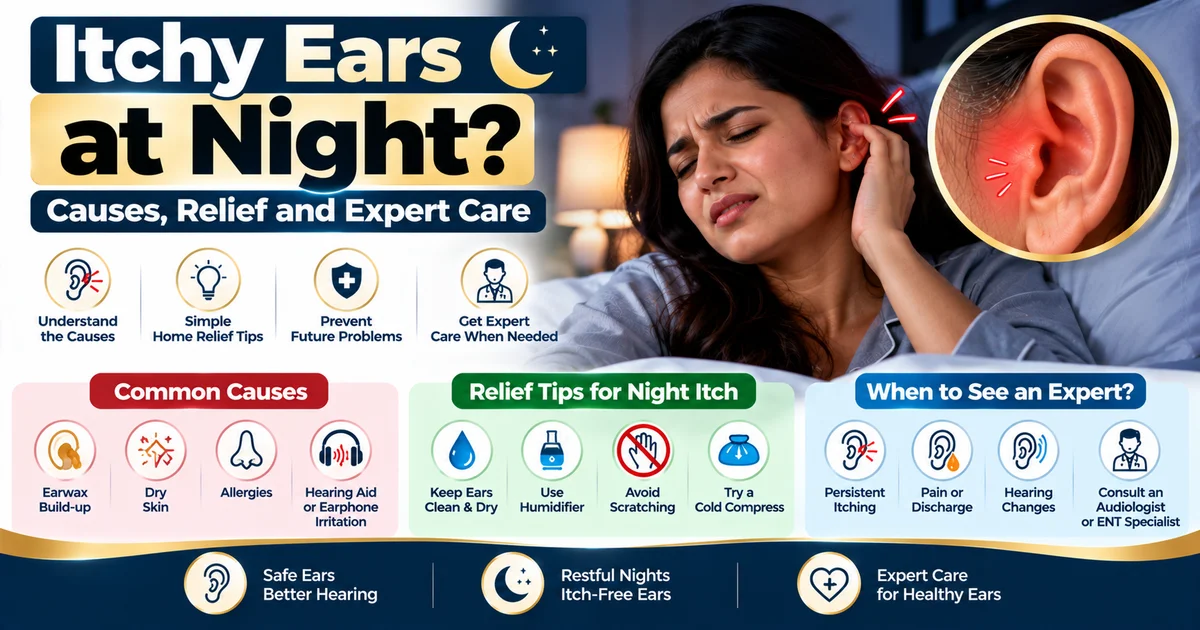
Why Do Ears Feel Itchier at Night?
Ear itching often seems worse at night, and there are a few reasons.
Fewer distractions. During the day, work, screens and conversation keep your mind busy. At night everything is quiet, so you notice small sensations much more.
Body changes during sleep. Skin loses a little more moisture overnight, and the body’s natural rhythms affect skin barrier function and inflammation. Dry or irritated skin can feel itchier after dark.
Bedding and environment. Pillows, pillowcases and blankets can hold dust mites, sweat, hair oil and detergent residue. Pressing your ear against a pillow for hours can irritate the delicate skin of the outer ear.
Dry air from fans and air conditioners. In many homes, especially in warmer cities, fans and AC run all night. Constant airflow and low humidity can dry out the ear canal and make itching worse.
Common Causes of Itchy Ears at Night
1. Dry Skin in the Ear Canal
The skin inside the ear is thin and sensitive. When it becomes dry, it can flake and itch. This is one of the most frequent reasons for itchy ears, particularly in people who clean their ears too often or use cotton buds regularly. Cleaning removes the protective wax layer that normally keeps the canal moisturised.
2. Too Little or Too Much Earwax
Earwax protects the ear by trapping dust and germs and keeping the canal lubricated. Some people produce very little wax, which leaves the skin dry and itchy. Others produce too much, and the buildup can irritate the canal and cause a feeling of fullness, muffled hearing or itching. Pushing wax deeper with swabs makes things worse.
3. Outer Ear Infection (Swimmer’s Ear)
Moisture trapped in the ear canal after bathing, swimming or heavy sweating can allow bacteria to grow. An outer ear infection often starts with itching and may progress to pain when the ear is touched, redness, swelling or discharge. If the itch is followed by pain or drainage, do not wait it out.
4. Fungal Ear Infection
Warm, humid conditions favour fungal growth in the ear. A fungal infection typically causes intense itching, a feeling of blockage and sometimes white, grey or black debris in the canal. It is more likely in people who use ear drops for a long time, wear hearing aids or earphones for long hours, or live in humid climates. It needs proper medical treatment, as ordinary home remedies rarely clear it.
5. Allergies
Allergic reactions to dust, pollen, pet hair, shampoo, hair dye, perfume or even the material of earphones can make the ears itch. Allergic itching often comes with sneezing, a runny nose or itchy eyes. Because dust mites live in bedding, allergic ear itching often flares up at night.
6. Eczema and Dermatitis
Skin conditions such as eczema, seborrheic dermatitis and contact dermatitis commonly affect the outer ear and ear canal. They may cause dry, red or scaly skin around the ear along with itching. These conditions tend to come and go and can be triggered by stress, weather changes or certain products.
7. Hearing Aids, Earbuds and Earplugs
Anything that sits inside the ear can irritate the skin or trap moisture. Poorly fitting earmolds, unclean earbuds or hearing aids and long hours of use can all lead to itching. If you use any ear device and the itch is new, the fit or hygiene of the device is worth checking.
8. Eustachian Tube and Middle Ear Problems
Sometimes the itch comes from deeper inside the ear rather than the skin. Congestion from a cold, sinus problems or allergies can cause the Eustachian tube to work poorly, leading to pressure, fullness and an itchy or tickling sensation that is hard to reach. This kind of itch is often difficult to relieve by scratching.
9. Hair and Skin Products
Shampoo, conditioner, oil or styling products that run into the ear can leave residue and irritate the skin. Applying oil before bed is common in many households, and while it feels soothing, using the wrong oil or too much can trap debris or cause irritation in some people.
What You Should Avoid
When your ears itch, the urge to scratch is strong, but some habits cause more harm than good.
Do not insert cotton buds, hairpins, keys, matchsticks or pen caps into your ears.
Do not use your fingernails inside the canal, as small scratches can become infected.
Do not pour home remedies, oils or random drops into the ear without advice, especially if you have ever had a perforated eardrum, ear surgery or ear discharge.
Do not use ear candles. They are not effective and can cause burns or blockages.
Do not keep using leftover antibiotic or steroid drops from an earlier problem.
Safe Home Care for Itchy Ears at Night
If your itching is mild, there is no pain, discharge or hearing change, and you know your eardrum is healthy, these simple steps may help.
Keep your ears dry. After bathing, gently dry the outer ear with a soft towel. Tilt your head to let water drain out naturally.
Clean only the outer ear. Wipe the visible part with a clean, damp cloth. Leave the canal alone.
Wash your bedding often. Change pillowcases at least once a week and wash sheets in hot water to reduce dust mites. Use a mild, fragrance-free detergent.
Add a little humidity. If you sleep in a dry, air-conditioned room, a bowl of water or a humidifier can reduce dryness. Avoid pointing a fan directly at your head.
Review your products. Rinse shampoo and conditioner well and avoid getting them into the ears. Try pausing new hair or skin products to see if the itch settles.
Clean your earphones and hearing aids. Wipe them regularly as instructed and avoid wearing them for very long periods or while your ears are damp.
Manage allergies. If dust, pollen or pets seem to trigger your symptoms, keep the bedroom clean and talk to a doctor about suitable allergy treatment.
When Should You See a Specialist?
Occasional itching is rarely serious, but you should have your ears examined if you notice any of the following:
Itching that lasts more than a few days or keeps coming back
Ear pain, especially when touching or pulling the ear
Discharge, pus or blood from the ear
A feeling of blockage or fullness
Reduced hearing, ringing in the ears (tinnitus) or dizziness
Redness, swelling or flaking skin around the ear
Itching that wakes you up repeatedly at night
A history of eardrum perforation or ear surgery
Children, people with diabetes and anyone with a weak immune system should be checked early, as ear infections can progress faster in these groups.
How a Hearing and Ear Clinic Can Help
A proper examination takes the guesswork out of ear itching. A specialist looks inside the ear canal with a magnified view, checks the condition of the skin and eardrum, identifies wax buildup or signs of infection and recommends the right treatment. Treatment may include safe wax removal, medicated drops for infection or inflammation, advice on allergy control or guidance on cleaning your hearing devices.
If your itchy ears come with muffled hearing, ringing or a feeling of blockage, a hearing evaluation can also show whether there is any effect on your hearing. Catching a problem early protects both your comfort and your hearing.
If you live in or around Chhatrapati Sambhajinagar, you can visit VR Speech and Hearing Clinic, located on the Second Floor, Vasantrao Naik Chowk, opposite Hotel Deepali Executive, N-3, CIDCO, Chhatrapati Sambhajinagar, Maharashtra 431003. A visit to a trained hearing care professional can help you understand what is behind your symptoms and what steps to take next.
Tips to Prevent Itchy Ears
Let your ears produce and manage their own wax unless a professional advises otherwise.
Dry your ears gently after every bath or swim.
Avoid inserting anything into the canal.
Keep earphones, earplugs and hearing aids clean and well fitted.
Take breaks from earbuds during the day.
Keep your bedroom dust-free and wash bedding regularly.
Choose gentle, fragrance-free hair and skin products.
Treat colds, sinus issues and allergies promptly.
Final Thoughts
Itchy ears at night can come from simple causes such as dry skin, wax imbalance or dusty bedding, or from conditions that need treatment such as infection, eczema or middle ear problems. The best approach is to resist the urge to dig, keep your ears clean and dry on the outside, and pay attention to warning signs like pain, discharge or hearing changes. If the itch keeps returning or disturbs your sleep, get your ears examined instead of experimenting with home remedies. Healthy ears mean comfortable sleep and better hearing for years to come.
Frequently Asked Questions (FAQs)
1. Why do my ears itch only at night?
Ears often feel itchier at night because of fewer distractions, drier skin, dust mites in bedding and dry air from fans or air conditioners. Allergies and skin conditions can also flare up in the evening.
2. Is itchy ear a sign of infection?
It can be. Itching is often the first sign of an outer ear infection, particularly a fungal one. If it comes with pain, discharge, swelling or reduced hearing, see a specialist promptly.
3. Can earwax cause itching in the ears?
Yes. Both too much and too little earwax can cause itching. Excess wax can irritate the canal, while too little leaves the skin dry.
4. Is it safe to use cotton buds to relieve ear itching?
No. Cotton buds can push wax deeper, scratch the skin and increase the risk of infection or eardrum injury. Clean only the outer ear.
5. Should I put oil in my ear for itching?
Do not use oil or drops without medical advice, especially if you have had ear discharge, pain or a damaged eardrum. A specialist can recommend what is safe for you.
6. When should I see a hearing specialist for itchy ears?
See a specialist if the itching lasts more than a few days, keeps returning, or comes with pain, discharge, blockage, ringing or hearing loss.
7. Can hearing aids or earphones make ears itch?
Yes. Poor fit, trapped moisture, dirt or allergy to the material can irritate the ear. Clean your devices regularly and have the fit checked if itching continues.