ITC Hearing Aid Price in India 2026 – Full Form, CIC, IIC & Phonak Guide
What Is an ITC Hearing Aid? Full Form and Meaning
ITC hearing aid full form is In-The-Canal. As the name suggests, these are small, custom-made hearing devices designed to sit partially inside the ear canal. ITC devices are designed to fit in the outer portion of the ear canal and have a slightly larger surface area than Completely-in-Canal (CIC) and Invisible-in-Canal (IIC) devices.
ITC hearing aids are one of the most popular styles chosen by people who want a balance between discretion and ease of use. They are not completely hidden like IIC models, but they are far less visible than the traditional Behind-the-Ear (BTE) devices that most people are familiar with.
How Does an ITC Hearing Aid Work?
ITC hearing aids consist of basic parts such as a microphone, microchip, amplifier, and speaker. They work by picking up sound waves from the environment, converting the sound into electrical signals through the microchip, strengthening those signals through an amplifier, and then delivering clear sound to the ear.
Modern ITC hearing aids go well beyond simple amplification. Many ITC models come equipped with features like Bluetooth connectivity, automatic noise reduction, and feedback cancellation, improving sound clarity in various environments.
Key Benefits of ITC Hearing Aids
ITC hearing aids come with several practical advantages that make them a preferred choice for many users in India.
Discreet Appearance: ITC hearing aids are custom-fitted and sit partially in the ear canal, making them less visible to others compared to larger hearing aid styles.
Comfortable Fit: The custom-made design ensures a comfortable and secure fit, reducing the risk of discomfort during extended wear throughout the day.
Enhanced Sound Quality: ITC hearing aids are equipped with directional microphones, which help in focusing on sounds of interest while reducing background noise.
Suitable for Most Adults: These devices are effective for individuals with mild to moderate hearing loss, providing the necessary amplification for everyday listening.
Reduced Wind Noise: Their position inside the ear canal naturally shields the microphone from wind noise, improving outdoor listening comfort.
Easy Controls: ITC hearing aids often have accessible controls like volume adjustment and program selection buttons, making them user-friendly even for older adults.
ITC Hearing Aid Price in India (2026)
One of the most common questions from buyers is about the ITC hearing aid price in India. The cost varies widely based on brand, technology level, number of channels, and features like Bluetooth or rechargeability.
The ITC hearing aid price in India can vary depending on the brand, model, and features, ranging from approximately INR 20,000 to INR 7,09,990. Budget-friendly options from local distributors are available from as low as INR 7,990 per piece, while hospital and clinical supply platforms list prices ranging from INR 16,340 to INR 2,50,409 for branded models.
Here is a general price breakdown by technology level:
Entry-level ITC hearing aids (basic digital, 2 to 4 channels): INR 8,000 to INR 30,000
Mid-range ITC hearing aids (6 to 8 channels, noise reduction): INR 30,000 to INR 1,00,000
Premium ITC hearing aids (Bluetooth, rechargeable, AI-powered): INR 1,00,000 to INR 7,10,000
Prices may vary between cities, clinics, and authorized dealers. Always consult a licensed audiologist before purchasing.
Phonak ITC Hearing Aids in India
Phonak is one of the most trusted global hearing aid brands, and their ITC range is popular across India. Phonak ITC hearing aids are known for high-definition sound quality, effective noise control, and durable construction. They are manufactured using advanced technology and are available in several models and specifications to suit different levels of hearing loss.
Phonak ITC hearing aids in India are typically priced starting around INR 39,000 and can go significantly higher for premium models with wireless and rechargeable features. Various brands including Phonak, Signia, Widex, ReSound, and Oticon offer ITC options in India, so users can find a model that fits both their hearing needs and budget.
What Is a CIC Hearing Aid?
CIC stands for Completely-In-Canal. CIC hearing aids fit entirely inside the ear canal and sit slightly closer to the opening than IIC devices. They are smaller than ITC hearing aids and therefore even less visible, but they are slightly larger than IIC devices.
CIC hearing aids are nearly invisible, sitting deep inside the ear canal. They are best suited for mild to moderate hearing loss but may not be ideal for people with limited finger dexterity, as the small size can make insertion and removal challenging.
Custom-made CIC hearing aids in India are priced starting from around INR 9,000 and going up to INR 2,50,000 depending on brand and technology level.
What Is an IIC Hearing Aid?
IIC stands for Invisible-In-Canal. IIC hearing aids are the smallest hearing aids available. They sit deep inside the second bend of the ear canal and are almost impossible to see from the outside.
IIC hearing aids sit deeper in the ear canal than CICs and are virtually undetectable to others. However, not every ear canal is shaped to accommodate an IIC device, and both styles require professional fitting from a certified audiologist. IIC hearing aids also tend to cost more than CIC or ITC models due to the miniaturized engineering involved.
IIC and micro hearing aids in India are priced starting from INR 30,000 and going up to INR 1,35,000 for standard models.
ITC vs CIC vs IIC: Key Differences
Understanding the difference between these three styles helps you make the right choice for your hearing needs.
ITC — In-The-Canal: Sits partially in the canal. Slightly visible from outside. Good for mild to moderate hearing loss. Easier to handle. Supports more features including volume controls and Bluetooth on many models. Can address mild to severe hearing loss depending on the model.
CIC — Completely-In-Canal: Sits entirely within the canal. Less visible than ITC. Custom-fitted to your ear. Good for mild to moderate hearing loss. Slightly easier to insert and remove than IIC devices.
IIC — Invisible-In-Canal: Sits deepest in the canal, virtually undetectable. Best for those who prioritize appearance above everything else. May have fewer advanced features due to extreme miniaturization. Suitable for mild to moderately severe hearing loss.
ITE Hearing Aid: What Is the Difference?
ITE stands for In-The-Ear. ITE hearing aids are larger than ITC devices and fill the entire bowl-shaped outer portion of the ear, known as the concha. They are more visible but offer more room for features like volume controls, directional microphones, and larger batteries. ITE aids are often recommended for people with more significant hearing loss or those who find smaller devices difficult to handle due to limited finger dexterity.
Who Should Use an ITC Hearing Aid?
ITC hearing aids are ideal for the following types of users.
Adults with mild to moderate hearing loss who want discretion without the extreme size constraints of CIC or IIC devices.
People who are active outdoors and need natural wind noise protection.
Those who want Bluetooth connectivity and advanced sound features without going for larger BTE models.
First-time hearing aid users who want a balance between comfort, usability, and reduced visibility.
When selecting the best ITC hearing aid for your specific condition, you should consider the severity of your hearing loss, the size and shape of your ear canal, how well you can use your fingers, the availability of features in different technology levels, and your personal preferences and lifestyle.
How to Use an ITC Hearing Aid
To use an ITC hearing aid correctly, ensure the device is fully charged or has fresh batteries before use. Clean your ear and the hearing aid with a soft, dry cloth to prevent earwax buildup. Gently insert the ITC hearing aid into your ear canal until it fits comfortably and securely. Turn on the device after placing it properly. Adjust the volume or settings as needed to improve sound quality, and fine-tune the settings for the clearest listening experience.
Top Brands Offering ITC Hearing Aids in India
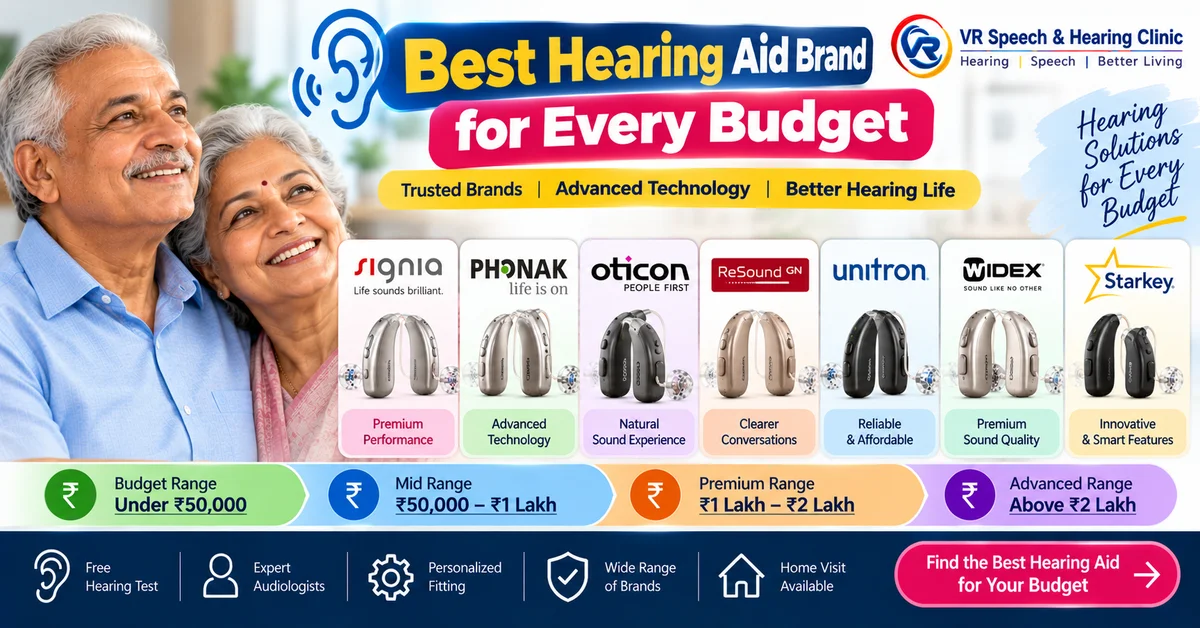
Several internationally recognized brands offer ITC hearing aids in India, including Phonak, Signia, Widex, ReSound, and Oticon. These brands offer rechargeable, Bluetooth-enabled, and invisible models with genuine warranty coverage. Authorized service centers and audiologists in major cities across India provide fitting, calibration, and after-sales support.
Where to Buy ITC Hearing Aids in India
ITC hearing aids can be purchased through authorized hearing care clinics, audiology centers, online medical equipment stores, and hospital supply platforms. Always buy from an authorized dealer to ensure genuine products, valid warranty, and professional fitting services. Before purchasing, get a proper hearing test done by a certified audiologist who can recommend the right model based on your specific hearing profile.
FAQ 1: What does ITC mean in hearing aids?
ITC stands for In-The-Canal. It refers to a type of hearing aid that is custom-made to fit partially inside the ear canal. ITC hearing aids are smaller than ITE (In-The-Ear) models and slightly larger than CIC (Completely-In-Canal) devices. They offer a discreet design while still being easy to handle and operate, making them a popular choice for adults with mild to moderate hearing loss.
FAQ 2: What is the price of ITC hearing aids in India?
ITC hearing aid prices in India vary based on brand, features, and technology level. Entry-level models start from around INR 8,000 to INR 30,000, mid-range models range from INR 30,000 to INR 1,00,000, and premium models with Bluetooth and AI features can cost up to INR 7,10,000. Phonak ITC hearing aids in India typically start from around INR 39,000.
FAQ 3: What is the difference between ITC, CIC, and IIC hearing aids?
ITC (In-The-Canal) hearing aids sit partially inside the ear canal and are slightly visible. CIC (Completely-In-Canal) devices sit entirely within the canal and are nearly invisible. IIC (Invisible-In-Canal) hearing aids sit the deepest and are virtually undetectable to others. ITC models generally support more features and are easier to handle, while IIC models prioritize invisibility but may have fewer advanced features due to their extremely small size.
FAQ 4: Are Phonak ITC hearing aids good for use in India?
Yes, Phonak ITC hearing aids are well-regarded in India for their high-definition sound quality, noise control, and durability. They are available through authorized dealers and hearing care centers across the country. Phonak models are suitable for mild to moderate hearing loss and come in multiple technology levels to suit different budgets, starting from around INR 39,000.
FAQ 5: Who is a good candidate for an ITC hearing aid?
ITC hearing aids are best suited for adults with mild to moderate hearing loss who want a discreet yet functional device. They are particularly good for active individuals who spend time outdoors, since the canal position reduces wind noise. People who find very small devices like IIC aids difficult to insert and remove may also prefer ITC hearing aids due to their slightly larger size and more accessible controls.
FAQ 6: Can ITC hearing aids connect to smartphones?
Many modern ITC hearing aids, especially mid-range and premium models, support Bluetooth connectivity and can stream audio directly from smartphones, televisions, and other devices. However, very small models like IIC aids often lack this feature due to size limitations. If Bluetooth connectivity is a priority, confirm with your audiologist that the specific ITC model you choose supports this function before purchasing.
FAQ 7: How long do ITC hearing aids last?
With proper care and maintenance, ITC hearing aids typically last between three and seven years. Regular cleaning to prevent earwax buildup, timely battery replacement or recharging, and routine professional servicing can significantly extend the lifespan of the device. Most brands sold in India offer a warranty of one to two years, with some offering extended warranty options at additional cost.