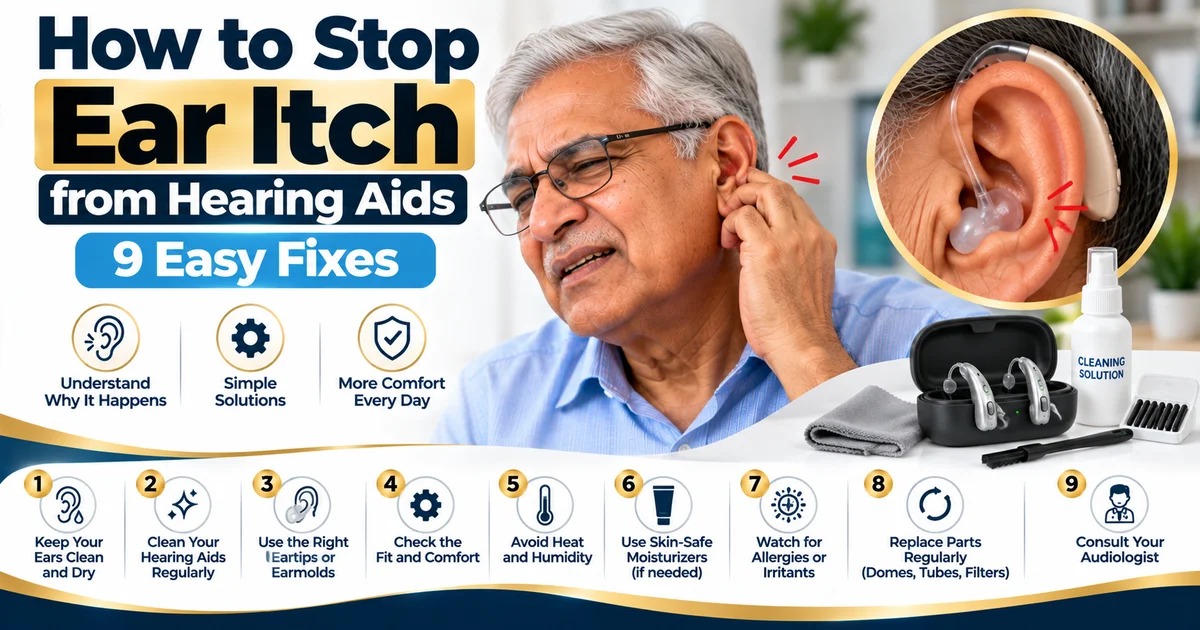
How to Stop Ear Itch from Hearing Aids: 9 Easy Fixes
How to Stop Ear Itch from Hearing Aids: Causes, Fixes and Expert Tips
You finally got your hearing aids, and the world sounds clearer. But a few hours into the day, your ears start to itch. You want to pull the devices out and scratch, and you may wonder whether hearing aids simply don’t suit you.
Itchy ears are one of the most common complaints among new and long-term hearing aid users. The good news is that the itch can almost always be fixed. This guide explains why hearing aids make ears itch, how to stop it, and when to get professional help.
Why Do Hearing Aids Make Your Ears Itch?
Understanding the cause is the first step to finding relief. Several factors can trigger itching, and sometimes more than one is at work.
1. Your Ear Is Adjusting to a Foreign Object
The ear canal is sensitive. When something sits inside it for hours, the skin and nerves react, and this often shows up as itching or a feeling of fullness. It is especially common in the first two to four weeks of wearing hearing aids, and it usually fades as your ear gets used to the device.
2. Trapped Moisture and Sweat
Hearing aids can block airflow in the ear canal. Sweat, humidity and natural moisture get trapped, creating a damp environment that irritates the skin. This is a major cause of itching in hot and humid weather, and it is worth keeping in mind in a warm city like Chhatrapati Sambhajinagar.
3. Allergic Reaction to Materials
Some people are sensitive to the materials in ear molds, domes or shells, such as acrylic, silicone or certain plastics. An allergic reaction can cause itching, redness, swelling or a rash around the ear opening.
4. Dry Skin Inside the Ear Canal
The ear canal makes earwax, which protects and moisturizes the skin. Hearing aids can disturb this balance. Dry, flaky skin in the canal tends to itch, especially if you have eczema or dermatitis.
5. Poor Fit
A hearing aid or ear mold that is too tight rubs against the skin. One that is too loose moves around and causes friction. Both lead to irritation and itching.
6. Earwax Buildup
Wax can collect around the device, which traps debris and irritates the canal. Some people also produce more wax once they start wearing hearing aids.
7. Ear Infection or Fungal Growth
Persistent itching, especially with discharge, odor, pain or a blocked feeling, may point to an outer ear infection (swimmer’s ear) or a fungal infection. Warm, moist ear canals encourage fungus to grow. These conditions need medical treatment.
9 Ways to Stop Ear Itch from Hearing Aids
1. Give Your Ears Time to Adjust
If you are new to hearing aids, increase wearing time gradually. Start with a few hours a day and build up as your ears get comfortable. Mild itching in the first weeks is often temporary.
2. Keep Your Hearing Aids Clean
Dirty devices carry wax, skin cells and bacteria straight into your ear. Wipe your hearing aids with a soft, dry cloth every day. Clean the domes, tubes and ear molds as your audiologist advises. Never use water or alcohol on the electronic parts.
3. Control Moisture
Moisture is a leading cause of itching and can also damage your device. You can reduce it by:
Removing your hearing aids at night and opening the battery door
Using a hearing aid dehumidifier or drying kit
Wiping your ears and the devices after sweating, exercising or walking in the rain
Avoiding wearing them in the shower or while swimming
4. Check the Fit
A poorly fitted hearing aid is one of the easiest causes to fix. If your ear mold or shell feels tight, loose or uncomfortable, ask your audiologist to adjust or remake it. A custom ear mold designed from an accurate ear impression often eliminates friction completely.
5. Try Different Materials
If the itching comes with redness or swelling, you may be allergic to the material. Options include hypoallergenic ear molds, soft silicone tips, or a different dome style. Your audiologist can recommend materials that suit sensitive skin.
6. Choose a More Ventilated Style
Open-fit or receiver-in-canal hearing aids let more air into the ear, which reduces trapped heat and moisture. Vented ear molds can also help. If you have mild to moderate hearing loss, ask whether a more open design would work for you.
7. Moisturize Safely, With Professional Advice
Dry ear canal skin can sometimes be eased with ear drops or a gentle lubricant suggested by a doctor. Do not put oils, creams or home remedies in your ear without professional guidance, because the wrong product can cause blockage or infection.
8. Never Scratch the Inside of Your Ear
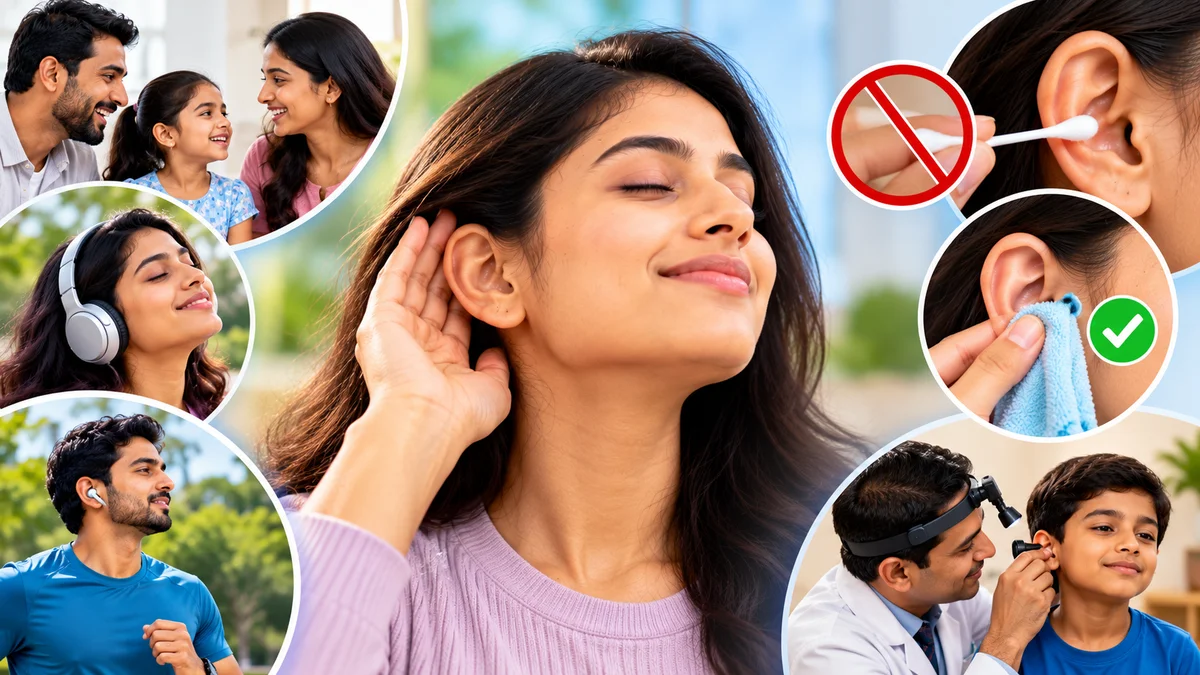
Cotton buds, hairpins, keys and fingernails can scratch the delicate canal skin. Small scratches invite infection and make the itching worse. If the itch becomes unbearable, take the hearing aid out, rest your ear, and see a professional rather than digging in.
9. Get Regular Ear Check-Ups
Routine visits let an audiologist clean your devices professionally, examine your ear canals, remove excess wax safely and catch problems early. Most people should have their hearing aids checked at least every three to six months.
Things to Avoid When Your Ears Itch
Don’t use drops or home remedies on a hunch. Wrong treatment can mask an infection.
Don’t wear your hearing aids for long stretches if they are causing pain or discharge.
Don’t clean devices with water, sprays or harsh chemicals.
Don’t keep wearing a poorly fitting device and hope it improves. A refit is quick and makes a big difference.
Don’t ignore symptoms that last longer than a few weeks.
When to See an Audiologist or ENT Doctor
Itching alone is often harmless, but see a professional if you notice:
Itching that lasts beyond the first few weeks of use
Redness, swelling, rash or peeling skin
Ear pain or a feeling of pressure
Discharge, fluid or a bad smell
Sudden drop in hearing or muffled sound
Ringing in the ears that is new or getting worse
Itching that returns again and again
An audiologist can inspect your ears, check the fit and condition of your devices, and refer you to an ENT specialist if a medical issue is suspected.
Simple Daily Routine to Prevent Itchy Ears
Morning: Wipe your hearing aids and check that the domes and tubes are clean and dry.
During the day: Take short breaks if your ears feel warm or sweaty, and dry them gently.
Evening: Remove the devices, clean them, and open the battery door.
Night: Store them in a dehumidifier or drying box, away from heat and dust.
Following this routine consistently prevents most itching problems before they start.
Get Expert Hearing Aid Care in Chhatrapati Sambhajinagar
If itchy ears are making your hearing aids hard to wear, you don’t have to put up with it. A professional fitting, adjustment or ear check can solve the problem and bring back the comfort and clarity you were hoping for.
VR Speech and Hearing Clinic offers hearing assessments, hearing aid fitting and adjustments, and ongoing follow-up care so your devices stay comfortable and work well.
Address: VR Speech and Hearing Clinic, Second Floor, Vasantrao Naik Chowk, Opposite Hotel Deepali Executive, N-3, CIDCO, Chhatrapati Sambhajinagar, Maharashtra 431003
Book an appointment today and enjoy your hearing aids without the itch.
Frequently Asked Questions (FAQs)
1. Why do my ears itch after wearing hearing aids?
Itching usually comes from moisture buildup, a poor fit, dry skin, earwax, or sensitivity to the materials. Your ear can also take a few weeks to adjust to a new device.
2. Is ear itching normal with new hearing aids?
Mild itching in the first few weeks is common and often settles as your ear adapts. If it continues or comes with pain, redness or discharge, consult an audiologist.
3. Can hearing aids cause ear infections?
Hearing aids do not directly cause infections, but trapped moisture, poor hygiene and skin irritation can create conditions where bacteria or fungus grow. Regular cleaning and drying lower the risk.
4. Can I be allergic to my hearing aids?
Yes. Some people react to materials such as acrylic or certain silicones. Signs include itching, redness and swelling. Hypoallergenic molds and softer materials can help.
5. How can I stop my ear from itching without removing my hearing aids?
Avoid scratching inside the ear. If the itch is distracting, take the device out briefly, dry your ear, and check the fit. Persistent itching needs professional attention.
6. Can a better fit stop the itching?
Very often, yes. A custom ear mold or a correctly sized dome reduces friction and pressure, which are common causes of irritation.
7. How often should I clean my hearing aids?
Wipe them daily, and have them professionally cleaned and checked every three to six months, or as your audiologist advises.
8. Should I use ear drops for itching?
Only if a doctor or audiologist recommends them. Using the wrong drops can worsen irritation or hide an infection.
9. When should I see a doctor about itchy ears?
See a professional if the itching lasts several weeks or comes with pain, discharge, swelling, odor or a change in your hearing.
10. Where can I get help for hearing aid discomfort in Chhatrapati Sambhajinagar?
You can visit VR Speech and Hearing Clinic in CIDCO, N-3, for hearing aid fitting, adjustments and follow-up care.