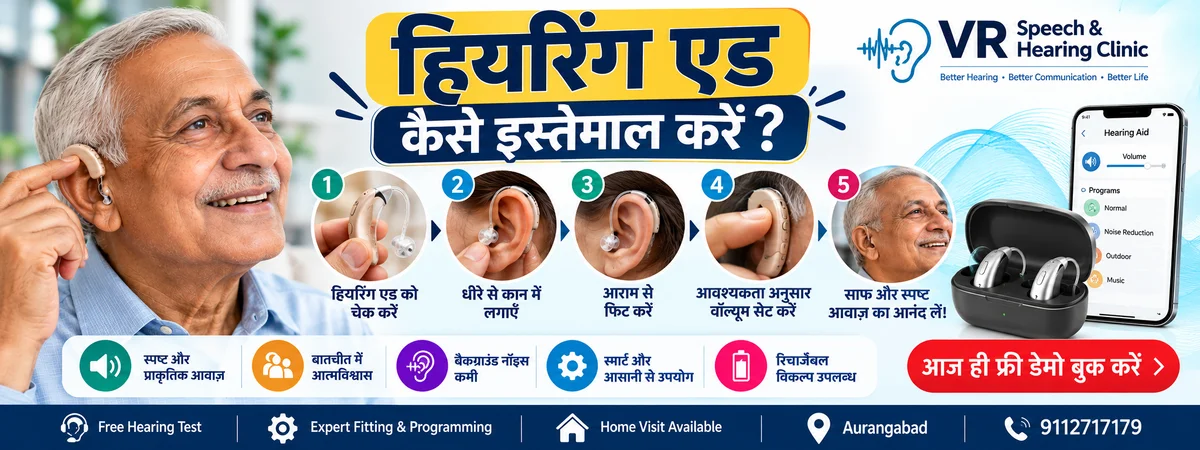
Hearing Aids in Chhatrapati Sambhajinagar
Hearing Aids in Chhatrapati Sambhajinagar: A Complete Guide to Choosing the Right Solution
Struggling to follow conversations, turning the television volume higher every month, or asking people to repeat themselves? These are common signs of hearing loss, and they affect people of every age. The good news is that modern hearing aids are smaller, smarter, and more comfortable than ever. If you are searching for hearing aids in Chhatrapati Sambhajinagar, this guide explains what to look for, which types are available, and how a professional clinic can help you hear better again.
Why Hearing Loss Should Not Be Ignored
Hearing loss usually develops slowly, so many people ignore it for years. Untreated hearing loss can lead to:
Social withdrawal and loneliness
Difficulty at work or in school
Frustration within the family
Higher risk of fatigue, stress, and low mood
Reduced awareness of traffic, alarms, and other safety sounds
Early diagnosis and timely use of hearing aids help the brain stay used to processing sound. The sooner you act, the easier it is to adapt to amplification.
Common Signs That You May Need a Hearing Aid
Consider a hearing evaluation if you notice any of these:
You often ask people to repeat themselves
Voices sound muffled, especially in groups or restaurants
You struggle to hear on the phone
You turn the TV or mobile volume up louder than others prefer
You hear ringing or buzzing in your ears (tinnitus)
You find it hard to hear women’s and children’s voices
You feel tired after long conversations
Children may also show signs, such as delayed speech, not responding to their name, or poor attention in class. Pediatric hearing checks should never be postponed.
Types of Hearing Aids Available
There is no single device that suits everyone. The right choice depends on your degree of hearing loss, ear shape, lifestyle, and budget.
Behind-the-Ear (BTE) hearing aids
These sit behind the ear and connect to an earmold or a thin tube. They are durable, powerful, and suitable for mild to profound hearing loss. They are often recommended for children and for people with severe loss.
Receiver-in-the-Canal (RIC) hearing aids
Slim, discreet, and very popular. The speaker sits inside the ear canal, giving natural sound quality. They suit mild to moderately severe hearing loss.
In-the-Ear (ITE) hearing aids
Custom-made to fit the outer ear. They are easy to handle and good for people who find smaller devices difficult.
In-the-Canal (ITC) and Completely-in-Canal (CIC) hearing aids
Almost invisible when worn. They suit mild to moderate hearing loss, though smaller size can mean shorter battery life and fewer features.
Rechargeable hearing aids
Instead of changing tiny batteries, you charge the device overnight. This is convenient for seniors and busy professionals.
Bluetooth-enabled hearing aids
These connect directly to smartphones and televisions, allowing you to stream calls, music, and videos straight into your ears.
Key Features to Look For
Modern digital hearing aids offer features that make daily life easier:
Noise reduction: reduces background sound so speech is clearer
Directional microphones: focus on the person in front of you
Feedback cancellation: prevents whistling sounds
Multiple programs: adjust for quiet rooms, crowds, outdoors, or music
Tinnitus support: some devices include soothing sound options
Smartphone app control: adjust volume and settings discreetly
Your audiologist will recommend features based on your hearing test results and your daily routine, so you do not pay for options you will never use.
Why a Proper Hearing Test Comes First
Buying a hearing aid without a proper evaluation is a common and costly mistake. A hearing aid is not like reading glasses. It must be programmed to match your specific hearing pattern. A complete assessment usually includes:
Case history and discussion of your listening difficulties
Ear examination
Pure tone audiometry to measure hearing thresholds
Speech audiometry to check clarity of understanding
Impedance testing where needed, to check middle ear health
Based on the results, the clinician can tell you whether a hearing aid will help, which type suits you, and whether you need medical referral for any other ear condition.
Choosing a Hearing Aid Clinic in Chhatrapati Sambhajinagar
The device matters, but the person who fits it matters just as much. When comparing clinics, look for:
Qualified professionals: audiologists and speech-language pathologists with proper training
Accurate testing equipment: reliable audiometry and fitting tools
Choice of brands and technology levels: so recommendations are not limited
Trial period: the chance to experience the device in real-life situations
Careful fitting and programming: not just handing over a box
After-sales support: cleaning, adjustments, repairs, and counselling
Honest advice: a good clinician will tell you if you do not need a device
VR Speech and Hearing Clinic: Hearing Care in CIDCO
VR Speech and Hearing Clinic offers hearing evaluation and hearing aid solutions for patients across Chhatrapati Sambhajinagar. The clinic is conveniently located on the Second Floor, Vasantrao Naik Chowk, opposite Hotel Deepali Executive, N-3, CIDCO, Chhatrapati Sambhajinagar, Maharashtra. The central location in CIDCO makes it easy to reach from Jalna Road, Aurangabad’s older city areas, Garkheda, Satara, Beed Bypass, and nearby neighbourhoods.
Patients visiting the clinic can expect:
A thorough hearing assessment in a calm, comfortable setting
Clear explanation of the test results in simple language
Guidance on suitable hearing aid types and technology levels
Precise fitting and programming based on individual hearing needs
Counselling on how to use, clean, and maintain the device
Follow-up visits for fine-tuning as your brain adapts to new sounds
Beyond hearing aids, a speech and hearing clinic also supports people with speech and language concerns, which is especially valuable for children whose hearing difficulties may affect their communication development.
What to Expect When You Start Using a Hearing Aid
Adjusting to a hearing aid takes time. Sounds you have not heard for years, such as footsteps, paper rustling, or the fan, may seem loud at first. This is normal. Here is how to make the transition smoother:
Wear the device for a few hours daily at first, then increase gradually
Begin in quiet places before moving to noisy environments
Practise conversations with family at home
Attend all follow-up appointments for fine-tuning
Be patient; full benefit often builds over several weeks
Caring for Your Hearing Aid
Good care extends the life of your device:
Wipe it with a soft, dry cloth daily
Keep it away from water, sweat, and heat
Store it in a dry case at night
Avoid applying hairspray or perfume while wearing it
Replace wax guards and filters as advised
Schedule regular professional cleaning and check-ups
Tips for Families and Caregivers
Hearing loss affects the whole family. You can help by speaking clearly without shouting, facing the person while talking, reducing background noise, and encouraging them to get tested. Supportive family members make a major difference in how successfully someone adapts to hearing aids.
When to Book an Appointment
Do not wait until hearing loss becomes severe. Book a consultation if you notice gradual hearing difficulty, sudden hearing changes, ear discharge, pain, dizziness, or persistent ringing. Sudden hearing loss in particular needs urgent medical attention.
Final Thoughts
Hearing well is central to staying connected with family, doing your job, and enjoying everyday life. If you are looking for hearing aids in Chhatrapati Sambhajinagar, begin with a proper hearing evaluation and choose a clinic that offers personal attention and reliable follow-up. VR Speech and Hearing Clinic in CIDCO N-3 is ready to help you take that first step toward clearer, more comfortable hearing.
Frequently Asked Questions (FAQs)
1. How do I know if I need a hearing aid?
If you often ask people to repeat themselves, find conversations unclear in noisy places, or turn up the volume more than others, you should get a hearing test. Only an audiologist can confirm whether a hearing aid will help.
2. Where can I get a hearing test in Chhatrapati Sambhajinagar?
You can visit VR Speech and Hearing Clinic, Second Floor, Vasantrao Naik Chowk, opposite Hotel Deepali Executive, N-3, CIDCO, for a professional hearing evaluation.
3. Which type of hearing aid is best?
There is no single best type. The right option depends on your hearing loss, ear shape, lifestyle, and budget. A clinician will recommend the most suitable one after testing.
4. Are hearing aids visible to others?
Many modern models, such as RIC, ITC, and CIC devices, are small and discreet, so they are barely noticeable.
5. How long does it take to get used to a hearing aid?
Most people need a few weeks to adapt. Gradual daily use and follow-up fine-tuning help you get the best results.
6. Can children use hearing aids?
Yes. Children with hearing loss benefit greatly from early fitting, as it supports speech and language development. Early testing is important.
7. Do hearing aids restore normal hearing?
Hearing aids improve hearing and speech understanding but do not restore hearing to normal. Realistic expectations and regular follow-up lead to better satisfaction.
8. How often should I get my hearing checked?
Adults should check their hearing at least once a year after age 50, or sooner if they notice any change.
9. Do rechargeable hearing aids work well?
Yes. Rechargeable models are convenient, especially for seniors, since they remove the need to replace small batteries.
10. Can hearing aids help with tinnitus?
For many people, amplifying outside sounds makes ringing less noticeable. Some devices also offer special tinnitus sound options.