Hearing Aids for Beginners: A Complete Guide to Getting Started
Discovering that you or a loved one needs a hearing aid can feel overwhelming. With so many models, features, and price points available today, it's natural to have questions about where to start. This beginner's guide breaks down everything you need to know about hearing aids in simple, easy-to-understand language, so you can make a confident and informed decision.
Hearing loss affects millions of people worldwide, yet many wait years before seeking help. The good news is that modern hearing aids are smaller, smarter, and more comfortable than ever before. Whether you're just starting to notice muffled conversations or you've been recently diagnosed with hearing loss, this guide will walk you through the basics step by step.
Signs You Might Need a Hearing Aid
Before diving into hearing aid types, it helps to recognize the early signs of hearing loss. Common indicators include:
Frequently asking people to repeat themselves
Turning up the television or radio volume higher than others prefer
Struggling to follow conversations in noisy places like restaurants
Difficulty hearing on the phone
Feeling like people are mumbling
Ringing or buzzing sounds in the ears (tinnitus)
If any of these sound familiar, it's a good idea to schedule a hearing evaluation with an audiologist. Early intervention often leads to better outcomes and an easier adjustment period.
Understanding the Basics: How Hearing Aids Work
At their core, hearing aids are small electronic devices designed to amplify sound so it's easier for your brain to process. Every hearing aid has three main components: a microphone that picks up sound, an amplifier that boosts the sound signal, and a speaker that delivers the amplified sound into the ear.
Today's digital hearing aids go far beyond simple amplification. Many models include noise reduction, feedback cancellation, directional microphones, and even Bluetooth connectivity for streaming calls and music directly from your smartphone.
Types of Hearing Aids for Beginners
Choosing the right style is one of the most important decisions you'll make. Here's a quick overview of common types:
Behind-the-Ear (BTE)
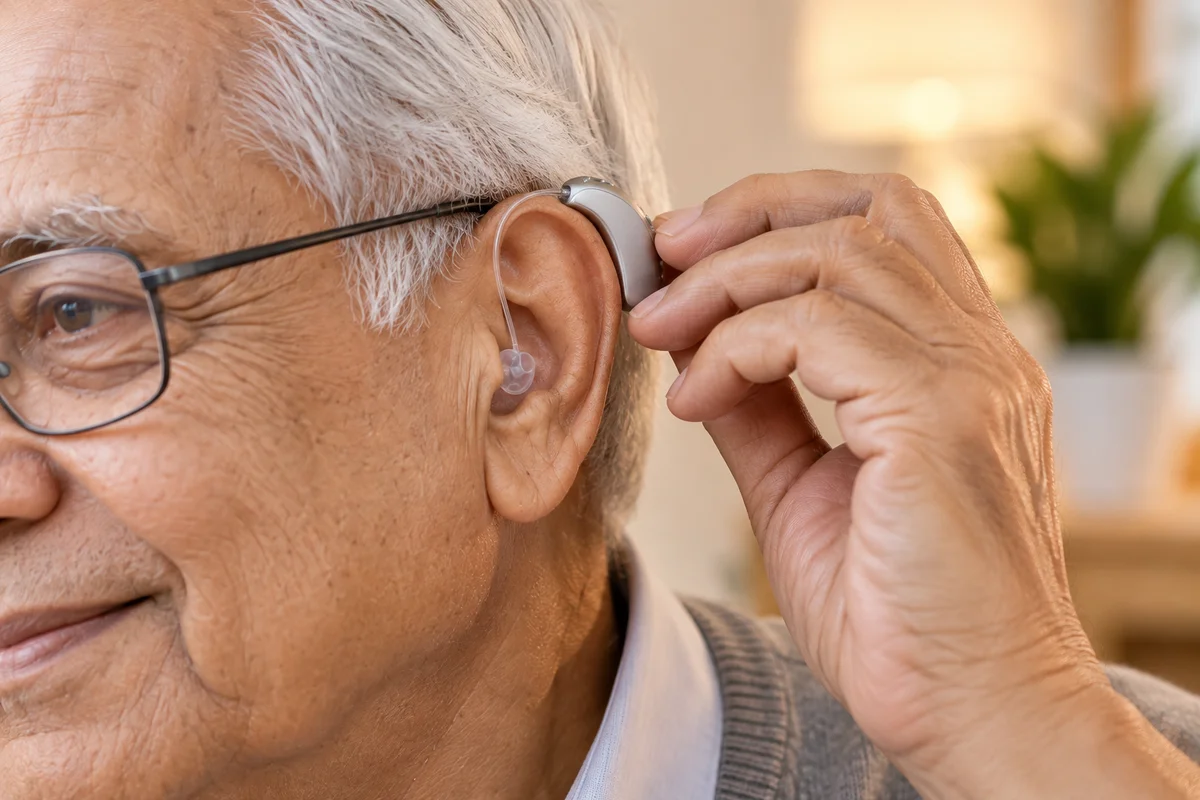
This style sits behind the ear and connects to an earmold inside the ear canal. BTE hearing aids are durable, easy to handle, and suitable for almost all levels of hearing loss, making them a popular choice for first-time users.
Receiver-in-Canal (RIC)
Similar to BTE but smaller and more discreet, RIC hearing aids have the speaker placed directly in the ear canal. They offer a natural sound quality and are a favorite among beginners who want a comfortable, low-profile option.
In-the-Ear (ITE)
These custom-molded devices fit entirely within the outer ear. They're easier to insert than smaller styles and offer a good balance between visibility and functionality.
In-the-Canal (ITC) and Completely-in-Canal (CIC)
These smaller, nearly invisible styles fit partly or fully inside the ear canal. While discreet, they may require more dexterity to insert and remove, so they're often better suited for those with mild to moderate hearing loss.
How Much Do Hearing Aids Cost?
Pricing varies widely depending on the brand, technology level, and features included. Basic models with essential amplification are more budget-friendly, while advanced digital models with smartphone connectivity, rechargeable batteries, and AI-powered noise filtering cost more. It's worth remembering that hearing aids are a long-term investment in your quality of life, communication, and mental well-being. Many clinics also offer trial periods, financing options, and after-sales support, so always ask about these when comparing choices.
The Fitting Process: What to Expect
For beginners, the fitting process can feel like the most intimidating part, but it's actually straightforward when guided by a qualified audiologist. Here's a general outline:
Hearing Evaluation – A comprehensive hearing test determines the type and degree of your hearing loss.
Device Selection – Based on your lifestyle, budget, and hearing needs, the audiologist recommends suitable options.
Ear Impressions (if needed) – For custom-fit devices, impressions of your ear are taken.
Programming and Fitting – The hearing aid is programmed to match your specific hearing profile.
Follow-up Adjustments – Fine-tuning appointments ensure the device sounds natural and comfortable.
Don't be discouraged if sounds feel unusual at first. Your brain needs time to readjust to hearing sounds it may have missed for a while.
Adjusting to Your New Hearing Aid
The first few weeks with a new hearing aid are an adjustment period, both physically and mentally. Here are some beginner-friendly tips to make the transition smoother:
Start slow. Wear your hearing aid for a few hours a day initially, gradually increasing usage.
Practice in quiet environments first. This helps your brain relearn how to process amplified sound before tackling noisy settings.
Read aloud. Hearing your own voice through the device helps you adjust to how speech sounds.
Keep a journal. Note situations where the device works well or poorly, and share this with your audiologist during follow-ups.
Be patient. Full adaptation can take several weeks to a few months.
Caring for Your Hearing Aid
Proper maintenance extends the life of your device and keeps it performing at its best:
Clean your hearing aid daily with a soft, dry cloth
Store it in a dry, cool place when not in use
Avoid exposure to moisture, heat, and hairspray
Replace batteries or charge regularly, depending on your model
Schedule routine check-ups with your audiologist for cleaning and recalibration
Common Myths About Hearing Aids
Many beginners hesitate because of misconceptions. Let's clear a few up:
Myth: Hearing aids restore hearing to normal.
Reality: They significantly improve hearing clarity but don't restore hearing to a completely normal level.
Myth: Only elderly people need hearing aids.
Reality: Hearing loss affects people of all ages, including children and working professionals.
Myth: Hearing aids are bulky and noticeable.
Reality: Modern designs are sleek, compact, and often nearly invisible.
Myth: You only need one hearing aid.
Reality: Most people with hearing loss in both ears benefit more from wearing two, as it helps with sound localization and balance.
Why Professional Guidance Matters
While it might be tempting to buy an over-the-counter amplification device, professional fitting makes a significant difference in comfort, sound quality, and long-term satisfaction. A certified audiologist evaluates your specific hearing loss pattern and customizes the device settings accordingly, something a generic device simply cannot replicate.
If you're located in Chhatrapati Sambhajinagar (formerly Aurangabad) and are just beginning your hearing aid journey, VR Speech and Hearing Clinic offers comprehensive hearing evaluations, personalized hearing aid fittings, and ongoing support for beginners and experienced users alike. Their team helps patients choose the right device based on lifestyle, budget, and degree of hearing loss, ensuring a smooth and comfortable transition into better hearing.
Final Thoughts
Starting your journey with hearing aids doesn't have to be stressful. With the right guidance, realistic expectations, and a little patience, most beginners adapt successfully and experience a noticeable improvement in their quality of life. Better hearing means better conversations, stronger relationships, and greater confidence in everyday situations.
If you suspect you or a family member may benefit from a hearing aid, don't wait. Schedule a hearing test today and take the first step toward clearer, richer sound.
Frequently Asked Questions (FAQs)
Q1: How do I know if I need a hearing aid?
If you frequently ask people to repeat themselves, struggle in noisy environments, or need higher volume on your TV, it's best to get a professional hearing evaluation.
Q2: Are hearing aids difficult to use for beginners?
Not at all. While there's a short adjustment period, most modern hearing aids are user-friendly, with simple controls and companion apps for easy management.
Q3: How long does it take to get used to a hearing aid?
Most people adjust within a few weeks, though full adaptation can take up to three months depending on the individual.
Q4: Can I try a hearing aid before buying it?
Many clinics, including audiology centers, offer trial periods so you can test the device in real-life situations before committing.
Q5: Do I need two hearing aids or just one?
If you have hearing loss in both ears, wearing two hearing aids typically provides better sound balance, clarity, and directional hearing.
Q6: How often should I get my hearing aid checked?
Routine check-ups every six months are recommended for cleaning, recalibration, and ensuring optimal performance.