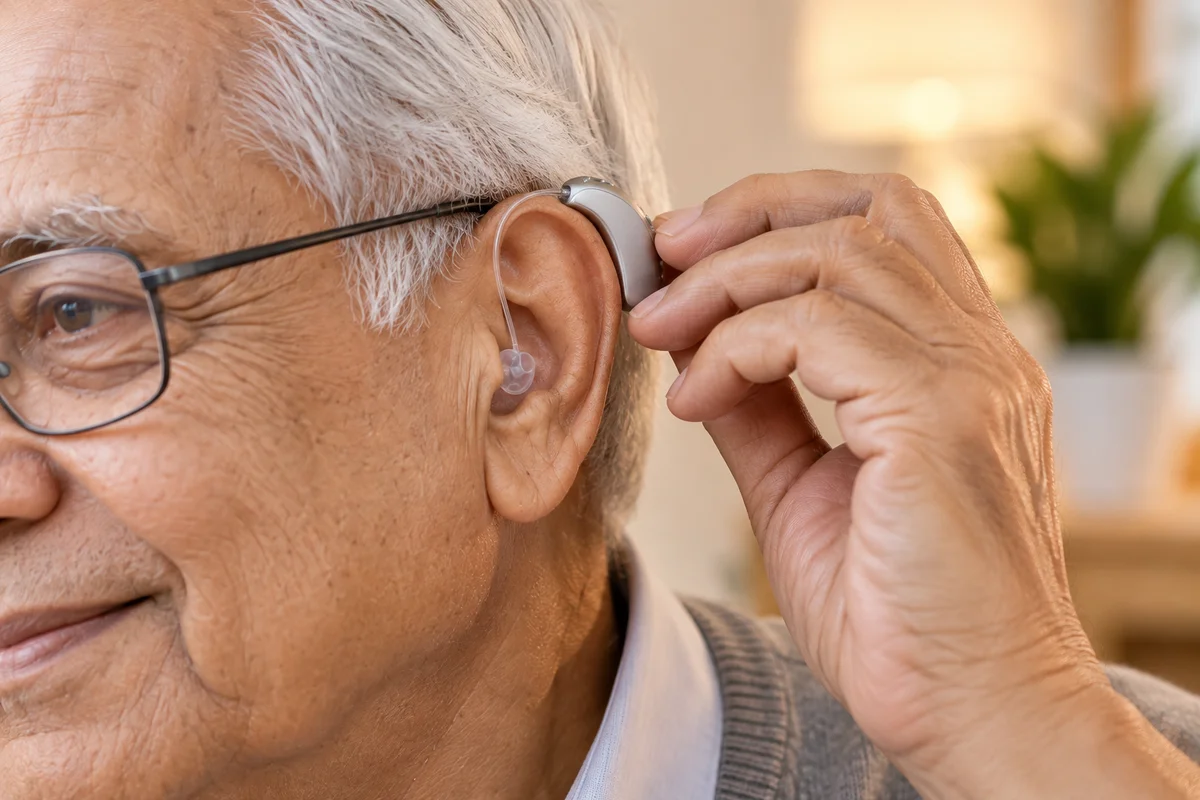
Hearing Aids Best Practices: A Complete Guide to Better Hearing
Hearing aids have transformed the lives of millions of people living with hearing loss, offering renewed access to conversations, music, and the everyday sounds that make life richer. Yet owning a hearing aid is only half the equation. Getting the most out of these devices requires understanding best practices around selection, fitting, maintenance, and daily use. Whether you're a first-time user or looking to improve your current experience, this guide walks through everything you need to know to hear better, longer, and more comfortably.

Understanding Why Best Practices Matter
Many new users assume that simply wearing a hearing aid guarantees improved hearing. In reality, hearing aids are precision medical devices that require proper setup, consistent care, and realistic expectations to perform well. Poor practices—like incorrect insertion, inconsistent wear time, or neglected cleaning—can lead to discomfort, reduced sound quality, feedback squealing, and even damage to the device. Following proven best practices ensures you get the full value of your investment while protecting your hearing health long-term.
Choosing the Right Hearing Aid
Before best practices around use even begin, selecting the appropriate device matters enormously. Hearing loss varies by type, degree, and configuration, so a one-size-fits-all approach rarely works.
Get a Professional Hearing Evaluation
A licensed audiologist should conduct a comprehensive hearing test before any purchase. This evaluation identifies the specific frequencies and volumes affected, which directly informs which hearing aid style and technology level will work best.
Consider Your Lifestyle
Someone who works in noisy environments or attends frequent social gatherings may need advanced noise-reduction and directional microphone features, while someone with a quieter lifestyle might do well with a simpler model. Discuss your daily routine honestly with your provider.
Understand the Style Options
Behind-the-ear, in-the-ear, in-the-canal, and completely-in-canal models each offer different tradeoffs between visibility, comfort, battery life, and power. Your audiologist can help match the style to your hearing loss severity and dexterity needs.
Best Practices for Fitting and Adjustment
Schedule Professional Fitting Sessions
Never attempt to self-program a prescription-level hearing aid. Professional fitting uses real-ear measurements to calibrate the device precisely to your ear canal and hearing profile, which significantly improves comfort and clarity.
Allow an Adjustment Period
It's normal for new users to need two to four weeks to adapt to amplified sound. Your brain must relearn how to process sounds it hasn't heard clearly in a while. Wearing the device consistently during this period, rather than only in quiet moments, speeds up adaptation.
Attend Follow-Up Appointments
Initial settings are rarely perfect. Follow-up visits allow your audiologist to fine-tune volume, frequency response, and noise settings based on your real-world feedback.
Don't Skip the Trial Period
Most reputable providers offer a 30 to 60-day trial period. Use this time to test the device across different environments—work, home, restaurants, outdoors—and report specific issues rather than general dissatisfaction.
Daily Wear Best Practices
Insert and Remove Correctly
Learn the proper technique for inserting your specific hearing aid style. Incorrect insertion is a leading cause of discomfort, poor sound quality, and feedback whistling. Ask your provider for a hands-on demonstration and practice until it feels natural.
Wear Them Consistently
Hearing aids work best when worn during all waking hours, not just in challenging listening situations. Consistent use helps your brain maintain its ability to process sound and prevents auditory deprivation, a phenomenon where unused hearing pathways gradually weaken.
Protect Them from Moisture
Remove hearing aids before showering, swimming, or heavy exercise that induces sweating. Moisture is one of the most common causes of hearing aid malfunction. Consider a dehumidifying storage case if you live in a humid climate or sweat heavily.
Handle with Clean, Dry Hands
Earwax, lotion, and hair products can clog microphones and receivers. Always handle your device with clean hands and avoid applying hairspray or cosmetics while wearing it.
Cleaning and Maintenance Best Practices
Clean Daily
Wipe down your hearing aids every night with a soft, dry cloth to remove earwax and debris. Use the cleaning tools provided by your manufacturer, such as wax picks and brushes, rather than household items that could damage delicate components.
Change Wax Guards Regularly
Wax guards prevent earwax from reaching internal components. Replace them every few weeks or as recommended, since clogged wax guards are among the most common reasons for reduced sound output.
Store Properly Overnight
Open the battery door or turn off the device each night to allow air circulation and conserve battery. Store hearing aids in a dry, ventilated case away from direct sunlight and extreme temperatures.
Schedule Professional Cleanings
In addition to daily home care, have your hearing aids professionally cleaned and inspected every few months. Technicians can access and clean components that home tools cannot reach.
Manage Batteries or Charging Properly
For battery-powered models, keep spare batteries on hand and store them at room temperature. For rechargeable models, charge fully each night and avoid letting the battery drain completely on a regular basis, as this can shorten battery lifespan over time.
Optimizing Sound Quality
Use Assistive Accessories
Many modern hearing aids pair with smartphone apps, remote microphones, or TV streamers that can dramatically improve sound clarity in specific situations like phone calls, lectures, or watching television.
Adjust Settings for Environments
Take advantage of programmable settings or apps that let you switch between environments such as restaurants, outdoor settings, or quiet rooms. Many devices also offer automatic environment detection, but manual overrides can sometimes provide better results.
Report Whistling or Feedback Immediately
Persistent feedback usually signals a poor fit, excessive earwax buildup, or a need for professional recalibration. Don't ignore it, as it often indicates an underlying issue affecting overall performance.
Common Mistakes to Avoid
Many users unintentionally sabotage their hearing aid experience. Avoid these frequent pitfalls: waiting too long between professional check-ups, wearing devices only occasionally instead of consistently, exposing them to moisture without protection, ignoring wax guard replacement schedules, and expecting immediate perfect hearing without an adjustment period. Being aware of these mistakes helps set realistic expectations and improves long-term satisfaction.
When to Upgrade or Reassess
Hearing loss can change over time, and hearing aid technology also continues to advance. If you notice declining sound quality despite proper maintenance, increased difficulty in noisy settings, or if your device is more than five to seven years old, it may be time for a reassessment. Regular hearing tests, ideally annually, help track whether your current devices still match your hearing needs.
Conclusion
Best practices for hearing aids extend well beyond simply putting them in your ears each morning. From selecting the right device and undergoing professional fitting to daily cleaning routines and consistent wear, every step plays a role in maximizing comfort, sound quality, and device longevity. By partnering closely with your audiologist and staying disciplined about care and maintenance, you can enjoy clearer hearing and a better quality of life for years to come.

Frequently Asked Questions
How long does it take to adjust to new hearing aids?
Most users need two to four weeks of consistent daily wear to fully adjust to amplified sound as the brain relearns how to process it.
How often should hearing aids be cleaned?
Hearing aids should be wiped down daily at home and professionally cleaned every three to six months for optimal performance.
Can I wear hearing aids while showering or swimming?
No, hearing aids should be removed before any activity involving water exposure, including showering, swimming, and heavy sweating during exercise.
How long do hearing aid batteries last?
Disposable batteries typically last five to fourteen days depending on usage and device type, while rechargeable batteries usually last a full day on a single charge.
When should I replace my hearing aids?
Most hearing aids last five to seven years with proper care, though replacement may be needed sooner if hearing loss changes significantly or technology needs advance.
Why do my hearing aids whistle or squeal?
Feedback whistling is often caused by a poor fit, earwax buildup, or improper insertion, and should be addressed with your audiologist promptly.


