Hearing Aid Warranty & After-Sales Service Guide
Introduction
Investing in a hearing aid is a significant decision, both financially and in terms of improving your quality of life. But the value of that investment doesn't end at the point of purchase. Understanding your hearing aid's warranty and the after-sales services that come with it is just as important as choosing the right device. At VR Speech and Hearing Clinic, we believe that informed patients make confident decisions, which is why this guide breaks down everything you need to know about hearing aid warranties, service plans, and long-term support.
Why Warranty and After-Sales Service Matter
Hearing aids are delicate electronic devices that are worn daily, often in challenging environments involving moisture, earwax, dust, and temperature changes. Over time, wear and tear is inevitable. A solid warranty combined with reliable after-sales service ensures that your device continues to perform optimally, and that any issues are resolved quickly without unnecessary out-of-pocket expenses.
Without proper warranty coverage, repairs or replacements can become costly, and delays in service can mean weeks without proper hearing support. This is why understanding the fine print of your warranty, and choosing a clinic that offers dependable after-sales care, is essential.
Understanding Hearing Aid Warranty Types
1. Manufacturer's Warranty
Most hearing aids come with a manufacturer's warranty, typically ranging from one to three years. This warranty usually covers:
Manufacturing defects
Internal component failures
Electronic malfunctions not caused by misuse
It's important to note that manufacturer warranties generally do not cover accidental damage, loss, or issues arising from improper care.
2. Extended Warranty
Many clinics and manufacturers offer extended warranty plans that can be purchased separately. These extend coverage beyond the standard period and often include additional protections such as accidental damage coverage or loss and theft protection. If you lead an active lifestyle or have a history of misplacing small devices, an extended warranty can offer valuable peace of mind.
3. Loss and Damage Coverage
Some warranty packages include specific coverage for accidental loss or physical damage, such as dropping the device or water exposure. This type of coverage usually requires a deductible or service fee but can save you from paying the full replacement cost.
4. Repair Warranty
If your hearing aid undergoes a repair, the repaired component or part often comes with its own limited warranty, separate from the original device warranty. This ensures that if the same issue recurs shortly after a repair, you are not charged again.
What Does a Standard Hearing Aid Warranty Typically Cover?
While coverage varies by brand and clinic, most standard warranties include:
Repair or replacement of internal components that fail due to manufacturing defects
Software or firmware related issues
Microphone and receiver malfunctions
Battery compartment defects (for non-rechargeable models)
Free servicing during scheduled maintenance visits within the warranty period
What Is Usually NOT Covered
To avoid surprises, it helps to know what falls outside standard warranty terms:
Damage due to accidental drops or exposure to water beyond the device's rated resistance
Loss or theft of the device
Damage caused by unauthorized repairs or third-party servicing
Normal wear and tear of ear tips, domes, or tubing
Cosmetic damage that does not affect functionality
The Role of After-Sales Service
Warranty coverage is only one part of the equation. After-sales service is what determines your overall experience as a hearing aid user. Good after-sales support typically includes:
Regular Maintenance and Cleaning
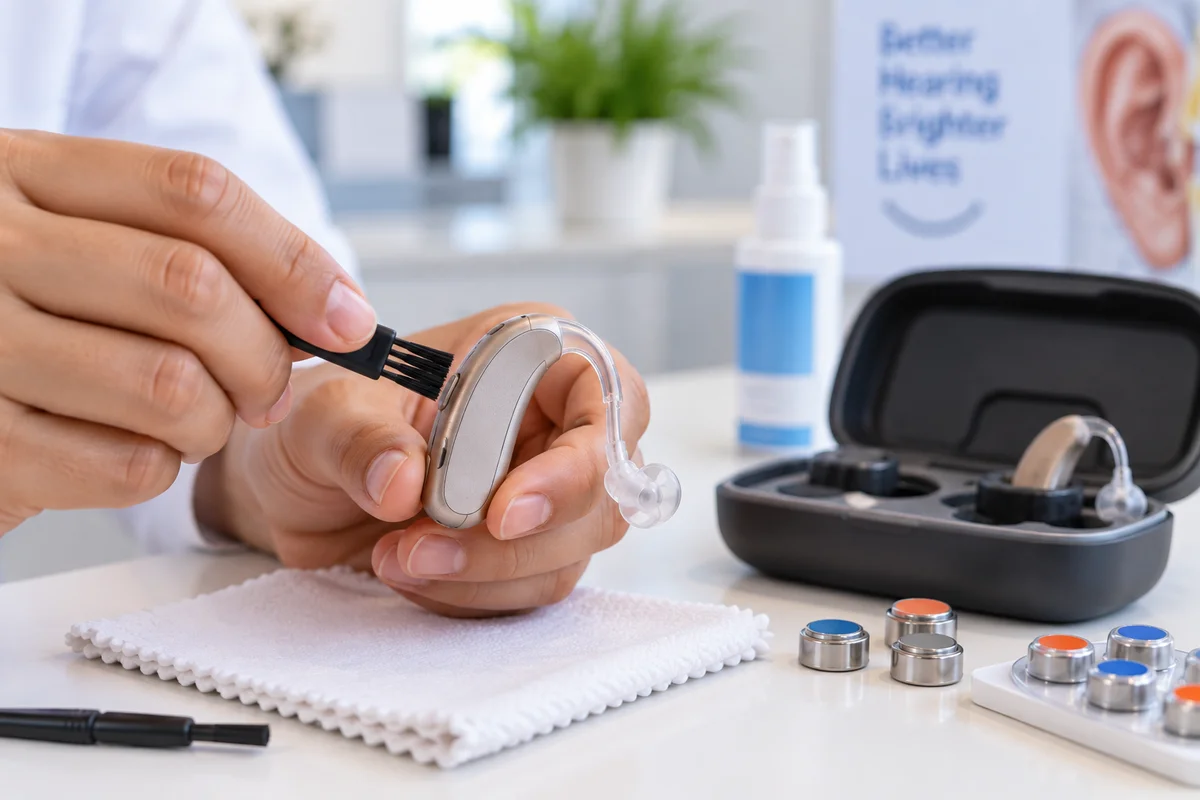
Routine cleaning and inspection help prevent earwax buildup, moisture damage, and mechanical issues. Many clinics offer complimentary cleaning services during the warranty period, which significantly extends the lifespan of the device.
Fine-Tuning and Reprogramming
As your hearing needs change or as you adapt to your device, periodic adjustments to volume, frequency response, and noise management settings are essential. After-sales service should include follow-up appointments for reprogramming.
Troubleshooting Support
Whether it's a whistling sound, reduced volume, or connectivity issues with a smartphone app, having access to prompt troubleshooting support saves time and frustration.
Battery and Accessory Replacement Guidance
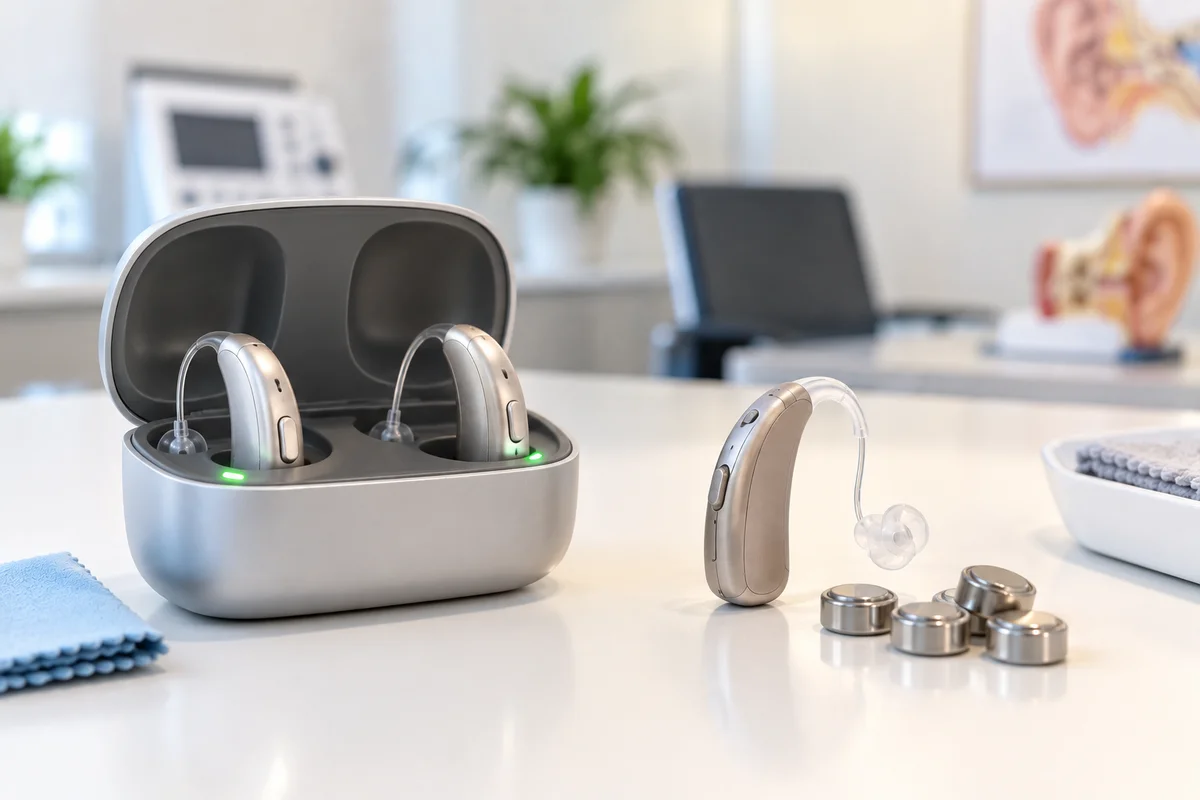
Reliable clinics guide patients on genuine battery replacement, charger maintenance for rechargeable models, and replacement of consumables like domes, filters, and tubing.
Loaner Devices During Repairs
If your hearing aid needs to be sent for repair, some clinics provide a temporary loaner device so you aren't left without hearing support during the repair period.
Tips to Maximize Your Hearing Aid Warranty
Register Your Device Promptly
Many manufacturers require warranty registration within a specific timeframe after purchase. Completing this step ensures your coverage is activated correctly.Keep All Documentation
Store your purchase receipt, warranty card, and service records safely. These documents are often required when filing a warranty claim.Follow Recommended Cleaning Routines
Daily cleaning and proper storage significantly reduce the risk of damage that could void your warranty.Avoid Unauthorized Repairs
Getting your device repaired outside authorized service centers can void the manufacturer's warranty. Always consult your clinic first.Schedule Regular Check-Ups
Routine visits help catch minor issues before they become major problems, and they ensure your device is performing at its best.Understand the Claim Process
Familiarize yourself with how to file a warranty claim, including required documentation and expected turnaround times, so you're prepared if an issue arises.
How VR Speech and Hearing Clinic Supports You After Purchase
At VR Speech and Hearing Clinic, our commitment to patients doesn't end when you walk out with your new hearing aid. We provide comprehensive after-sales support designed around your long-term hearing health, including:
Assistance with warranty registration and documentation
Scheduled maintenance and professional cleaning sessions
Timely troubleshooting and repair coordination with manufacturers
Follow-up fitting and fine-tuning appointments
Guidance on accessories, batteries, and proper device care
Transparent communication about what is and isn't covered under your specific warranty plan
Our goal is to ensure that your hearing aid continues to serve you reliably for years, and that you always have a trusted point of contact whenever questions or issues arise.
When Should You Contact Your Clinic for Service?
You should reach out to your hearing care provider if you notice:
Reduced sound clarity or volume
Intermittent or no sound output
Whistling or feedback noises
Physical damage or visible wear
Connectivity issues with mobile apps or accessories
Unusual battery drain
Early intervention often prevents minor issues from developing into costly repairs.
Final Thoughts
A hearing aid is a long-term investment in your ability to connect, communicate, and engage with the world around you. Understanding your warranty terms and choosing a clinic that prioritizes strong after-sales service ensures that this investment continues to pay off well beyond the day of purchase. Regular maintenance, prompt troubleshooting, and clear communication about coverage all play a role in keeping your device, and your hearing, in top condition.
At VR Speech and Hearing Clinic, we are dedicated to walking alongside you throughout your hearing journey, from selection and fitting to ongoing care and support.
Frequently Asked Questions (FAQs)
Q1. How long does a typical hearing aid warranty last?
Most hearing aid warranties last between one and three years, depending on the brand and model. Extended warranty options may be available for additional coverage.
Q2. Does the warranty cover accidental damage?
Standard manufacturer warranties usually do not cover accidental damage. However, some extended warranty plans include loss and damage protection for an additional cost.
Q3. What happens if my hearing aid warranty expires?
Once the warranty expires, repairs and replacements are typically charged at the clinic's standard service rates, unless you have purchased an extended warranty or service plan.
Q4. Can I get my hearing aid repaired outside the clinic I purchased it from?
It's recommended to use authorized service centers, as unauthorized repairs can void your manufacturer warranty and may affect device performance.
Q5. How often should I bring my hearing aid in for servicing?
Routine check-ups every three to six months are generally recommended to maintain optimal performance, even if no issues are apparent.
Q6. What should I do if my hearing aid stops working suddenly?
Contact your hearing care provider immediately for troubleshooting. Avoid attempting DIY repairs, as this could cause further damage or void your warranty.
Q7. Is cleaning included in after-sales service?
Many clinics, including VR Speech and Hearing Clinic, offer complimentary cleaning and maintenance services during the warranty period as part of comprehensive after-sales support.