Hearing Aid Options, Benefits, Costs, and Care for Better Hearing
Missing a few words at dinner can turn a short talk into hard work. Untreated hearing loss may lead to repeated questions, missed alarms, listening fatigue, and fewer social plans. A modern hearing aid can improve access to speech and daily sounds while offering wireless streaming, rechargeable power, noise control, and phone-based settings.
The right device depends on your hearing test, daily needs, comfort, budget, and health history. Learn when amplification may help, which styles and features matter, how fitting works, and how daily care can improve long-term results.
Recognize When a Hearing Aid May Improve Daily Life
Hearing loss often develops slowly. You may adjust without noticing, while family members see the change first. A hearing evaluation can show whether a hearing aid may improve speech access or whether another ear problem needs care.
Spot Hearing Loss Symptoms Early
Common signs include asking people to repeat themselves, raising the television volume, and struggling to follow speech in restaurants. You may hear a person talking but miss the words, especially when several people speak at once. Hearing loss can affect one ear or both ears, and it may be hard to notice when it develops over time.
Before an appointment, keep a short record of difficult situations. Note problems with phone calls, meetings, family meals, traffic sounds, or television dialogue. This record helps the hearing professional match testing and recommendations to your daily life.
Know When Hearing Changes Need Medical Care
Reduced hearing can create strain at home and work. It may cause tiredness after conversations, missed instructions, and withdrawal from group activities. A volume problem may improve with amplification, but poor speech understanding can continue, especially in noise.
Sudden hearing loss, fast changes in one ear, ear drainage, severe pain, dizziness, or ringing with other symptoms needs prompt medical review. A hearing aid cannot diagnose or treat blocked ears, infections, or other medical conditions. See a physician, audiologist, or licensed hearing instrument specialist before buying a device, and bring a partner or family member when helpful.
Match a Hearing Aid Style to Your Needs
Hearing aid styles differ in size, power, handling, comfort, and available features. Your hearing profile matters first, followed by dexterity, vision, appearance, phone use, and the settings where you need help most.
Compare Behind-the-Ear and Receiver-in-Canal Designs
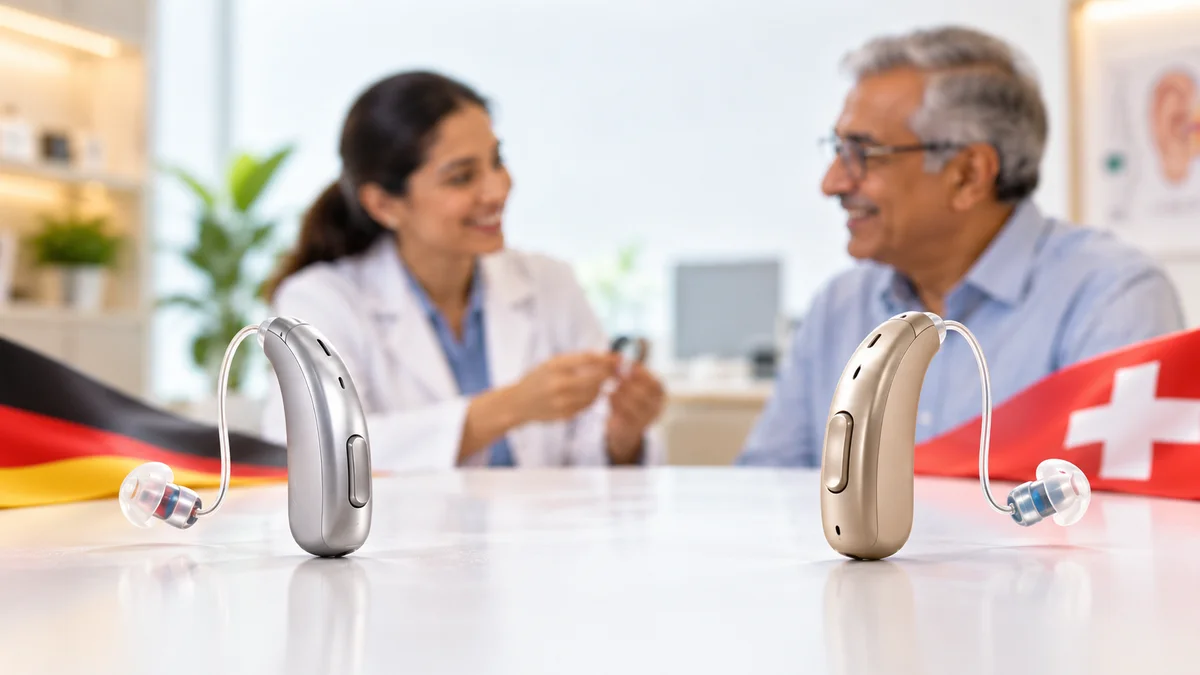
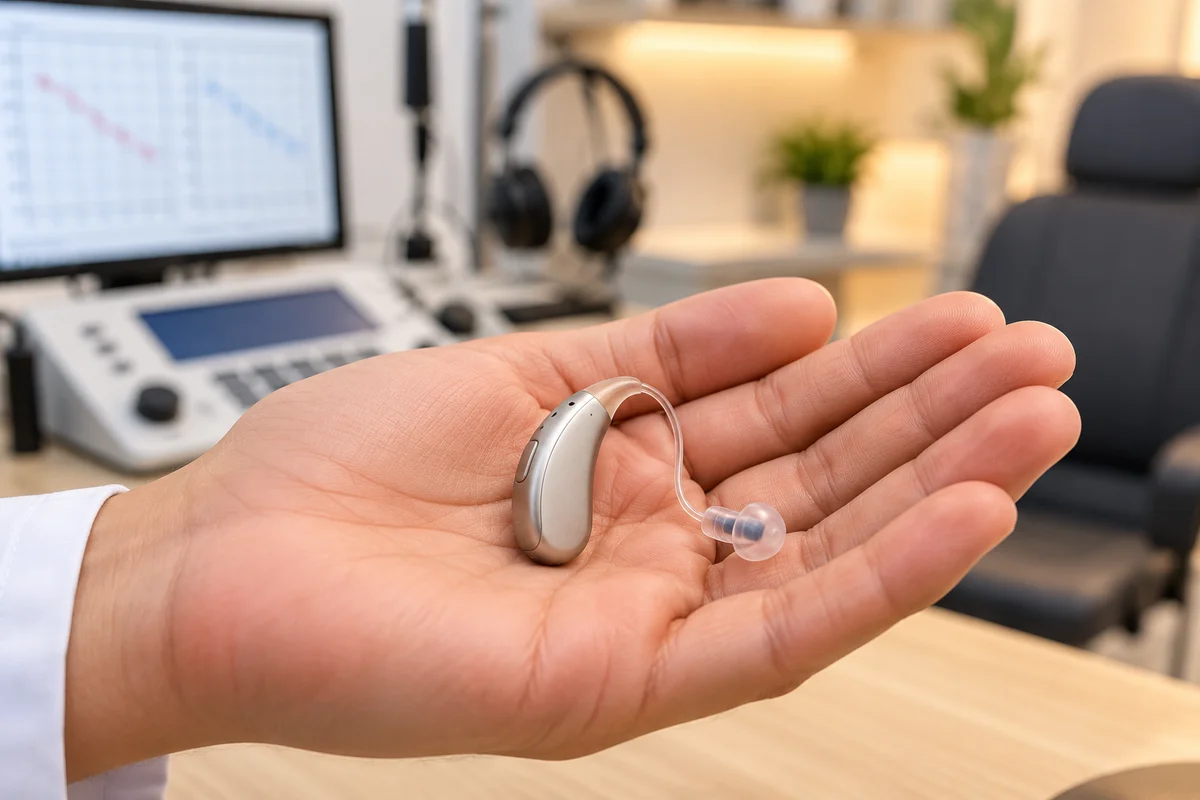
Behind-the-ear hearing aids sit behind the ear and send sound through tubing or a thin wire. They can provide strong output and suit many degrees of hearing loss. Receiver-in-canal models place the speaker in or near the ear canal, while the main electronics remain behind the ear.
These designs often offer rechargeable power, Bluetooth, and room for future programming changes. They may feel comfortable, though glasses, masks, hair, and ear shape can affect the fit. Ask whether the device can support future changes in your hearing needs.
Consider In-the-Ear and In-the-Canal Options
In-the-ear, in-the-canal, and completely-in-canal devices sit partly or fully inside the ear. Their smaller size can look discreet, but it may leave less room for large batteries, strong output, or wireless features. Earwax and moisture can also affect these models more quickly.
Small controls can be hard to handle if you have limited dexterity or vision. A custom shell may feel comfortable, but fit should be checked during a professional fitting rather than judged by appearance alone. Rechargeable models reduce battery handling, while disposable batteries offer easier backup during travel.
Choose Hearing Aid Features for Real Listening Problems
Features matter when they solve a clear problem. A premium device may help in busy places, while a simpler model may suit quiet homes and one-on-one talks.
Improve Speech Access in Background Noise
Directional microphones focus more on sounds in front of you. Noise-reduction processing lowers some steady background sounds, and feedback control helps prevent whistling. Automatic programs may adjust settings when you move between a quiet room, car, office, or restaurant.
These tools can make speech easier to follow, but they cannot remove every competing sound or restore normal hearing. Test a device in places you use often, such as a restaurant, workplace, classroom, place of worship, or family gathering. Ask about speech-in-noise performance, not only sound quality in a quiet booth.
Use Connectivity, Personal Settings, and Follow-Up Care
Bluetooth may send calls, music, and television sound to compatible hearing aids. Smartphone apps can adjust volume, change programs, locate a device, or support remote follow-up visits. Check compatibility with your phone, operating system, television accessories, and other devices before purchase.
New sounds may seem sharp or loud at first, so gradual fine-tuning often helps. Keep notes about settings that feel too loud, too soft, unclear, or uncomfortable. Also ask about moisture protection, sweat exposure, earwax care, warranty terms, repairs, replacement parts, drying systems, and trial periods; water resistance does not mean waterproofing.
Compare Hearing Aid Costs and Ongoing Care
The device price is only part of the total cost. Fitting, programming, accessories, repairs, warranties, and follow-up visits can change the value of a package.
Understand What Sets the Price
Cost may rise with advanced noise control, custom design, rechargeable power, wireless streaming, remote care, and longer warranty coverage. Premium features may help people who spend much of the day in noisy offices, restaurants, meetings, or group settings. Basic technology may meet the needs of someone who spends more time in quiet places.
Request an itemized quote before you buy. It should separate the hearing aids, hearing test, fitting, follow-up visits, accessories, warranty, repairs, and future service fees. Compare the care plan, not only the sticker price.
Check Coverage and Compare Providers
Coverage varies by country, insurer, age, medical need, job, and benefit plan. Check your health insurance, public hearing programs, employer benefits, veterans' services, health savings account rules, financing plans, and charitable aid. Confirm details directly with the provider before purchase.
Audiologists and hearing instrument specialists may offer testing, fitting, counseling, repairs, and programming. Ask about the trial and refund policy, real-ear measurements, fitting visits, loss-and-damage coverage, replacement costs, and emergency support. Ongoing service access often matters more than the lowest first price.
Get Better Results Through Professional Hearing Aid Fitting
Good results depend on more than choosing a device. Your brain needs time to adjust to amplified sound, and the settings may need several changes.
Complete a Hearing Evaluation First
An evaluation may include your medical history, ear exam, pure-tone testing, speech testing, and questions about listening goals. The provider may also assess dexterity, vision, work demands, family communication, and common listening places. Results help show how much amplification you need and whether you need medical referral.
Over-the-counter hearing aids may suit some adults with perceived mild-to-moderate hearing loss. A professional evaluation is especially important for sudden, one-sided, uneven, or medically concerning changes.
Build Skills During the Adjustment Period
Newly amplified sounds may feel unfamiliar, loud, or distracting. Begin in quiet settings, wear the devices for the schedule your provider recommends, and add harder situations over time. Follow-up programming, speech practice, and clear communication habits can improve comfort and understanding.
Face the person speaking and choose good lighting. Reduce background noise, use captions, and ask for rephrasing instead of pretending you heard. In restaurants, choose a quieter seat; in meetings, request written notes; for television, use captions or a compatible streaming accessory.
Protect Hearing Aid Performance With Daily Care
Small care habits protect sound quality and reduce avoidable repairs. Follow the maker's instructions because cleaning steps differ by style.
Clean the Device and Manage Earwax Safely
Wipe the hearing aid and clean microphone openings, receivers, tubing, earmolds, or domes as directed. Never push sharp objects into the device or ear, and do not use household liquids unless the manufacturer approves them. Weak, distorted, blocked, or intermittent sound calls for a professional inspection.
Earwax can clog a wax filter or receiver even when the device looks clean. Ask your provider how often to replace filters, domes, or tubing. Avoid inserting cotton swabs deep into the ear.
Store, Charge, and Troubleshoot With Care
Store hearing aids away from children, pets, heat, and moisture. Create an evening routine for cleaning, charging, and checking the devices. Carry spare disposable batteries or a backup charging plan during trips.
For no sound or weak sound, check power, charge or replace the battery, inspect the wax filter and dome, and confirm the volume. For whistling, reseat the device and check its fit; for Bluetooth trouble, verify settings and restart paired devices. Rapid battery drain, physical damage, repeated feedback, sudden performance changes, or lasting discomfort needs professional service.
Conclusion
A hearing evaluation is the safest starting point for suitable amplification. The best hearing aid matches your hearing needs, daily environments, handling ability, technology preferences, and budget.
Professional fitting, follow-up adjustments, steady use, and realistic expectations affect satisfaction. Communication strategies and careful maintenance add further support. Costs vary, so compare itemized prices, trial periods, warranties, and ongoing care.
Write down the situations that cause the most trouble, schedule a qualified hearing evaluation, and bring clear listening goals and questions to the appointment.