Hearing Aid Maintenance Tips: A Complete Guide to Keeping Your Device Working Longer
Hearing aids are small but powerful devices that play a huge role in daily life. They help you stay connected to conversations, enjoy music, hear warning sounds, and feel confident in social situations. But like any electronic device, hearing aids need regular care to perform at their best. Without proper maintenance, even the most advanced hearing aid can develop issues like reduced sound quality, feedback, or complete malfunction.
At VR Speech and Hearing Clinic, we often meet patients who assume their hearing aid problems mean they need a replacement device, when in reality, simple maintenance habits could have prevented the issue altogether. In this guide, we will walk you through practical, easy-to-follow hearing aid maintenance tips that can significantly extend the life of your device and improve your overall hearing experience.
Why Hearing Aid Maintenance Matters
Hearing aids are exposed to moisture, earwax, dust, and everyday wear. Over time, these elements can clog microphones, damage internal components, and reduce battery efficiency. Regular maintenance not only prevents costly repairs but also ensures you get consistent, clear sound quality every day.
Think of it like caring for any device you use constantly, such as a smartphone. Skipping basic care leads to bigger problems down the line. The same logic applies to hearing aids, except here, the stakes are higher because your hearing health and quality of life are directly involved.
Daily Cleaning Habits
Cleaning your hearing aid daily is one of the simplest ways to prevent buildup that affects performance.
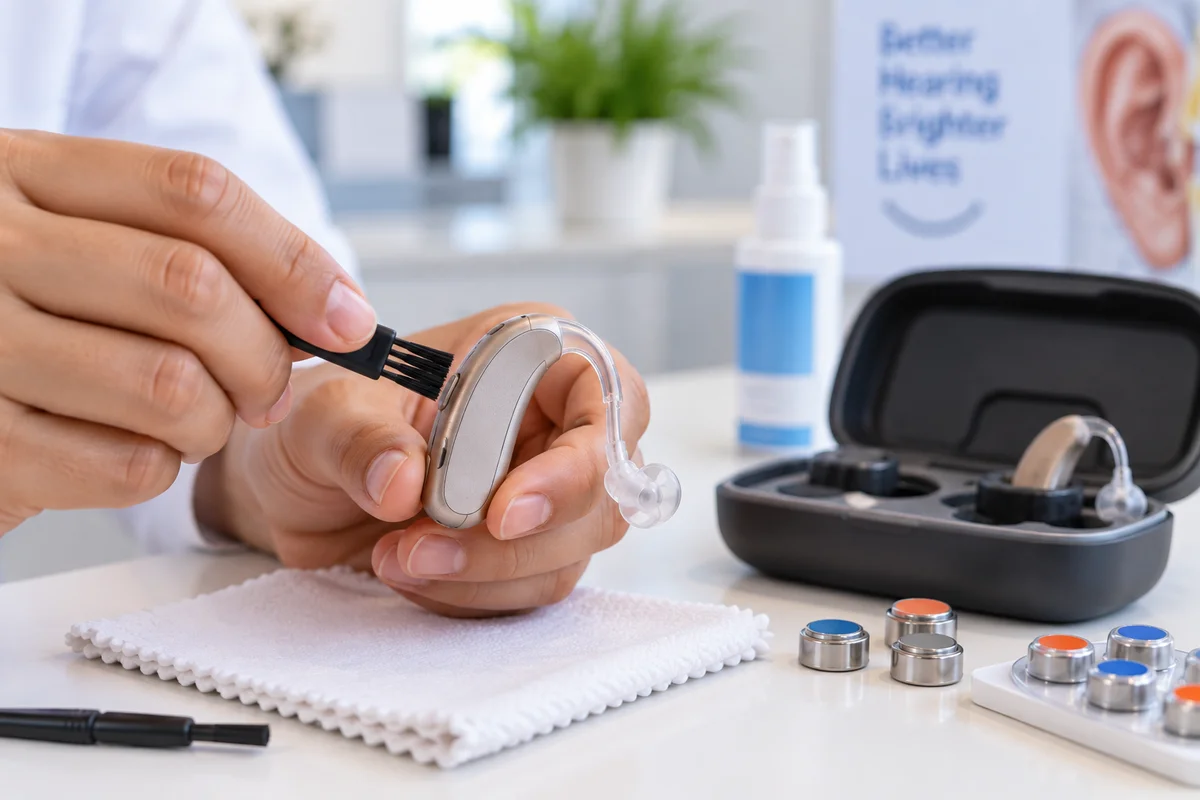
Start by wiping the device with a soft, dry cloth every evening after you remove it. This removes surface oils, sweat, and dust that accumulate throughout the day. Avoid using wet wipes, alcohol, or household cleaning products, as these can damage the microphone and electronic components.
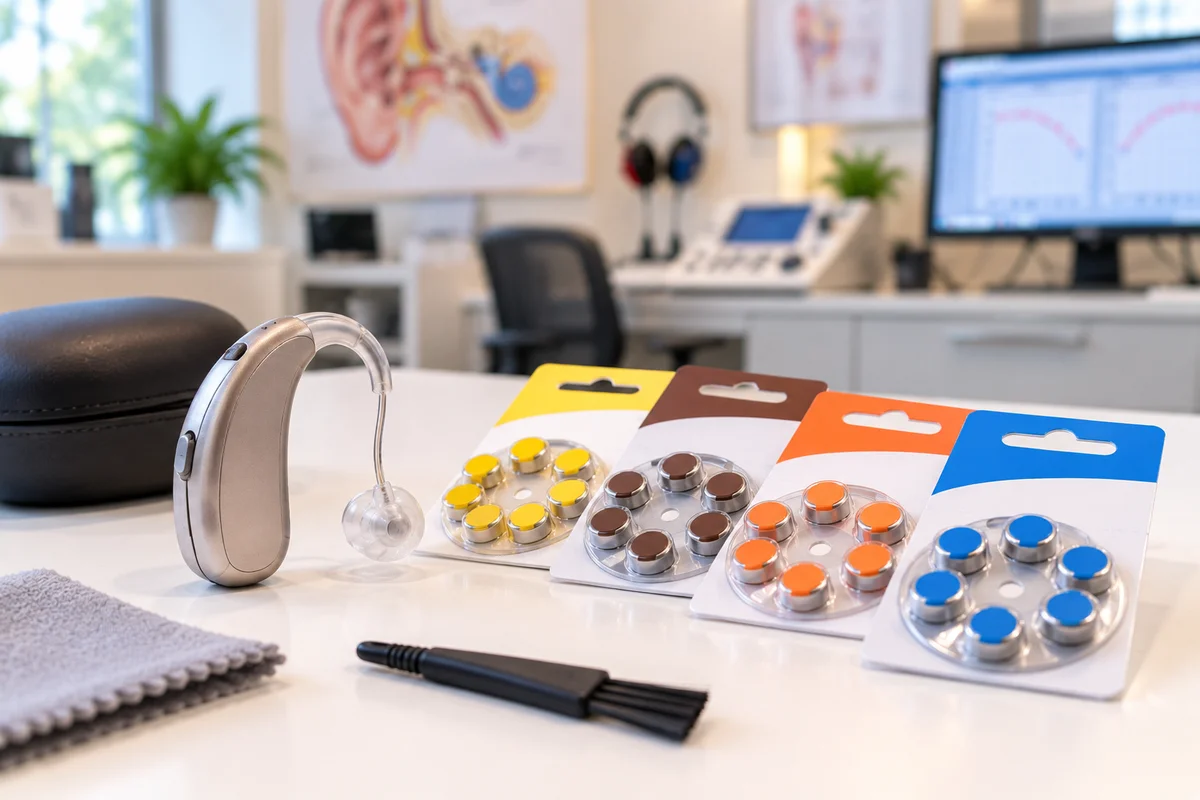
Pay close attention to the microphone ports and receiver openings. These tiny areas are where sound enters and exits the device, and even a small amount of debris can muffle sound or cause distortion. Many hearing aids come with a small brush or cleaning tool provided by your audiologist. Use this brush gently to clear away visible dust or wax without pushing debris further into the device.
Managing Earwax Buildup
Earwax is one of the most common culprits behind hearing aid malfunctions. Since hearing aids sit inside or near the ear canal, they naturally come into contact with wax throughout the day.
Check your earwax guard or wax filter regularly, especially if you notice a drop in sound clarity. Most modern hearing aids have replaceable wax filters that should be changed every few weeks, depending on usage and how much wax your ears naturally produce. Your clinic can show you how to replace these filters safely at home, or you can bring your device in for a quick check during routine visits.
If you notice a significant amount of wax buildup in your ear canal itself, avoid using cotton swabs, as they can push wax deeper. Instead, consult your audiologist for safe earwax removal methods.
Protecting Your Hearing Aid from Moisture
Moisture is one of the biggest threats to hearing aid longevity. Sweat, humidity, and accidental water exposure can seep into the device and cause corrosion or short circuits.
Always remove your hearing aids before showering, swimming, or engaging in activities that cause heavy sweating. If you live in a humid climate or are physically active, consider using a dehumidifier or a hearing aid drying kit overnight. These small, inexpensive devices absorb moisture and help keep the internal components dry, significantly extending your hearing aid's lifespan.
Avoid storing your hearing aids in the bathroom, as steam from showers can affect the internal circuitry over time. Instead, keep them in a cool, dry place, ideally inside their designated storage case.
Proper Battery Care
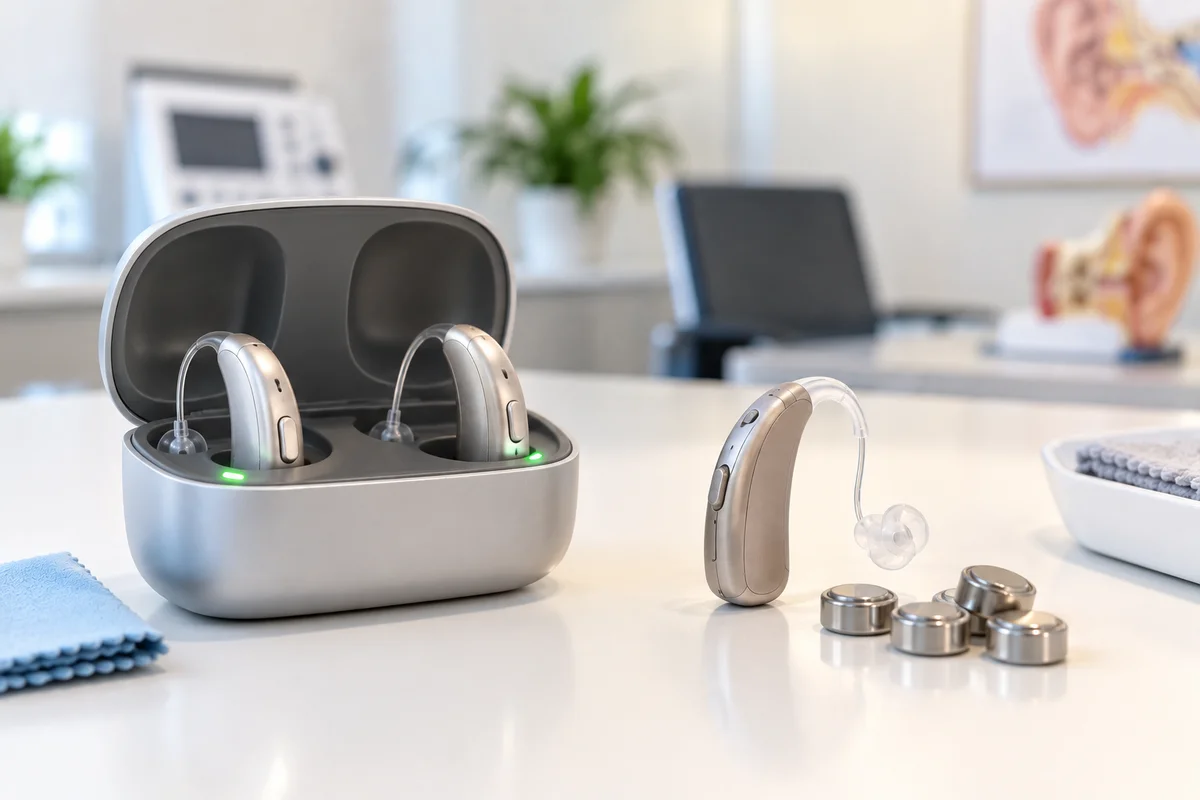
Whether your hearing aid uses disposable batteries or a rechargeable system, proper battery care is essential for consistent performance.
For disposable battery models, always keep spare batteries handy and store them at room temperature, away from direct sunlight or extreme heat. When you insert a new battery, wait a few minutes before turning the device on. This allows the battery to activate fully, which can improve its lifespan and performance.
For rechargeable hearing aids, make it a habit to charge them overnight so they are ready for full use the next day. Avoid letting the battery drain completely on a regular basis, as this can shorten the overall battery life over time. Keep the charging contacts clean and free of dust to ensure a proper connection each time you place the device in its charger.
Safe Storage Practices
How you store your hearing aids when they are not in use matters more than most people realize. Always place your hearing aids in their protective case when you are not wearing them, especially overnight. This protects them from accidental drops, pets, children, and dust exposure.
Avoid leaving your hearing aids in places with extreme temperatures, such as inside a car during summer or winter. Extreme heat or cold can damage the internal electronics and affect battery performance. A stable, room-temperature environment is best for storage.
Avoiding Common Damage Risks
Simple daily habits can prevent accidental damage to your hearing aids. Always handle your device over a soft surface, like a towel or carpet, in case it slips from your hands. This reduces the risk of damage from hard floor impacts.
When applying hairspray, sunscreen, or other cosmetic products, remove your hearing aids first. Chemical exposure from these products can clog microphone ports and affect sound quality. Once your hair and skincare routine is complete, you can safely put your hearing aids back in.
If you wear a mask or glasses, be mindful of how you remove them, as hearing aids can sometimes get caught and dislodged accidentally. Removing masks and glasses carefully helps prevent your hearing aids from falling and getting damaged or lost.
Scheduling Regular Professional Check-Ups
While daily home care is essential, professional maintenance is equally important. Regular check-ups with your audiologist allow for deep cleaning, performance testing, and recalibration if needed. These visits help catch small issues before they turn into bigger, more expensive problems.
At VR Speech and Hearing Clinic, we recommend scheduling a professional cleaning and inspection every few months, even if your hearing aids seem to be working fine. Our specialists can identify wear and tear that may not be visible to the naked eye and ensure your device continues to perform at its best.
Recognizing When Something Is Wrong
Being aware of early warning signs can help you address issues before they escalate. If you notice reduced volume, static noise, feedback, or complete silence from your hearing aid, it is time to check for common issues like wax blockage, moisture damage, or battery problems.
Sometimes, a simple cleaning or battery replacement resolves the issue entirely. However, if problems persist after basic troubleshooting, it is best to consult your audiologist rather than attempting complex repairs yourself. Opening the device or using sharp tools to clean it can cause irreversible damage.
Final Thoughts
Taking care of your hearing aids does not require advanced technical knowledge, just consistent daily habits and a proactive approach to maintenance. Simple actions like daily cleaning, moisture protection, proper storage, and routine professional check-ups can make a significant difference in how long your device lasts and how well it performs.
Your hearing aid is an investment in your quality of life, and treating it with care ensures you get the most value out of that investment. If you ever have questions about maintaining your specific device or notice any performance issues, the team at VR Speech and Hearing Clinic is here to help.
Frequently Asked Questions
How often should I clean my hearing aids?
You should wipe down your hearing aids daily and perform a more thorough cleaning, including wax filter checks, at least once a week.
Can I use alcohol wipes to clean my hearing aids?
No, alcohol and other harsh chemicals can damage the microphone and electronic components. Stick to a soft, dry cloth and the cleaning tools provided by your audiologist.
How do I know if my hearing aid has moisture damage?
Common signs include crackling sounds, intermittent power loss, or the device not turning on at all. Using a dehumidifier kit regularly can help prevent this issue.
How long do hearing aid batteries last?
Disposable batteries typically last one to two weeks depending on usage, while rechargeable batteries generally last a full day on a single overnight charge.
When should I visit a clinic for hearing aid maintenance?
It is recommended to visit every three to six months for professional cleaning and performance checks, or sooner if you notice any sound quality issues.
Can wax buildup permanently damage my hearing aid?
Yes, if left unaddressed, excessive wax can clog the receiver and microphone, potentially leading to permanent damage. Regular filter changes help prevent this.