Hearing Aid Insurance Coverage: A Complete Guide for Patients
Understanding Hearing Aid Insurance Coverage
Hearing loss affects millions of people worldwide, yet many hesitate to seek treatment because they worry about cost. Hearing aids can be a significant investment, and understanding your insurance coverage is one of the most important steps before starting your journey to better hearing. At VR Speech and Hearing Clinic, we regularly guide patients through the often confusing world of insurance benefits, helping them make informed decisions without unnecessary financial stress.
This guide breaks down what you need to know about hearing aid insurance coverage, common exclusions, and how to maximize your benefits.
Why Hearing Aid Coverage Varies So Widely
Unlike many other medical devices, hearing aids are not universally covered under standard health insurance plans. Coverage depends on several factors including your insurer, the specific plan you hold, your employer's benefits package, and even the state or country regulations that apply to your policy. Some plans classify hearing aids as elective devices rather than medically necessary equipment, which significantly affects reimbursement.
This inconsistency means two people with hearing loss of similar severity might have completely different out-of-pocket costs simply because of who provides their insurance.
What Insurance Typically Covers
While every policy is different, here are common areas where coverage may apply:
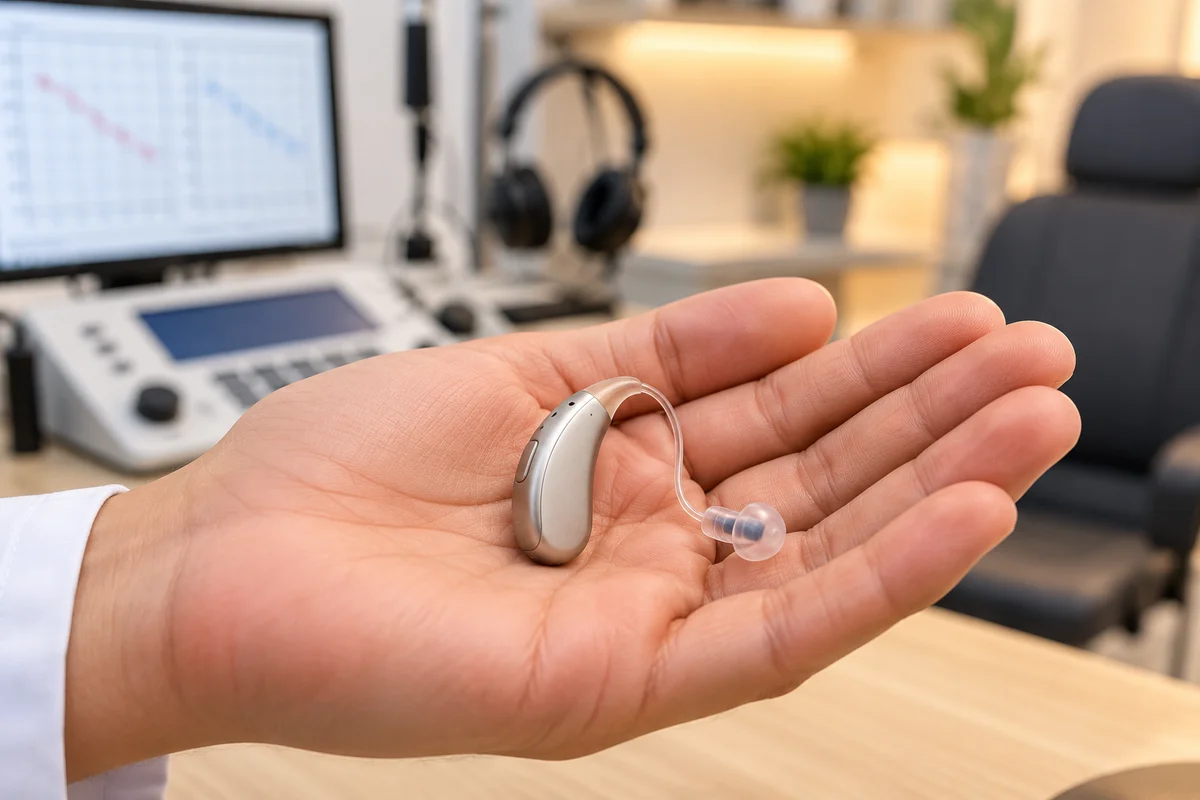
Diagnostic hearing evaluations are often covered, at least partially, since they are considered essential medical assessments performed by an audiologist. These evaluations help determine the type and degree of hearing loss.
Consultation and fitting appointments may be included in some plans, particularly when bundled with the purchase of a hearing device through an in-network provider.
Partial device costs are sometimes covered up to a fixed dollar amount, especially with supplemental insurance riders or enhanced benefit plans that specifically add hearing aid allowances.
Repairs and maintenance occasionally fall under warranty-linked coverage rather than insurance, but some comprehensive plans do include this.
What Is Often Excluded
Patients are frequently surprised to learn that many standard health insurance plans exclude the following:
Hearing aid devices themselves are the most commonly excluded item, with many insurers treating them as optional rather than essential.
Premium features such as Bluetooth connectivity, rechargeable batteries, or advanced noise-cancellation technology are typically not reimbursed even when basic coverage exists.
Replacement devices purchased before the standard replacement period, usually every three to five years, are rarely covered.
Cosmetic upgrades or preferred styling options beyond the standard model are also generally excluded from reimbursement.
How to Check Your Coverage
Before committing to any hearing aid purchase, it helps to take a structured approach to understanding your benefits.
Start by contacting your insurance provider directly and asking specifically about hearing aid coverage, not just general hearing services. Request details in writing when possible.
Review your policy documents carefully, paying close attention to sections labeled durable medical equipment or hearing healthcare benefits.
Ask your audiologist's office for assistance, since clinics like ours often have staff experienced in verifying benefits and can help interpret confusing policy language.
Inquire about annual or lifetime maximums, as some plans cap hearing aid benefits at a certain dollar amount per ear or per set, regardless of the device's actual price.
Government and Alternative Coverage Options
For patients without adequate private insurance coverage, several alternative paths exist. Public health programs in some regions offer partial hearing aid subsidies for qualifying individuals, particularly children, seniors, or low income households. Nonprofit organizations and hearing foundations sometimes provide grants or discounted devices based on financial need. Flexible spending accounts and health savings accounts can also be used to offset hearing aid costs using pre-tax dollars, effectively lowering the overall expense.
Veterans and active service members may have access to specialized coverage through military or veterans' health benefits, which often provide more comprehensive hearing aid support than standard civilian insurance plans.
Tips to Maximize Your Benefits
Choosing an in-network audiologist or clinic can significantly reduce costs, since insurers often negotiate lower rates with approved providers. Timing your purchase around your plan's benefit renewal period can also help, particularly if you are close to reaching a coverage cap.
Bundling services such as evaluation, fitting, and follow up care with one provider may unlock package pricing that is more favorable than paying for each service separately. Always ask about financing options or payment plans offered directly through your clinic, which can bridge the gap between insurance coverage and total cost.
Why Professional Guidance Matters
Navigating insurance paperwork alone can be overwhelming, especially when policies use technical language or vague terminology. Working with an experienced audiology clinic ensures you receive accurate information about your specific plan, proper documentation for insurance claims, and support throughout the reimbursement process.
At VR Speech and Hearing Clinic, our team works closely with patients to verify insurance benefits before any purchase decision is made. We believe transparency about costs is just as important as clinical expertise, and we aim to remove financial confusion from your hearing healthcare journey.
Final Thoughts
Understanding hearing aid insurance coverage does not have to be complicated once you know what questions to ask and where to look. While coverage gaps remain common across the industry, patients who take time to research their benefits, explore alternative funding options, and work with knowledgeable professionals can significantly reduce their financial burden.
If you are exploring hearing aid options and want clarity on what your insurance will and will not cover, our team is here to help you every step of the way.
Frequently Asked Questions
Does insurance usually cover the full cost of hearing aids?
Rarely. Most plans offer partial coverage or a fixed allowance rather than covering the entire device cost, especially for premium models.
Are hearing aid batteries or accessories covered by insurance?
Generally no. These are considered consumable or optional items and are typically an out of pocket expense.
Can I use my HSA or FSA for hearing aids?
Yes, in most cases hearing aids and related services qualify as eligible expenses under health savings and flexible spending accounts.
How often will insurance cover a new hearing aid?
Most plans that offer coverage limit replacements to once every three to five years, though this varies by policy.
Does age affect hearing aid insurance coverage?
Yes, some programs offer enhanced benefits for children or seniors, while standard adult coverage may be more limited.
Should I get pre-authorization before purchasing a hearing aid?
Yes, checking with your insurer beforehand helps avoid unexpected denial of claims or unreimbursed expenses.